Where impact stops being discourse and enters the economic equation
We follow sustainability when it becomes capital structure, operating risk, institutional legitimacy, and an economic model capable of sustaining a solution beyond the press release.
What we are watching
Energy, critical resources, biodiversity, industrial transition, climate finance, and decisions where impact has to become financeable, measurable, and politically defensible.
Where it is being decided
In permits, financing, extractive chains, regulation, environmental costs, and in the difficulty of turning systemic urgency into a business or an infrastructure that can hold.
Why it matters
Because sustainability is not only a moral intention. It is also the question of who pays, who captures value, which risks get transferred, and which solutions can move from ideal to execution.
Featured
Sustainability
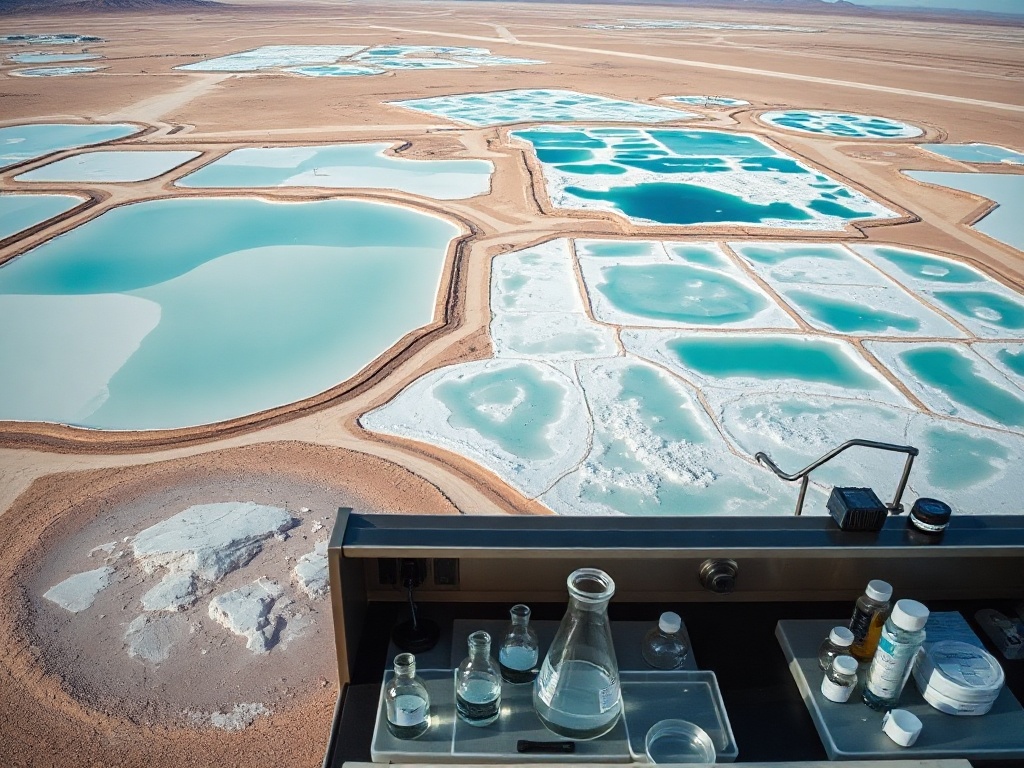
Extracting Lithium Without Destroying the Desert Now Has a Technical Architecture
The promise of electric mobility rests on a mineral that, to extract it, demands flooding the desert with water that desert does not have. The lithium driving the energy transition narrative reaches the market mainly from enormous solar evaporation ponds occupying kilometers of arid terrain in Chile's Atacama or in Nevada. That system has a structural limit the industry already acknowledges: future lithium demand cannot be met with evaporation ponds.
 Lucía Navarro8 min
Latest articles
Nestlé recycles in Kedah, but what it's building is something else entirely
There's a number Nestlé Malaysia doesn't publicize in its official press release, but it says everything about its real strategy: 15,000 tonnes of solid waste diverted from landfills in a single year. That's not a public relations program. That's collection infrastructure operating at scale, covering 260,000 households across nine cities with a target of 300,000 before the end of 2026.
Millions of Abandoned Wells Could Be Worth More as Assets Than Liabilities
For decades, the oil industry drilled into the American subsurface with a simple logic: extract, sell, abandon. What was left behind is a legacy that is difficult to quantify and nearly impossible to manage: millions of inactive wells scattered across the country, many without an official owner, leaking methane into the atmosphere and contaminants into groundwater. Oklahoma, to cite the most illustrative case, has more than 20,000 of these wells identified.
Namibia Wants to Stop Selling Land and Start Selling the Future
There is a structural difference between a country that exports what is in the ground and one that exports what it can do with it. Namibia has just formalized, through its Minister of Industries, Mines and Energy Modestus Amutse, that it wants to be the latter. The announcement of May 2026 is not just a geopolitical statement of intent: it is an architecture of economic transition with specific metrics, concrete deadlines and identified partners.
Five Trillion Dollars and an Energy Transition Nobody Expected to Lead This Cycle
The dominant narrative of the past two years placed data centers and language models at the center of the largest investment story of the modern era. That reading is not wrong, but it is incomplete. What is happening in global capital markets is broader, deeper, and more structural than the debate over artificial intelligence allows us to see from the surface.
Most Popular
Most voted on this page
When Climate Scenarios Hide Who Foots the Bill
A recent study reveals that global emission models have implicitly assigned burdens and benefits for decades, raising governance issues.
93
Five Trillion Dollars and an Energy Transition Nobody Expected to Lead This Cycle
The dominant narrative of the past two years placed data centers and language models at the center of the largest investment story of the modern era. That reading is not wrong, but it is incomplete. What is happening in global capital markets is broader, deeper, and more structural than the debate over artificial intelligence allows us to see from the surface.
91
$226 Billion in Climate Action While the World Looked Away
As major pension funds eased their climate commitments under political pressure, La Caisse increased its climate action portfolio by $68 billion in just one year.
91
The Man Who Transformed Water into Competitive Advantage
Adriano Goldschmied passed away on April 5, 2026. What he left behind was not just a collection or a brand, but a production model that the denim industry took twenty years to fully understand.
91

Bacteria with Philanthropic Funding and 150 Million Children at Risk
Kanvas Biosciences is not a laboratory story. It is a story about incentives. When the Bill & Melinda Gates Foundation decides to fund a synthetic microbiome company to combat environmental enteric dysfunction—an intestinal disease affecting around 150 million children in areas with poor sanitation that blocks nutrient absorption—it is not doing conventional philanthropy. It is betting on an intervention model that the private market cannot yet sustain alone.
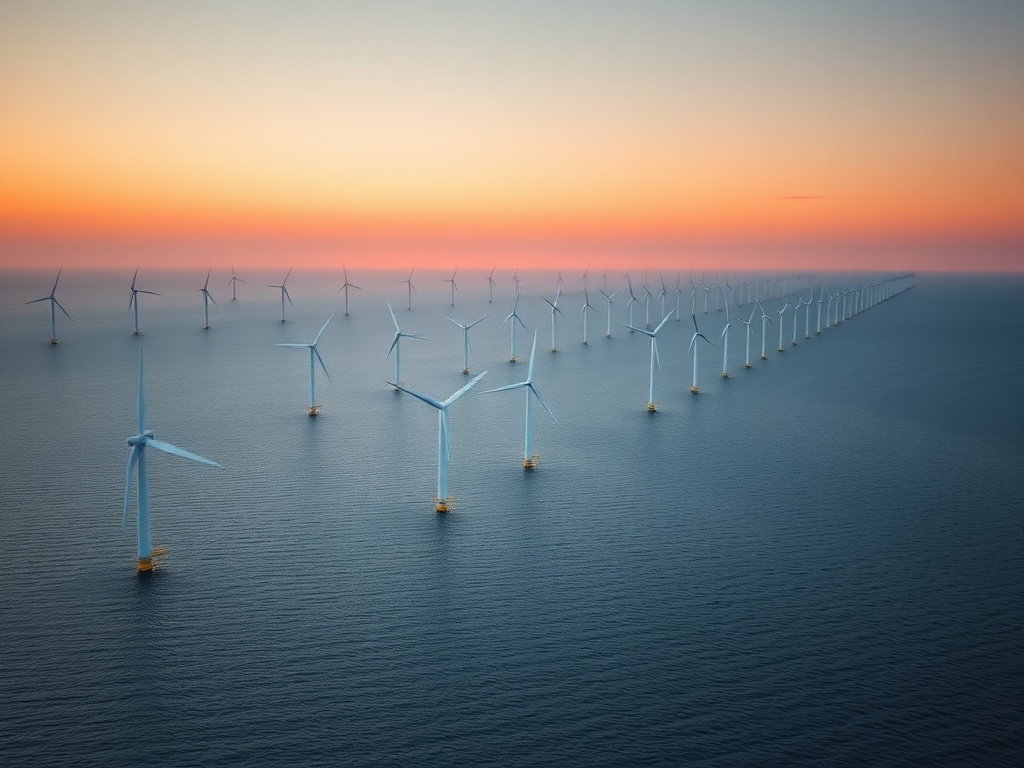
The Iran War Accelerated What Decades of Climate Policy Could Not
On February 28, 2026, the United States and Israel launched military strikes against Iran. In less than a week, oil prices surged 28%. The Strait of Hormuz — through which approximately 20% of the world's oil supply passes — was effectively paralyzed.
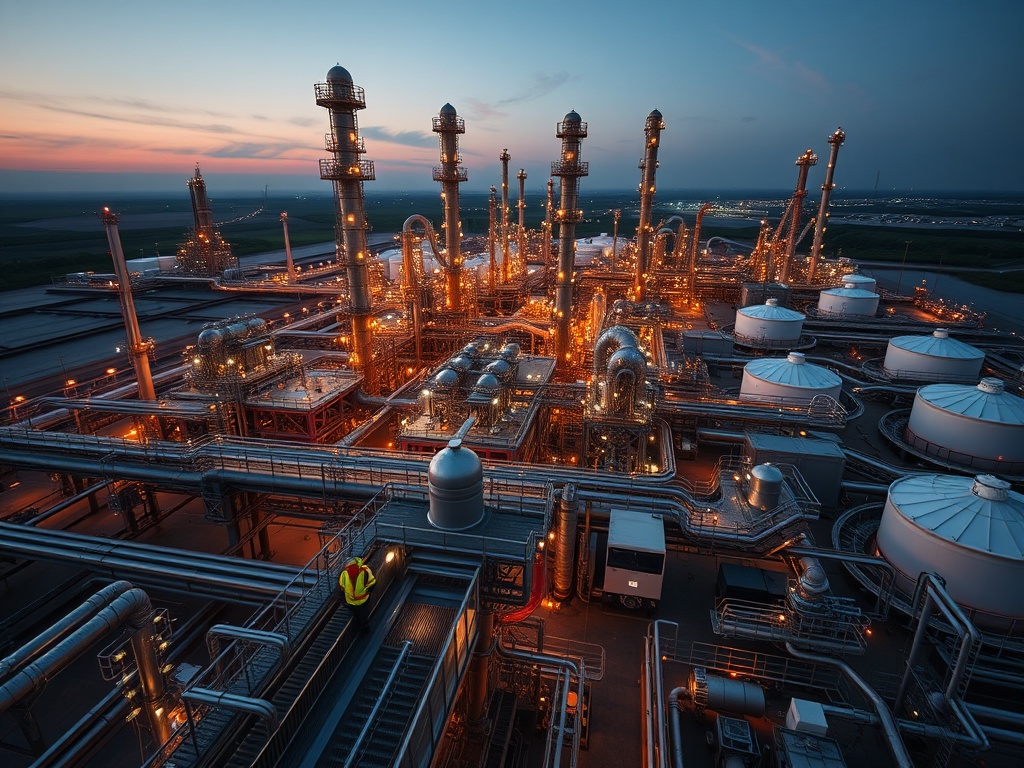
Refining Margins Under Price Controls: What the Arithmetic Says Before Politics Does
Thailand has just tripled the economic pressure on its refineries. The government raised the mandatory refining margin reduction from 2 to 5 baht per liter, a move that ostensibly protects consumers but in reality redistributes the cost of global volatility onto the most capital-intensive segment of the entire energy chain. The decision does not occur in a vacuum: WTI crude is trading between $102 and $107 per barrel in May 2026, with intraday swings of more than 8 percentage points tied to US-Iran tensions in the Strait of Hormuz.
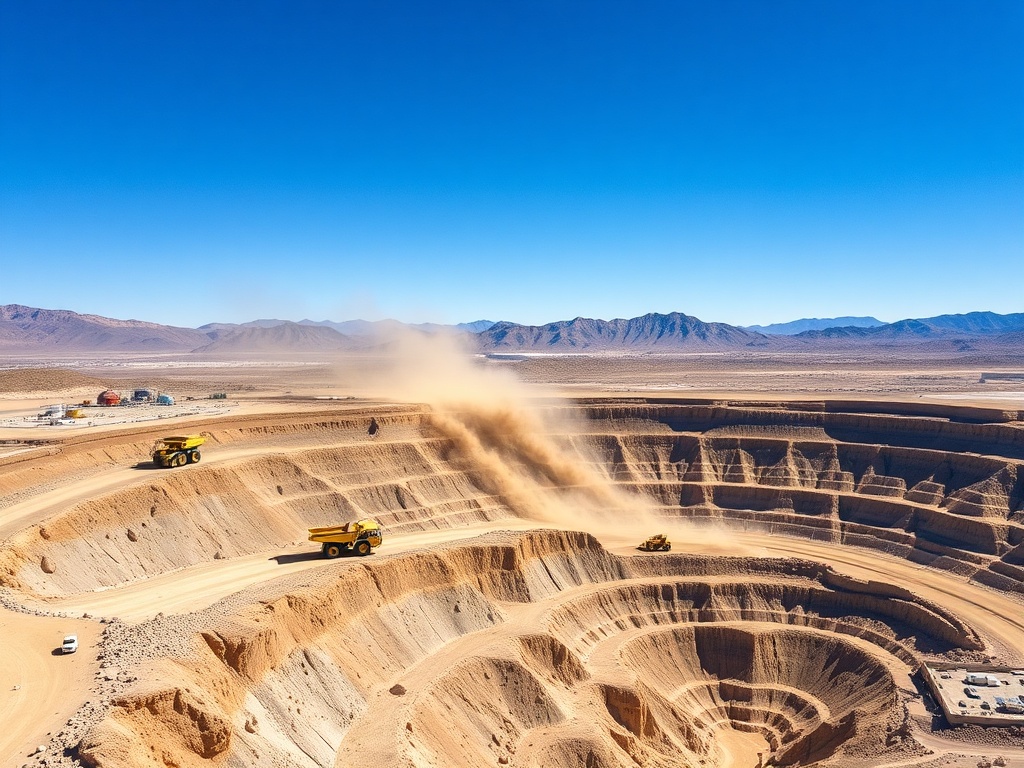
AngloGold Ashanti Generated $2.9 Billion in Free Cash Flow and Is Now Betting Everything on Nevada
Gold broke 53 price records during 2025. AngloGold Ashanti capitalized on every single one — and then went further. At its Annual General Meeting held on May 5, 2026, the company presented figures few miners have ever been able to show in their history: $2.9 billion in free cash flow, adjusted EBITDA of $6.3 billion, and dividends of $1.8 billion, equivalent to 62% of the cash generated.
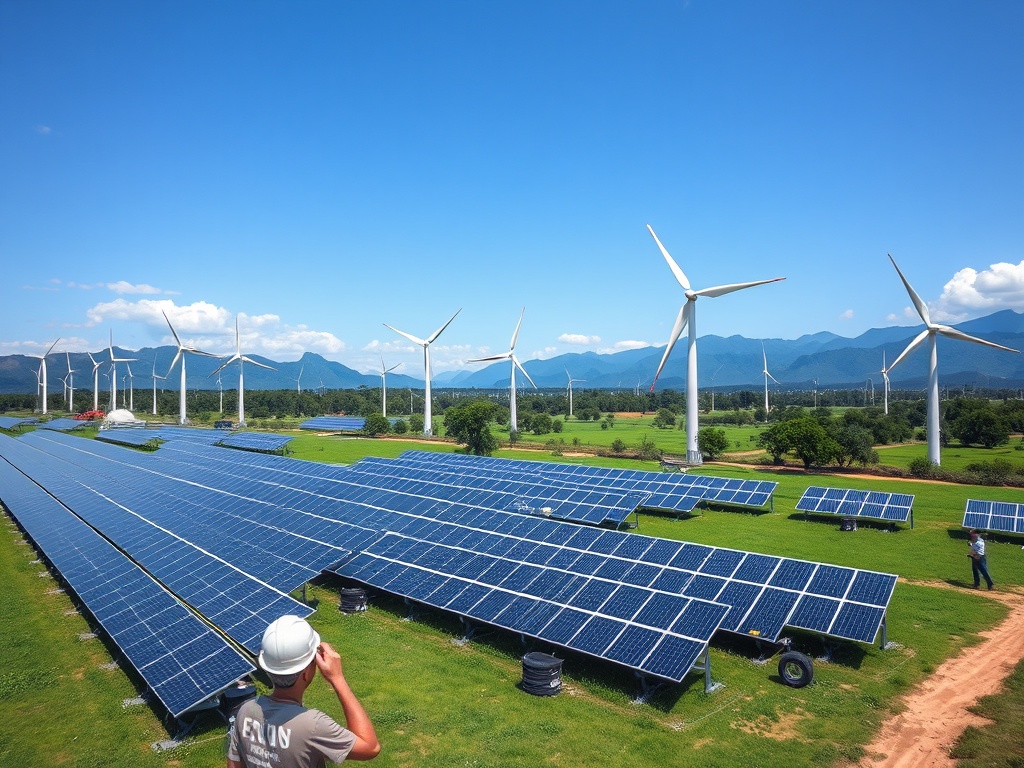
China and Southeast Asia's Green Alliance as a Laboratory for Climate Governance
While major multilateral forums accumulate declarations without financial architecture behind them, a region representing more than 30% of the global population has spent a decade building something different: a climate cooperation network with functioning projects, committed capital, and transferred capabilities. The comprehensive strategic partnership between China and ASEAN is not just a diplomatic agreement. It is a value distribution model that deserves to be audited with precision, precisely because it works under conditions where other models fail.
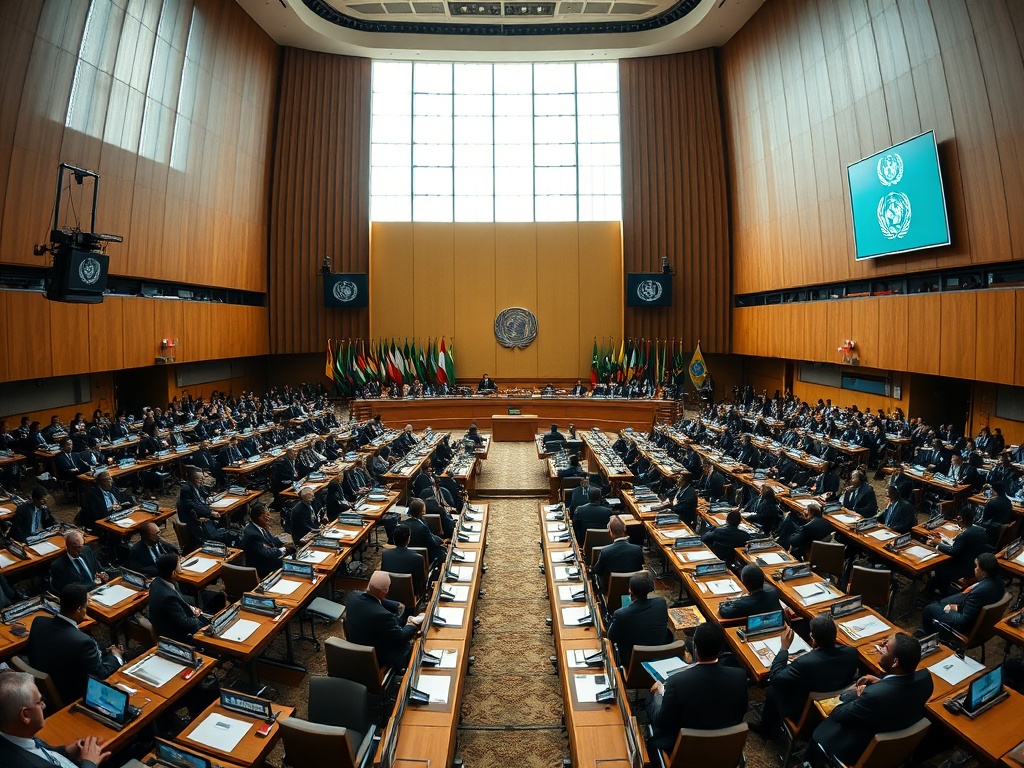
Africa Adopted the Addis Ababa Declaration and Exposed a Broken Financing System
On May 1, 2026, more than 1,500 participants from 48 countries closed the Twelfth African Regional Forum on Sustainable Development with a document carrying more political than financial weight: the Addis Ababa Declaration on 'Turning the Tide'. Ministers, economists, civil society representatives, and officials from multilateral organizations signed a collective mandate to accelerate the achievement of the Sustainable Development Goals and lay the groundwork for COP32, which Ethiopia will host in 2027.
 Gabriel Paz9 min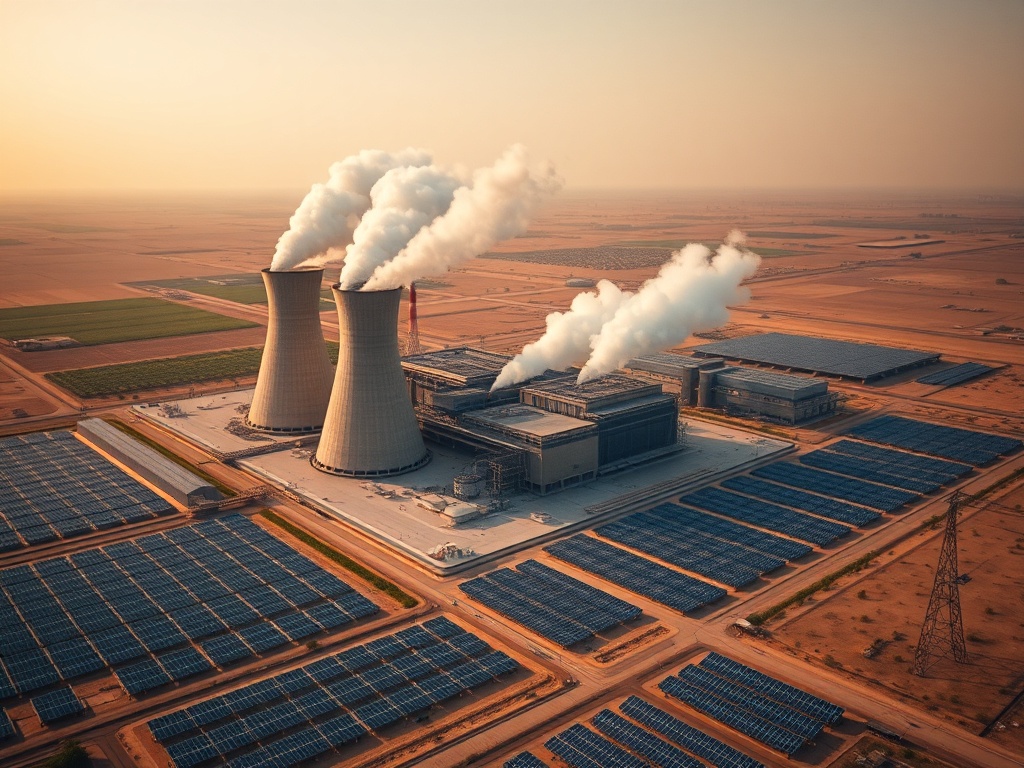
India Burns More Coal While Promising Clean Energy
The world has grown accustomed to the contradictions of major emerging powers, but the one India presents deserves special executive attention. The country has one of the most ambitious renewable energy programs on the planet: 500 gigawatts of non-fossil capacity by 2030, with renewables already surpassing 50% of total installed capacity. At the same time, coal generates around 75% of the electricity consumed by 1.4 billion people.
 Elena Costa6 min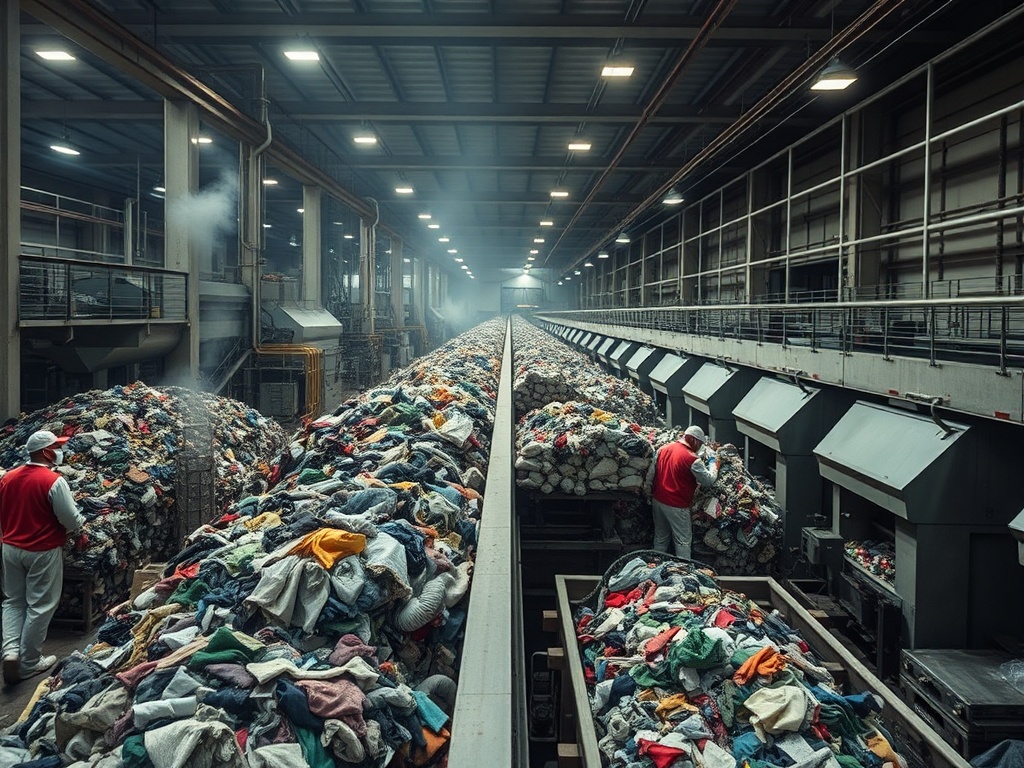
Recycling Polyester at Industrial Scale Is No Longer Just a Promise
Europe generates more than five million tonnes of textile waste every year. Most of it ends up in landfills or incinerators. Not because the technology to process it is lacking, but because turning it into useful raw material at a commercially viable cost had proven impossible to demonstrate beyond the laboratory. Until now.
Elena Costa6 min
645 Fewer Stores and a Bet Few See Coming
7-Eleven isn't retreating: it's auditing its own value chain and eliminating what doesn't sustain it. The question no retail executive should ignore is what to do with assets that drain margin without contributing anything in return.
Lucía Navarro7 min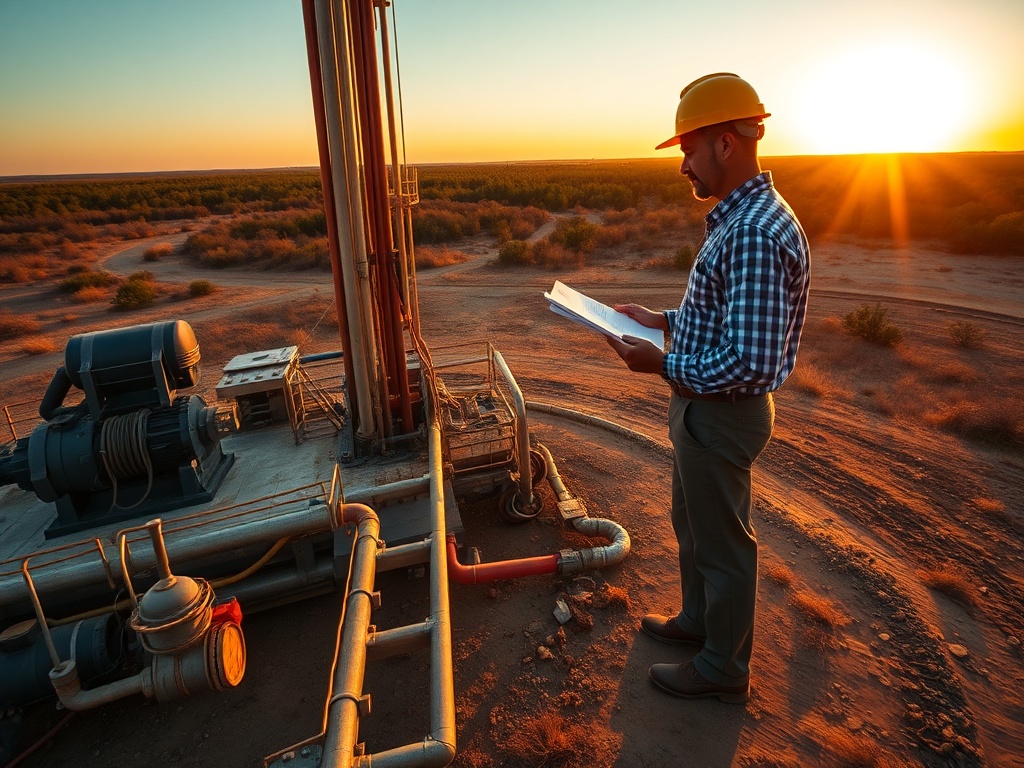
Hiring a Former Department of Energy Official Doesn't Save a Project: It Legitimizes It in the Eyes of Capital
T5 Smackover Partners didn't hire executives to operate better: they hired them to appear fundable. There is an enormous difference between the two, and institutional capital knows how to tell them apart.
 Valeria Cruz7 min
The Social Capital That No Algorithm Can Replace in an Emergency
Jeremy Renner invests in post-accident emergency technology, unwittingly revealing a major blind spot in modern organizations: confusing data networks with trust networks.
 Isabel Ríos7 min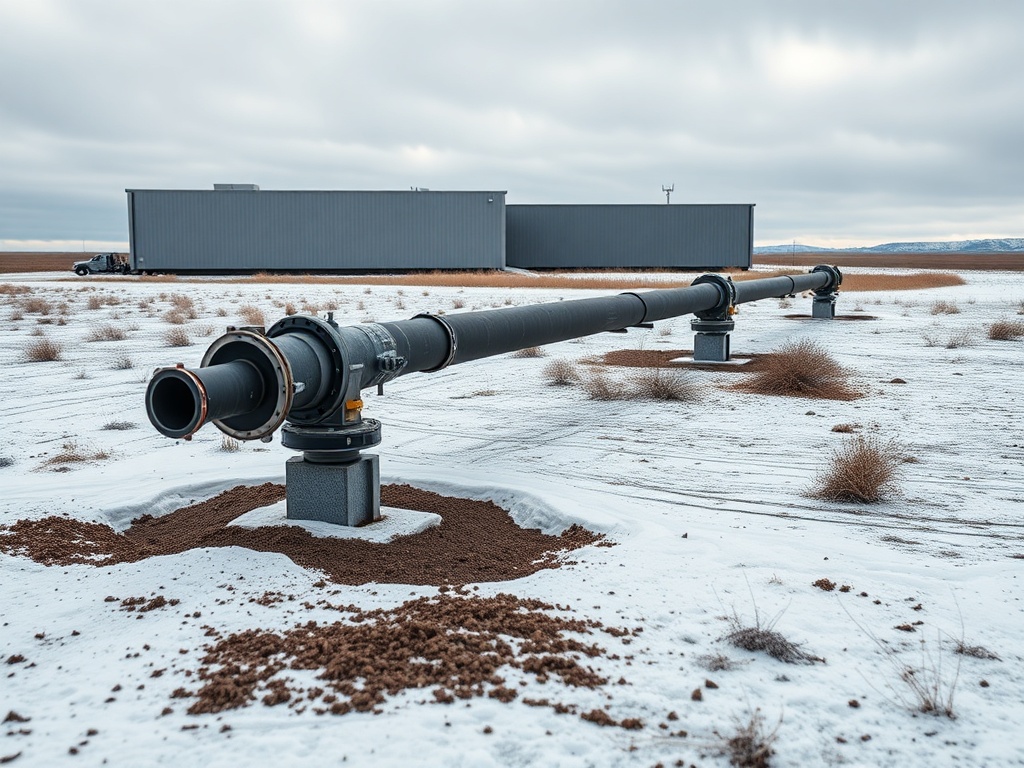
Four Million to Refine Lithium in Saskatchewan and What It Reveals About Innovation Management in Mining
EMP Metals has secured over $4.2 million in non-dilutive funding to demonstrate that Canadian lithium can reach batteries without going through Chile or Australia. The project's organizational design speaks volumes about managing innovation more than the funding amount itself.
 Ignacio Silva7 min
The Silent Collapse of Butterflies and the Cost No One is Accounting For
A 22% decrease in butterfly populations over two decades signals a financial alarm that agricultural balance sheets have yet to process.
Gabriel Paz7 min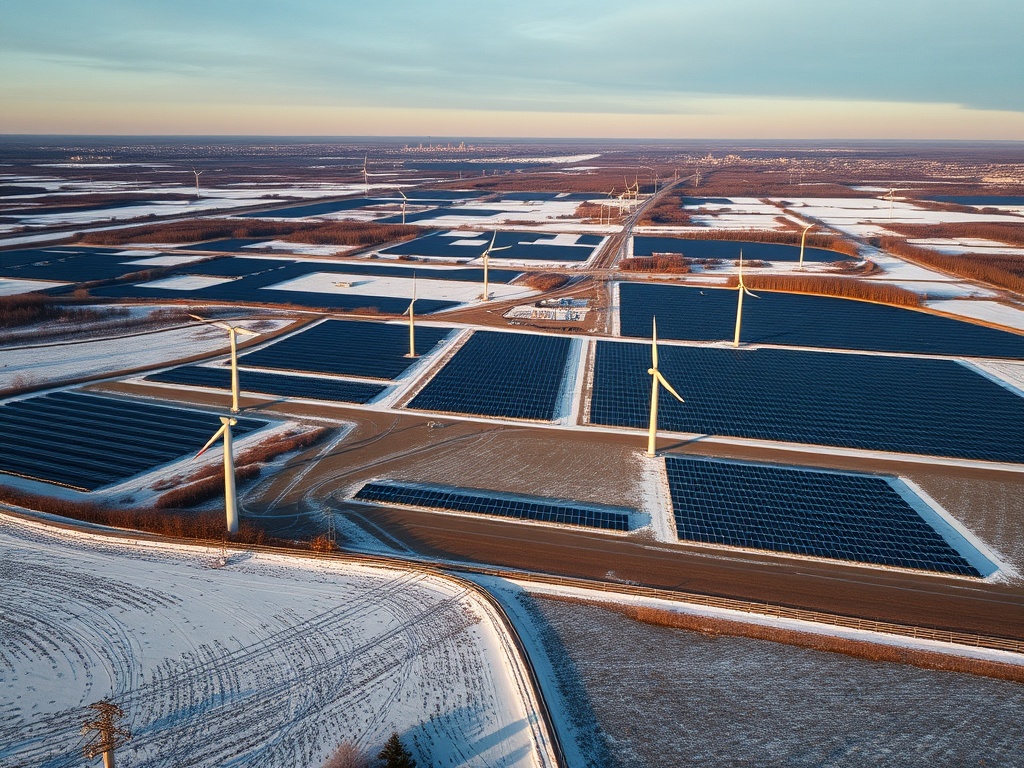
$226 Billion in Climate Action While the World Looked Away
As major pension funds eased their climate commitments under political pressure, La Caisse increased its climate action portfolio by $68 billion in just one year.
Elena Costa7 min
MIT Puts a Price on Ocean Acidification, and It’s Not Small
A MIT project aimed at removing CO2 from the ocean without chemical waste is not just climate science; it’s an honest audit of a $60 billion value chain.
 Martín Soler7 min
When Climate Scenarios Hide Who Foots the Bill
A recent study reveals that global emission models have implicitly assigned burdens and benefits for decades, raising governance issues.
Valeria Cruz7 min
Substance Use at Work: A Leadership Issue, Not HR’s Problem
One in three U.S. employees relies on substances at work to cope with stress. Leadership needs to address the cultural issues behind this trend.
 Simón Arce7 min
Two Million Dollars Buried Under Ice and No Safety Net to Cushion the Fall
The winter storm that destroyed 80% of the oyster harvest in Long Island was not just a climatic event; it revealed an industry built on structural isolation.
Isabel Ríos7 min
The Man Who Transformed Water into Competitive Advantage
Adriano Goldschmied passed away on April 5, 2026. What he left behind was not just a collection or a brand, but a production model that the denim industry took twenty years to fully understand.
Gabriel Paz7 min