Where impact stops being discourse and enters the economic equation
We follow sustainability when it becomes capital structure, operating risk, institutional legitimacy, and an economic model capable of sustaining a solution beyond the press release.
What we are watching
Energy, critical resources, biodiversity, industrial transition, climate finance, and decisions where impact has to become financeable, measurable, and politically defensible.
Where it is being decided
In permits, financing, extractive chains, regulation, environmental costs, and in the difficulty of turning systemic urgency into a business or an infrastructure that can hold.
Why it matters
Because sustainability is not only a moral intention. It is also the question of who pays, who captures value, which risks get transferred, and which solutions can move from ideal to execution.
Featured
Sustainability

Why Volkswagen Turned Its Daughter's Pressure Into a Business Thesis
There is a scene that Dirk Voeste, Volkswagen's chief sustainability officer, repeats in interviews because it still weighs on him. Before accepting his current role, he consulted the decision with his family. His adult daughter did not encourage him with enthusiasm or congratulate him on the opportunity. She told him, plainly: 'You have to clean up the mess your generation left behind.'
 Elena Costa9 min
Latest articles
Udaipur Turned Its Landfill into an Energy Factory, and the Model Reveals Something Deeper
In February 2021, a city in Rajasthan transformed an abandoned dump into a biomethanization plant capable of processing 20 tonnes of organic waste per day. The result was not merely compressed gas for kitchens and vehicles. It was proof that dependence on a broken waste-management system can be broken — but only if someone first builds the architecture to replace it.
Luceco and the Bet Analysts Can No Longer Ignore
Deutsche Bank has just done something the markets have been waiting for: putting in black and white what Luceco's numbers have been hinting at for two years. On 8 September 2026, the bank upgraded its rating on the company from hold to buy and raised its price target from 260 pence to 270. It is not a dramatic move in absolute terms. What matters is not the ten-pence jump, but what that adjustment reveals about how the value architecture of a company that until recently was seen primarily as an electrical accessories manufacturer is being re-read.
Varaha and the Agricultural Carbon Market: Where the Money Is and Where the Friction Lies
When a startup founded in 2022 already operates in five countries, invoices over 100 million rupees, and sells carbon credits to Google, Microsoft, and Nestlé, the first thing an analyst does is separate the narrative from the mechanism. The story of Varaha, winner of the ET Startup Award 2026 in the Social Enterprise category, has all the ingredients of a clean case study: measurable impact, top-tier clients, accelerated revenue growth. But it also has the architecture of a business where product integrity depends on variables that never appear in the pitch deck.
Why Banning ESG Funds from Children's Accounts Reveals More About Power Than Sustainability
The US Treasury Department has just drawn a line that goes far beyond a technical fund eligibility decision. On August 20, 2026, the administration published proposed regulations governing permitted investments in the so-called 'Trump Accounts' — tax-advantaged savings accounts for minors created under the 'One Big Beautiful Bill' Act. The rule does two things at once: it sets an extraordinarily low fee cap of 0.1% annually on invested balances and explicitly excludes any fund linked to environmental, social and governance criteria.
Most Popular
Most voted on this page
When Capital Decides Whether Sustainability Is Company Policy or Report Decoration
There is one indicator that few companies want to audit out loud: where the money goes when no one is watching the press releases. Not the money in sustainability reports, but the funds approved by the investment committee on a Tuesday afternoon, when the most profitable project over twelve months competes against one that cuts emissions by 30% but takes three years to mature. That moment — that crawl between stated intention and concrete decision — is where strategy separates from cosmetics.
92
When Abu Dhabi Finances the Refinery That Must Cease to Be One
There is a well-constructed paradox at the heart of the deal that Essar Energy Transition Fuels and IRH Global Trading announced in June 2026. A company that carries the words 'energy transition' in its name is being financed by capital from one of the world's largest fossil fuel producers.
91
Why Drax Paid £548 Million for Cash Flows, Not Solar Panels
Last week, Drax Group finalised the acquisition of Bluefield Solar Income Fund for approximately £548 million in cash, equivalent to 92.574 pence per share, with a total enterprise value approaching £1.08 billion once the fund's debt is incorporated. The price represents a 28% premium over Bluefield's last closing price before the offer period began, though it sits 9% below the March net asset value. That seemingly minor detail encapsulates almost the entire logic of the deal.
89
Varaha and the Agricultural Carbon Market: Where the Money Is and Where the Friction Lies
When a startup founded in 2022 already operates in five countries, invoices over 100 million rupees, and sells carbon credits to Google, Microsoft, and Nestlé, the first thing an analyst does is separate the narrative from the mechanism. The story of Varaha, winner of the ET Startup Award 2026 in the Social Enterprise category, has all the ingredients of a clean case study: measurable impact, top-tier clients, accelerated revenue growth. But it also has the architecture of a business where product integrity depends on variables that never appear in the pitch deck.
88
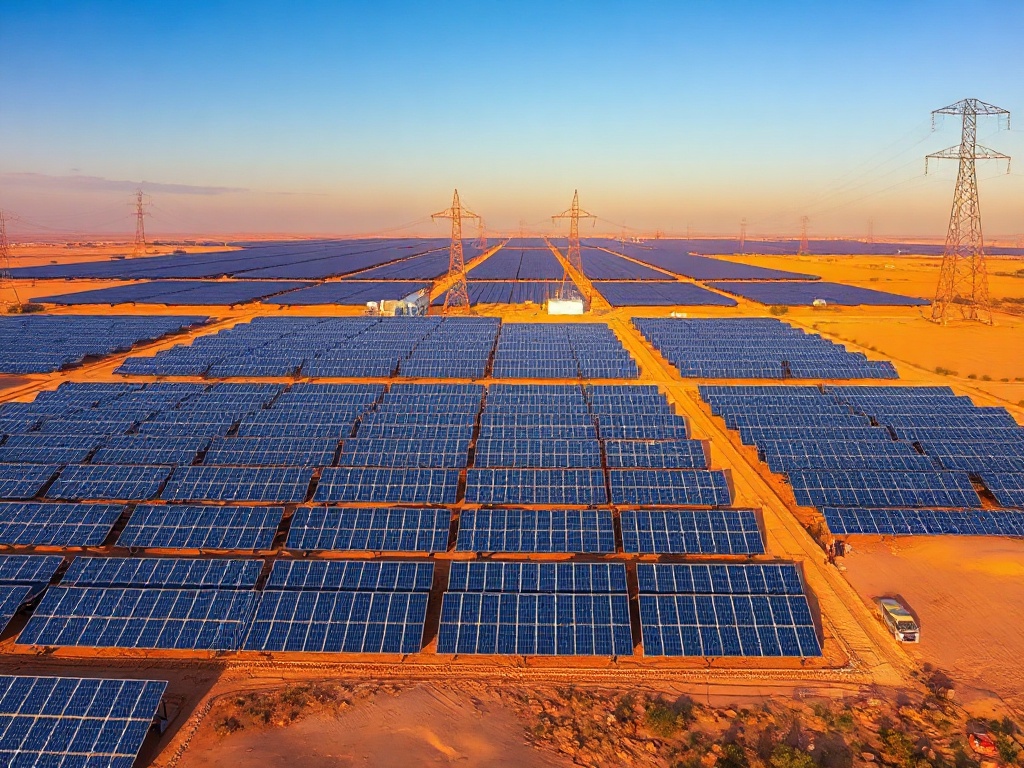
India Reaches 300 GW of Renewable Energy and Reveals Its Next Problem Is Not Generation
Crossing 60% of a national electricity capacity target four years ahead of schedule is no small achievement. On July 31, 2026, India surpassed 300.50 GW of installed non-fossil capacity, according to the Ministry of New and Renewable Energy. The figure includes 164.59 GW of solar energy, 58.14 GW of wind, 57.24 GW of hydropower, 11.75 GW of bioenergy, and 8.78 GW of nuclear.

Deep Oil and Energy Transition Form an Uncomfortable but Profitable Alliance
When Talos Energy announced on July 27, 2026 that it had signed a definitive agreement to acquire a 50% working interest in offshore Mexico Block 29, operated by Repsol, the immediate market reaction was modest but clear: the company's shares rose approximately 2.6% in after-hours trading. A small move in absolute terms, but one that signals something more interesting than simple price approval. What investors were reading was not just an asset transaction, but a strategic thesis about how scale is built in deepwater while the global energy sector navigates a contradiction it has yet to resolve.

When Capital Decides Whether Sustainability Is Company Policy or Report Decoration
There is one indicator that few companies want to audit out loud: where the money goes when no one is watching the press releases. Not the money in sustainability reports, but the funds approved by the investment committee on a Tuesday afternoon, when the most profitable project over twelve months competes against one that cuts emissions by 30% but takes three years to mature. That moment — that crawl between stated intention and concrete decision — is where strategy separates from cosmetics.
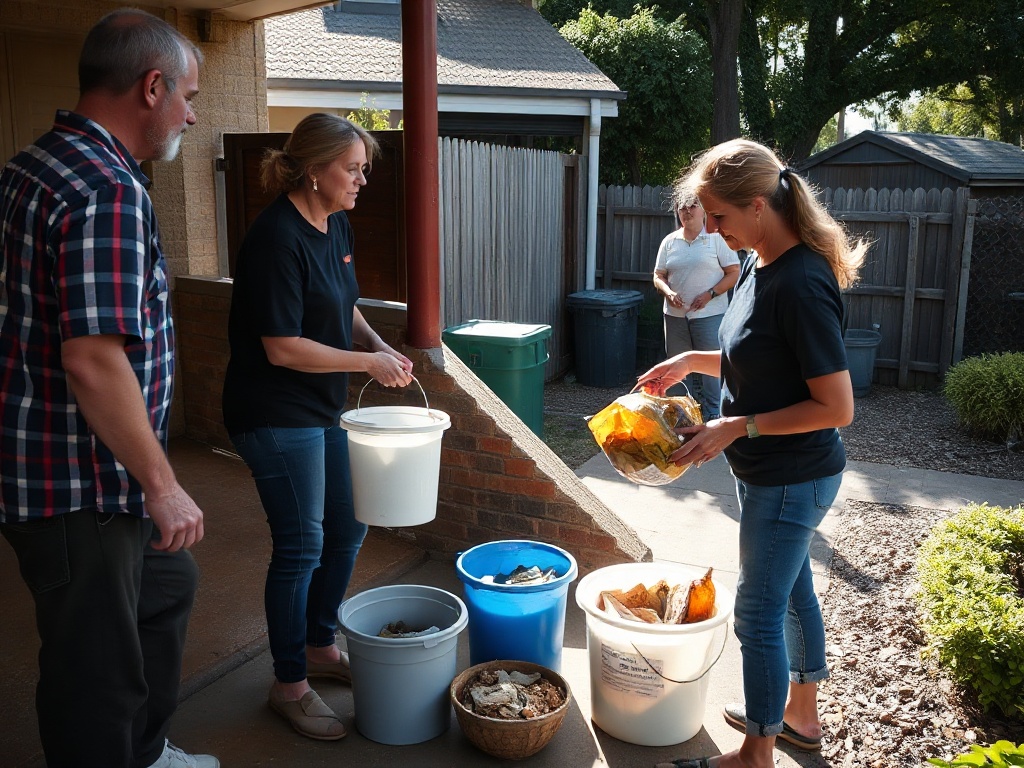
Why Community Composting Threatens the Municipal Organic Waste Business
In Castlemaine, a town of 10,000 residents in central Victoria, Australia, a group of volunteers has built — without any public funding — an organic waste collection system covering more than 650 households, processed nearly 50,000 buckets of kitchen and garden waste, and generated enough political pressure to cause the local council to stall the implementation of a mandatory government program. This is not a story about environmental activism. It is a story about who controls the flow of a resource that state governments and large waste management companies are beginning to value in terms of contracts, margins, and market position.
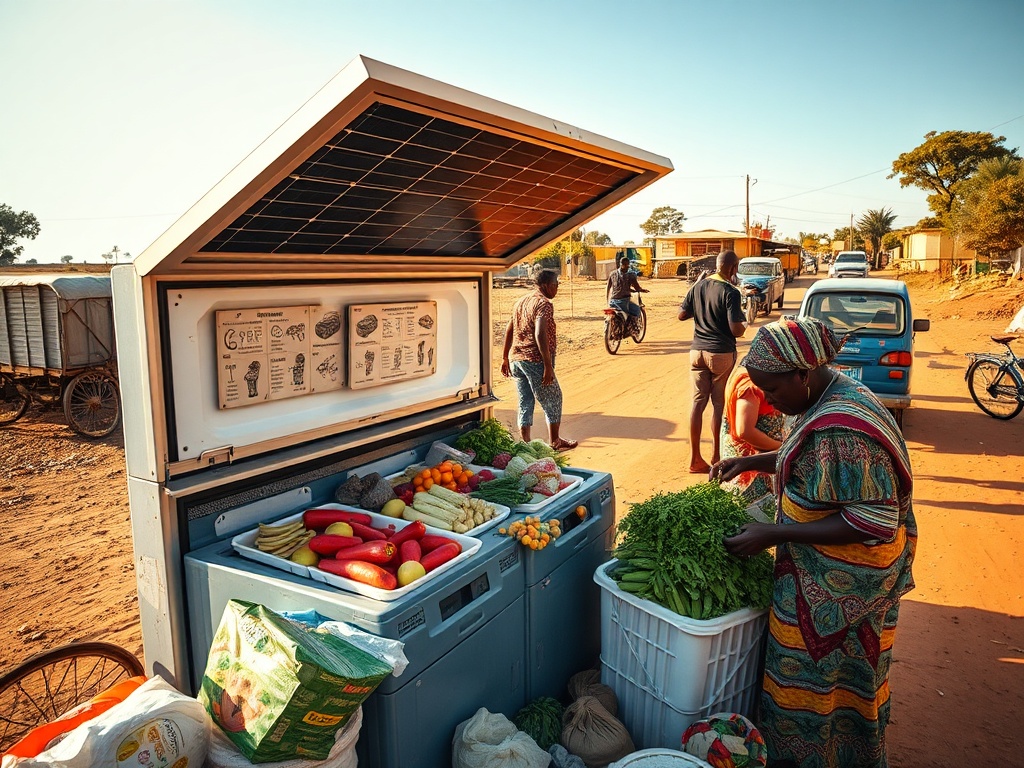
Climate Technology Already Works. What's Failing Is the System to Scale It
During the latest edition of London Climate Action Week, something shifted in the tone of conversations. Less appetite for announcements, more demand for measurable results. The field has spent years celebrating prototypes, pilots, and funding rounds with the same energy once reserved for actual deployments.
FAQ
Sustainability
What kind of sustainability is being read here?
Sustainability is read as a whole: environmental, social, economic, and institutional. It matters most where those dimensions intersect with capital, risk, infrastructure, legitimacy, and business design, because that is where a solution proves whether it can hold over time.
Why is this category not limited to climate or energy?
Because sustainability also reaches biodiversity, strategic resources, institutional legitimacy, supply chains, and the ability to finance a transition without breaking other layers of the system.
What makes a sustainability story convincing in this section?
Clarity about the relationship between impact, financing, execution, and power. A solution matters more when we understand who legitimises it, who pays for it, and what structural friction it still has to cross.

The green fund that financed the Iberian lynx is now fighting to survive in Brussels
Since 1992, the LIFE programme has funded more than 6,000 environmental projects across the European Union, mobilised over 12 billion euros in investment, and contributed, among other achievements, to growing the Iberian lynx population from just 62 individuals in 2001 to more than 2,000 in 2024. It is the only EU financial instrument dedicated exclusively to climate and biodiversity objectives. And now it is at risk of disappearing as such.
 Lucía Navarro9 min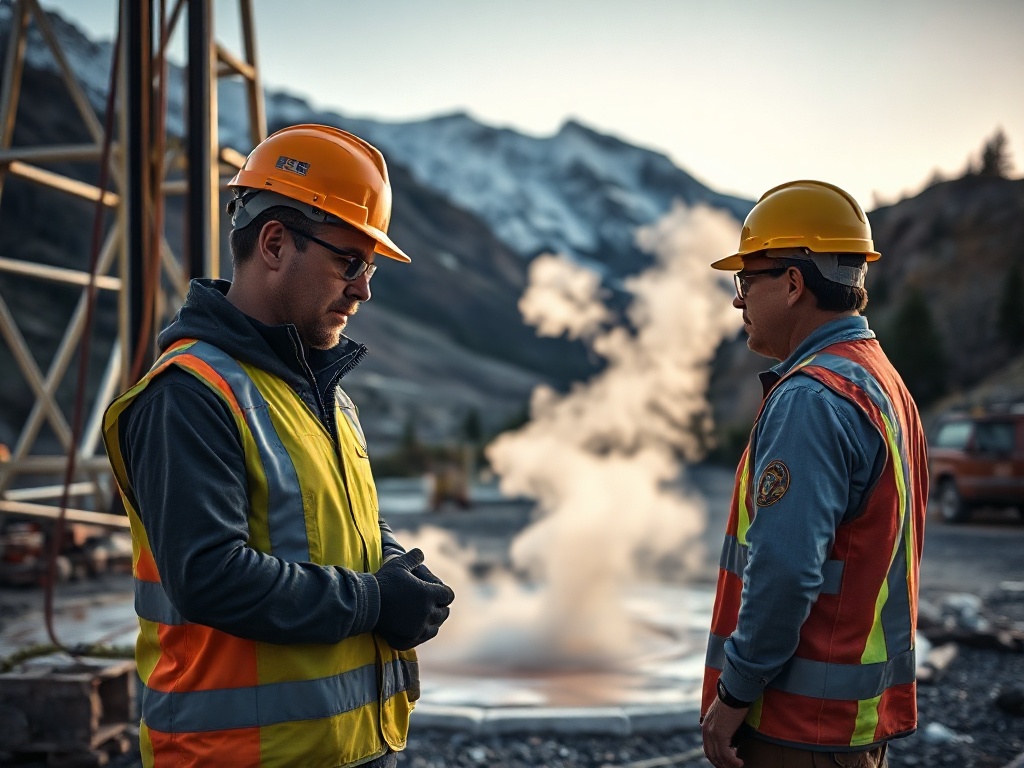
Why Petroleum Engineering Could Make Geothermal Viable Where Money Still Hesitates
There is a specific moment in the careers of certain petroleum engineers when geology stops being a technical problem and becomes a moral question. Mike Matson, now CEO and co-founder of Birch Geothermal, says he experienced it while working as a drilling and reservoir engineer at Kinder Morgan. He called it a 'climate awakening'.
 Simón Arce9 min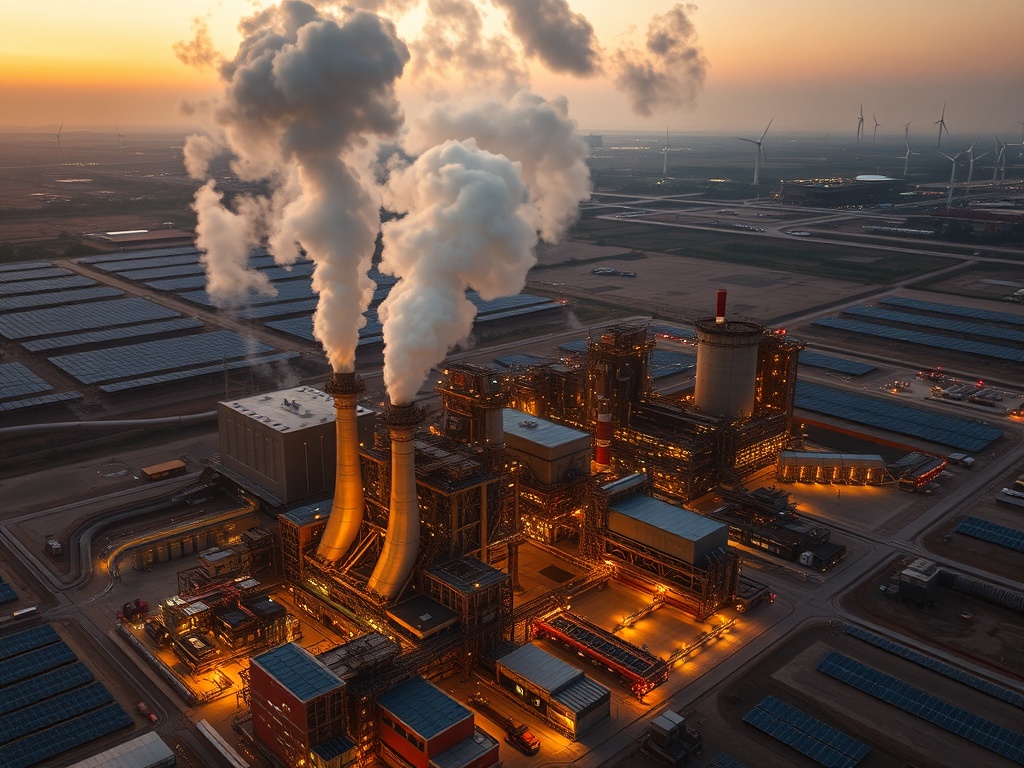
Why India's Energy Transition Is Fracturing Along Its Own Supply Chain
India has spent more than a decade building the narrative of a great energy transformation. Installed renewable capacity figures advanced so quickly that the country reached its target of 50% non-fossil capacity five years ahead of schedule. But there is a crack those headlines never covered: non-fossil electricity generation remains stuck at around 25% of the total, and the industrial sector that manufactures the materials used to build that renewable infrastructure remains one of the country's most polluting engines.
 Diego Salazar9 min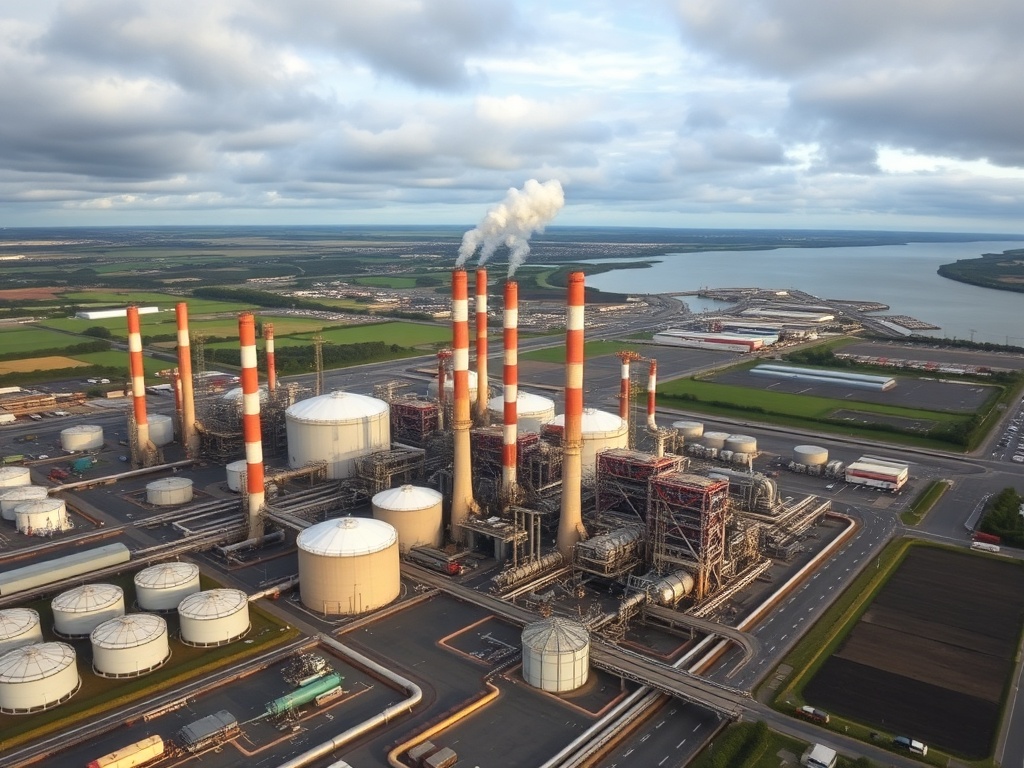
When Abu Dhabi Finances the Refinery That Must Cease to Be One
There is a well-constructed paradox at the heart of the deal that Essar Energy Transition Fuels and IRH Global Trading announced in June 2026. A company that carries the words 'energy transition' in its name is being financed by capital from one of the world's largest fossil fuel producers.
 Gabriel Paz9 min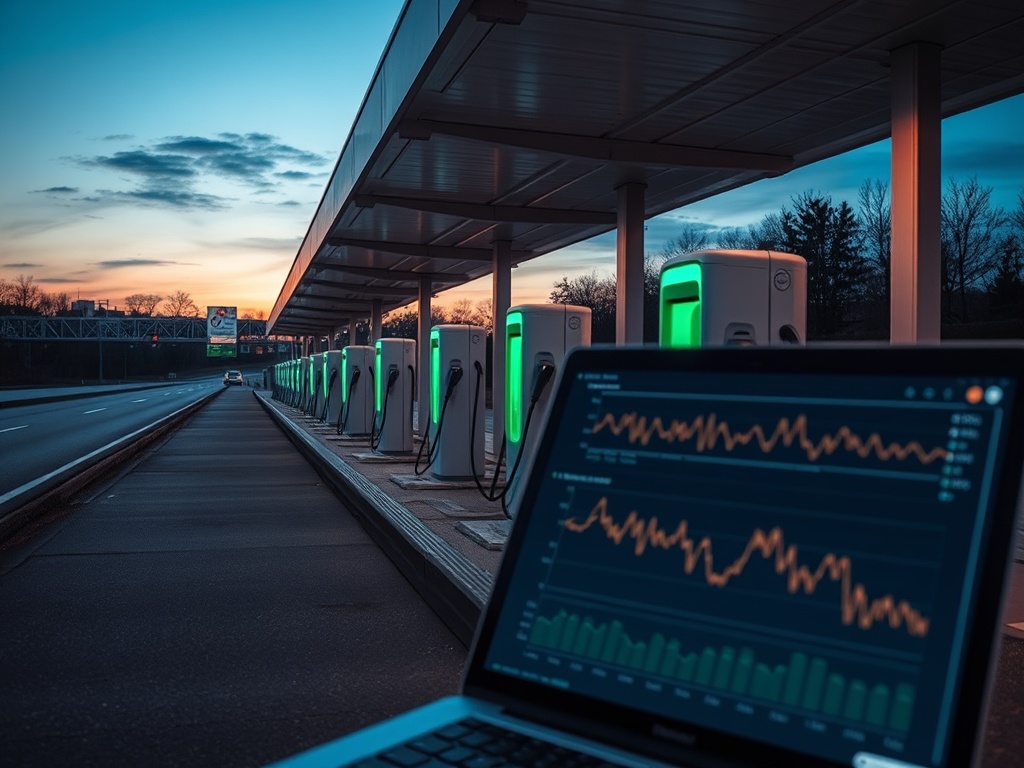
AI Agents in Electric Vehicle Chargers and the Security Problem Nobody Solved First
The growth of electric vehicle charging infrastructure has a fundamental problem that rarely makes headlines: every new charger installed is also a new entry point into the power grid. A team of researchers from the University of Malaga has just published a proposal that puts that problem on the table more clearly than any manufacturer or European regulator statement in recent years.
Elena Costa9 min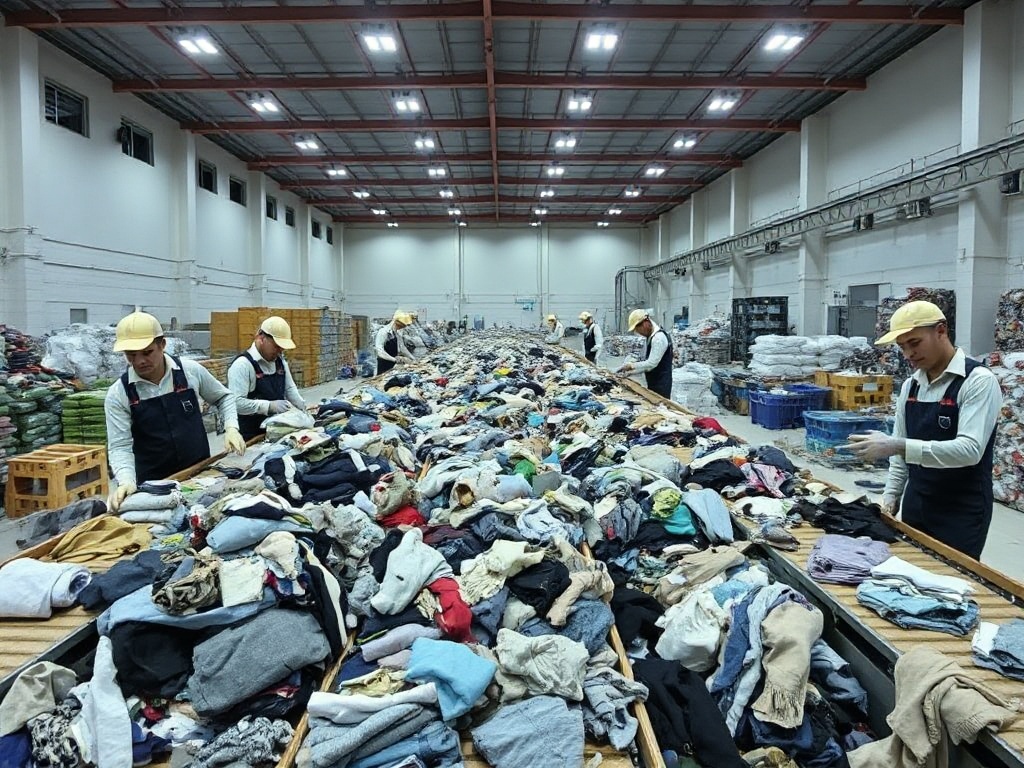
Naseej and the UAE's Bet on Turning 220,000 Tonnes of Waste into Valuable Architecture
Fabric doesn't disappear when you throw it away. It accumulates. The United Arab Emirates generates approximately 220,000 tonnes of discarded textiles every year, a volume that until very recently flowed mostly to landfill with no national framework to intercept it. That changes with Naseej, the country's first integrated textile circularity initiative, launched in June 2026 under a presidential directive during an event held at Yas Mall in Abu Dhabi.
Lucía Navarro8 min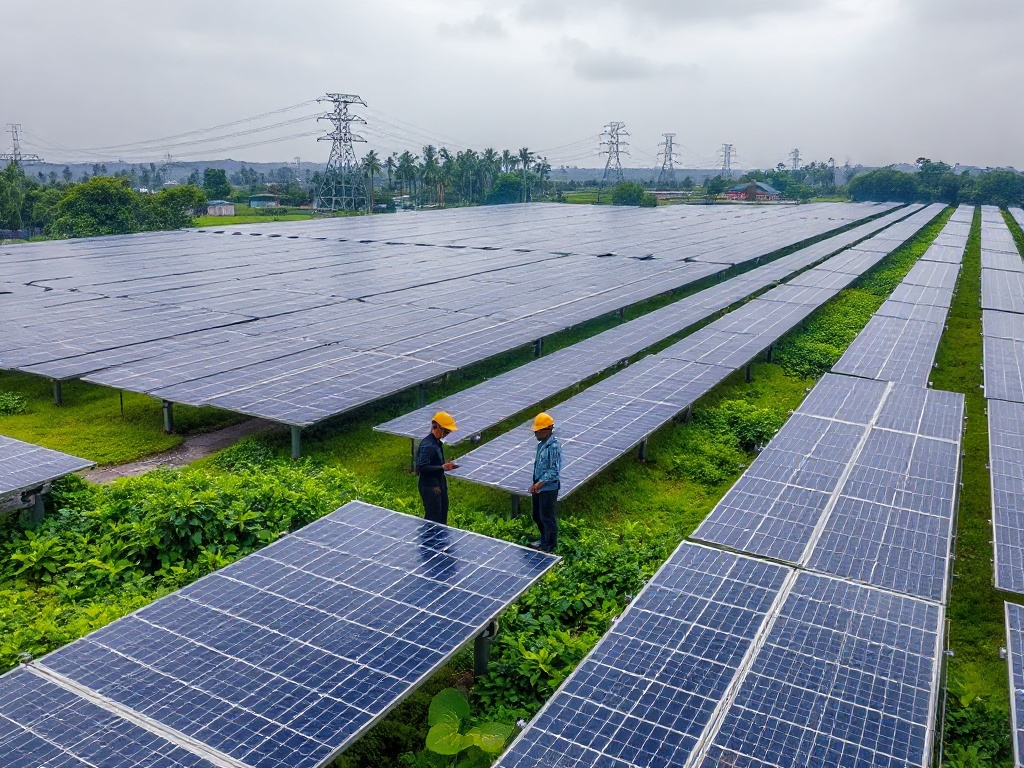
Malaysia's Electric Sector and the Capital Bet That the Green Narrative Has Yet to Prove
BIMB Securities Research published this week its positive outlook on Malaysia's utilities sector, arguing that the combination of resilient electricity demand, grid investments, and the government's energy transition agenda offers a solid growth case for the coming quarters. The reading is optimistic and, in terms of alignment with public policy, makes sense. But the interesting story lies not in the consensus the report builds, but in the structural frictions the narrative omits.
Diego Salazar8 min
Lavazza Bets €1 Billion in the U.S. with a Capsule-Free Coffee Tablet
Keurig's coffee maker has been installed in American kitchens for over a decade as if it were part of the furniture. The K-Cup is convenient, compatible with dozens of brands, and available at Target, Walmart, and practically every corporate break room in the country. Against that backdrop, Lavazza has just announced it will launch its own single-serve system in the United States in August 2026.
 Mateo Vargas9 min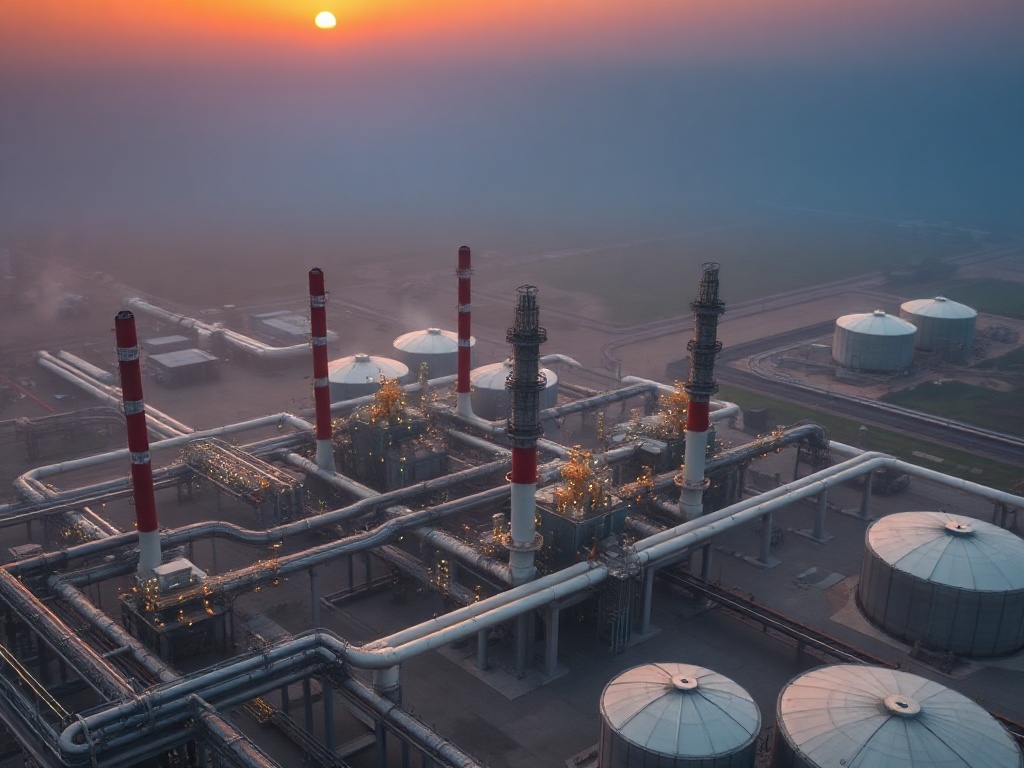
India Imports 90% of Its Oil and That Is No Longer Just a Supply Problem
There comes a moment when dependence stops being a manageable condition and becomes a structural vulnerability. For India, that moment has already arrived. The country imports around 90% of the oil it consumes, and persistent tensions in West Asia have ceased to be an abstract geopolitical risk and become a variable with direct consequences for the current account, inflation, and the fiscal stability of the state.
Gabriel Paz8 min
Dior Bets on Training Leaders Who Understand What Their Own Products Are Made Of
There is a structural problem that few luxury brands have been willing to name clearly: for decades, sustainability was managed by a small, specialized, and in practice peripheral team. The rest of the organization — designers, buyers, logistics teams, retail managers — operated with a different vocabulary, different metrics, and a different hierarchy of urgencies. The result was not bad intentions. It was an organizational architecture that produced environmental commitments that never quite made it to the ground.
 Valeria Cruz8 min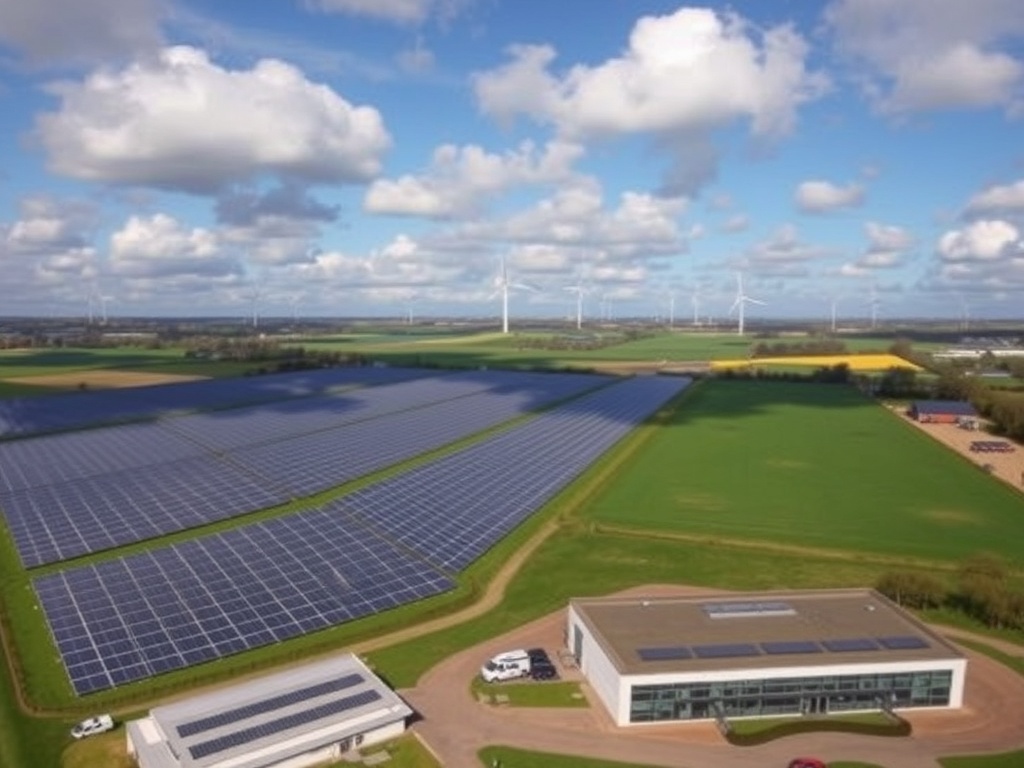
Why Drax Paid £548 Million for Cash Flows, Not Solar Panels
Last week, Drax Group finalised the acquisition of Bluefield Solar Income Fund for approximately £548 million in cash, equivalent to 92.574 pence per share, with a total enterprise value approaching £1.08 billion once the fund's debt is incorporated. The price represents a 28% premium over Bluefield's last closing price before the offer period began, though it sits 9% below the March net asset value. That seemingly minor detail encapsulates almost the entire logic of the deal.
Mateo Vargas7 min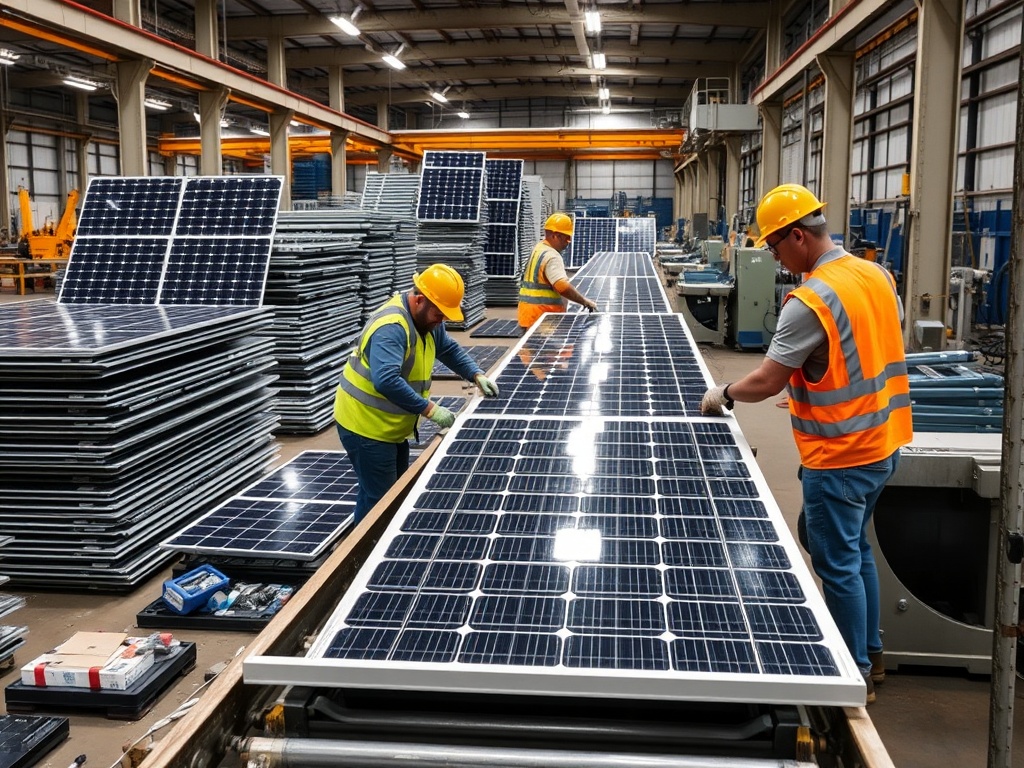
Australia Invests $17.8 Million to Recycle Solar Panels Before the Problem Becomes Unmanageable
Western Australia has spent years leading residential rooftop solar adoption. That, which sounds like a success story of the energy transition, has just revealed its less comfortable side: when you install panels at massive scale, you are also scheduling a wave of waste that will arrive with clockwork precision. The Western Australian government has just announced an investment of 17.8 million Australian dollars in the Remade in WA program, and the most surface-level reading describes it as an environmental initiative.
Lucía Navarro9 min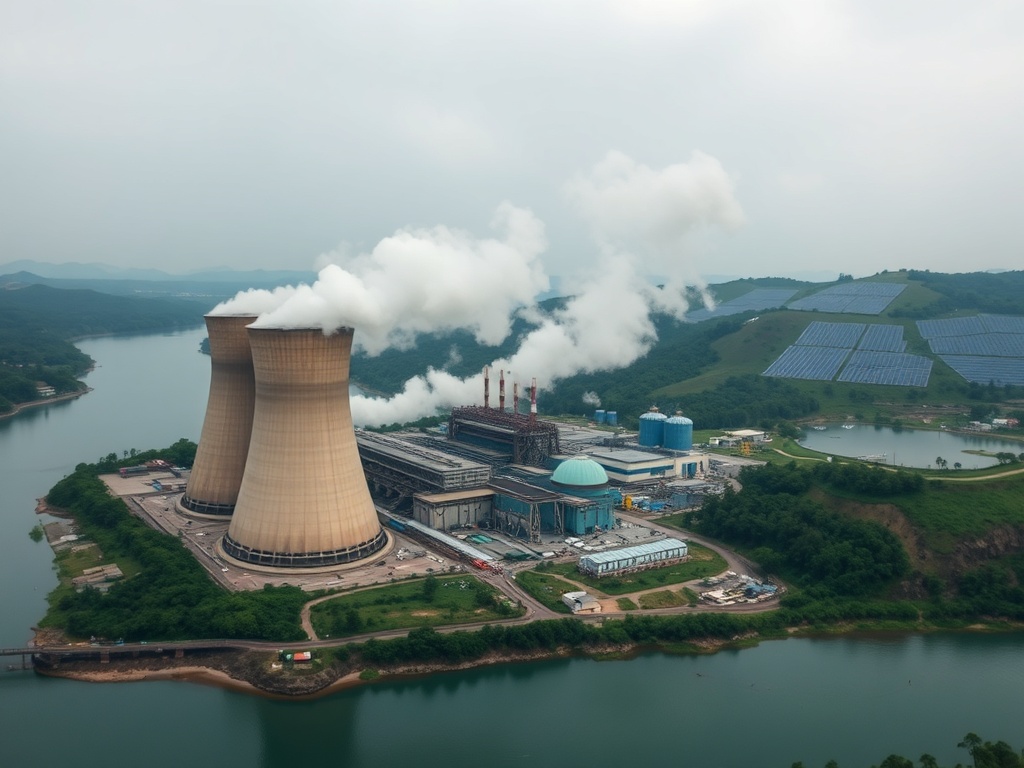
Why the Big Energy Transition Deals in Southeast Asia Are Failing to Take Off
In November 2021, in Glasgow, G7 governments and the European Union unveiled what they described as a new architecture for climate finance: the Just Energy Transition Partnerships. The idea was ambitious in its design. Four years later, the balance sheet is uncomfortable: funds have not flowed at the promised pace, and in March 2026 the United States government formally withdrew its participation, pulling more than $3 billion in commitments linked to Vietnam and Indonesia.
Elena Costa9 min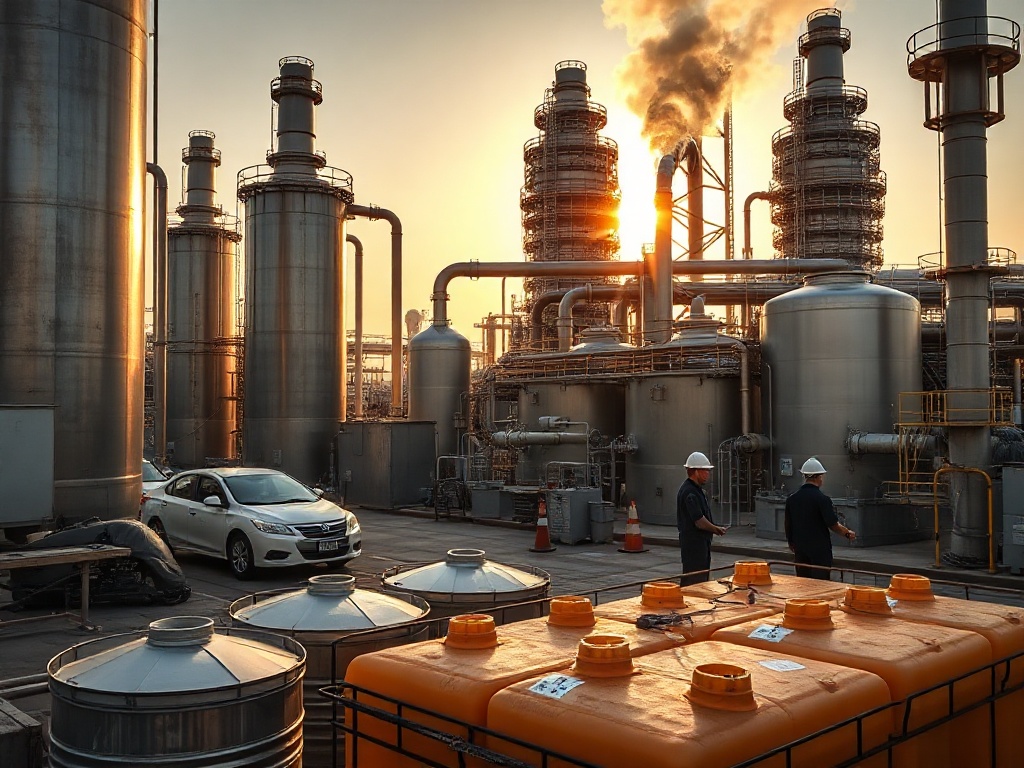
Repsol Turns Kitchen Waste into 200,000 Tons of Diesel Per Year
There is a logic that for decades seemed immovable in the oil industry: value lay in crude oil, in geology, in whoever controlled the subsoil. Repsol has just proven that this logic has visible cracks. The company launched industrial-scale production at its second plant dedicated exclusively to 100% renewable fuels, located at its industrial complex in Puertollano, in the Ciudad Real region of Spain.
Gabriel Paz9 min