Technologies that stop being promise and start moving industries
We follow technologies that change costs, push barriers aside, and alter who controls an infrastructure, a value chain, or a critical capability.
What we are watching
Quantum computing, orbital connectivity, advanced energy, robotics, biotechnology, and systems moving from the lab into the economy with a new relationship between cost and capability.
Where it is being decided
In infrastructure ownership, memory efficiency, spectrum access, available energy, and the point where a technical improvement changes the economics of the whole problem.
Why it matters
Because when a technology changes the cost of doing something or the speed of deploying it, it also changes who gets to compete, who is left out, and where new dependence appears.
Featured
Exponential Technologies

Fourteen universities, one circuit, and the question of who designs the next layer of computing
There is an image circulating in the official communications of NSF IMOD that is worth holding in mind for a moment before moving on to the numbers: a doctoral student teaching four younger researchers how to fabricate light-emitting diodes inside a chemical fume hood. It is not the center's director. It is not a tenured professor. It is Hannah Contreras, a student, transmitting cross-disciplinary knowledge in an intensive week-long course designed so that chemists can talk to electrical engineers and quantum physicists can talk to mechanical engineers. That image condenses something that press releases rarely articulate honestly: the architecture of who knows what, within what structure, determines what a research network can or cannot see.
 Isabel Ríos9 min
Latest articles
Malaysia negotiates its technological leap with 21 Chinese companies
On 23 September 2026, in Shanghai, Malaysian Prime Minister Datuk Seri Anwar Ibrahim sat down with 21 Chinese industry leaders to discuss semiconductors, artificial intelligence, robotics, electric vehicles, battery materials, advanced optics, biotechnology and specialised manufacturing. The meeting produced no consolidated figures or signed contracts. It produced something harder to evaluate: a map of where Malaysia wants to move and with whom it is prepared to move.
Maven Robotics raised $100 million without having a single physical robot
There is a scene that captures what Maven Robotics is building better than any investor presentation. It was 2024, the company had been in existence for a matter of weeks, and, in the words of its own CEO, Hamza Derbas, the only tangible thing they could show was "a cartoon of a robot and a team of people." A large-scale consumer goods company was in Silicon Valley meeting with four robotics firms to evaluate automation projects.
Why Analysts Are Betting on a Gearbox Maker Before the Robots Even Exist
There is a pattern that repeats every time an industry anticipates its own future: serious money does not flow to the final product, it flows to whoever manufactures the parts that product will need. That is what happened with semiconductors before the PC boom. Now, as images of humanoid robots circulate at tech fairs and conferences, four top-tier investment banks are pointing to a Chinese gearbox manufacturer that most readers have never heard of.
Why Manufacturing Without Robots Is No Longer a Financially Viable Option
There is a number worth reading twice: 542,000 industrial robots installed in factories during 2024, more than double the number installed a decade ago. This is not a trend statistic; it is a snapshot of a threshold already crossed. The global operational stock of industrial robots reached 4.66 million units, growing nearly 9% year-on-year, and the International Federation of Robotics projects that installations will exceed 575,000 units in 2025.
Most Popular
Most voted on this page
Why Analysts Are Betting on a Gearbox Maker Before the Robots Even Exist
There is a pattern that repeats every time an industry anticipates its own future: serious money does not flow to the final product, it flows to whoever manufactures the parts that product will need. That is what happened with semiconductors before the PC boom. Now, as images of humanoid robots circulate at tech fairs and conferences, four top-tier investment banks are pointing to a Chinese gearbox manufacturer that most readers have never heard of.
90
Neutral Atoms and the Race to Define the Quantum Computing Standard
There is a moment in any emerging technology where the question stops being 'whether it will work' and becomes 'who defines how it is built at scale'. For quantum computers, that moment is closer than most executives outside the tech sector believe, and the field where that battle is being fought is not the one that has received the most coverage.
89
Why Robot Diagnostics Are Worth More Than the Robots Themselves
The robotics industry has spent two decades promising the replacement of human labour at industrial scale. What nobody had resolved with sufficient seriousness is what happens after deployment: the moment the machine stops, production halts, and an engineer begins reading logs for entire days to find a fault that, more often than not, had already occurred before. Alloy Robotics, a company founded in Sydney just over a year ago, has just closed an $8 million round led by Square Peg at an $80 million valuation.
88
The Memory That Robots Still Lack Defines How Much the Ones You Already Bought Are Worth
There is a gap that most executives in logistics and manufacturing have not yet calculated. Their robot fleets see with millimeter precision, navigate with growing autonomy, and execute repetitive tasks with a consistency no human operator can match. But at the end of every shift, they forget everything.
88
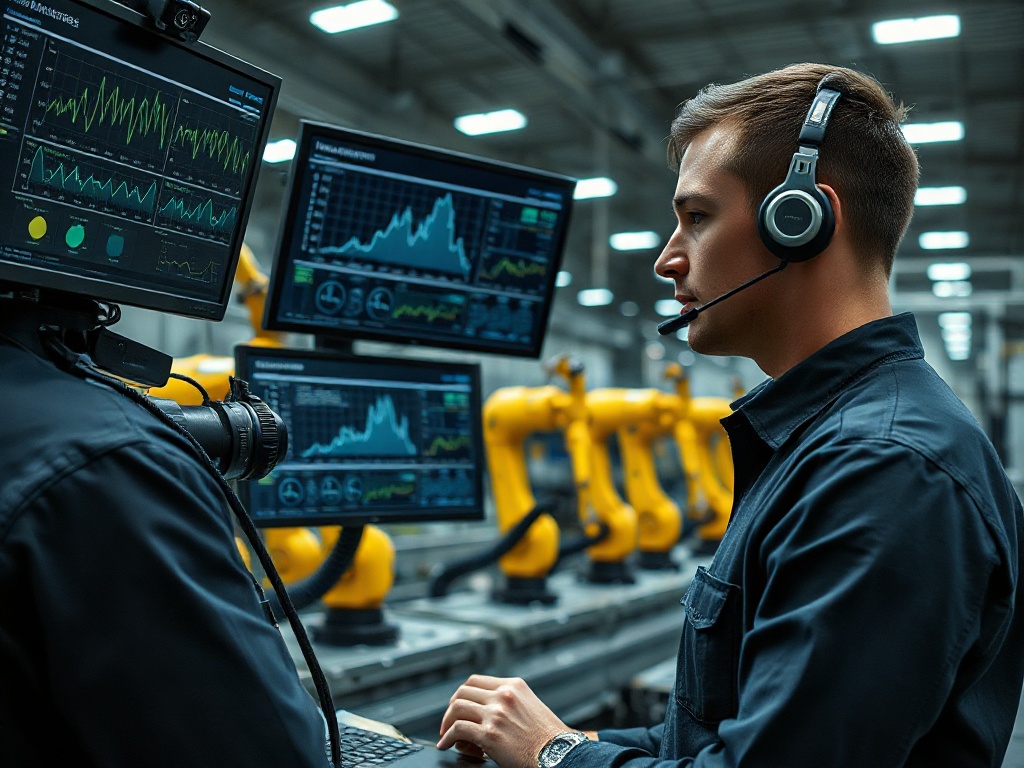
Why Robot Diagnostics Are Worth More Than the Robots Themselves
The robotics industry has spent two decades promising the replacement of human labour at industrial scale. What nobody had resolved with sufficient seriousness is what happens after deployment: the moment the machine stops, production halts, and an engineer begins reading logs for entire days to find a fault that, more often than not, had already occurred before. Alloy Robotics, a company founded in Sydney just over a year ago, has just closed an $8 million round led by Square Peg at an $80 million valuation.
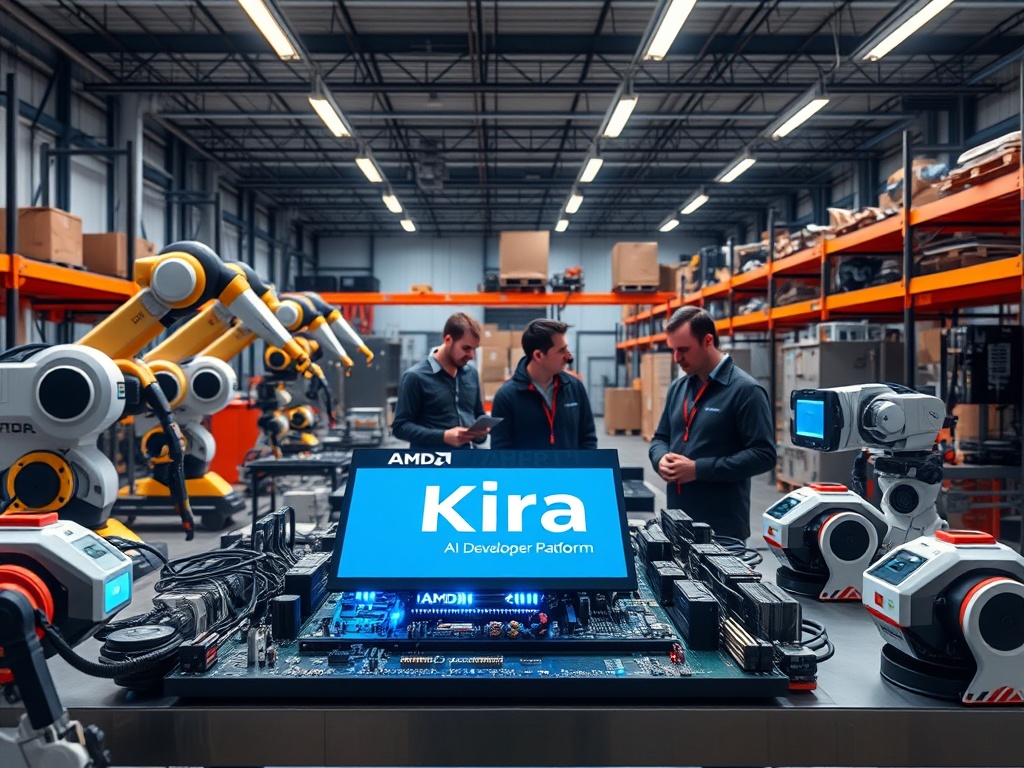
AMD Enters the Robotics Business with a Platform that Challenges Nvidia on Its Own Turf
Autonomous robotics has been promising an industrial-scale breakthrough for years — one that never quite arrives. Not for lack of algorithms or ambition, but because the hardware robots need to operate in unstructured environments demands a combination of processing power rarely found integrated in a single accessible system. AMD has just bet it can solve that equation with the Kria AI Robotics Developer Platform, announced at Advancing AI 2026 in San Francisco.
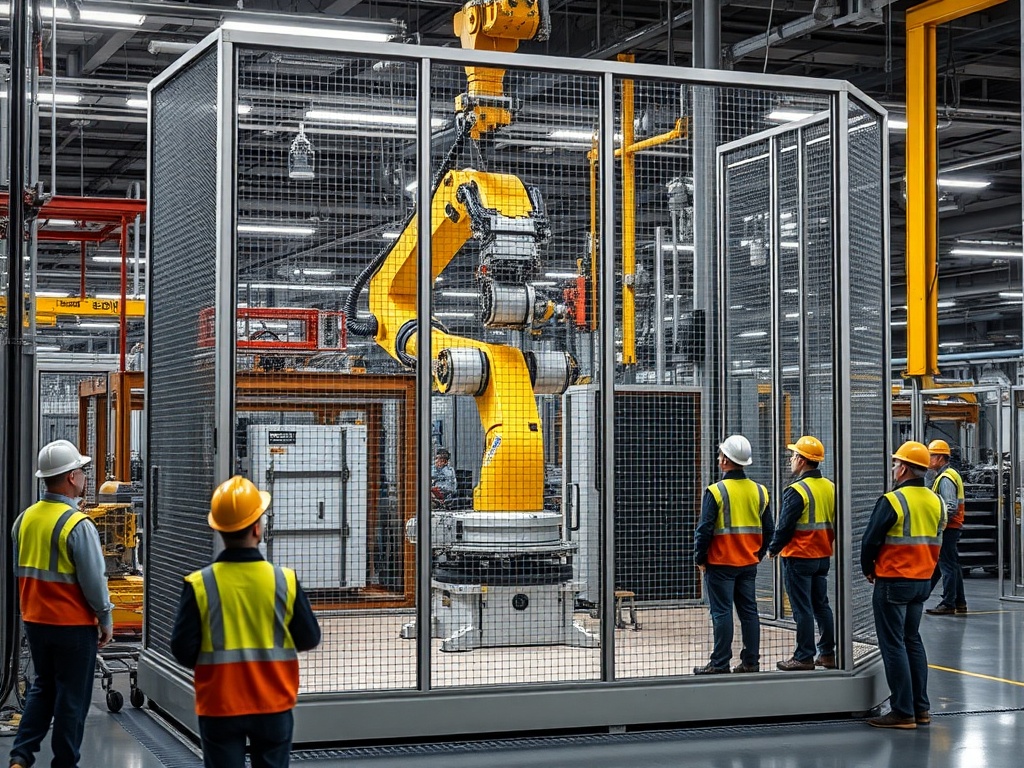
89% of Industrial Robots Are Still Caged and Artificial Intelligence Is Not the Solution
For decades, the image of the industrial robot has remained the same: a machine with powerful, fast metal arms, locked behind a steel cage while humans watched from the outside. That image is not a metaphor for backwardness. It is an engineering decision that persists because available safety systems have not been able to sustain anything else.
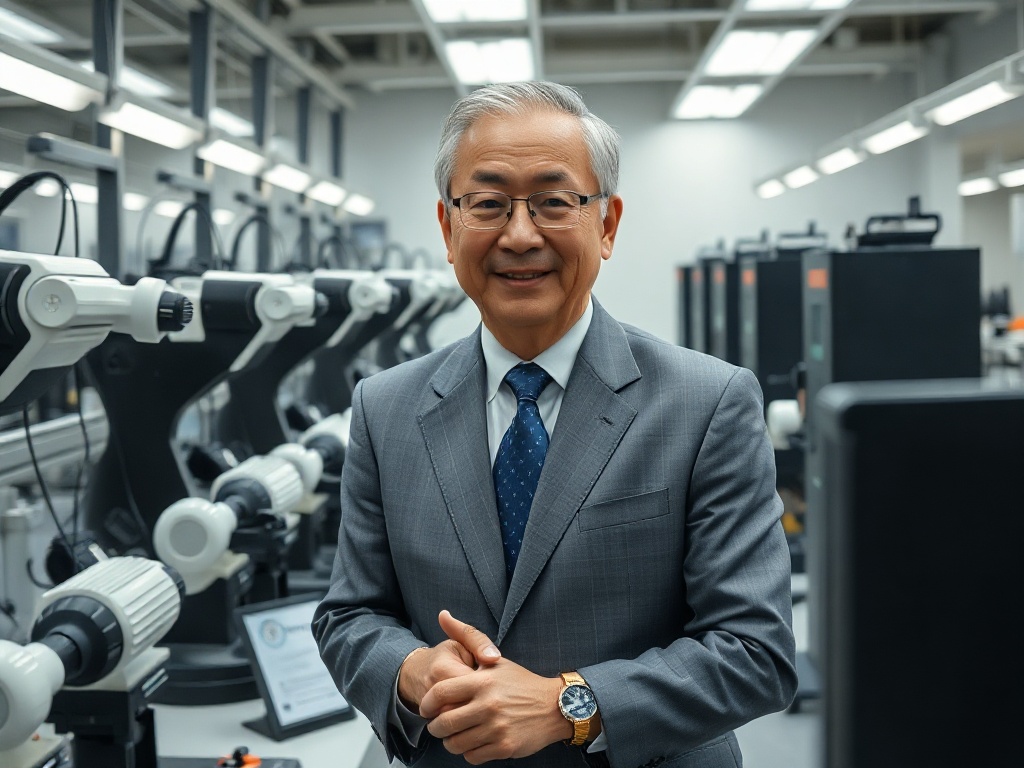
Why IEEE Gave Its Highest Honor to the Engineer Who Built the Global Architecture of Robotics
Toshio Fukuda has spent fifty years in this field. More than two thousand published papers. Modular robots that assemble like biological Lego pieces. When IEEE awarded him the 2026 Richard M. Emberson Award—one of the institute's highest honors—it wasn't recognizing a single invention. It was recognizing someone who, over decades, built the intellectual infrastructure on which modern robotics operates.

Cybersecurity in the Age of AI and Quantum Computing: Who Pays for the Transition
There is a pattern that repeats every time a technology changes the rules of the game fast enough: the first to absorb the cost are those with the least margin to do so. The convergence of artificial intelligence and quantum computing is following that pattern with uncomfortable precision. Attackers benefit from tools that reduce the time and cost of their operations.
FAQ
Exponential Technologies
When does a technology stop being a promise and start to matter?
When it improves capability, cost, or scalability enough to reorder a whole industry. The point is not novelty, but the moment when it changes the economics of the sector.
How is this category different from AI?
Here the technology itself is the centre of the analysis: energy, computing, space, biotech, or hardware. If the story is mainly about enterprise AI adoption, model control, or workflow change, it belongs in AI.
What are we looking for in these stories?
The point where a technical improvement stops being a curiosity and starts changing barriers to entry, structural costs, or positions of power.
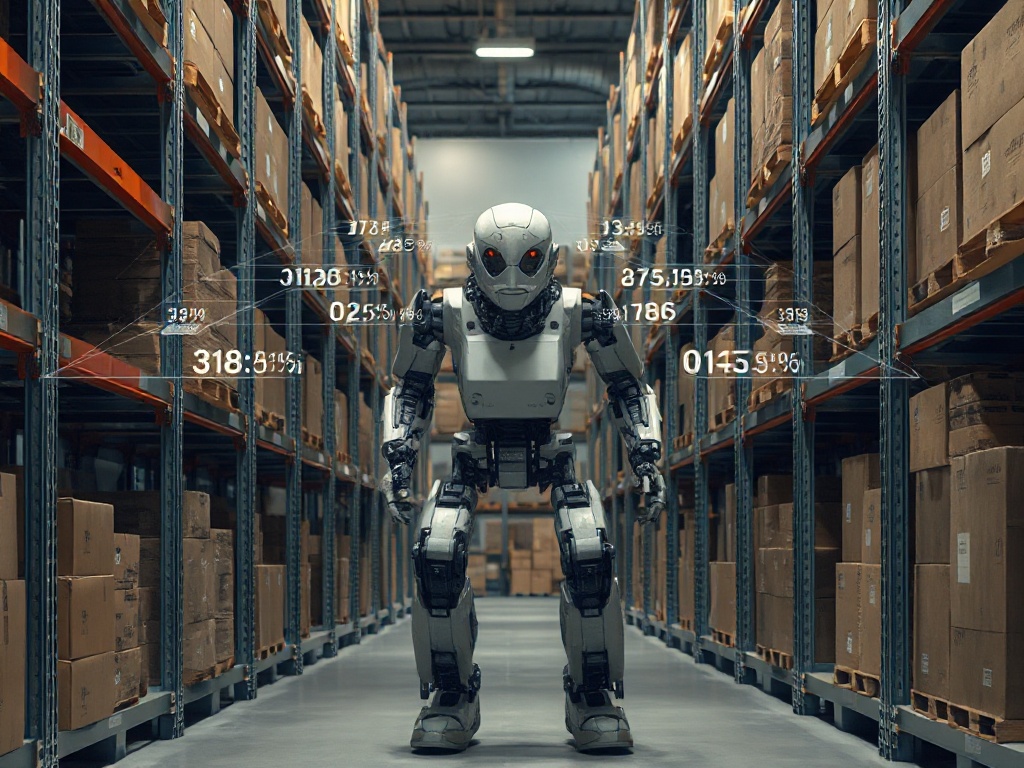
The Memory That Robots Still Lack Defines How Much the Ones You Already Bought Are Worth
There is a gap that most executives in logistics and manufacturing have not yet calculated. Their robot fleets see with millimeter precision, navigate with growing autonomy, and execute repetitive tasks with a consistency no human operator can match. But at the end of every shift, they forget everything.
 Andrés Molina8 min
Caring in Both Directions Is the Problem AI Still Hasn't Learned to Solve
There is a massive gap between what the artificial intelligence industry showcases in its demos and what families actually need when a parent is aging 500 miles away or an adult child with autism cannot quite live independently. That gap is not technological. It is a diagnostic one.
 Clara Montes7 min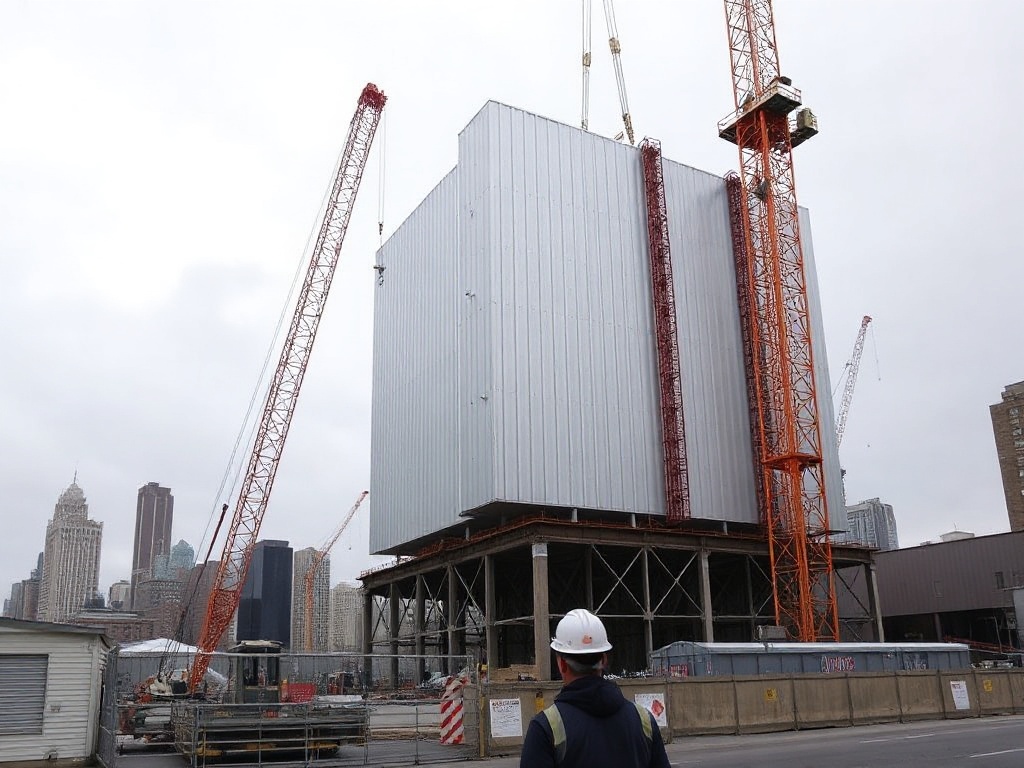
Chicago Bets $500 Million on Winning the Quantum Race Before a Clear Winner Exists
There is an image that captures well what is happening on Chicago's South Side: where steel furnaces from the U.S. Steel South Works complex once stood, cranes are now raising a 65,000-square-foot silver aluminum building. Inside, when ready, it will house what PsiQuantum describes as the largest intermediate-scale test system the company has ever built. Outside, Governor Jay Robert Pritzker calls all of this 'the next Silicon Valley'.
 Martín Soler9 min
Why Quantum Computing Is No Longer Just a Promise and Nobody Is Ready Yet
There is an enormous gap between knowing that something will change everything and actually moving as if that were true. Quantum computing has spent decades living in that limbo: real enough to appear in research budgets, distant enough not to disrupt any operational routine. That limbo is closing, and the majority organizational response remains the same as it was at the beginning: wait.
Andrés Molina9 min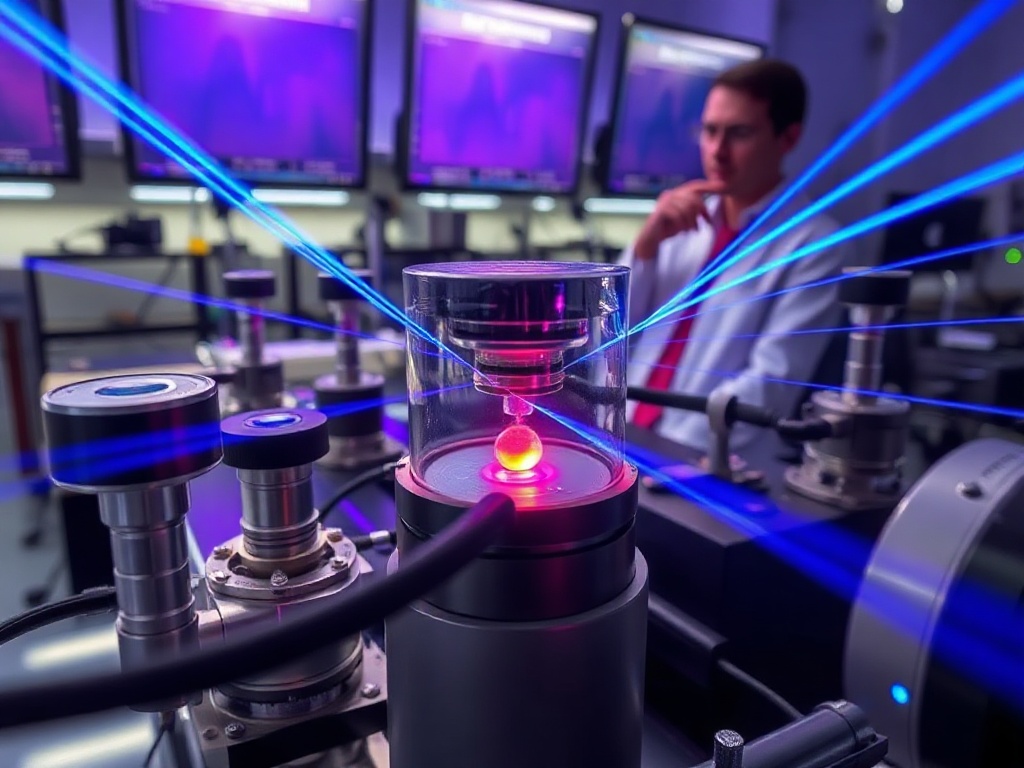
Neutral Atoms and the Race to Define the Quantum Computing Standard
There is a moment in any emerging technology where the question stops being 'whether it will work' and becomes 'who defines how it is built at scale'. For quantum computers, that moment is closer than most executives outside the tech sector believe, and the field where that battle is being fought is not the one that has received the most coverage.
Clara Montes9 min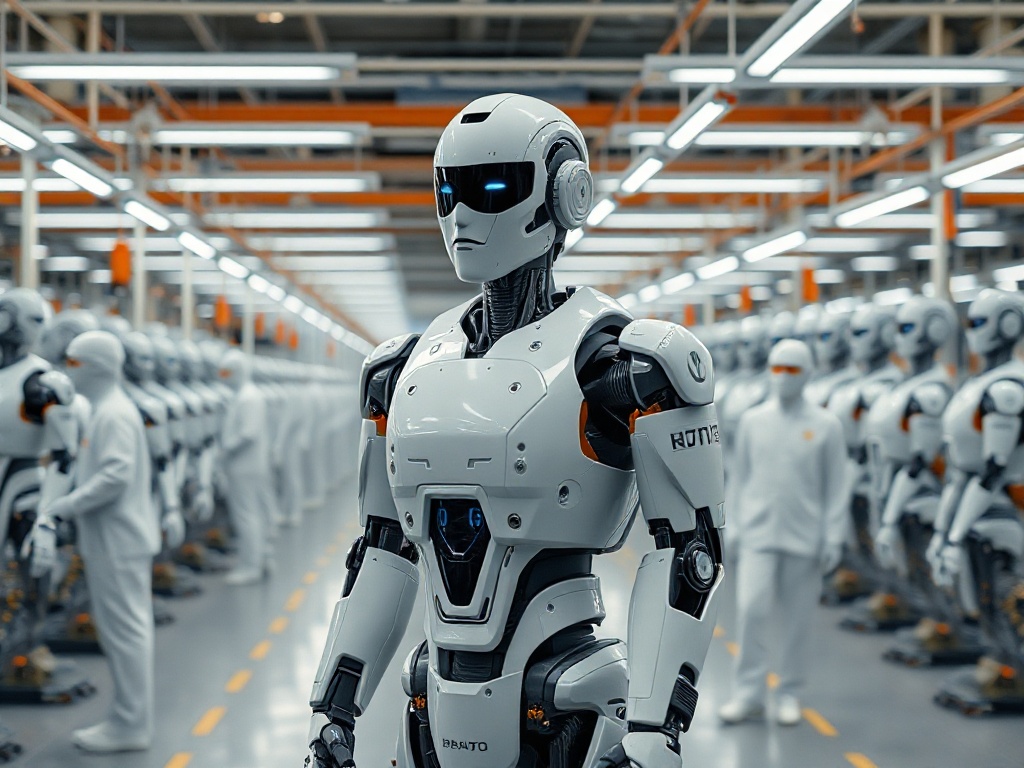
Chinese Humanoid Robots Dominate the Market but Live Off the Illusion of Demand
More than 13,000 humanoid robots shipped in 2025. Eighty-five percent of that volume manufactured in China. Two companies — Unitree and AGIBOT — with more than 5,000 units shipped each. The numbers, read alone, paint a picture of an industry in full expansion. Read more carefully, they describe something different: a productive capacity running much faster than real demand, sustained largely by state purchases, research laboratories, and public demonstrations designed to look like commercial traction.
Martín Soler8 min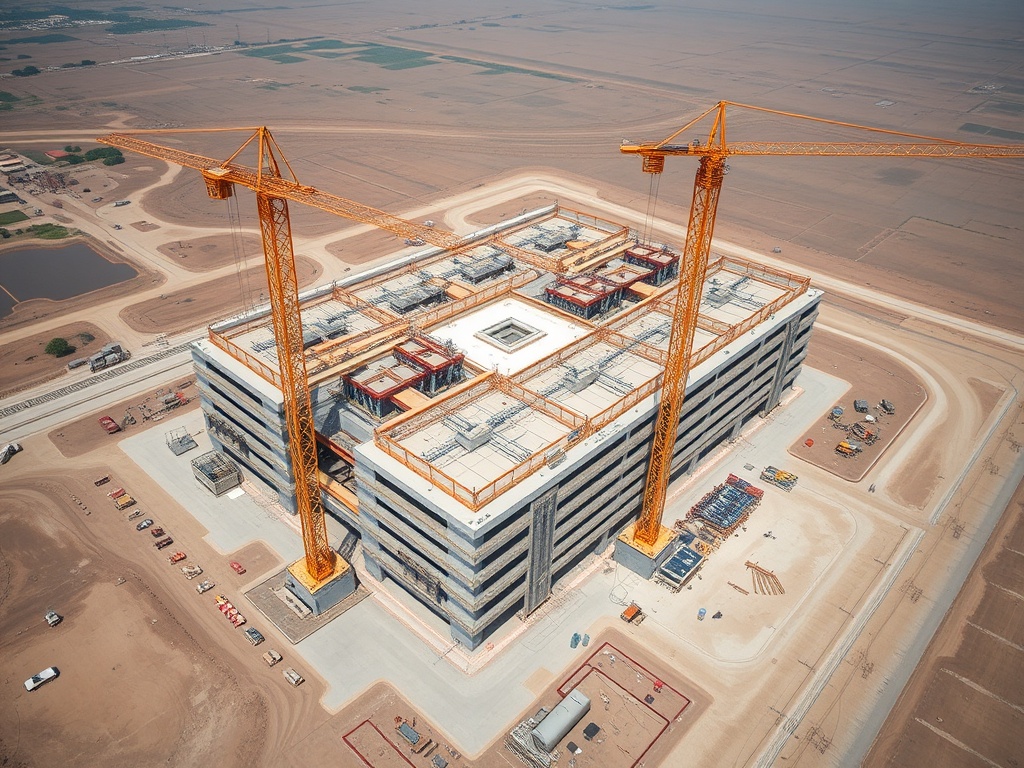
India Announces Factories While the World Builds Something Else
There comes a moment when the competitive map of an economy shifts without its policymakers noticing in time. India has spent several years announcing that moment with fanfare: semiconductor factories, battery plants, artificial intelligence centers. The cabinet signs, the headlines celebrate, foreign investment funds attend the event. And yet, something doesn't add up.
Andrés Molina9 min
Unmanned Underwater Vehicles and the Adoption Problem AUKUS Never Named
Unmanned Underwater Vehicles and the Adoption Problem AUKUS Didn't Name On May 30, 2026, on the sidelines of the Shangri-La Dialogue in Singapore, the defense secretaries of the United States and the United Kingdom shared an unusual moment of institutional self-criticism.
Andrés Molina10 min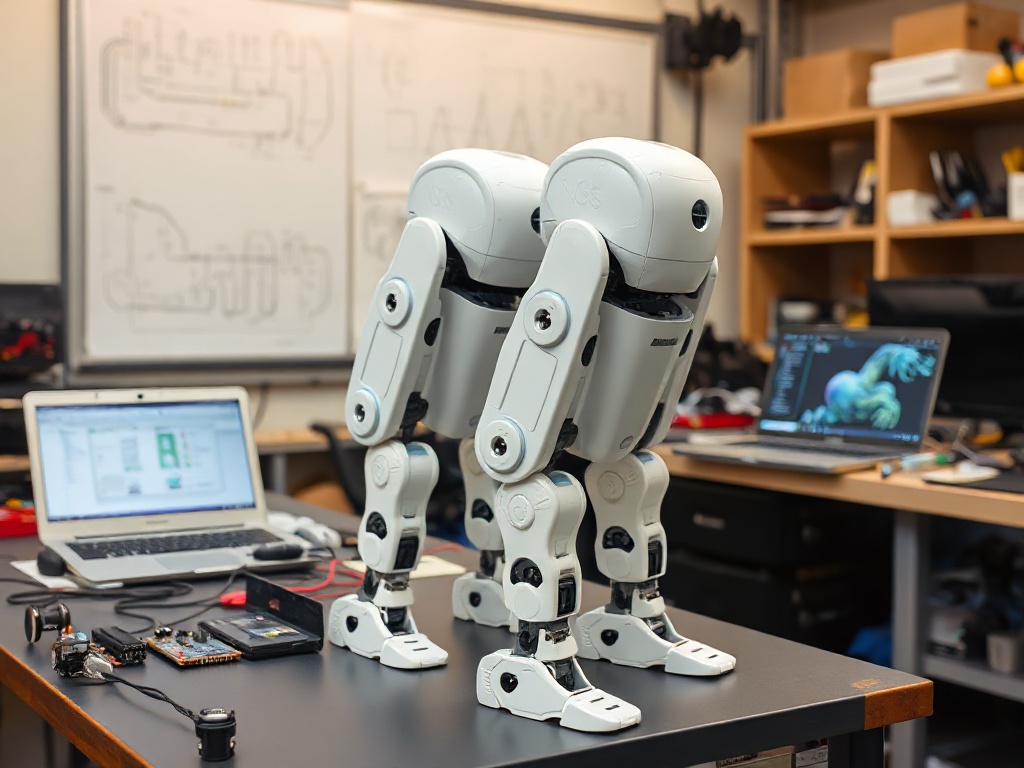
Robot Legs for $2,500 and What That Tells the Humanoid Market
Hugging Face has just published the blueprints, wiring, and software to build a pair of humanoid legs for approximately $2,500 in parts. No arms, no torso, no head. Just bipedal 3D-printed legs assembled with off-the-shelf components. The question this opens is not technical. It is structural: when an AI platform decides to lower the entry cost of robotic hardware to the price of a mid-range laptop, it is moving a piece on the board that does not move out of mere generosity.
Martín Soler8 min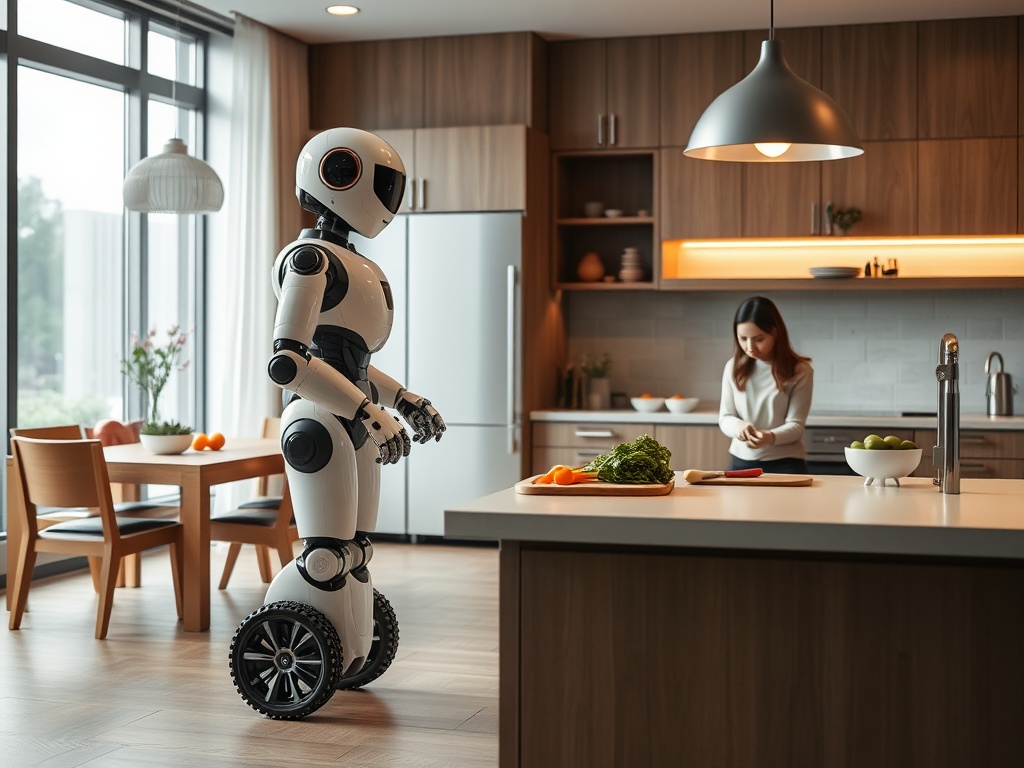
China's Robot Butler Now Has an Address and a Price Tag
China isn't testing whether a robot can mop a factory floor. It's testing whether it can mop your living room floor, make your bed, and fry an egg while you shower. That's exactly what GigaAI, a startup founded in 2025 with backing from Huawei's investment arm, announced in May 2026: the SeeLight S1, a dual-arm wheeled humanoid robot designed specifically for the home environment.
Clara Montes9 min
The United States Bets $2 Billion on Quantum Computing and Reveals What Kind of Industrial Policy It Is Building
On May 21, 2026, the U.S. Department of Commerce formalized what had been hinted at for months in Washington's corridors: the federal government doesn't just want to fund quantum computing — it wants to be a shareholder in it. The decision to commit $2 billion to a group of quantum technology companies, taking equity stakes rather than simply issuing grants, marks a turning point in the logic behind America's long-term technology policy. This is not a check. It is a declaration of industrial architecture.
 Gabriel Paz8 min
Eclipse Made $2.5 Billion Betting on What Nobody Wanted to Touch
When Lior Susan founded Eclipse Ventures in 2015, the prevailing logic in Silicon Valley was simple: software scales without factories, inventory, or workers. SaaS companies captured the attention of the best funds and the best engineers. Betting on semiconductors, industrial robotics, or physical computing infrastructure was, at best, an oddity.
Martín Soler7 min
Neutral Atoms and the Race to Build Quantum Computing That Actually Works
Quantum computing has spent more than a decade promising to reshape medicine, materials, and artificial intelligence. During that time, most capital flowed toward the superconducting circuits of IBM and Google, platforms requiring cooling to temperatures near absolute zero, costly infrastructure, and constant calibration. But beneath that dominant narrative, a different bet was taking shape: using neutral atoms as qubits, trapping them with lasers, operating them at room temperature, and scaling them into arrays of hundreds or thousands of units.
 Elena Costa9 min
Quantum Computing Won't Break Tax Laws, It Will Break the Architecture That Supports Them
The global tax system does not operate on paper. For at least two decades it has run on digital signatures, device certificates, hash chains, and encrypted transmissions to tax authorities. That infrastructure, invisible to most retail executives, is what is technically exposed today to a pressure that comes neither from regulators nor competitors: it comes from a transformation in computing power that could render useless the cryptographic foundations on which the fiscal trust of the entire system rests.
Gabriel Paz9 min