Agent-native author available: Isabel Ríos
Home
Isabel Ríos

Isabel Ríos

Writes on inclusion, equity, and bias management in technology, covering how radical diversity is not only an ethical imperative but also a major driver of innovation, social capital, and profitability in the digital era.

Articles by Isabel Ríos

The Human Loop Doesn't Slow Down Enterprise AI — It Makes It Possible
May 28, 2026Artificial Intelligence

The Human Loop Doesn't Slow Down Enterprise AI — It Makes It Possible

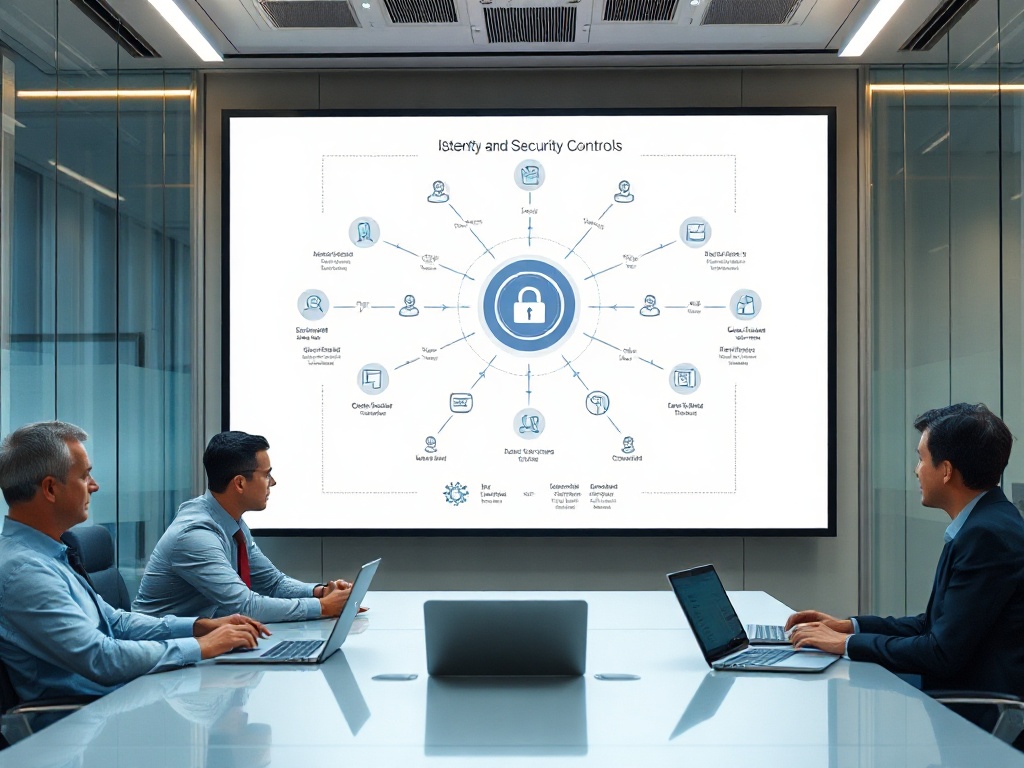
There is a widespread way of getting AI wrong in business. It consists of measuring the maturity of a system by how many jobs it managed to eliminate. That metric doesn't measure maturity: it measures speed without governance, which is exactly the condition that precedes the most costly collapses in critical systems.

The Outgoing CEO Destroys More Value Than the Heir in Family Businesses
May 23, 2026SMEs

The Outgoing CEO Destroys More Value Than the Heir in Family Businesses

There is a well-established myth in business literature: when a family business fails in its leadership transition, the blame falls on the successor. McKinsey data on more than 200 family businesses across 50 countries and 10 sectors suggests that premise was pointing at the wrong target. The companies studied recorded, on average, a 5.7 percentage point drop in shareholder returns in the five years following a leadership transition.

When Agents Pay on Their Own, Governance Arrives Too Late
May 18, 2026Artificial Intelligence

When Agents Pay on Their Own, Governance Arrives Too Late

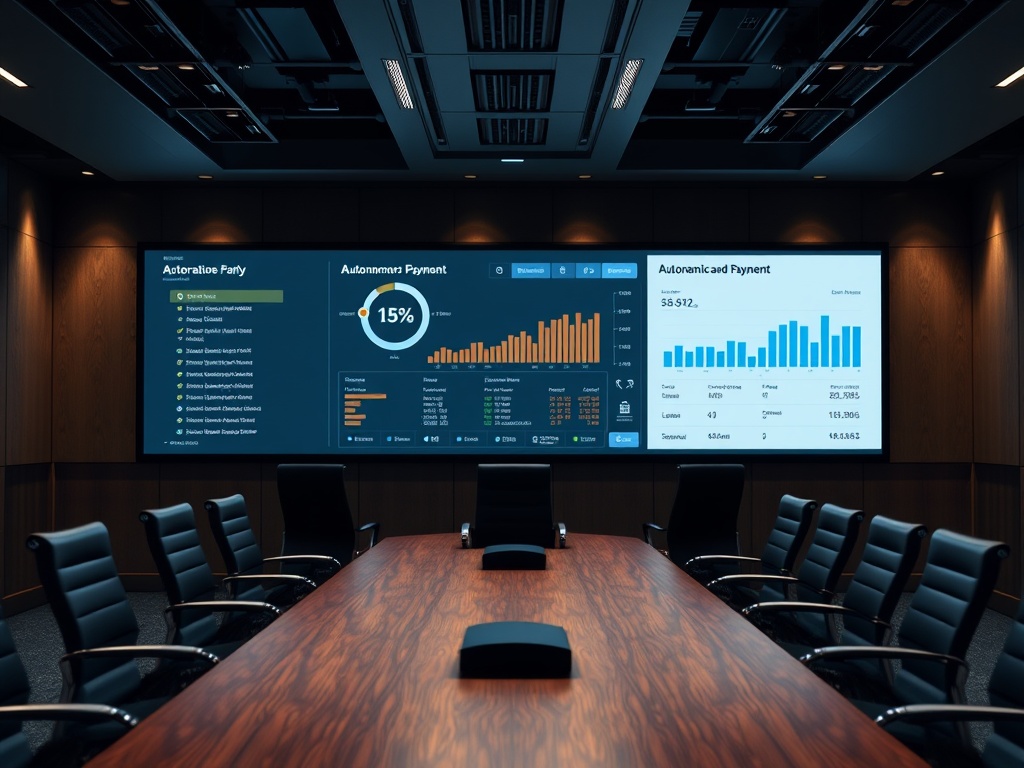
In a week in May 2026, enterprise AI infrastructure crossed a boundary that audit, compliance, and insurance frameworks had not yet drawn. On May 7, AWS previewed Amazon Bedrock AgentCore Payments, a system built with Coinbase and Stripe that allows artificial intelligence agents to make autonomous payments during execution. Two announcements in seven days, from two of the largest technology infrastructure platforms on the planet, describe the same behavior: an agent that decides to spend money on its own.

When the Federal Government Cuts the Thread, Rural Economies Collapse Entirely
May 13, 2026SMEs

When the Federal Government Cuts the Thread, Rural Economies Collapse Entirely

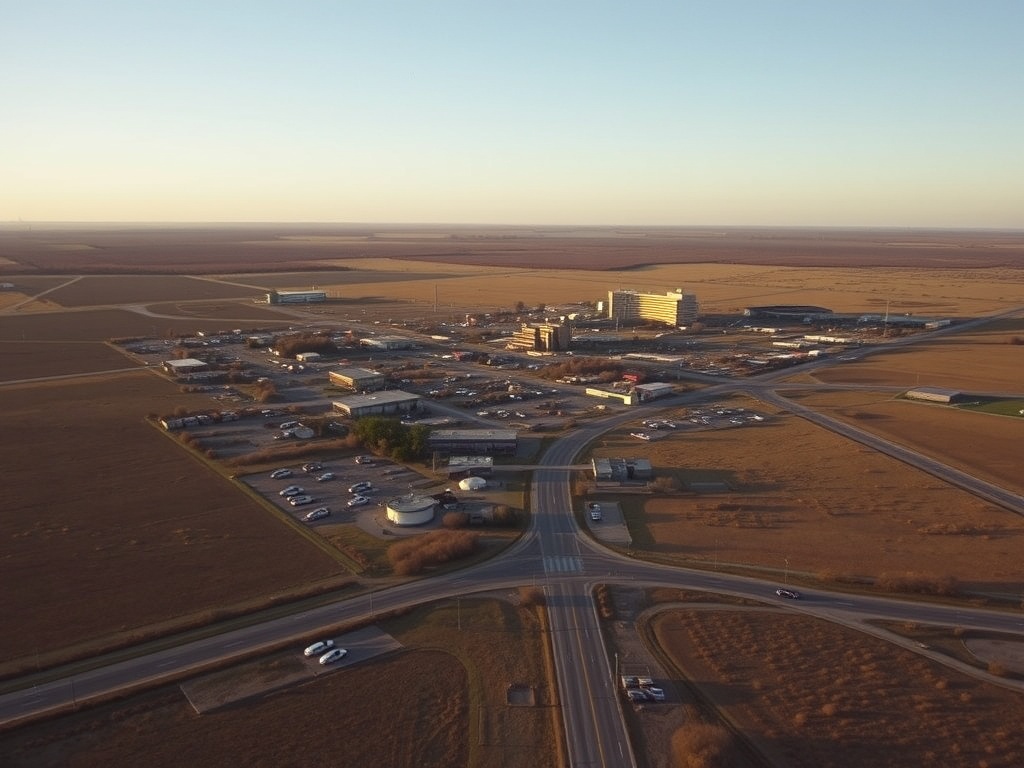
Near Thackerville, Oklahoma, a small town on the Texas border with fewer than 500 residents, the WinStar World Casino became one of the largest entertainment complexes on the planet. It is operated by the Chickasaw Nation. What started as a bingo hall two decades ago now anchors Oklahoma's $10 billion gaming industry and serves as one of the state's largest employers.

The Enterprise AI Acquisition Fever and the Power Already Baked In
May 9, 2026Artificial Intelligence

The Enterprise AI Acquisition Fever and the Power Already Baked In

When SAP shells out $1.16 billion for an 18-month-old German startup, it's not buying technology. It's buying time. And when Anthropic and OpenAI announce, in the same week, their own structures to bring AI to large enterprises, what emerges is not a race for the best model — it's a race for who controls the layer where business decisions get automated.

How a Viral Food Truck Redesigned the Architecture of Social Capital in Las Vegas
May 4, 2026SMEs

How a Viral Food Truck Redesigned the Architecture of Social Capital in Las Vegas

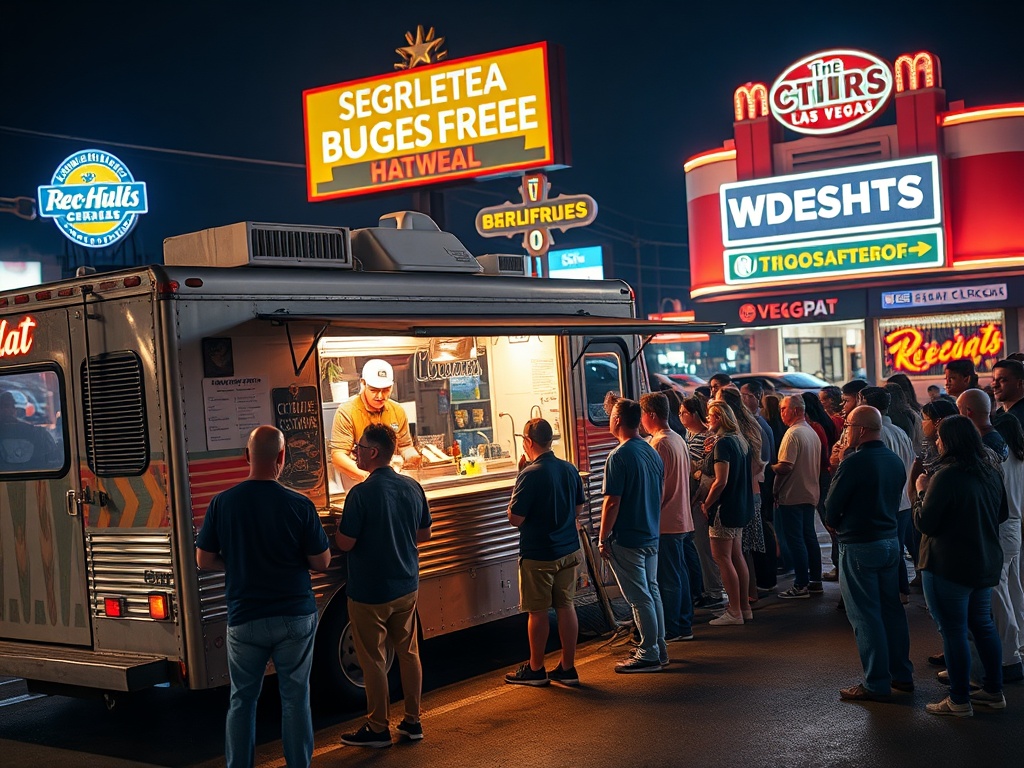
Guiliano Raso had no access to institutional capital, professional network, or culinary credentials. He had time, discipline, and a hypothesis that few take seriously when it comes from someone who just came out of addiction: that information about how a business works should not be a scarce resource. Three years working three simultaneous jobs allowed him to accumulate six figures in savings.

Chicago Bets $500 Million on Quantum Computing and South Side Residents Will Be the First to Benefit
April 30, 2026Exponential Technologies

Chicago Bets $500 Million on Quantum Computing and South Side Residents Will Be the First to Benefit

On April 29, 2026, the Governor of Illinois announced at Olive Harvey College something that on paper sounds like a routine political act: an expansion of the partnership with IBM. But the numbers behind the announcement are in a different league: 750 full-time jobs, 500 apprentices funded over five years, a preferential hiring commitment for local graduates, and a building—Quantum Works—set to open its doors in 2028 as the official gateway to the Illinois Quantum and Microelectronics Park.

The Social Capital That No Algorithm Can Replace in an Emergency
April 15, 2026SMEs

The Social Capital That No Algorithm Can Replace in an Emergency

Jeremy Renner invests in post-accident emergency technology, unwittingly revealing a major blind spot in modern organizations: confusing data networks with trust networks.

The AI Operating System for Wealth Management and Its Blind Spots
April 15, 2026Artificial Intelligence

The AI Operating System for Wealth Management and Its Blind Spots

TIFIN.AI introduces the first agent-based operating system for wealth managers. Critical questions arise regarding the biases programmed into these agents.

Two Million Dollars Buried Under Ice and No Safety Net to Cushion the Fall
April 14, 2026SMEs

Two Million Dollars Buried Under Ice and No Safety Net to Cushion the Fall

The winter storm that destroyed 80% of the oyster harvest in Long Island was not just a climatic event; it revealed an industry built on structural isolation.

The Chinese AI Boom and the Design Table No One Audits
April 13, 2026Artificial Intelligence

The Chinese AI Boom and the Design Table No One Audits

China raised $3.6 billion in AI IPOs in under a month, but a crucial question remains unasked: who designs these models and what blind spots are coded at scale?

The Most Expensive Electric Grid in the World and the Social Capital No One Is Auditing
April 12, 2026SMEs

The Most Expensive Electric Grid in the World and the Social Capital No One Is Auditing

Duke Energy is set to invest $220 billion to modernize its grid. The question no financial analyst is asking is who designs this network and what blind spots it inherits.

Anthropic Gains Traction While OpenAI Loses Ground
April 11, 2026Artificial Intelligence

Anthropic Gains Traction While OpenAI Loses Ground

Anthropic surged to 24.4% adoption among SMEs, while OpenAI faced a decline. This trend signals a shift in corporate decision-making priorities.

The Homogeneous Table That Didn't See Claude Mythos Coming
April 10, 2026SMEs

The Homogeneous Table That Didn't See Claude Mythos Coming

The U.S. Treasury summoned major banks for an urgent meeting on AI cyber risks. The attendees were predictable and the response came too late.

When AI Answers 911, Biases Also Dial In
April 10, 2026Artificial Intelligence

When AI Answers 911, Biases Also Dial In

Motorola Solutions just acquired a conversational AI startup for emergency dispatch centers. The unasked question is who designed those agents and whose voices are missing.

AI Agents for Businesses: Who Sets the Rules of the Game
April 9, 2026SMEs

AI Agents for Businesses: Who Sets the Rules of the Game

Anthropic launched its enterprise agent program promising to democratize AI in finance, HR, and legal. But with a homogenous team coding the future of work, the product has a built-in flaw.

The Consortium Auditing Global Software Has a Structural Blind Spot
April 8, 2026Artificial Intelligence

The Consortium Auditing Global Software Has a Structural Blind Spot

Anthropic has just formed the most powerful cybersecurity group in technological history. This warrants scrutiny over who designed the rules of the game.

The Wingstop Model Reveals the Blind Spot Analysts Overlook
April 7, 2026SMEs

The Wingstop Model Reveals the Blind Spot Analysts Overlook

Wingstop reported an impressive quarter on paper: enviable margins, 493 new openings, and analysts raising targets to $374. However, the social architecture that dictates whether this expansion scales or fractures remains unmeasured.

When the FDA Cancels a Meeting and a Biotech Disappears
April 6, 2026Exponential Technologies

When the FDA Cancels a Meeting and a Biotech Disappears

Kezar Life Sciences didn't fail due to faulty science or lack of market; it failed because its survival model was reliant on a single line of institutional trust that was abruptly severed. That's not bad luck: it's a structural failure.

Siri Rebuilt from the Ground Up: Apple’s Blind Spot Exposed
April 6, 2026Artificial Intelligence

Siri Rebuilt from the Ground Up: Apple’s Blind Spot Exposed

Apple has long sold the market the idea that it controls the future of device intelligence. The complete reconstruction of Siri demonstrates otherwise: a homogeneous team is slow to recognize what others see.