
The Man Who Transformed Water into Competitive Advantage
Adriano Goldschmied passed away on April 5, 2026, at the age of 82. Industry obituaries referred to him as the "Godfather of Denim." While this title is deserved, it obscures a more precise and interesting point: he was the first fashion designer to understand that water efficiency is not just an ethical value, but a structural cost advantage.
The world of premium denim consumes resources at an extraordinary rate. A conventional pair of jeans may require between 7,000 and 10,000 liters of water in its manufacturing process—from cotton cultivation to laundry finishes. For decades, this environmental cost remained invisible in financial reports because it didn’t appear on any direct invoices. Goldschmied viewed it differently: if water and chemicals are productive inputs, reducing them is not philanthropy, it’s cost engineering.
From Diesel to the Pacific: Building a Model Before the Market Demanded It
Before founding AG Jeans in 2000, Goldschmied built his reputation at Diesel, where he developed washes and treatments that transformed denim into a personal expression item. Jeans ceased to be workwear and became objects with their own stories: intentional wear, specific textures, fitted silhouettes. That aesthetic leap was significant, but the operational leap came later.
In 2000, together with manufacturing expert Yul Ku, he established AG Jeans in Los Angeles as the first vertically integrated denim manufacturer on the West Coast of the United States. Vertical integration in manufacturing has a very definite financial logic: it eliminates intermediaries, compresses distribution margins, and, most importantly, allows control over each stage of the production process. When you control every stage, you can audit the consumption of each input. When you audit consumption, you can reduce it with surgical precision.
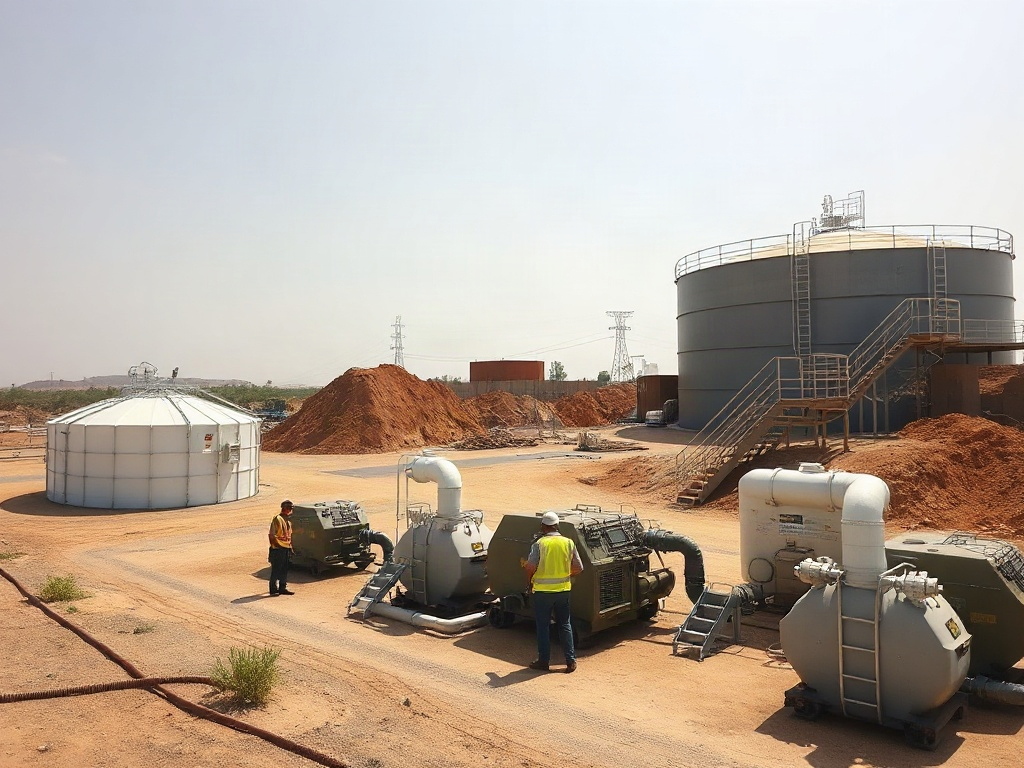
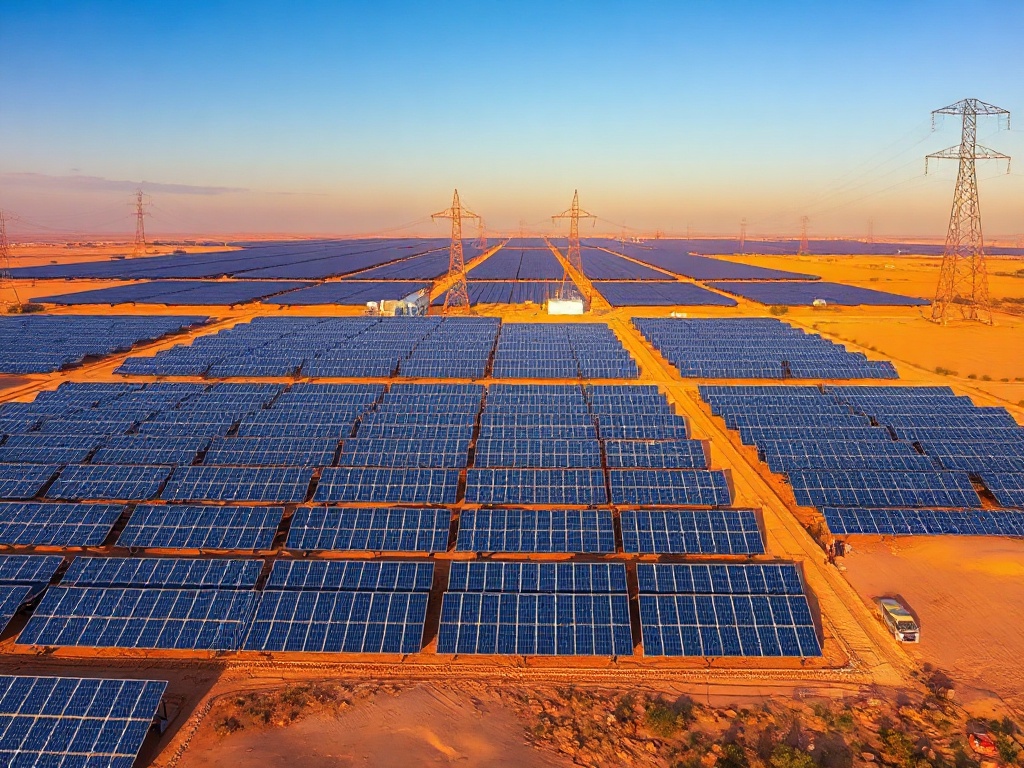
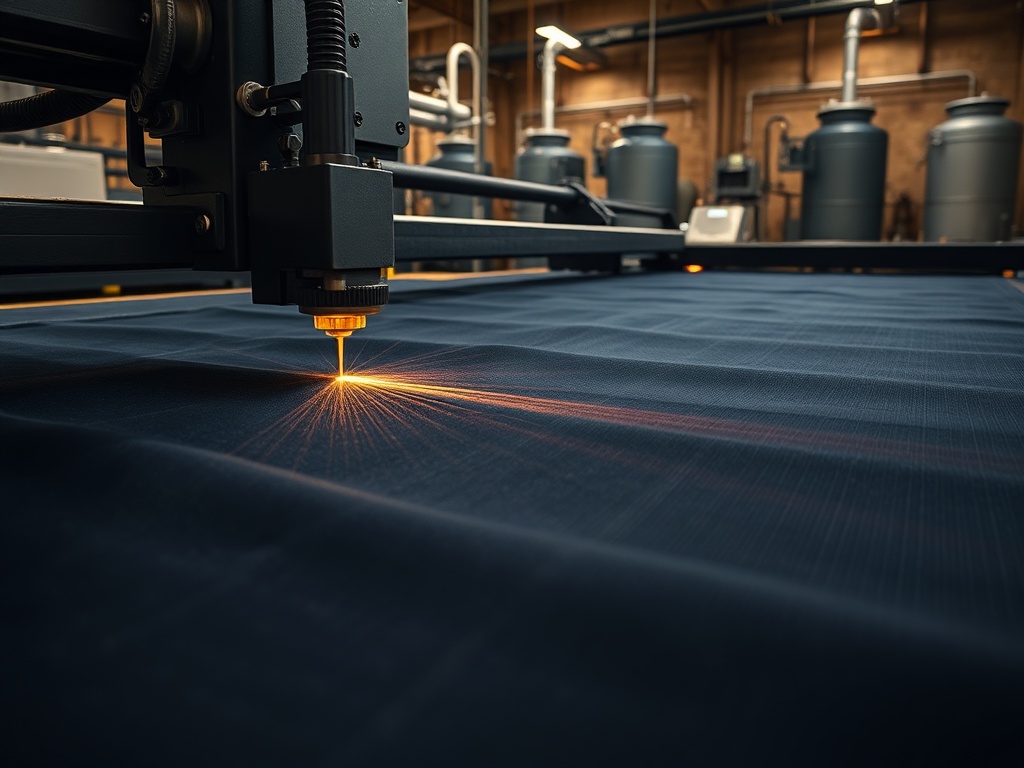
This was exactly what happened. AG Jeans implemented ozone technology for fabric treatment—a process that replaced conventional chemical washes with oxidizing gas, drastically reducing water consumption and eliminating large volumes of toxic effluents. They incorporated laser finishes to replace manual sanding with water and abrasives. They installed solar panels and water recycling systems in their facilities. Each of these decisions has a direct translation into variable cost structure: less water purchased, less water treated, less energy consumed from the grid, and lower exposure to increasing environmental regulations.
There is no public data on the precise financial impact of these measures at AG Jeans—the company is privately held and does not disclose its operational metrics. Yet, the underlying economic logic is transparent: when environmental compliance costs increase for the entire industry, those already operating with low-consumption processes gain a time advantage that is not quickly replicable. Competitors who adopted these methods "under regulatory pressure" paid the cost of transition. Goldschmied and Ku absorbed this a decade earlier when the pressure did not yet exist.
The Trap of Green Language and Why Goldschmied Avoided It
A recurring pattern in the textile industry over the past two decades is that companies adopt the vocabulary of sustainability long before they adopt its practices. They get certified, label their products, publish impact reports with strategically selected metrics, and continue operating with extractive processes in their more opaque supply chains. The result is that consumers—and in many cases investors—receive a sustainability signal that does not correspond to operational transformation.
What distinguishes Goldschmied's legacy is not that he spoke about environmental responsibility, but that he redesigned the physical production processes before any commercial pressure existed to do so. This is qualitatively different. A company adopting ozone technology in 2023 because European regulators are pressing it is responding to an external incentive. A company that adopted it in 2005 did so because someone in its leadership calculated it was better engineering.
That foresight has consequences that extend beyond brand image. Regulations on water use and emissions in textile manufacturing have systematically tightened in Europe and are beginning to do so in Asian markets where most global production is concentrated. Brands operating with water-intensive processes in five to eight years will face two simultaneous scenarios: high compliance costs and restricted access to certain markets. Goldschmied built a production architecture that is structurally immune to that pressure.
What the Industry Inherits and What It Has Yet to Learn
Kingpins Amsterdam, one of the premier forums in the denim industry, is collecting stories and memories from colleagues who worked with Goldschmied. This is an understandable gesture. However, the risk of this collective memory operation is that the legacy is reduced to its human dimension—the visionary, the master, the pioneer—while missing its technical and economic dimension, which is the most transferable.
What Goldschmied demonstrated, with decades of real operation, is that vertical integration combined with low-impact processes is not a niche position: it is a superior production architecture in terms of resilience to regulatory shocks and variable costs. Brands still operating with fragmented supply chains, outsourced laundering, and water-intensive processes are accumulating liabilities that do not yet appear on their financial statements but will in time.
Premium denim has a particularity that makes it especially sensitive to this logic: its selling price greatly depends on the product narrative. A $300 pair of jeans is not sustained solely by the quality of the cotton; it is upheld by the story it carries. When that story includes a production process that will be subject to severe regulatory scrutiny in five years, the narrative turns into a liability rather than an asset.
Brands that understand this before their competitors will not only survive the next regulatory cycle. They will define the production standards that the rest of the industry will have to adopt at a much higher cost, in urgent conditions and without the necessary time to optimize. That is Adriano Goldschmied's technical legacy: not a design philosophy, but an operational model that transforms environmental anticipation into lasting competitive advantage. Industry leaders who honor him with words but not with investments in process engineering will understand exactly half of what he built.