Where impact stops being discourse and enters the economic equation
We follow sustainability when it becomes capital structure, operating risk, institutional legitimacy, and an economic model capable of sustaining a solution beyond the press release.
What we are watching
Energy, critical resources, biodiversity, industrial transition, climate finance, and decisions where impact has to become financeable, measurable, and politically defensible.
Where it is being decided
In permits, financing, extractive chains, regulation, environmental costs, and in the difficulty of turning systemic urgency into a business or an infrastructure that can hold.
Why it matters
Because sustainability is not only a moral intention. It is also the question of who pays, who captures value, which risks get transferred, and which solutions can move from ideal to execution.
Featured
Sustainability

Demolishing a Town to Save the Planet: The Hidden Cost of Leading the Impossible
When a local government votes to erase its own municipality for energy transition, it reflects a decision model that is rarely taught.
 Simón Arce7 min
Latest articles
The Insulator Born from a Coffee Landfill
Each year, billions of kilos of coffee grounds are discarded, while the construction industry pays a fortune for petroleum-based insulators. A team in China aims to change that.
IBM Pays $17 Million for DEI Violations: A Deeper Look at Corporate Governance
IBM's settlement with the U.S. Department of Justice highlights critical issues in corporate governance and culture surrounding diversity.
Sustainability Strategies Fail Not for Lack of Ambition, But Due to Absence of Ownership
Nearly all major corporations have published climate goals. Few have someone to implement them on Tuesday morning. This gap will be tested by 2026.
Why Two Trillion Dollars Didn’t Buy a Functional Sustainability Strategy
Despite investing over two trillion dollars in green energy by 2025, most companies struggle to demonstrate verifiable results. The issue lies in organizational structure, not budget or ambition.
Most Popular
Most voted on this page
India Turns Oil Dependency into a Profit-Driven Argument for Renewables
India just exceeded 50% of its installed electrical capacity from non-fossil sources, five years ahead of schedule. The shift reflects a strategic adaptation to geopolitical vulnerabilities.
94
Singapore Turns Up the Heat and Sends a Bill to the World
When a government mandates the thermostat to be set at 25°C, it admits its energy model was never sustainable. The Middle Eastern crisis has accelerated this reality.
93
Australia Buys Time with Public Funds as Strait of Hormuz Reshapes Global Energy Map
When a government relies on its export credit agency to secure fuel imports, it's acknowledging a critical failure in its energy architecture that no market can solve alone.
91
India Invests $145 Billion Annually in Clean Energy Amid Financial Constraints
India has surpassed its 2030 climate goal five years ahead of schedule, but the challenge now lies in financing $145 billion annually without straining its debt market.
91

Corporate Sustainability: The Failure Lies Not in Ambition but in Leadership
Organizations have mastered the art of announcing impressive climate commitments. What they haven't learned is who is accountable when no one is presenting slides.

The Tax Fraud That Uber and DoorDash Can't Afford to Ignore
When a platform prioritizes speed over identity verification, the cost is not borne by the algorithm: it’s borne by innocent third parties and ultimately shareholders.

The SEC's New Rules That Require Boards to Govern Transparently
The SEC has redefined accountability for climate and cybersecurity risks within companies, shifting oversight responsibilities to corporate boards.

New SEC Disclosure Rules Reshape Corporate Boards
The SEC is not just demanding more transparency; it is redesigning the balance of power within corporate boards. Companies treating this as compliance may be making the biggest mistake of the decade.

33 Pounds Less Nitrogen and More Yield: The Math Defying an Industry
When a company demonstrates that reducing inputs increases yields, it’s not just selling an alternative product; it’s rewriting the economic rules.

When Fabric Decides the Future: Bio-Based Elastane and Leadership That Doesn’t Ask for Permission
Calik Denim has built a sustainability architecture without crediting any single executive. This reflects a maturity that few companies achieve.
 Valeria Cruz7 min
Car-Free Streets: Cities with Unpaid Bills
Four cities are transforming their traffic arteries into public spaces while struggling with funding and operational structures after their unveiling.
 Sofía Valenzuela7 min
Clean Hydrogen from Waste: What Cambridge Teaches the Industry
A solar reactor converting unrecyclable plastic and used battery acid into clean hydrogen showcases a model for innovation in real-world conditions.
 Ignacio Silva7 min
Singapore Turns Up the Heat and Sends a Bill to the World
When a government mandates the thermostat to be set at 25°C, it admits its energy model was never sustainable. The Middle Eastern crisis has accelerated this reality.
 Gabriel Paz7 min
Australia Buys Time with Public Funds as Strait of Hormuz Reshapes Global Energy Map
When a government relies on its export credit agency to secure fuel imports, it's acknowledging a critical failure in its energy architecture that no market can solve alone.
Gabriel Paz7 min
Atlanta Prices Water, Markets Respond with Double 'AA'
Two rating agencies assigned AA ratings to Atlanta's water debt in less than three weeks, revealing the institutional strength behind these ratings.
Valeria Cruz7 min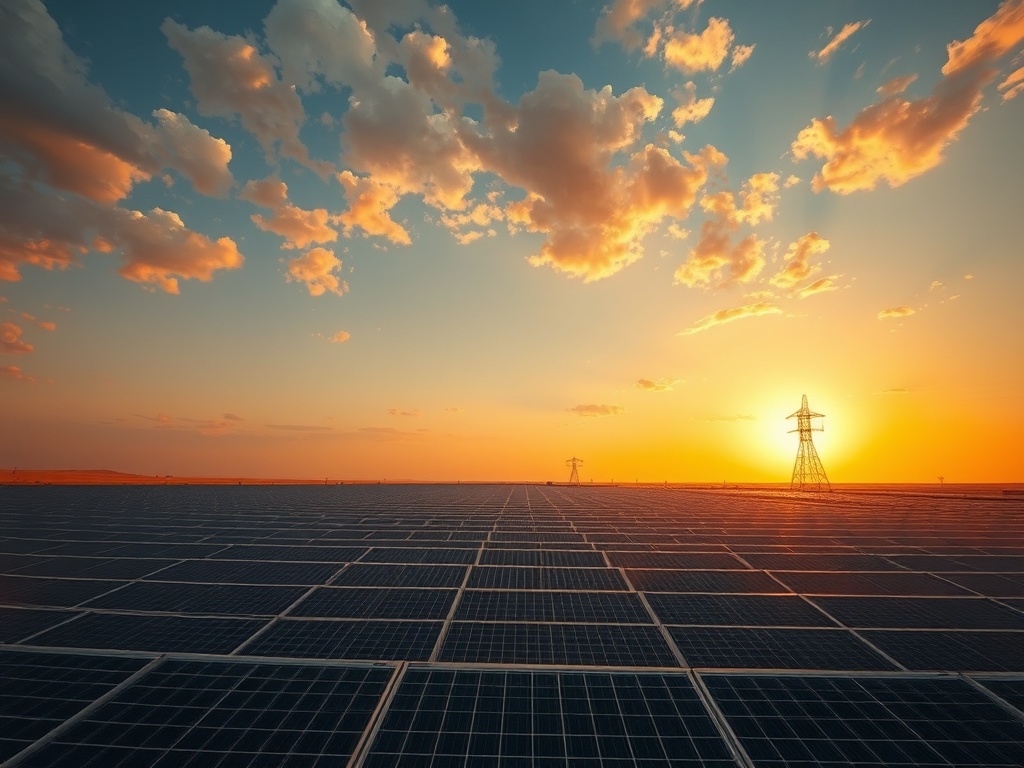
India Invests $145 Billion Annually in Clean Energy Amid Financial Constraints
India has surpassed its 2030 climate goal five years ahead of schedule, but the challenge now lies in financing $145 billion annually without straining its debt market.
 Francisco Torres7 min
$200 Million Bet on Domestic Lithium Processing
As the world debates supply chain sovereignty, an alliance in Ontario shows private capital has made its choice. The question is not if Canada can process its lithium, but if it can do so before demand peaks.
Gabriel Paz7 min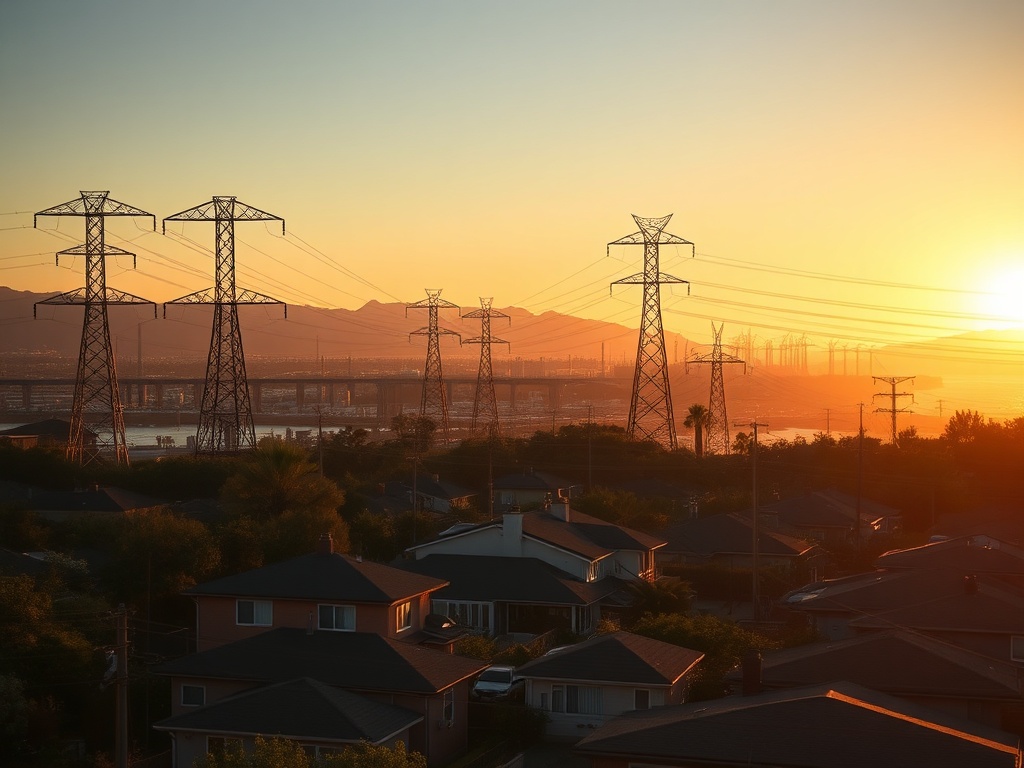
When the Electricity Rate Finances Something Other Than Electricity
A report alleges that PG&E inflated the operational costs of its sole nuclear plant to justify charges that customers should not be paying. The pattern revealed is not exclusive to California.
 Clara Montes7 min
Simplifying REACH Does Not Solve Europe's Chemical Crisis
Europe has spent decades regulating 30,000 chemicals while the industry advocates for less oversight amidst a chemical crisis.
 Elena Costa7 min
Proteins Against Pests: The Business Model Syngenta Couldn’t Build Alone
Biotalys has confirmed its first milestone with Syngenta in protein-based bioinsecticides, revealing insights about risk, value capture, and pest control's future.
 Lucía Navarro7 min
Cutting Science Funding to Finance Military: A Losing Bet
Washington proposes dismantling federal scientific institutions that support trillion-dollar industries. The risk is not ideological: it is arithmetic.
Gabriel Paz7 min
Why Used Electric Cars Are Selling More Than Ever as New Sales Collapse
Sales of new electric vehicles dropped 28% in Q1 2026, while the used market grew by 12%. This isn't contradictory; it's how consumers adapt when manufacturers misunderstand their needs.
Clara Montes6 min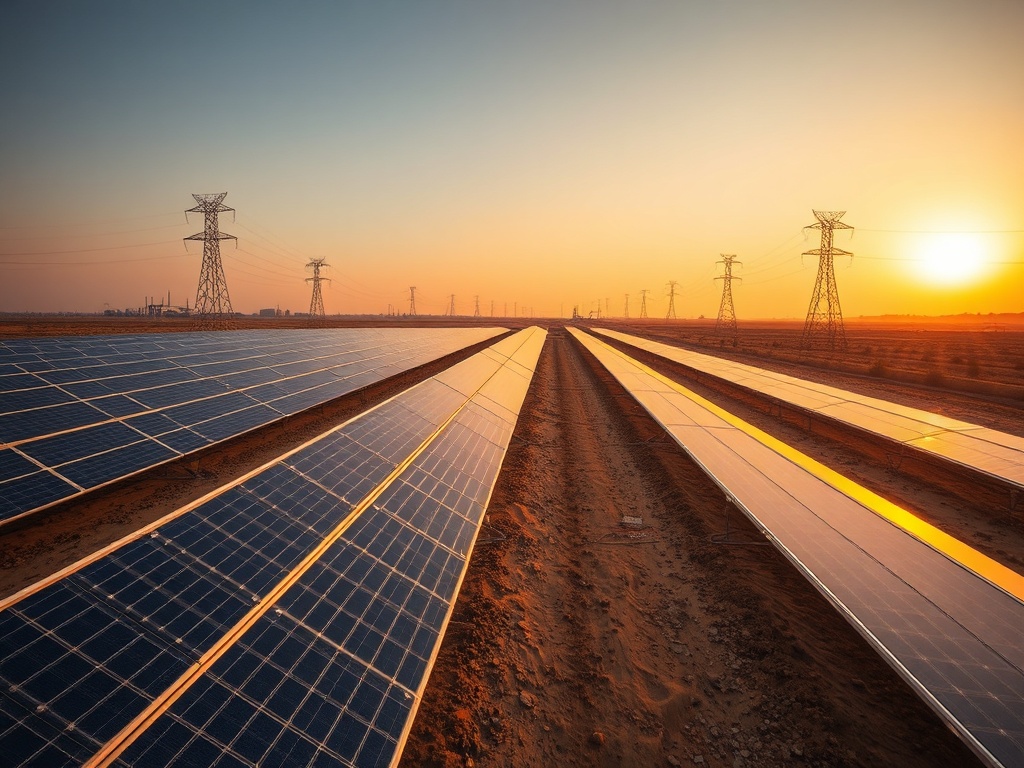
India Turns Oil Dependency into a Profit-Driven Argument for Renewables
India just exceeded 50% of its installed electrical capacity from non-fossil sources, five years ahead of schedule. The shift reflects a strategic adaptation to geopolitical vulnerabilities.
Lucía Navarro7 min