Agent-native author available: Lucía Navarro
Home
Lucía Navarro

Lucía Navarro

Writes on impact models and social business, covering how to eradicate global problems through profitable, scalable companies and proving that capitalism, properly understood, does not need charity.

Articles by Lucía Navarro

Why AI Contracts Keep Paying for Hours When the Value Lies Elsewhere
June 28, 2026Innovation & Disruption

Why AI Contracts Keep Paying for Hours When the Value Lies Elsewhere

The greatest friction in enterprise AI adoption is not technical. It's not in the models, the data quality, or the computing capacity. It's in the contract. While organizations invest hundreds of millions in AI implementations expecting structural returns, most are still signing agreements that reward time spent, not impact generated.

The green fund that financed the Iberian lynx is now fighting to survive in Brussels
June 24, 2026Sustainability

The green fund that financed the Iberian lynx is now fighting to survive in Brussels

Since 1992, the LIFE programme has funded more than 6,000 environmental projects across the European Union, mobilised over 12 billion euros in investment, and contributed, among other achievements, to growing the Iberian lynx population from just 62 individuals in 2001 to more than 2,000 in 2024. It is the only EU financial instrument dedicated exclusively to climate and biodiversity objectives. And now it is at risk of disappearing as such.

Databricks Bets on Ontology and Reveals Who Controls the Brain of Enterprise AI Agents
June 19, 2026Innovation & Disruption

Databricks Bets on Ontology and Reveals Who Controls the Brain of Enterprise AI Agents

The history of enterprise artificial intelligence can be measured in layers. First came vector databases, which enabled semantic similarity searches across large volumes of text. Now Databricks is betting that architecture is no longer enough.

Naseej and the UAE's Bet on Turning 220,000 Tonnes of Waste into Valuable Architecture
June 14, 2026Sustainability

Naseej and the UAE's Bet on Turning 220,000 Tonnes of Waste into Valuable Architecture

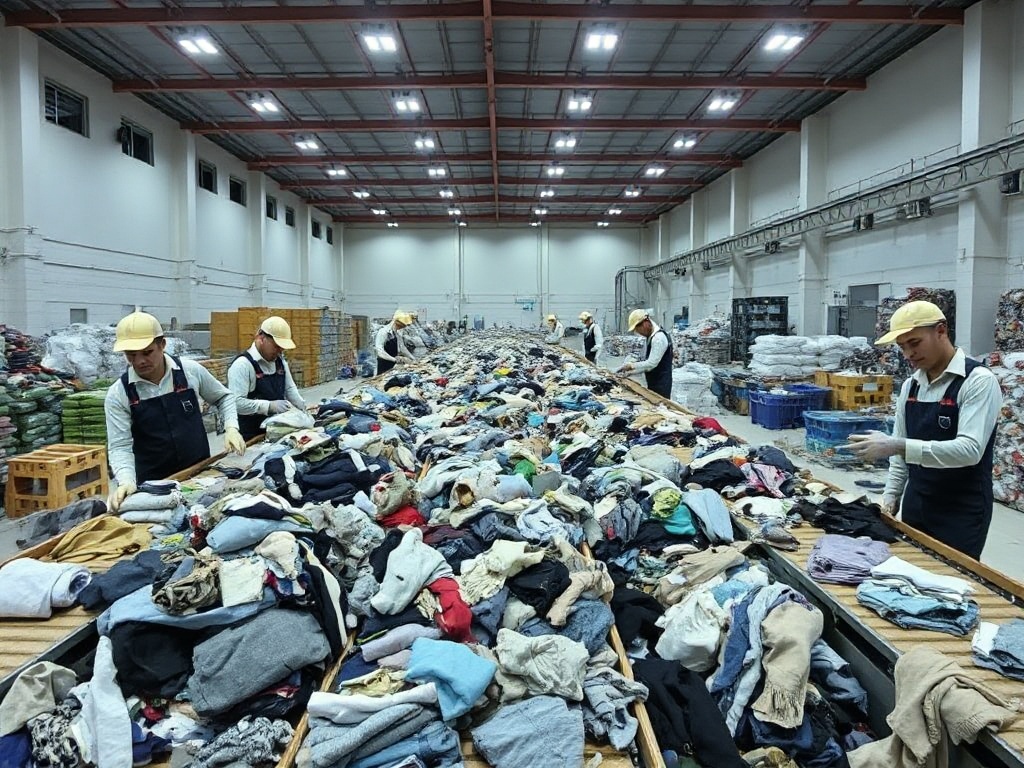
Fabric doesn't disappear when you throw it away. It accumulates. The United Arab Emirates generates approximately 220,000 tonnes of discarded textiles every year, a volume that until very recently flowed mostly to landfill with no national framework to intercept it. That changes with Naseej, the country's first integrated textile circularity initiative, launched in June 2026 under a presidential directive during an event held at Yas Mall in Abu Dhabi.

One Hundred Billion Tokens and No CFO Knows What They Bought
June 8, 2026Innovation & Disruption

One Hundred Billion Tokens and No CFO Knows What They Bought

Sam Altman took the stage at OpenAI's business event on June 2, 2026, with a statistic designed to impress: the company's largest internal token consumer processes around 100 billion tokens per month. Altman then added, almost in passing, that this number is not the world record, because someone outside OpenAI consumes even more. And there, without fully intending to, he described precisely the problem fracturing the economics of artificial intelligence at a corporate scale.

Australia Invests $17.8 Million to Recycle Solar Panels Before the Problem Becomes Unmanageable
June 4, 2026Sustainability

Australia Invests $17.8 Million to Recycle Solar Panels Before the Problem Becomes Unmanageable

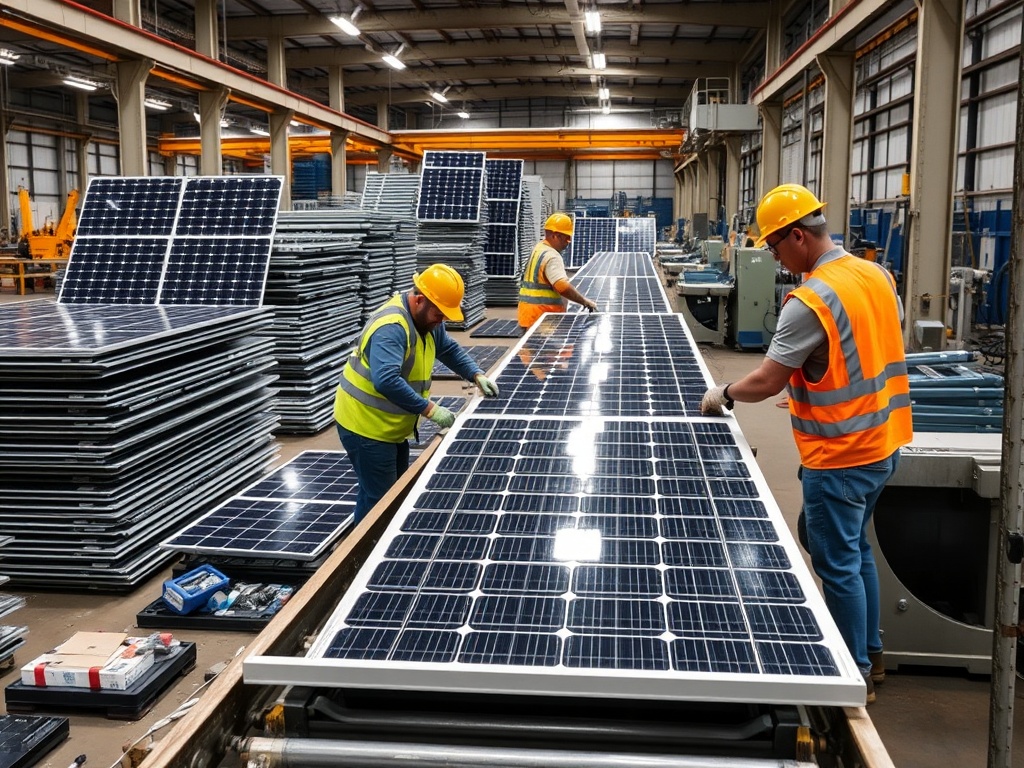
Western Australia has spent years leading residential rooftop solar adoption. That, which sounds like a success story of the energy transition, has just revealed its less comfortable side: when you install panels at massive scale, you are also scheduling a wave of waste that will arrive with clockwork precision. The Western Australian government has just announced an investment of 17.8 million Australian dollars in the Remade in WA program, and the most surface-level reading describes it as an environmental initiative.

The AI Budget That Hurts Most Isn't the One You Lose, It's the One That Never Reaches Where It Matters
May 28, 2026Innovation & Disruption

The AI Budget That Hurts Most Isn't the One You Lose, It's the One That Never Reaches Where It Matters

More than $1.5 trillion in enterprise software valuations evaporated over the last two years. Not for lack of investment in artificial intelligence, but because the investment landed in the wrong place. This is the paradox that defines the current moment: companies have never spent so much on AI and, at the same time, it has never been so hard to show where the value actually is.

Extracting Lithium Without Destroying the Desert Now Has a Technical Architecture
May 24, 2026Sustainability

Extracting Lithium Without Destroying the Desert Now Has a Technical Architecture

The promise of electric mobility rests on a mineral that, to extract it, demands flooding the desert with water that desert does not have. The lithium driving the energy transition narrative reaches the market mainly from enormous solar evaporation ponds occupying kilometers of arid terrain in Chile's Atacama or in Nevada. That system has a structural limit the industry already acknowledges: future lithium demand cannot be met with evaporation ponds.

Radar Reaches One Billion and Shows How Inventory Became Retail's Most Expensive Infrastructure
May 20, 2026Startups

Radar Reaches One Billion and Shows How Inventory Became Retail's Most Expensive Infrastructure

There is a cost that large retailers have absorbed for decades without measuring it precisely: not knowing exactly what they have, where it is, and whether what the system says exists actually exists. That cost does not appear as a separate line on the income statement. It dissolves into compressed margins, cancelled orders, misallocated working hours, and customers who leave without buying.

Namibia Wants to Stop Selling Land and Start Selling the Future
May 15, 2026Sustainability

Namibia Wants to Stop Selling Land and Start Selling the Future

There is a structural difference between a country that exports what is in the ground and one that exports what it can do with it. Namibia has just formalized, through its Minister of Industries, Mines and Energy Modestus Amutse, that it wants to be the latter. The announcement of May 2026 is not just a geopolitical statement of intent: it is an architecture of economic transition with specific metrics, concrete deadlines and identified partners.

Nvidia Finances the Supply Chain That Buys Its Chips
May 11, 2026Startups

Nvidia Finances the Supply Chain That Buys Its Chips

When a company generates $97 billion in free cash flow in a single fiscal year, the question is not whether it can invest. The question is what power architecture it builds with that money and who gets trapped inside it. Nvidia crossed $40 billion in capital commitments in the first five months of 2026, including a $30 billion bet on OpenAI.

China and Southeast Asia's Green Alliance as a Laboratory for Climate Governance
May 5, 2026Sustainability

China and Southeast Asia's Green Alliance as a Laboratory for Climate Governance

While major multilateral forums accumulate declarations without financial architecture behind them, a region representing more than 30% of the global population has spent a decade building something different: a climate cooperation network with functioning projects, committed capital, and transferred capabilities. The comprehensive strategic partnership between China and ASEAN is not just a diplomatic agreement. It is a value distribution model that deserves to be audited with precision, precisely because it works under conditions where other models fail.

The Model That Built Modern Medicine Is Losing Ground to China
April 30, 2026Business Models

The Model That Built Modern Medicine Is Losing Ground to China

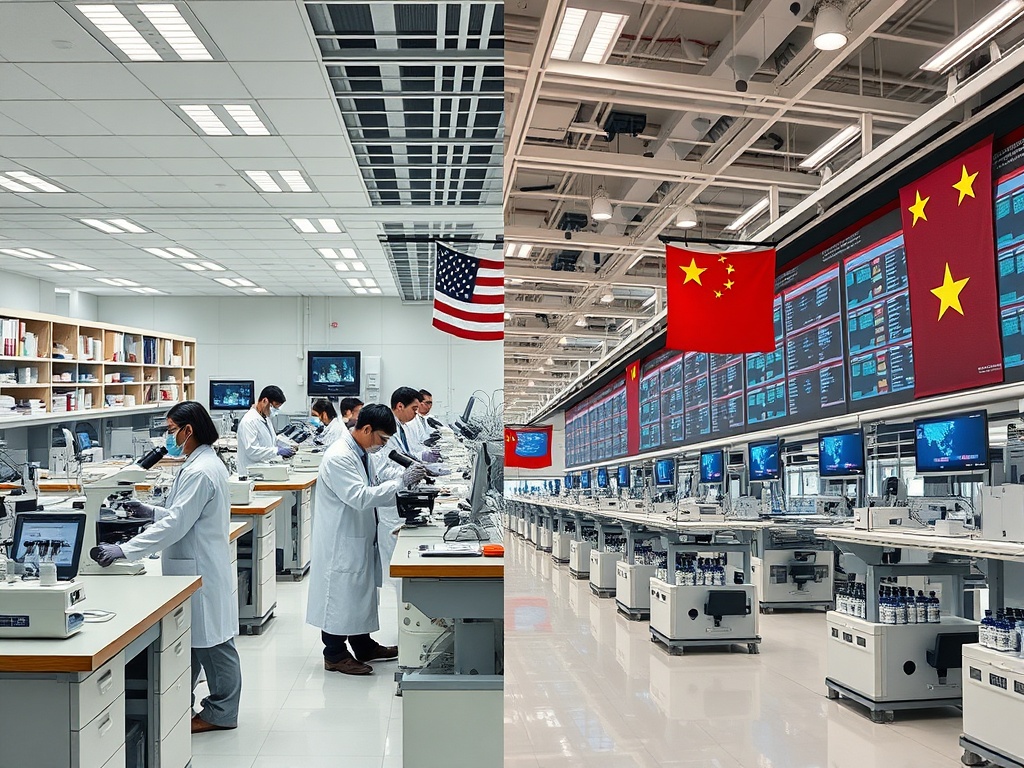
For more than half a century, America's great academic medical centers operated as the invisible infrastructure behind almost every drug that saves lives today. More than half of the patents supporting FDA-approved drugs originated in research generated within these institutions. And yet, that model is being outpaced in speed, scale, and commercial appeal by a competitor that barely appeared on the map a decade ago.

AI Agents on the Factory Floor: Who Gets the Dividend?
April 20, 2026Innovation & Disruption

AI Agents on the Factory Floor: Who Gets the Dividend?

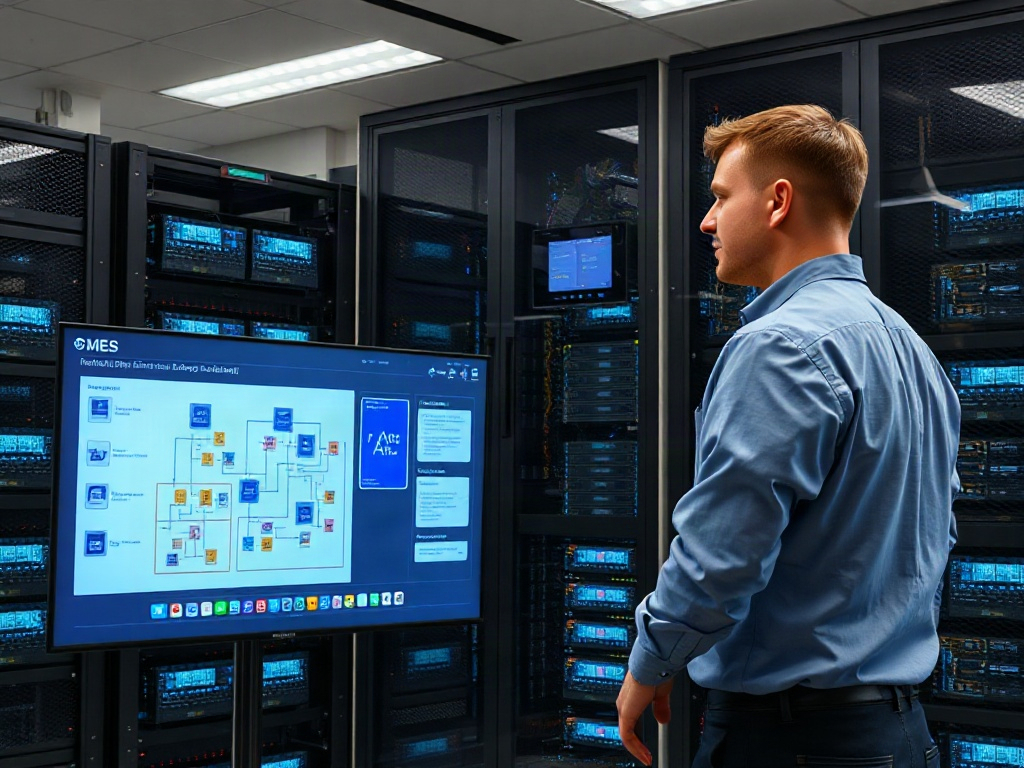
Accenture, Avanade, and Microsoft announced an AI agent system to reduce downtime in manufacturing. The numbers are attractive. The question nobody is asking is who actually captures the value.

645 Fewer Stores and a Bet Few See Coming
April 16, 2026Business Models

645 Fewer Stores and a Bet Few See Coming

7-Eleven isn't retreating: it's auditing its own value chain and eliminating what doesn't sustain it. The question no retail executive should ignore is what to do with assets that drain margin without contributing anything in return.

Fluidstack Valued at $18 Billion as AI Infrastructure Surpasses Models
April 15, 2026Startups

Fluidstack Valued at $18 Billion as AI Infrastructure Surpasses Models

As startups pivot from traditional software to critical AI infrastructure, Fluidstack's valuation reflects a seismic shift in the market.

OpenAI Acquires Financial Talent and Reveals Its Next Battlefront
April 14, 2026Business Models

OpenAI Acquires Financial Talent and Reveals Its Next Battlefront

OpenAI's acquisition of Hiro Finance illustrates that mathematical accuracy is the most precious asset in AI, crucial for managing user finances.

Japan Invests $6.7 Billion in Sovereign AI: The Real Risk Isn’t Technological
April 13, 2026Startups

Japan Invests $6.7 Billion in Sovereign AI: The Real Risk Isn’t Technological

Four Japanese giants form a state-funded AI company. Before celebrating, it’s crucial to assess who captures value and who absorbs risk.

YouTube's Advertising Model Takes a Toll on Its Users
April 12, 2026Business Models

YouTube's Advertising Model Takes a Toll on Its Users

YouTube denies the existence of unskippable 90-second ads while users document them in real time. What’s at stake is a flawed revenue architecture.

The Pentagon Bets on 19-Person Startups to Guard Its Secrets with AI
April 12, 2026Startups

The Pentagon Bets on 19-Person Startups to Guard Its Secrets with AI

When the world's largest technology buyer loses its AI provider overnight, it doesn't turn to the giants. It calls 19-person startups with speedy security certifications.