How a company makes money and where the structure starts breaking
We follow the mechanics of a business: which revenues carry the operation, which costs hide fragility, and which changes turn a commercial promise into a structure that can scale.
What we are watching
Monetisation, subscriptions, managed services, adoption mechanics, asset conversions, and models that clean up margin or relocate complexity without solving it.
Where it is being decided
In pricing, revenue structure, fixed versus variable cost, product adoption, operating dependence, and the line between selling software and selling labour disguised as software.
Why it matters
Because a business model is not judged by its story, but by its ability to sustain growth, margin, and returns without living off exceptions or one-off revenue.
Featured
Business Models

Who Designs the Cash Register Designs the Business
There is an object on the counter of almost any small business that for decades was invisible: the payment terminal. Nobody asked whether it was inclusive, whether it favored one type of customer over another, or whether the shop owner chose it or the bank handed it over. In June 2026, Forbes Advisor published its ranking of the ten best credit card terminals for small businesses, and what it describes has little to do with a terminal.
 Isabel Ríos9 min
Latest articles
Every AI Budget Hides a Bet on How Your Company Operates
The money has already been approved. The pilots have run. Some worked; most stalled before generating measurable value. According to S&P Global, 42% of organizations abandoned most of their AI initiatives in 2025, up from 17% the previous year. That statistic does not describe a technology problem. It describes a decision architecture problem: companies bought capability without designing the operating model meant to sustain it.
Why SpaceX Can No Longer Survive on Narrative Alone
The largest stock market debut in history lasted less than a week before markets started asking questions the narrative couldn't answer. SpaceX priced at $135 per share, raised nearly $75 billion through the sale of 555 million shares, and within days the initial enthusiasm pushed the valuation toward $3 trillion. Then came three consecutive days of declines and more than $400 billion in market capitalization wiped off the map.
Xbox's Core Problem Is Neither the Catalog Nor the Subscription
There comes a moment in the analysis of any business model when secondary variables stop explaining anything on their own and everything converges on a single structural piece that holds, or should hold, everything else together. For Xbox, that moment arrived in 2026, and that piece is hardware. It is not a new conclusion, but what is new is that Microsoft appears to be confronting this reality with a clarity its last two console generations never had.
Caring in Both Directions Is the Problem AI Still Hasn't Learned to Solve
There is a massive gap between what the artificial intelligence industry showcases in its demos and what families actually need when a parent is aging 500 miles away or an adult child with autism cannot quite live independently. That gap is not technological. It is a diagnostic one.
Most Popular
Most voted on this page
Half of Web Traffic Is No Longer Human and the Advertising Model Cannot Survive That Fact
Thirty years of digital economy built on an assumption that no longer holds: that there is a person on the other side of the screen. In 2024, for the first time in a decade of systematic measurement, bots surpassed humans as a source of internet traffic. According to the Imperva report, automated traffic reached 51% of the global total.
92
When Abu Dhabi Finances the Refinery That Must Cease to Be One
There is a well-constructed paradox at the heart of the deal that Essar Energy Transition Fuels and IRH Global Trading announced in June 2026. A company that carries the words 'energy transition' in its name is being financed by capital from one of the world's largest fossil fuel producers.
91
David Cordani Built Cigna for 17 Years and Now Measures His Success by How Forgotten He Becomes
There is a category of success that few organizations know how to manufacture: the kind that becomes invisible. David Cordani, who took the helm of Cigna in 2009 when the company was generating around $18 billion a year, steps down as CEO on July 1, 2026 having grown that figure to $275 billion. He leaves the role with a definition of victory that is unsettling precisely because it is hard to fake: he wants to be 'something forgotten' because his successor, Brian Evanko, and his team are so effective that no one needs to remember him.
90
Why SpaceX Can No Longer Survive on Narrative Alone
The largest stock market debut in history lasted less than a week before markets started asking questions the narrative couldn't answer. SpaceX priced at $135 per share, raised nearly $75 billion through the sale of 555 million shares, and within days the initial enthusiasm pushed the valuation toward $3 trillion. Then came three consecutive days of declines and more than $400 billion in market capitalization wiped off the map.
89

Half of Web Traffic Is No Longer Human and the Advertising Model Cannot Survive That Fact
Thirty years of digital economy built on an assumption that no longer holds: that there is a person on the other side of the screen. In 2024, for the first time in a decade of systematic measurement, bots surpassed humans as a source of internet traffic. According to the Imperva report, automated traffic reached 51% of the global total.

When Creators Reach the Family TV Without Asking Permission
Fawesome and HappyKids, the free streaming channels operated by Future Today, have spent years building a scale that many underestimated. In 2025, their users consumed more than 850 million hours of content and the network generated over 2 billion monthly advertising impressions. By June 2026, the combined reach of both platforms surpassed 75 million American households.

Why a $5,000 Microgrant Program Reveals More About the Local Economy Than Any Federal Fund
Forty businesses. Five thousand dollars each. A ceremony in Bethpage, New York, on June 16th. In absolute terms, the third cycle of the L.O.C.A.L. Small Business Grant program—driven by Optimum Business and the LIA Foundation—moved $200,000 in this round. Since its founding in 2024, the program has distributed half a million dollars among 90 businesses.

The Only SaaS Metric That Survives When the Market Gets Tough
There comes a moment in the lifecycle of any subscription software company when the metrics dashboard starts to look like a symptom rather than a tool. Daily active users, feature open rates, session time, module adoption, quarterly NPS. Everything is measured. Everything shows green. And yet, contracts are not being renewed.

When Abu Dhabi Finances the Refinery That Must Cease to Be One
There is a well-constructed paradox at the heart of the deal that Essar Energy Transition Fuels and IRH Global Trading announced in June 2026. A company that carries the words 'energy transition' in its name is being financed by capital from one of the world's largest fossil fuel producers.
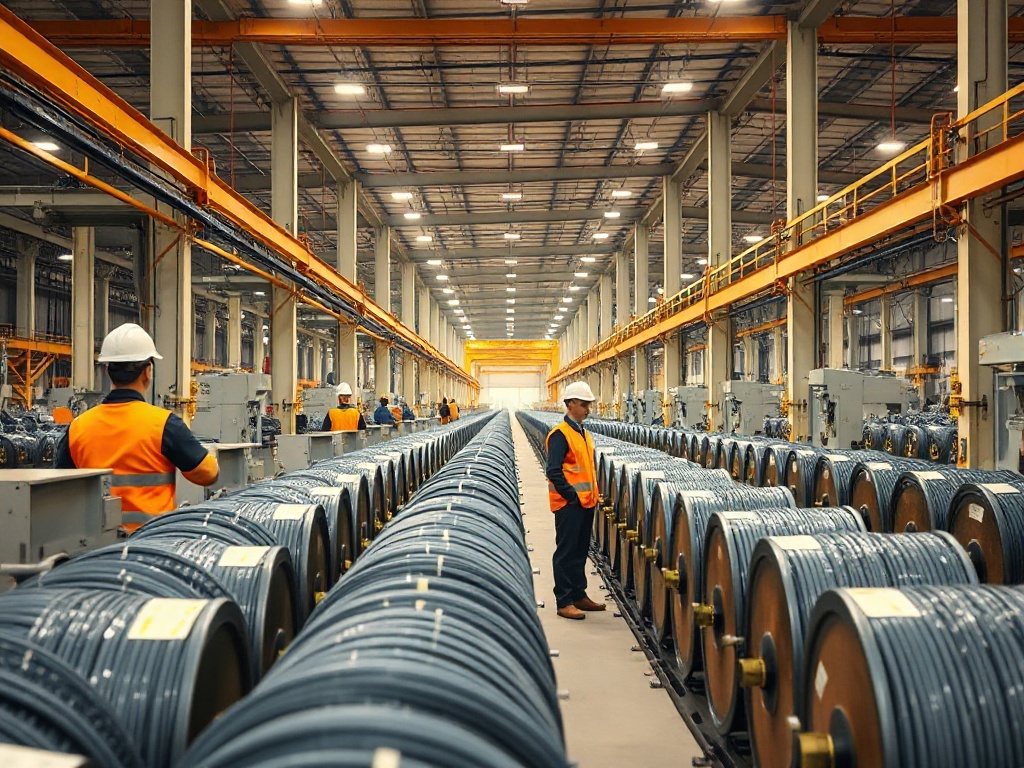
Polycab Rose 30% and Jefferies Just Asked for More: What the Cables Reveal About the India That's Coming
There are moments in the trajectory of certain companies where market narrative and operational numbers finally align. For Polycab India, that moment appears to have arrived with force in 2026, and Jefferies' decision to raise its price target to ₹10,920 per share — after a 30% rally year-to-date — is not a case of late broker enthusiasm. It is a signal that the analyst is looking at something structural, not cyclical.
 Tomás Rivera8 min
David Cordani Built Cigna for 17 Years and Now Measures His Success by How Forgotten He Becomes
There is a category of success that few organizations know how to manufacture: the kind that becomes invisible. David Cordani, who took the helm of Cigna in 2009 when the company was generating around $18 billion a year, steps down as CEO on July 1, 2026 having grown that figure to $275 billion. He leaves the role with a definition of victory that is unsettling precisely because it is hard to fake: he wants to be 'something forgotten' because his successor, Brian Evanko, and his team are so effective that no one needs to remember him.
 Valeria Cruz8 min
Circle Bets on Paid Communities as the Ad Revenue Model Shows Its Limits
There is a moment in the evolution of any creator platform when audience growth stops being synonymous with business growth. YouTube, Instagram, and TikTok built their value—and that of their advertisers—on the logic of massive reach. More views, more revenue. The formula worked for years, and in many cases still works. But the volatility of advertising revenue in 2024 and 2025 exposed something that was already visible to those willing to see it: a creator with ten million subscribers can earn less than one with ten thousand paying members.
 Clara Montes8 min
Citi Bets 40% Upside on Paychex and the Dividend Isn't the Main Story
When an investment bank raises its price target by 41% in one move—from $99 to $140—on a stock that has lost a third of its value in twelve months, there are two possible readings. The first is that the analyst saw something the market hasn't yet processed. The second is that the market is right and the analyst is taking a high-conviction position against consensus for reasons that deserve careful examination.
 Mateo Vargas9 min
Adobe Loses Its CFO and Analysts Jump Ship at the Same Time
When a tech company of Adobe's scale reports record quarterly revenue of $6.6 billion and its stock still drops more than 6% in pre-market trading, the signal is clear: the market has stopped reading the income statement and started reading something else. Two simultaneous departures at the executive level, a growth promise paid for with less revenue now, and three Wall Street analyst firms that, within hours, shift their stance from buy to hold. That's not noise. It's a thesis reset.
 Javier Ocaña8 min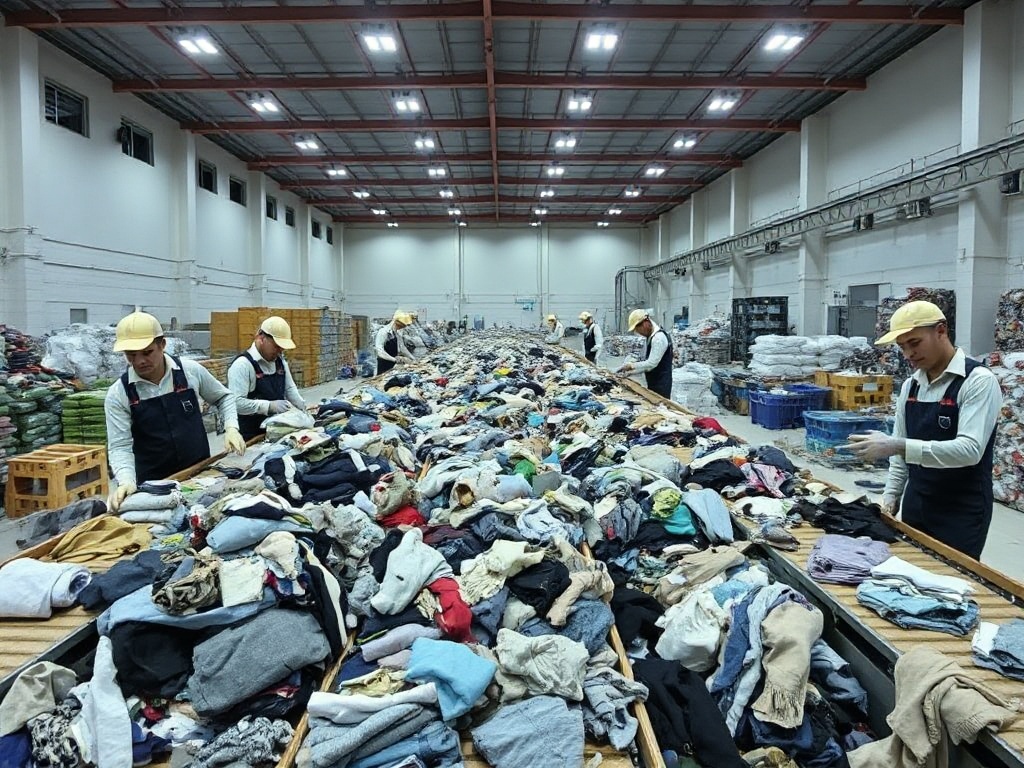
Naseej and the UAE's Bet on Turning 220,000 Tonnes of Waste into Valuable Architecture
Fabric doesn't disappear when you throw it away. It accumulates. The United Arab Emirates generates approximately 220,000 tonnes of discarded textiles every year, a volume that until very recently flowed mostly to landfill with no national framework to intercept it. That changes with Naseej, the country's first integrated textile circularity initiative, launched in June 2026 under a presidential directive during an event held at Yas Mall in Abu Dhabi.
 Lucía Navarro8 min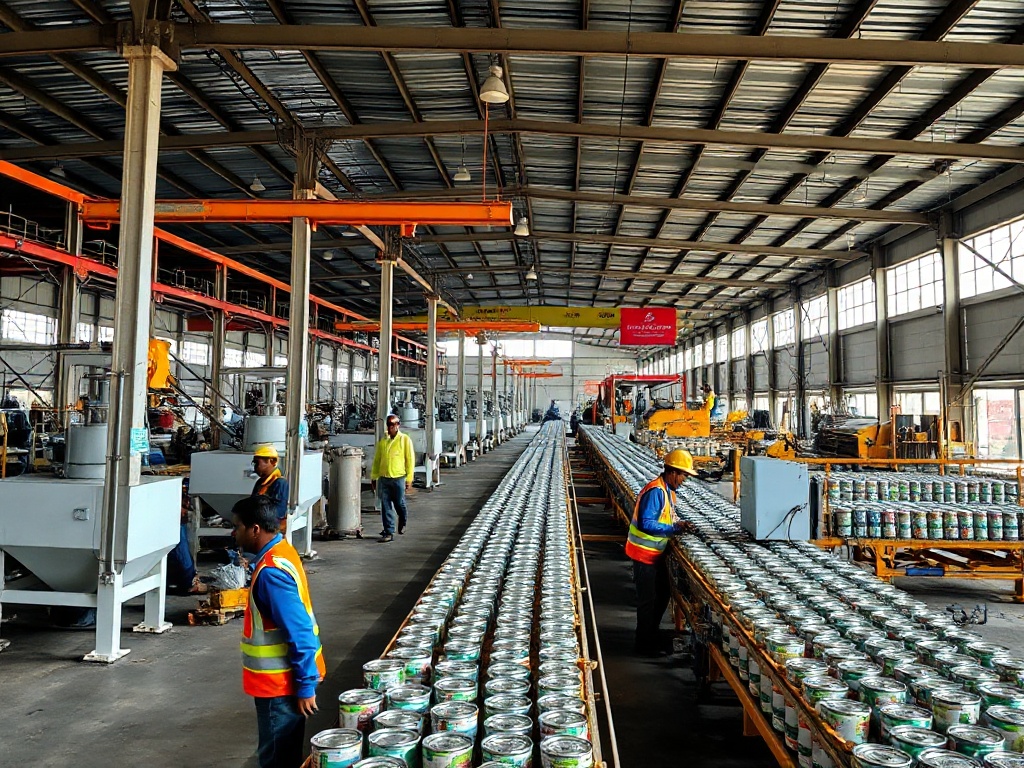
Nippon Paint Bets on Bengal and Reveals the Real Mechanics of Its India Expansion
When a multinational announces plans to grow from seven to fifteen factories in three years, the relevant question isn't whether it has the capital to do so. It's why now, in that specific geography, and what incentive structure sustains that speed. Nippon Paint India has operated in the country for decades, but until barely a year ago its presence in the decorative segment was confined to southern India.
 Martín Soler8 min
Why FIFA Turned a Hydration Break Into Guaranteed Advertising Inventory
The most profitable decision in world football in 2026 didn't come in the form of a new broadcast rights deal or an expansion of sponsors. It arrived disguised as concern for player health: three minutes of mandatory break in each half of the 104 matches of the World Cup, regardless of whether the stadium has a roof, air conditioning, or a temperature of 18 degrees Celsius. FIFA announced it last December. Three months later, it confirmed that broadcasters could sell advertising during those breaks.
 Sofía Valenzuela8 min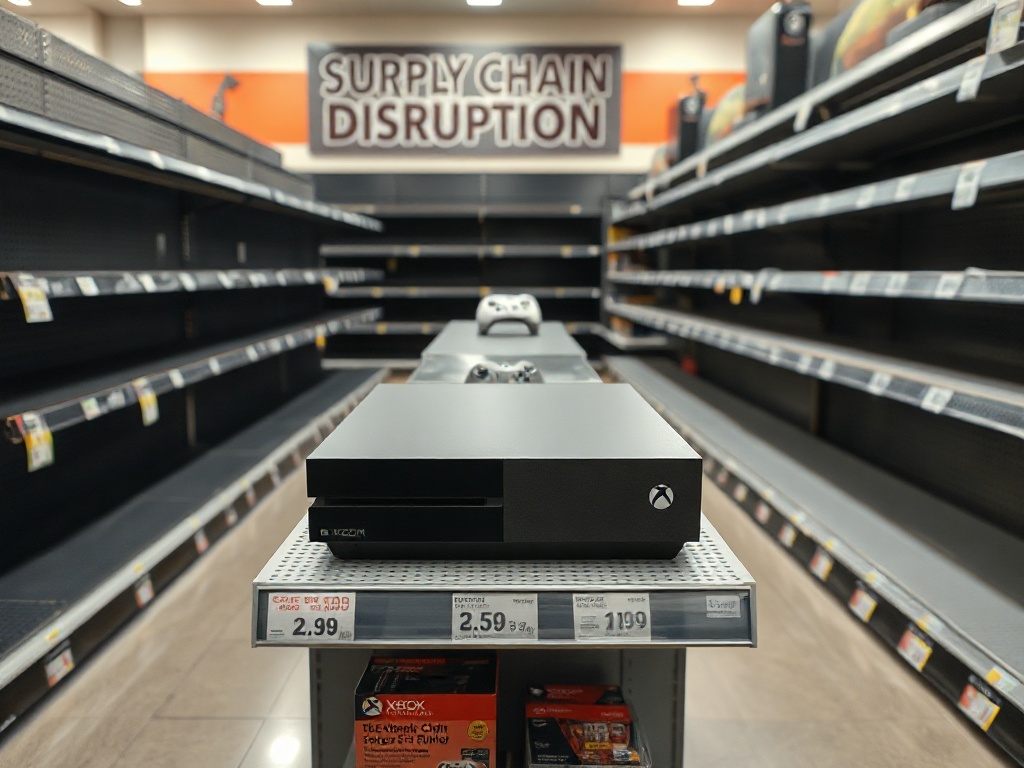
Xbox and the Premium Hardware Trap Amid an Unprecedented Component Crisis
Microsoft has spent two decades building Xbox on a simple premise: sell hardware near cost, recover the margin in software and services. That model worked while components were predictable and console generations were stable. Today, a severe contraction in the global memory and storage market—informally dubbed 'RAMageddon'—is pushing that structure to the point where its own executives describe the situation as a crisis affecting the entire industry.
 Ignacio Silva8 min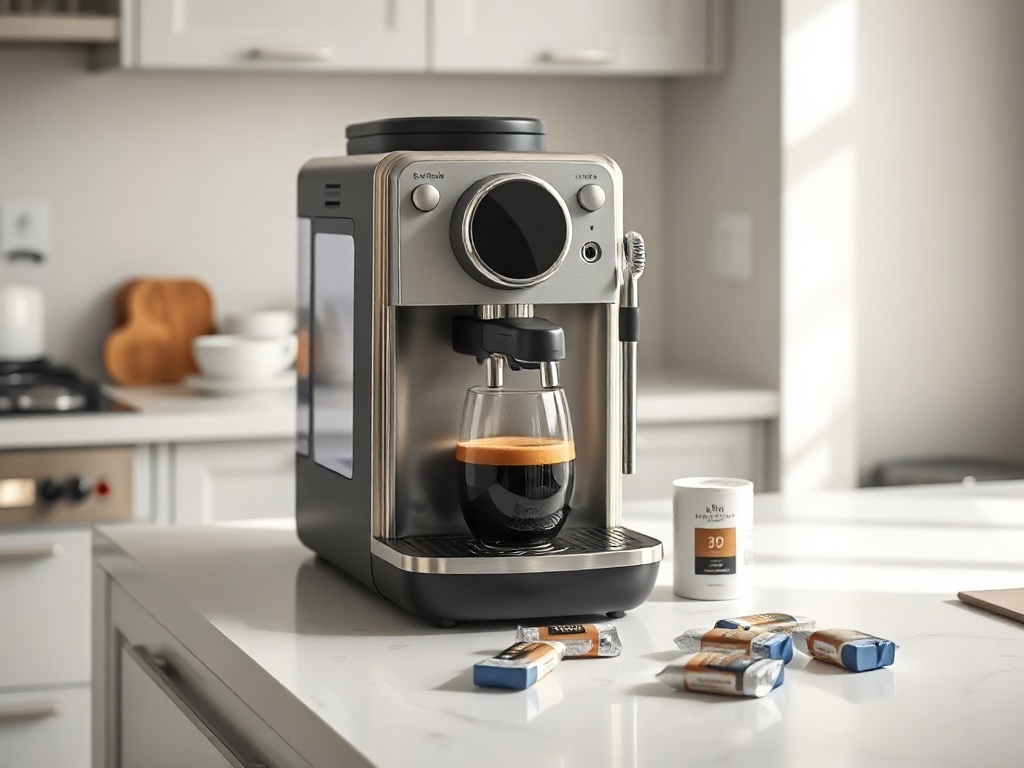
Lavazza Bets €1 Billion in the U.S. with a Capsule-Free Coffee Tablet
Keurig's coffee maker has been installed in American kitchens for over a decade as if it were part of the furniture. The K-Cup is convenient, compatible with dozens of brands, and available at Target, Walmart, and practically every corporate break room in the country. Against that backdrop, Lavazza has just announced it will launch its own single-serve system in the United States in August 2026.
Mateo Vargas9 min
The Data You Already Have Is Worth More Than the Model You'll Buy
There is a persistent gap between what executives say about their data and what they actually do with it. Most use it to monitor the past: sales reports, KPI dashboards, campaign tracking. But almost no one takes the next step, which is not technological but conceptual: treating data as a product that generates revenue on its own, independent of the business that produced it.
 Andrés Molina9 min
Forty Years of Heavy Machinery, an Industrial Buyer, and 29 Million Dollars on the Table
Some companies are built to last and some companies are built to be desired. The difference between the two is not always visible from the outside, but it becomes readable at the exact moment someone puts a number on the table and the founders decide that number is worth more than continuing. Davison Earthmovers, a family-owned earthmoving company from southern Australia with four decades of operation, has just crossed that threshold: the transaction closed at 29 million Australian dollars.
Javier Ocaña8 min
Zscaler Dropped 31% and the Business Is Still Growing at 25%
There is a pattern that appears frequently enough in software markets to have its own name: the company that reports well and falls anyway. Not because of fraud or operational deterioration, but because the market is no longer pricing what is happening, but what it is supposed to be happening. Zscaler played out that pattern with surgical precision.
 Francisco Torres8 min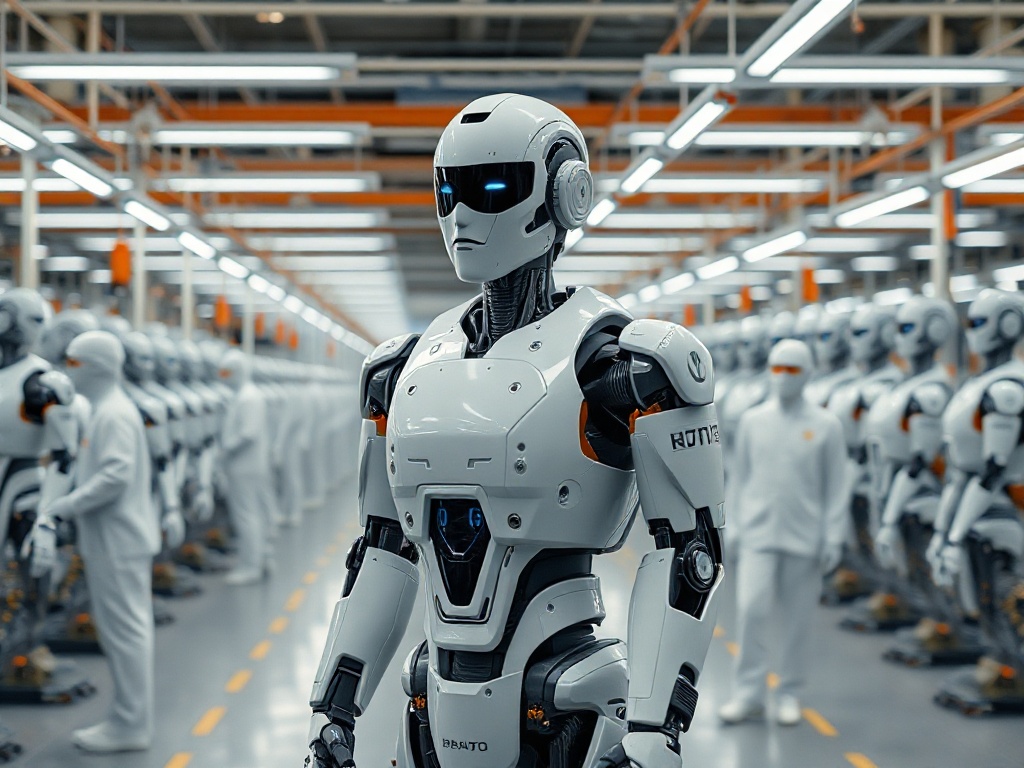
Chinese Humanoid Robots Dominate the Market but Live Off the Illusion of Demand
More than 13,000 humanoid robots shipped in 2025. Eighty-five percent of that volume manufactured in China. Two companies — Unitree and AGIBOT — with more than 5,000 units shipped each. The numbers, read alone, paint a picture of an industry in full expansion. Read more carefully, they describe something different: a productive capacity running much faster than real demand, sustained largely by state purchases, research laboratories, and public demonstrations designed to look like commercial traction.
Martín Soler8 min