How a company makes money and where the structure starts breaking
We follow the mechanics of a business: which revenues carry the operation, which costs hide fragility, and which changes turn a commercial promise into a structure that can scale.
What we are watching
Monetisation, subscriptions, managed services, adoption mechanics, asset conversions, and models that clean up margin or relocate complexity without solving it.
Where it is being decided
In pricing, revenue structure, fixed versus variable cost, product adoption, operating dependence, and the line between selling software and selling labour disguised as software.
Why it matters
Because a business model is not judged by its story, but by its ability to sustain growth, margin, and returns without living off exceptions or one-off revenue.
Featured
Business Models
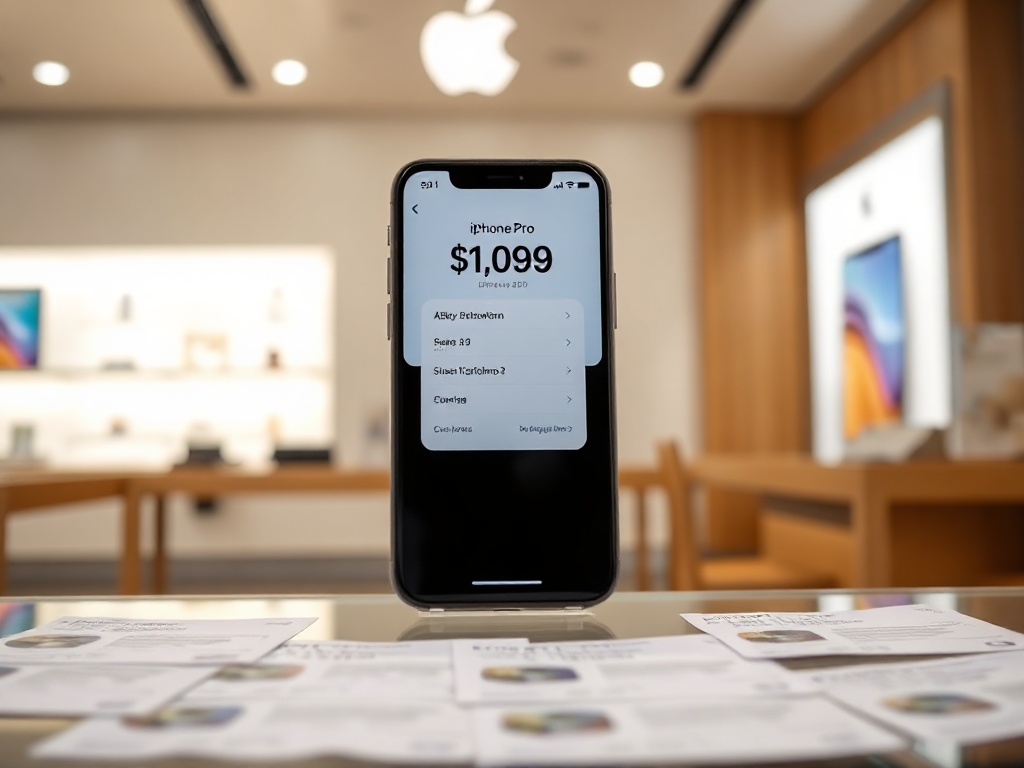
The iPhone 18 Pro Costs $1,099, But You'll Pay Much More Than That
Apple has spent years perfecting a particular art: setting prices that appear stable while the user's actual spending quietly rises without anyone announcing it on stage. With the iPhone 18 Pro, that mechanism reaches its most sophisticated version yet. Market expectations are that the device will maintain its launch price around $1,099, the same level as the iPhone 17 Pro.
 Camila Rojas8 min
Latest articles
Maruti Reclaims Lost Ground with Its First Real Market Share Gain in Six Years
There is one number that sums up six years of strategic history in the Indian automotive industry: 42%. That is the market share Maruti Suzuki India Limited recorded in April 2026, the first month of fiscal year 2026-27. The previous year had closed at 39%.
How Palo Alto Networks Is Betting That Cybersecurity Grows With AI, Not Dies Because of It
When Nikesh Arora declared that 'the SaaS apocalypse is dead, at least in cybersecurity', he wasn't simply rallying his investors after a tough quarter. He was drawing a dividing line on the software industry map: on one side, the models that artificial intelligence threatens to make obsolete; on the other, those that feed on the very same force that was supposedly going to destroy them.
Australia Invests $17.8 Million to Recycle Solar Panels Before the Problem Becomes Unmanageable
Western Australia has spent years leading residential rooftop solar adoption. That, which sounds like a success story of the energy transition, has just revealed its less comfortable side: when you install panels at massive scale, you are also scheduling a wave of waste that will arrive with clockwork precision. The Western Australian government has just announced an investment of 17.8 million Australian dollars in the Remade in WA program, and the most surface-level reading describes it as an environmental initiative.
Wockhardt Bet 25 Years on a Niche the Industry Abandoned
When the major multinational pharmaceutical companies decided to exit antibiotic research, they did so with perfectly rational arguments: treatment cycles are short, antimicrobial stewardship programs compress volumes, and generic erosion arrives quickly. The return on investment simply did not add up. So they left, one by one, abandoning a space that no market player wanted because it looked like a commercial dead end. Wockhardt decided to stay.
Most Popular
Most voted on this page
Wockhardt Bet 25 Years on a Niche the Industry Abandoned
When the major multinational pharmaceutical companies decided to exit antibiotic research, they did so with perfectly rational arguments: treatment cycles are short, antimicrobial stewardship programs compress volumes, and generic erosion arrives quickly. The return on investment simply did not add up. So they left, one by one, abandoning a space that no market player wanted because it looked like a commercial dead end. Wockhardt decided to stay.
91
When European Factories Become China's Cheapest Asset
There is a pattern that repeats itself when an industry enters forced transition: the assets that once defined the strength of a sector end up being acquired by those who arrived later, with less history and structurally different costs. The European automotive industry is living through that sequence now, not as a metaphor, but as a concrete movement of capital and productive capacity. What The Telegraph headline captures — China taking control of Europe's decaying factories — does not describe just a one-off transaction.
90
How Palo Alto Networks Is Betting That Cybersecurity Grows With AI, Not Dies Because of It
When Nikesh Arora declared that 'the SaaS apocalypse is dead, at least in cybersecurity', he wasn't simply rallying his investors after a tough quarter. He was drawing a dividing line on the software industry map: on one side, the models that artificial intelligence threatens to make obsolete; on the other, those that feed on the very same force that was supposedly going to destroy them.
88
VAST and the $200 Million Bet on Chinese Generative 3D AI
Simon Song was 29 years old when he closed a $200 million round and crossed the billion-dollar valuation threshold. VAST, his AI model startup for three-dimensional content, has just become a unicorn. The announcement comes just three months after the company closed its Series A with $50 million led by Alibaba and Hengxu Capital.
88

Oppo and Instagram Bet on Micro Creators — and That Says More About Their Business Models Than About India
When two corporations the size of Oppo and Meta sit down to design a joint program with certifications, mentorship, and monthly content amplification, the question worth asking is not what the creator gains. The question is what business structure is sustaining that generosity, and whether that scaffolding has a backbone or is simply a public relations campaign with a proper name. The Oppo LUMO Creator Program was announced in India in June 2026.
VAST and the $200 Million Bet on Chinese Generative 3D AI
Simon Song was 29 years old when he closed a $200 million round and crossed the billion-dollar valuation threshold. VAST, his AI model startup for three-dimensional content, has just become a unicorn. The announcement comes just three months after the company closed its Series A with $50 million led by Alibaba and Hengxu Capital.

How a Nashville Bookstore Became the Model Nobody Expected
There are industries that don't die all at once. They erode. They cede ground little by little, first at the margins, then at the center, until one day the last player closes and everyone nods as if it had been inevitable. That is what happened to independent bookstores in the United States during the first decade of the century. And it was precisely at that moment, when the narrative of collapse seemed sealed, that Ann Patchett opened Parnassus Books in Nashville.
LKQ Corporation Trades as If the Business Is Broken, but Revenue Tells a Different Story
There is a type of stock market discount that deserves attention and another that deserves caution. The difference lies in the origin of the decline. When a stock loses a quarter of its value while revenues rise, the market is not reading the destruction of a business: it is punishing the loss of profitability on every dollar sold.
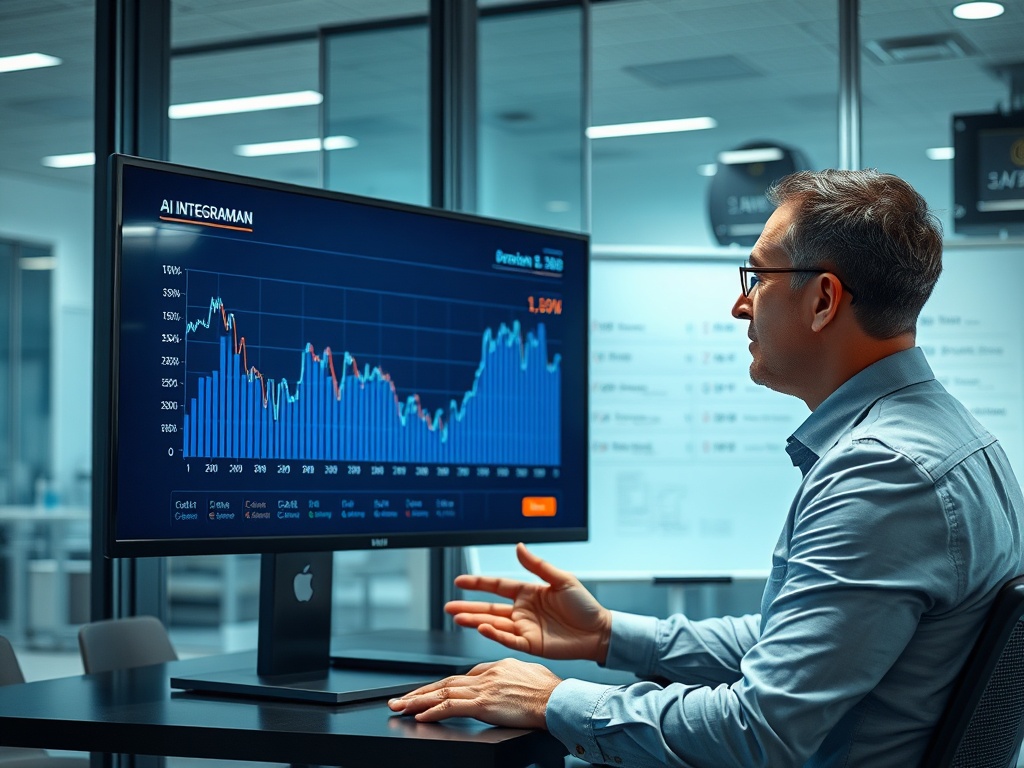
Asana Bought Time, Not a Solution
There is a moment when a company stops managing its transition and starts managing its fear. The acquisition of Stack AI for $75 million, announced on May 29, 2026, arrives right at that threshold. Asana has lost approximately half its market value since the AI boom began.
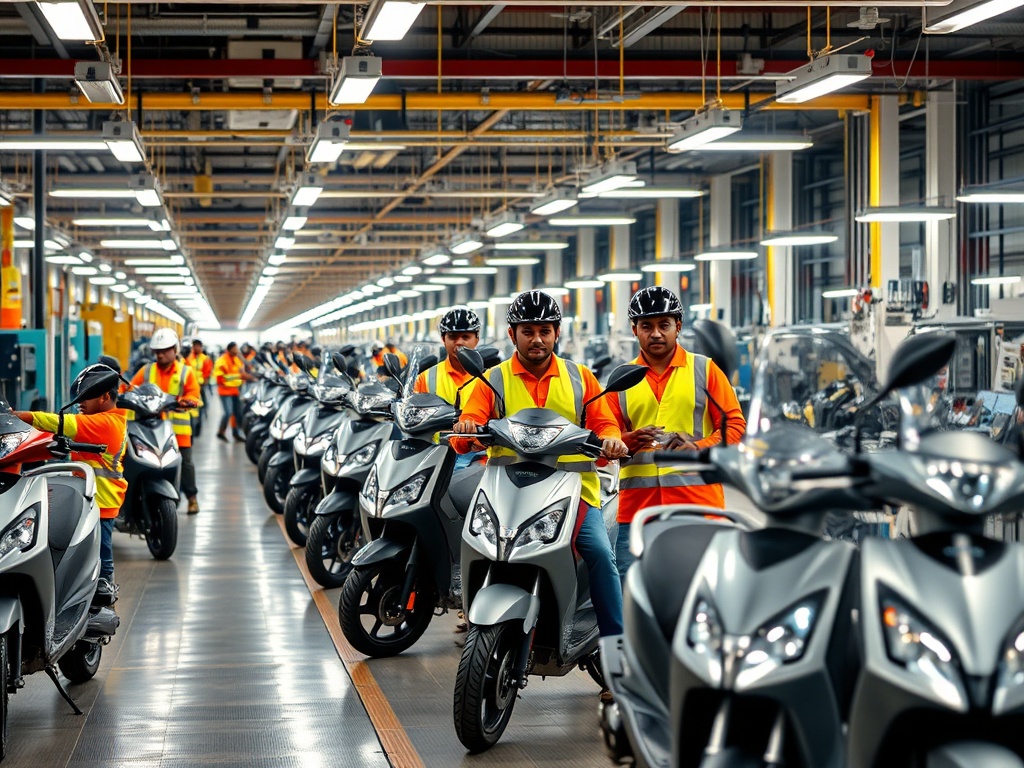
Ola Electric Rises 93% from Lows, But the Real Question Is What's Sustaining the Recovery
The stock market forgave Ola Electric in a matter of weeks. From its all-time low of 22.25 rupees per share, recorded in March 2026, the Indian electric scooter manufacturer accumulated a 93% recovery in just two months, reaching 42.88 rupees on the National Stock Exchange of India by late May. But there is an inconvenient gap that no stock market rebound can hide: Ola Electric's all-time high was 157.40 rupees per share.
 Francisco Torres9 min
How a Fortnite Creator Built a 25-Person Studio Without Leaving the Game
There is a specific moment in Andre Rebelo's trajectory that deserves more attention than the launch of his Fortnite skin. It's not the day Epic Games added him to the Icon Series. It's the moment before, when Rebelo stopped asking himself what content he could produce and started asking what he could build.
 Sofía Valenzuela8 min
Spotify Bets on Charging More, Not Growing More
There comes a moment in the life of every digital platform when the game changes completely. You stop obsessing over how many users you have and start asking how much money you can extract from the ones already there. Spotify just announced it has reached that moment, and Bank of America is cheering from the front row.
 Clara Montes8 min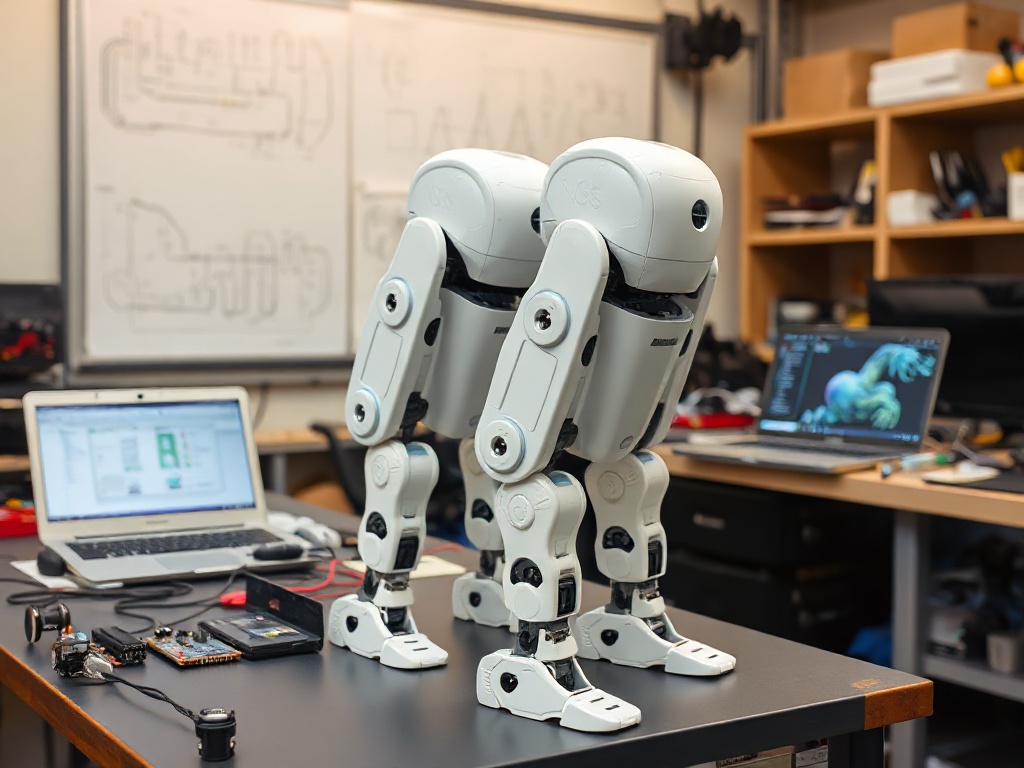
Robot Legs for $2,500 and What That Tells the Humanoid Market
Hugging Face has just published the blueprints, wiring, and software to build a pair of humanoid legs for approximately $2,500 in parts. No arms, no torso, no head. Just bipedal 3D-printed legs assembled with off-the-shelf components. The question this opens is not technical. It is structural: when an AI platform decides to lower the entry cost of robotic hardware to the price of a mid-range laptop, it is moving a piece on the board that does not move out of mere generosity.
 Martín Soler8 min
Two Companies With No Employees, No Office, and Valued at Over Half a Million Euros Each
There is one figure that explains almost everything: €585,000 collected in the first business, valued at €900,000, without a single client meeting and without hiring anyone. The second business followed the same pattern. By 2022, its valuation reached €560,000 with €90,000 raised.
 Diego Salazar7 min
Repsol Turns Kitchen Waste into 200,000 Tons of Diesel Per Year
There is a logic that for decades seemed immovable in the oil industry: value lay in crude oil, in geology, in whoever controlled the subsoil. Repsol has just proven that this logic has visible cracks. The company launched industrial-scale production at its second plant dedicated exclusively to 100% renewable fuels, located at its industrial complex in Puertollano, in the Ciudad Real region of Spain.
 Gabriel Paz9 min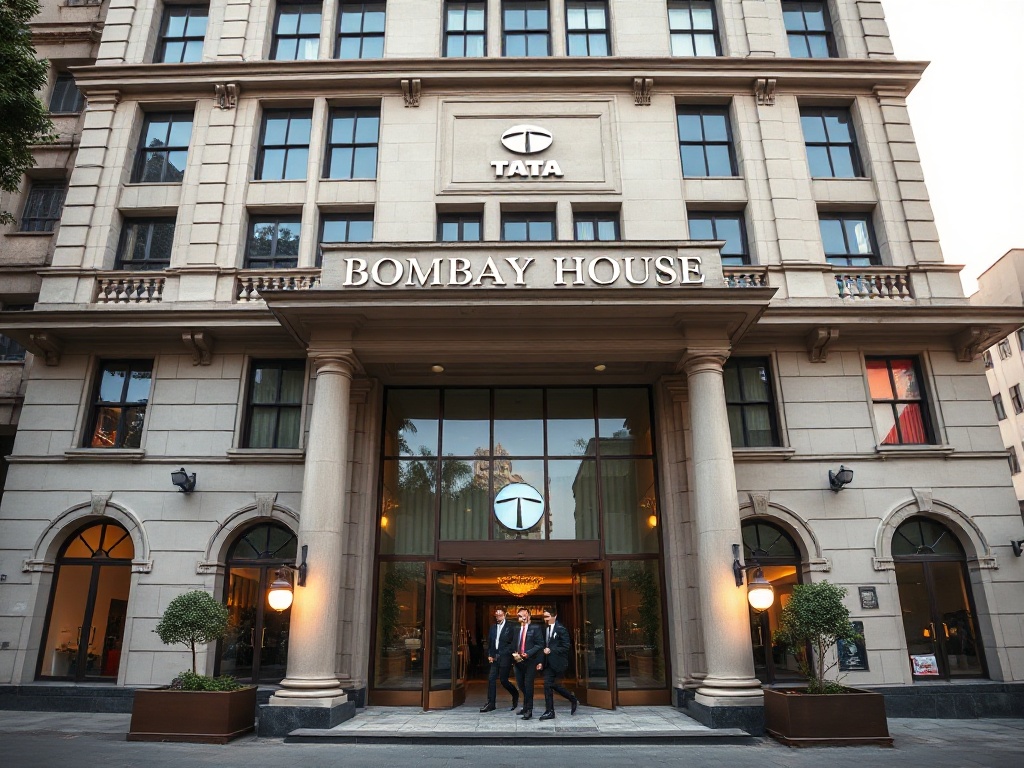
Tata Sons Bets ₹29 Billion Without Proving Market Demand
On May 26, 2026, at Bombay House, the neoclassical building in Mumbai where the Tata Group has made its most important decisions for over a century, the six members of Tata Sons' board of directors met for approximately six hours. There were no public statements upon leaving. What is documented is this: the unlisted companies of the Tata Group accumulated losses of ₹10,905 crore in fiscal year 2025, and internal estimates suggest that figure could climb to ₹29,000 crore as investment accelerates in aviation, digital, and electronics.
 Tomás Rivera9 min
When Companies Hire the Influencer Instead of Renting Them
There is one number that changes everything: 919%. That is how large the growth in job postings in India requiring content creation skills was between 2020 and early 2026, according to data from the employment platform Indeed. This is not a marginal variation or an emerging trend. It is a structural reconfiguration of the hiring model in marketing.
 Andrés Molina7 min
DNA as Source Code and Why the Model Matters More Than the Model
There is a moment in the history of any scientific field when the language changes before reality does. First, we start talking about something as if it were already true; then, slowly, it is. With programmable biology, we are at that threshold. DNA, for decades an object of reading, is becoming an object of writing.
 Mateo Vargas9 min
CDP Raises Its Stake in Nexi and Redefines Who Controls Italian Digital Payments
The Italian state did not privatize Nexi only to forget about it. What CDP Equity S.p.A., the investment arm of Cassa Depositi e Prestiti, has just done is a clear signal that Rome has a very defined stance on who controls the country's payments infrastructure — and it is prepared to defend that stance with capital. The board of CDP Equity approved in late May 2026 the possibility of increasing its stake in Nexi S.p.A. to a maximum of 29.9 percent.
Francisco Torres8 min
Codex Is OpenAI's Bet to Prove It Can Make Money
There is a pattern that repeats itself in the history of tech companies looking to open up to capital markets: the moment when the narrative of massive users is no longer enough and they need to show something more concrete. OpenAI is there. And the tool it chose to make that argument is not ChatGPT, but Codex, its software development assistance product, which in the last two months has received updates at a frequency no competitor has matched.
 Elena Costa8 min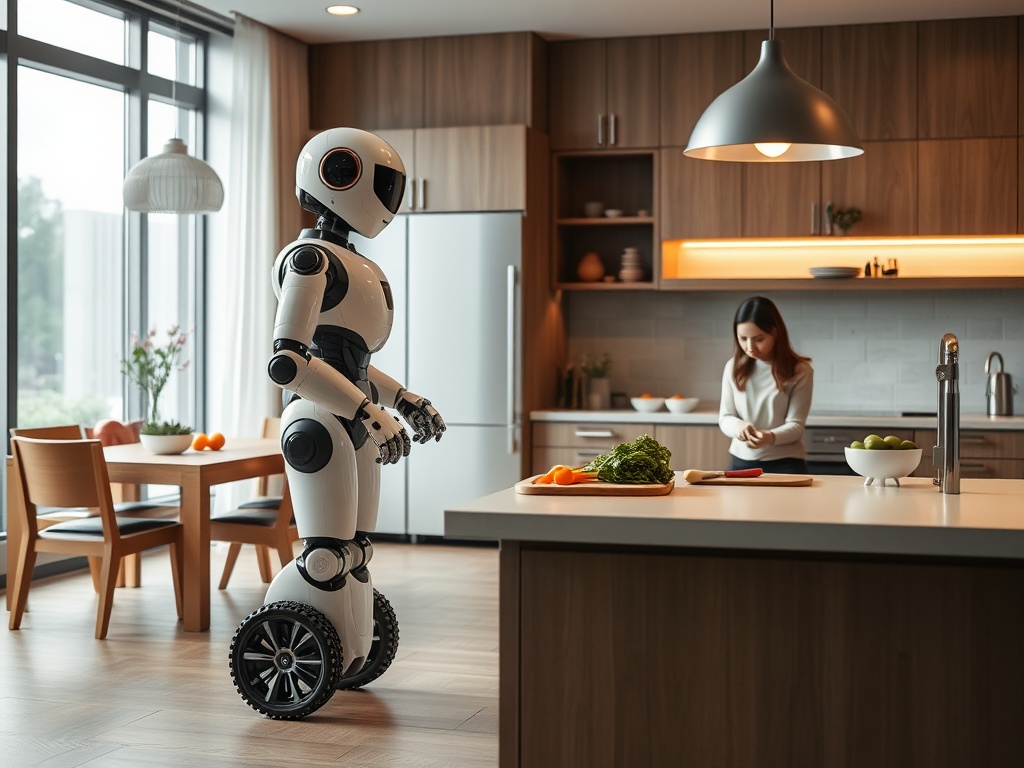
China's Robot Butler Now Has an Address and a Price Tag
China isn't testing whether a robot can mop a factory floor. It's testing whether it can mop your living room floor, make your bed, and fry an egg while you shower. That's exactly what GigaAI, a startup founded in 2025 with backing from Huawei's investment arm, announced in May 2026: the SeeLight S1, a dual-arm wheeled humanoid robot designed specifically for the home environment.
Clara Montes9 min
When Noise Is Worth Less Than Evidence: The New Game of Indian Founders
For nearly a decade, startup journalism in India operated like a well-oiled machine: a company raised capital, the media published the announcement, that announcement attracted more investors and talent, and the cycle kept spinning. The fuel was abundant and cheap. Between 2015 and 2021, global interest rates were at rock bottom, venture capital flowed into India at record speeds, and the newsrooms covering the ecosystem grew right along with it.
Camila Rojas8 min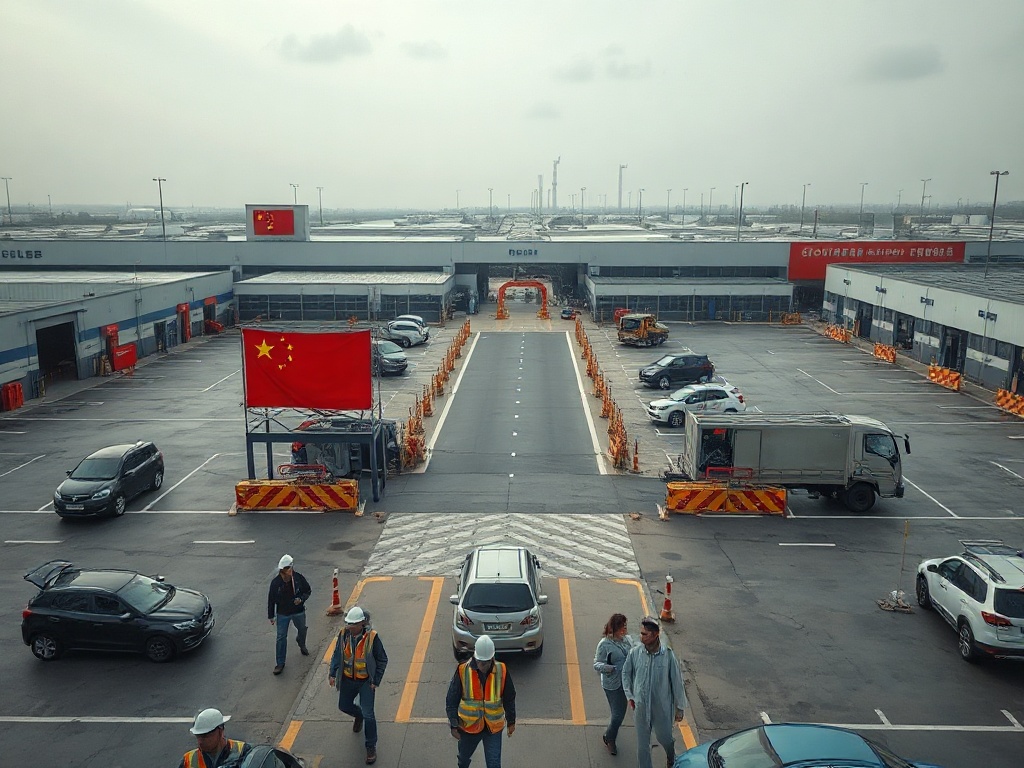
When European Factories Become China's Cheapest Asset
There is a pattern that repeats itself when an industry enters forced transition: the assets that once defined the strength of a sector end up being acquired by those who arrived later, with less history and structurally different costs. The European automotive industry is living through that sequence now, not as a metaphor, but as a concrete movement of capital and productive capacity. What The Telegraph headline captures — China taking control of Europe's decaying factories — does not describe just a one-off transaction.
Martín Soler7 min