What the numbers say before the market admits it
We read balance sheets, multiples, credit, and capital allocation to spot where the public narrative no longer matches the financial structure carrying a company or a sector.
What we are watching
Quarterly results, debt, private credit, turnarounds, stretched valuations, and corporate moves where the relevant fact is rarely the most repeated headline.
Where it is being decided
In liquidity, exposure, concentration of profits, the ability to finance a recovery, and the distance between a seductive story and the patience capital is actually willing to show.
Why it matters
Because finance does not just describe the past. It also shows how much room a company still has to keep promising, correcting, or holding the line before the market demands something else.
Featured
Finance
UEM Sunrise Converts Premium Land into Capital Without Taking on Construction Risk
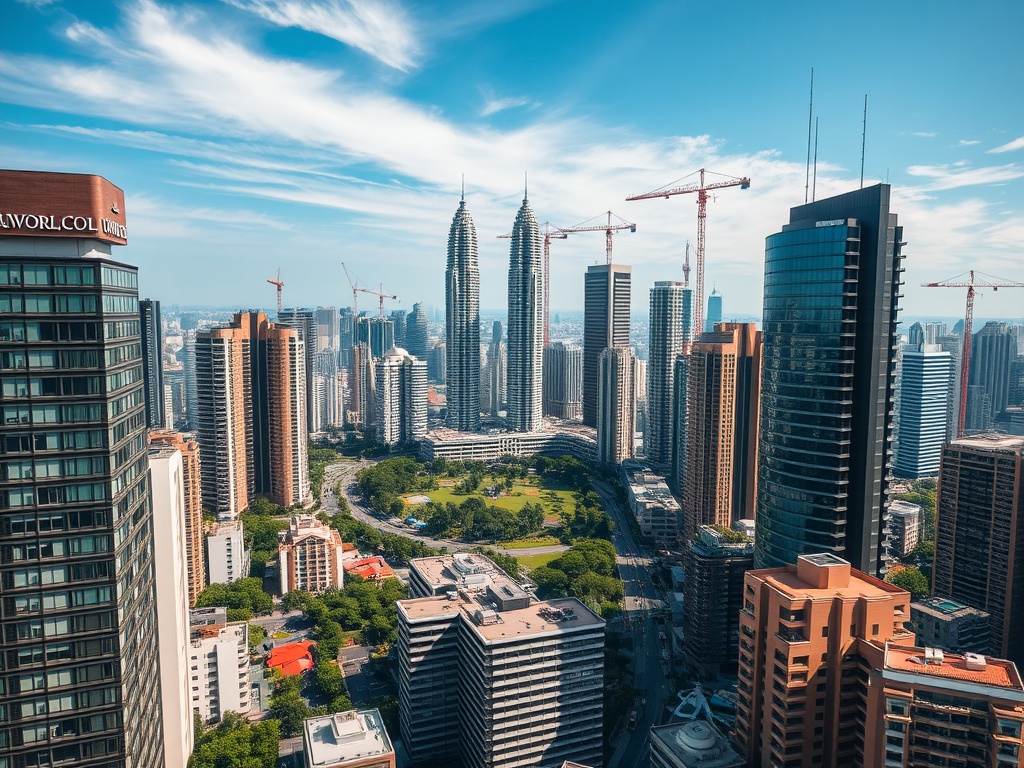
At the corner where Jalan Ampang meets Jalan P. Ramlee, metres from the KLCC perimeter, sits a 1.6-acre plot that has remained on UEM Sunrise's balance sheet for years without generating direct operating returns. On 3 July 2026, that land ceased to be a dormant asset: the group signed a Development Rights Agreement with EXSIM KLCC Sdn Bhd guaranteeing UEM Sunrise a consideration of RM415 million, plus participation in the project's future profits. The mechanism chosen is neither a sale nor an own development.
 Mateo Vargas9 min
Latest articles
Oracle Bet Everything on AI and Now Pays the Price for Not Being Amazon
A 19% drop in a single week is not market noise. It is the market reading aloud something the numbers had been trying to say for months. Oracle just recorded its worst stock market week since August 2001, when the dot-com bubble was deflating and the share prices of many tech companies reflected nothing but the collapse of their business models.
Climate Technology Already Works. What's Failing Is the System to Scale It
During the latest edition of London Climate Action Week, something shifted in the tone of conversations. Less appetite for announcements, more demand for measurable results. The field has spent years celebrating prototypes, pilots, and funding rounds with the same energy once reserved for actual deployments.
Tata Motors Bets $4.5 Billion to Stop Being a Regional Player
When Tata Motors announced in July 2025 the acquisition of Iveco Group's commercial vehicle business for approximately $4.5 billion in cash, the market reacted as it usually does to moves of this scale: the buyer's shares fell nearly 4% on the BSE while the seller's rose 7.4%. The short-term reading was predictable. The medium-term one, far more interesting.
A Billion in Headlines, Fifty Million in Reality
There is an image worth more than any subsequent analysis: David Silver, one of the most respected researchers in reinforcement learning, connected to a video call with a venture capital fund, no presentation, no supporting document, describing an artificial intelligence system that would eventually learn to interact with toasters. Weeks later, headlines announced that Ineffable Intelligence had raised $1.1 billion in the largest seed round in European history, with a valuation of $5.1 billion. A company with no product, no revenue, and a business thesis that its own blog describes as a significant risk of failure in exchange for a chance at spectacular success.
Most Popular
Most voted on this page
Half of Web Traffic Is No Longer Human and the Advertising Model Cannot Survive That Fact
Thirty years of digital economy built on an assumption that no longer holds: that there is a person on the other side of the screen. In 2024, for the first time in a decade of systematic measurement, bots surpassed humans as a source of internet traffic. According to the Imperva report, automated traffic reached 51% of the global total.
92
A Billion in Headlines, Fifty Million in Reality
There is an image worth more than any subsequent analysis: David Silver, one of the most respected researchers in reinforcement learning, connected to a video call with a venture capital fund, no presentation, no supporting document, describing an artificial intelligence system that would eventually learn to interact with toasters. Weeks later, headlines announced that Ineffable Intelligence had raised $1.1 billion in the largest seed round in European history, with a valuation of $5.1 billion. A company with no product, no revenue, and a business thesis that its own blog describes as a significant risk of failure in exchange for a chance at spectacular success.
91
Cerebras Grew 92% and Its Stock Fell 10%: The Math the Market Won't Forgive
On June 23, 2026, Cerebras Systems published its first financial results as a publicly traded company. The headline number was hard to ignore: revenues of $193.4 million, nearly double the $99.5 million from the same quarter the previous year. And yet, the stock dropped 10% in after-hours trading.
91
When Abu Dhabi Finances the Refinery That Must Cease to Be One
There is a well-constructed paradox at the heart of the deal that Essar Energy Transition Fuels and IRH Global Trading announced in June 2026. A company that carries the words 'energy transition' in its name is being financed by capital from one of the world's largest fossil fuel producers.
91
Cerebras Grew 92% and Its Stock Fell 10%: The Math the Market Won't Forgive
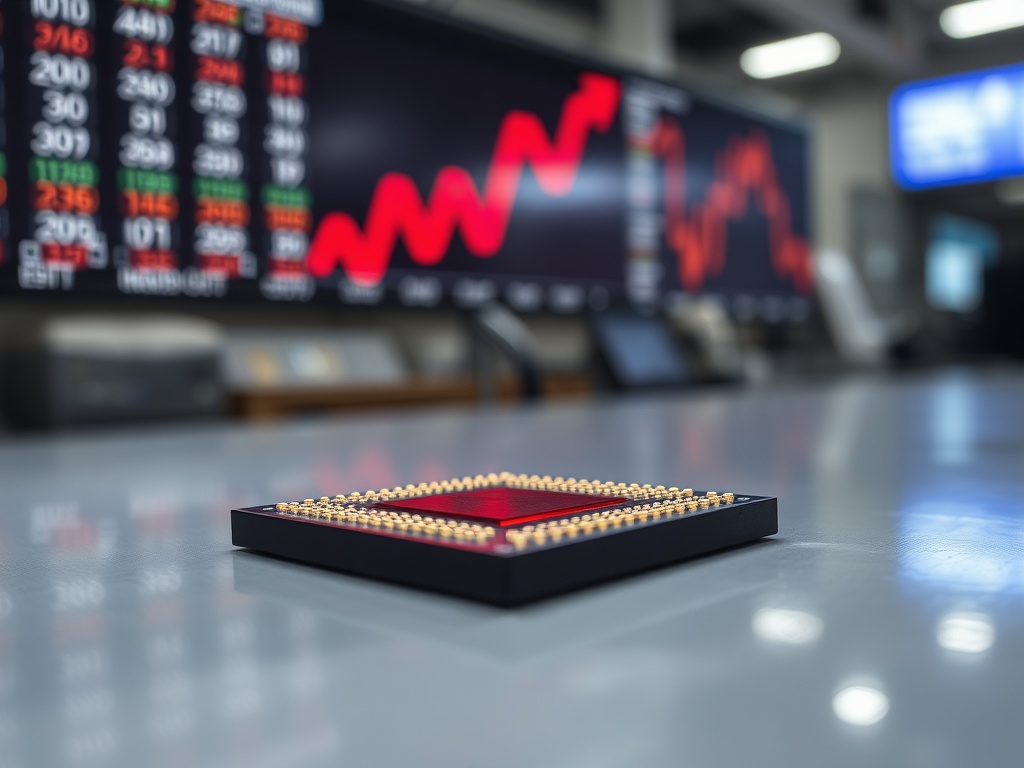
On June 23, 2026, Cerebras Systems published its first financial results as a publicly traded company. The headline number was hard to ignore: revenues of $193.4 million, nearly double the $99.5 million from the same quarter the previous year. And yet, the stock dropped 10% in after-hours trading.

Every AI Budget Hides a Bet on How Your Company Operates
The money has already been approved. The pilots have run. Some worked; most stalled before generating measurable value. According to S&P Global, 42% of organizations abandoned most of their AI initiatives in 2025, up from 17% the previous year. That statistic does not describe a technology problem. It describes a decision architecture problem: companies bought capability without designing the operating model meant to sustain it.

The green fund that financed the Iberian lynx is now fighting to survive in Brussels
Since 1992, the LIFE programme has funded more than 6,000 environmental projects across the European Union, mobilised over 12 billion euros in investment, and contributed, among other achievements, to growing the Iberian lynx population from just 62 individuals in 2001 to more than 2,000 in 2024. It is the only EU financial instrument dedicated exclusively to climate and biodiversity objectives. And now it is at risk of disappearing as such.
Why SpaceX Can No Longer Survive on Narrative Alone
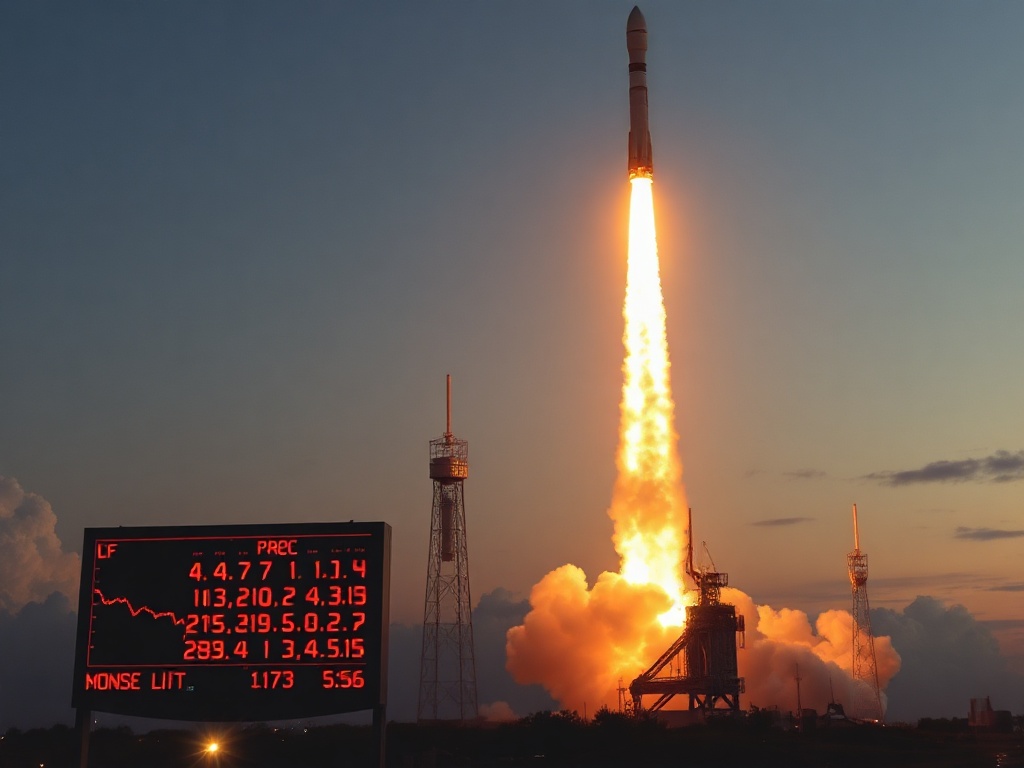
The largest stock market debut in history lasted less than a week before markets started asking questions the narrative couldn't answer. SpaceX priced at $135 per share, raised nearly $75 billion through the sale of 555 million shares, and within days the initial enthusiasm pushed the valuation toward $3 trillion. Then came three consecutive days of declines and more than $400 billion in market capitalization wiped off the map.

Why European Wealth Management Can No Longer Sell Returns as Its Core Argument
There is one data point in the McKinsey survey published in June 2026 that deserves a pause before moving on: among high-net-worth clients in Europe, the proportion who self-describe as risk-takers fell from 40 to 31 percent in just two years. This is not a cyclical swing. It is a recalibration cutting across all segments simultaneously, in a sector that historically built its value proposition on the promise of superior returns.

Why Petroleum Engineering Could Make Geothermal Viable Where Money Still Hesitates
There is a specific moment in the careers of certain petroleum engineers when geology stops being a technical problem and becomes a moral question. Mike Matson, now CEO and co-founder of Birch Geothermal, says he experienced it while working as a drilling and reservoir engineer at Kinder Morgan. He called it a 'climate awakening'.
 Simón Arce9 min

Business Credit Cards and the Benefit Trap Nobody Uses
There's a figure that rarely appears in business credit card rankings: most cardholders never redeem even 40% of the theoretical value the issuer advertises on its product page. Not because they're careless. But because the product was designed to impress in comparisons, not to fit how a real small business actually operates.
 Camila Rojas7 min
Why Asia's Light Calendar Reveals a Deep Shift in How the World's Largest Central Bank Operates
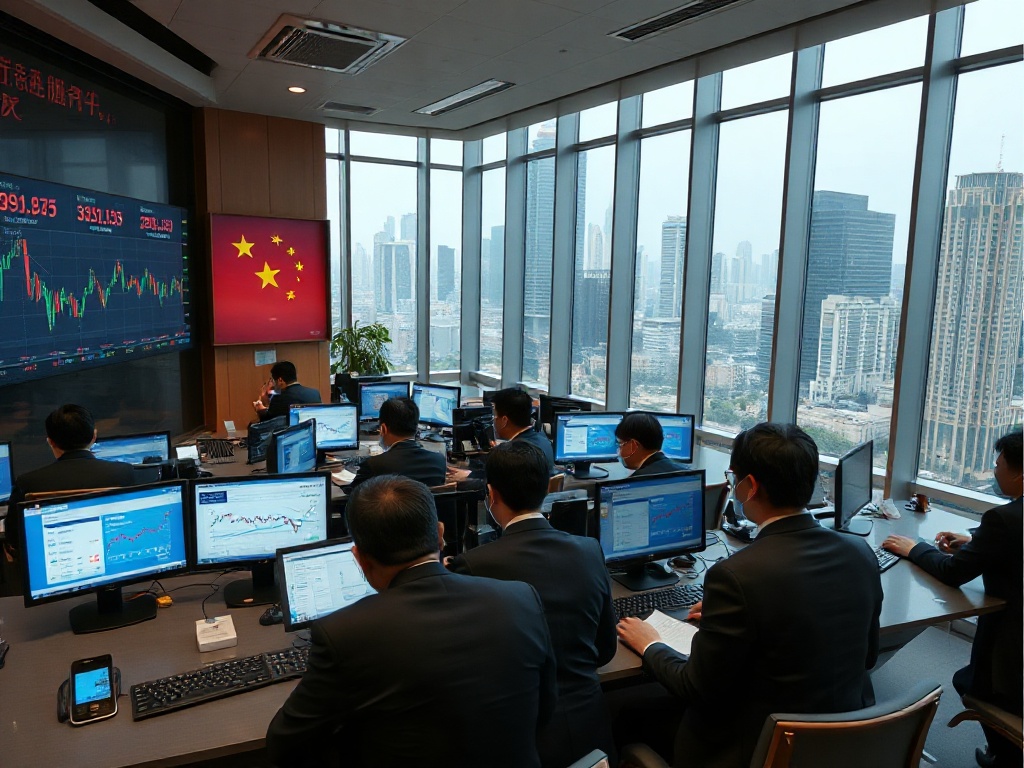
On Monday, June 22, 2026, Asian financial markets opened the week with a virtually empty agenda. The only notable event on the calendar was the monthly publication of the People's Bank of China's Loan Prime Rates, known as the LPR. And yet, currency, debt, and equity traders barely blinked.
 Gabriel Paz8 min
Half of Web Traffic Is No Longer Human and the Advertising Model Cannot Survive That Fact
Thirty years of digital economy built on an assumption that no longer holds: that there is a person on the other side of the screen. In 2024, for the first time in a decade of systematic measurement, bots surpassed humans as a source of internet traffic. According to the Imperva report, automated traffic reached 51% of the global total.
 Ricardo Mendieta8 min

Why India's Energy Transition Is Fracturing Along Its Own Supply Chain
India has spent more than a decade building the narrative of a great energy transformation. Installed renewable capacity figures advanced so quickly that the country reached its target of 50% non-fossil capacity five years ahead of schedule. But there is a crack those headlines never covered: non-fossil electricity generation remains stuck at around 25% of the total, and the industrial sector that manufactures the materials used to build that renewable infrastructure remains one of the country's most polluting engines.
 Diego Salazar9 min
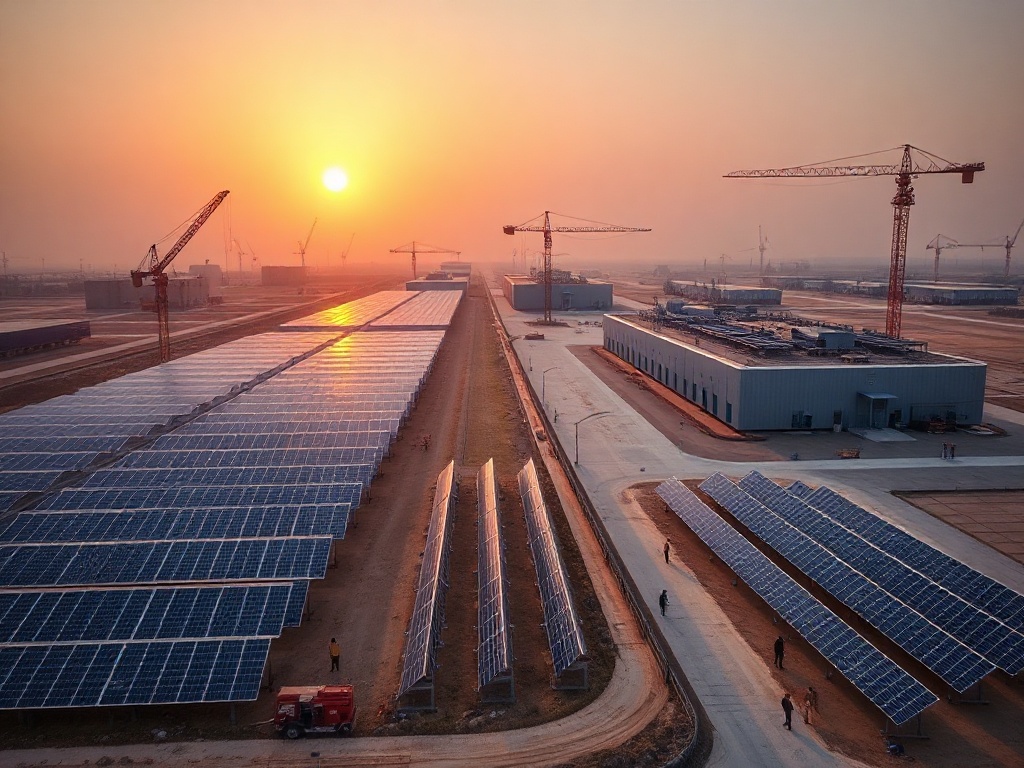
The Private Sector Took the Wheel of Investment in India and Chose Two Destinations
There is a number in the Bank of Baroda report that deserves a pause: ₹191 lakh crore in new investment announcements during the four years after Covid. An average of ₹48 lakh crore per year. What that figure contains, however, is not homogeneous: two sectors—electricity and information technology—absorb a disproportionate share of the flow, and the first 75 days of the current fiscal year show an even greater concentration: 85% of all proposed investments are focused on these two segments.
Mateo Vargas8 min
Four Companies Captured 60% of Global Venture Capital and That Changes the Rules for Everyone Else
The first quarter of 2026 produced a figure with no precedent in the history of venture capital: $300 billion deployed in a single quarter. More than double the previous quarter. Close to 70% of all startup investment during 2025, compressed into ninety days.
 Elena Costa9 min

Why a $5,000 Microgrant Program Reveals More About the Local Economy Than Any Federal Fund
Forty businesses. Five thousand dollars each. A ceremony in Bethpage, New York, on June 16th. In absolute terms, the third cycle of the L.O.C.A.L. Small Business Grant program—driven by Optimum Business and the LIA Foundation—moved $200,000 in this round. Since its founding in 2024, the program has distributed half a million dollars among 90 businesses.
 Javier Ocaña8 min

Accenture Dropped 20% Because the Market Stopped Believing in the Model
Some companies post solid results and still lose a fifth of their value in a single day. Accenture did exactly that on June 18, 2026. The consulting giant reported revenues of $18.7 billion in its third fiscal quarter, a 6% growth in dollar terms compared to the previous year.
 Sofía Valenzuela9 min

Accenture Dropped 18% in a Day and the Number That Explains It Is Not Earnings
Accenture delivered a third quarter that, under any other reading, would have been cause for satisfaction. Revenue of $18.7 billion, expanding operating margins, $2.2 billion returned to shareholders in a single quarter, and a CEO who went on camera to talk about 104 contracts worth over one hundred million dollars signed so far this fiscal year. The execution numbers did not fail. What failed were the numbers about the future.
 Francisco Torres9 min
Chicago Bets $500 Million on Winning the Quantum Race Before a Clear Winner Exists
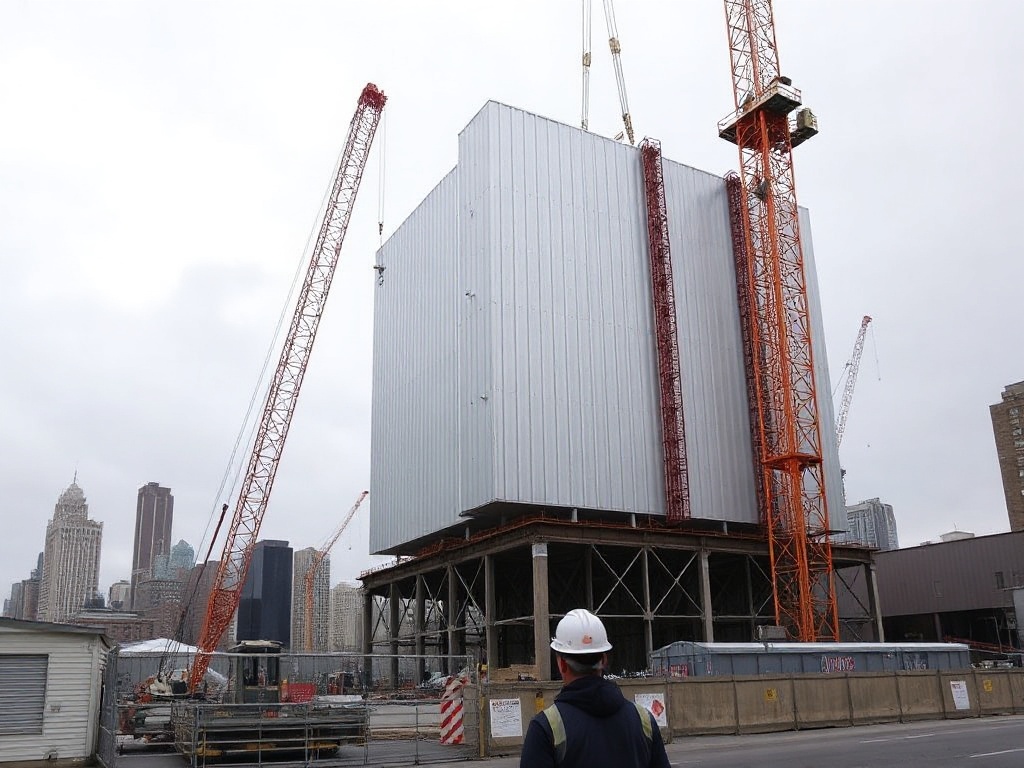
There is an image that captures well what is happening on Chicago's South Side: where steel furnaces from the U.S. Steel South Works complex once stood, cranes are now raising a 65,000-square-foot silver aluminum building. Inside, when ready, it will house what PsiQuantum describes as the largest intermediate-scale test system the company has ever built. Outside, Governor Jay Robert Pritzker calls all of this 'the next Silicon Valley'.
 Martín Soler9 min

The Only SaaS Metric That Survives When the Market Gets Tough
There comes a moment in the lifecycle of any subscription software company when the metrics dashboard starts to look like a symptom rather than a tool. Daily active users, feature open rates, session time, module adoption, quarterly NPS. Everything is measured. Everything shows green. And yet, contracts are not being renewed.
Camila Rojas9 min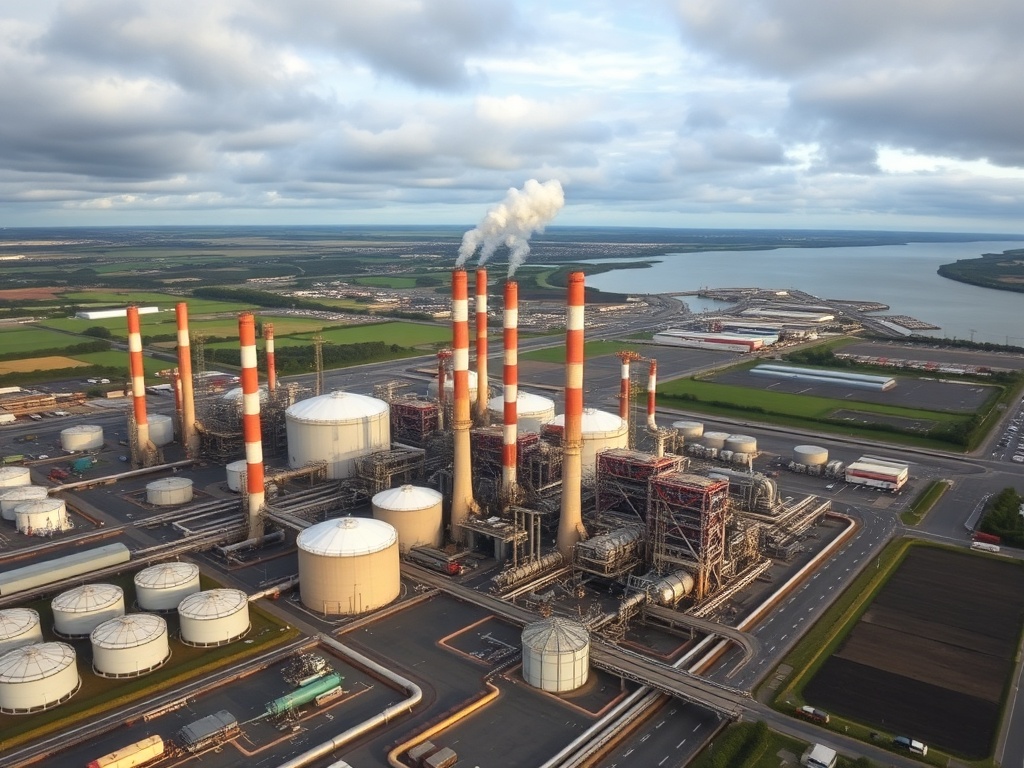
When Abu Dhabi Finances the Refinery That Must Cease to Be One
There is a well-constructed paradox at the heart of the deal that Essar Energy Transition Fuels and IRH Global Trading announced in June 2026. A company that carries the words 'energy transition' in its name is being financed by capital from one of the world's largest fossil fuel producers.
Gabriel Paz9 min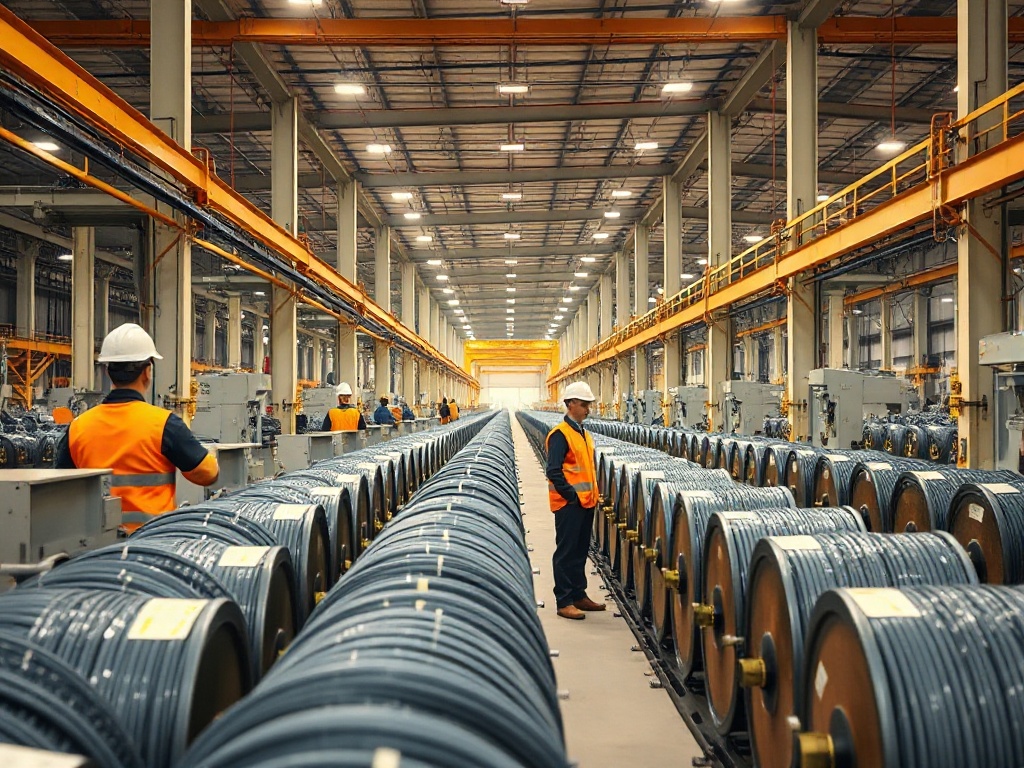
Polycab Rose 30% and Jefferies Just Asked for More: What the Cables Reveal About the India That's Coming
There are moments in the trajectory of certain companies where market narrative and operational numbers finally align. For Polycab India, that moment appears to have arrived with force in 2026, and Jefferies' decision to raise its price target to ₹10,920 per share — after a 30% rally year-to-date — is not a case of late broker enthusiasm. It is a signal that the analyst is looking at something structural, not cyclical.
 Tomás Rivera8 min