What the numbers say before the market admits it
We read balance sheets, multiples, credit, and capital allocation to spot where the public narrative no longer matches the financial structure carrying a company or a sector.
What we are watching
Quarterly results, debt, private credit, turnarounds, stretched valuations, and corporate moves where the relevant fact is rarely the most repeated headline.
Where it is being decided
In liquidity, exposure, concentration of profits, the ability to finance a recovery, and the distance between a seductive story and the patience capital is actually willing to show.
Why it matters
Because finance does not just describe the past. It also shows how much room a company still has to keep promising, correcting, or holding the line before the market demands something else.
Featured
Finance

Venture capital investors are returning to Ridley because AI is doing exactly what he predicted
There is a 2010 book circulating again in the most active venture capital funds in Silicon Valley. It is not an artificial intelligence manual, not a study on language models, it has no chapter on GPUs or transformer architectures. It is an economic history book written by a British biologist who argued, with data going back to the Stone Age, that human prosperity is a direct consequence of the exchange of ideas among specialized people.
 Elena Costa9 min
Latest articles
Forty Years of Heavy Machinery, an Industrial Buyer, and 29 Million Dollars on the Table
Some companies are built to last and some companies are built to be desired. The difference between the two is not always visible from the outside, but it becomes readable at the exact moment someone puts a number on the table and the founders decide that number is worth more than continuing. Davison Earthmovers, a family-owned earthmoving company from southern Australia with four decades of operation, has just crossed that threshold: the transaction closed at 29 million Australian dollars.
Zscaler Dropped 31% and the Business Is Still Growing at 25%
There is a pattern that appears frequently enough in software markets to have its own name: the company that reports well and falls anyway. Not because of fraud or operational deterioration, but because the market is no longer pricing what is happening, but what it is supposed to be happening. Zscaler played out that pattern with surgical precision.
One Hundred Billion Tokens and No CFO Knows What They Bought
Sam Altman took the stage at OpenAI's business event on June 2, 2026, with a statistic designed to impress: the company's largest internal token consumer processes around 100 billion tokens per month. Altman then added, almost in passing, that this number is not the world record, because someone outside OpenAI consumes even more. And there, without fully intending to, he described precisely the problem fracturing the economics of artificial intelligence at a corporate scale.
The iPhone 18 Pro Costs $1,099, But You'll Pay Much More Than That
Apple has spent years perfecting a particular art: setting prices that appear stable while the user's actual spending quietly rises without anyone announcing it on stage. With the iPhone 18 Pro, that mechanism reaches its most sophisticated version yet. Market expectations are that the device will maintain its launch price around $1,099, the same level as the iPhone 17 Pro.
Most Popular
Most voted on this page
One Hundred Billion Tokens and No CFO Knows What They Bought
Sam Altman took the stage at OpenAI's business event on June 2, 2026, with a statistic designed to impress: the company's largest internal token consumer processes around 100 billion tokens per month. Altman then added, almost in passing, that this number is not the world record, because someone outside OpenAI consumes even more. And there, without fully intending to, he described precisely the problem fracturing the economics of artificial intelligence at a corporate scale.
90
When European Factories Become China's Cheapest Asset
There is a pattern that repeats itself when an industry enters forced transition: the assets that once defined the strength of a sector end up being acquired by those who arrived later, with less history and structurally different costs. The European automotive industry is living through that sequence now, not as a metaphor, but as a concrete movement of capital and productive capacity. What The Telegraph headline captures — China taking control of Europe's decaying factories — does not describe just a one-off transaction.
90
Why Drax Paid £548 Million for Cash Flows, Not Solar Panels
Last week, Drax Group finalised the acquisition of Bluefield Solar Income Fund for approximately £548 million in cash, equivalent to 92.574 pence per share, with a total enterprise value approaching £1.08 billion once the fund's debt is incorporated. The price represents a 28% premium over Bluefield's last closing price before the offer period began, though it sits 9% below the March net asset value. That seemingly minor detail encapsulates almost the entire logic of the deal.
89
Extracting Lithium Without Destroying the Desert Now Has a Technical Architecture
The promise of electric mobility rests on a mineral that, to extract it, demands flooding the desert with water that desert does not have. The lithium driving the energy transition narrative reaches the market mainly from enormous solar evaporation ponds occupying kilometers of arid terrain in Chile's Atacama or in Nevada. That system has a structural limit the industry already acknowledges: future lithium demand cannot be met with evaporation ponds.
89

India Imports 90% of Its Oil and That Is No Longer Just a Supply Problem
There comes a moment when dependence stops being a manageable condition and becomes a structural vulnerability. For India, that moment has already arrived. The country imports around 90% of the oil it consumes, and persistent tensions in West Asia have ceased to be an abstract geopolitical risk and become a variable with direct consequences for the current account, inflation, and the fiscal stability of the state.

Lovable at $12 Billion and the Room Where It Was Already Decided Who Gets to Tell the Story
Some startups grow fast, and some redefine what growth means. Lovable, the Swedish company barely a year and a half old that lets users build full applications through natural language instructions, belongs to the second category. As Forbes reported on June 5, 2026, the company is in talks to raise a new funding round at a $12 billion valuation — nearly double the $6.6 billion established in December 2025.

US SMEs Lead May Job Creation and What It Reveals About the Labor Market's Architecture
In May 2026, companies with between one and 49 employees generated 67,000 of the 122,000 private sector jobs created in the United States, according to the ADP report published on June 3. More than half of all private employment for an entire month, produced by the segment that historically has the least access to capital, the greatest sensitivity to economic cycles, and the least margin to absorb hiring mistakes. That number is not an optimistic headline. It is a structural signal that deserves a cooler reading than press releases allow.
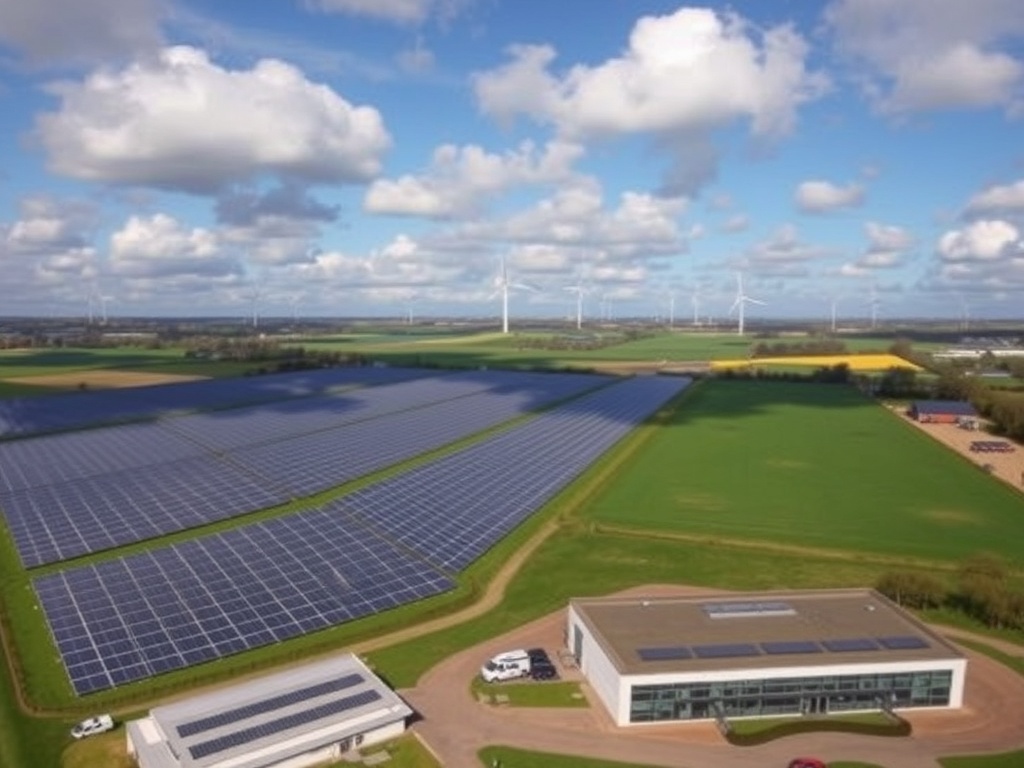
Why Drax Paid £548 Million for Cash Flows, Not Solar Panels
Last week, Drax Group finalised the acquisition of Bluefield Solar Income Fund for approximately £548 million in cash, equivalent to 92.574 pence per share, with a total enterprise value approaching £1.08 billion once the fund's debt is incorporated. The price represents a 28% premium over Bluefield's last closing price before the offer period began, though it sits 9% below the March net asset value. That seemingly minor detail encapsulates almost the entire logic of the deal.
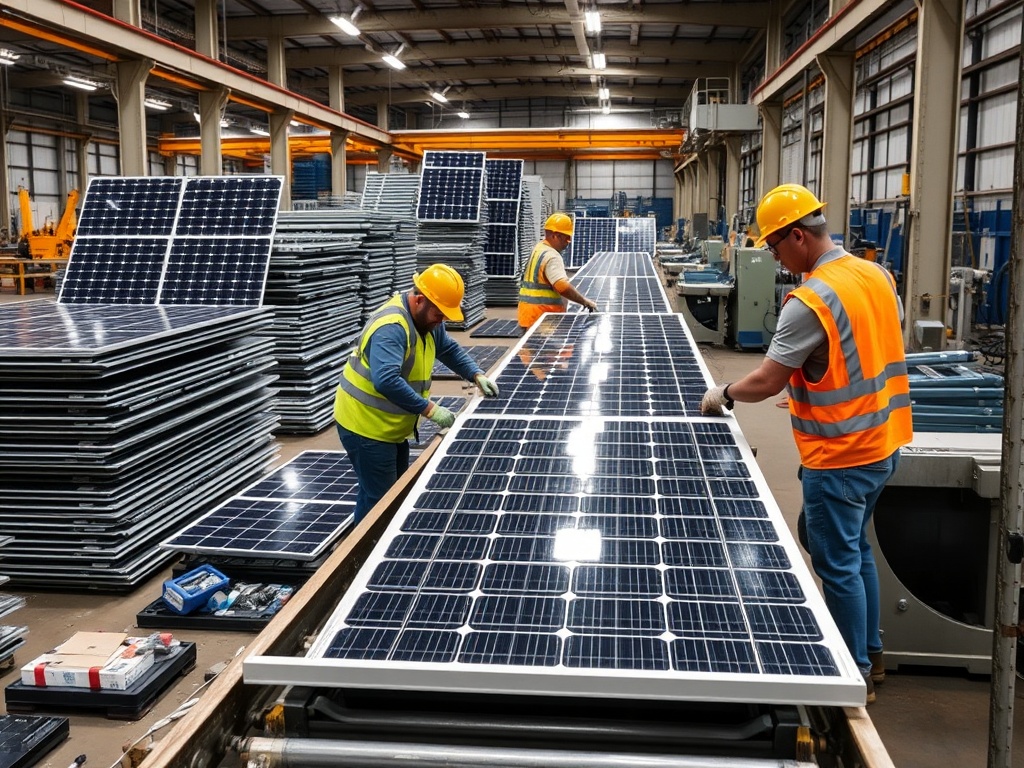
Australia Invests $17.8 Million to Recycle Solar Panels Before the Problem Becomes Unmanageable
Western Australia has spent years leading residential rooftop solar adoption. That, which sounds like a success story of the energy transition, has just revealed its less comfortable side: when you install panels at massive scale, you are also scheduling a wave of waste that will arrive with clockwork precision. The Western Australian government has just announced an investment of 17.8 million Australian dollars in the Remade in WA program, and the most surface-level reading describes it as an environmental initiative.
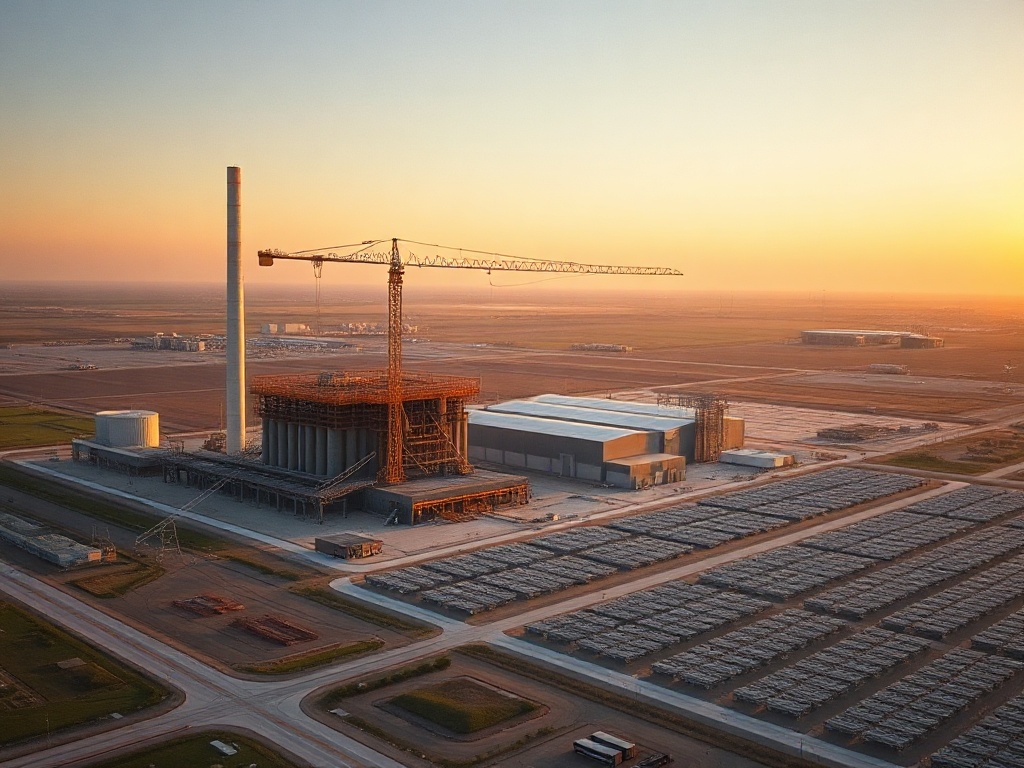
When Energy Wins What Technology Cannot Guarantee
On the first day of June 2026, the US stock market delivered an image worth more than any macro report: while Intel fell 4.05% and Texas Instruments lost 4.73%, Nvidia rose 4.87% and Micron Technology surged 5.90%. On the same day, Exxon Mobil gained 2.64% and Chevron 2.68%, with a consistency the tech sector could not replicate. Technology fragmented. Energy advanced as a block.
 Clara Montes8 min
Why AI Analyses the Past Well but Venture Capital Bets on the Future
Three quarters of venture capital firms already use artificial intelligence to evaluate investment opportunities. That figure alone sounds like inevitable modernisation. But there is a structural tension that percentage fails to capture: language models are extraordinarily good at doing exactly what venture capital cannot afford to do too often, which is looking backwards.
 Tomás Rivera7 min
The Herd Mentality That Finances the Future and Its Hidden Costs
Three quarters of the venture capital raised in the last year went to just five companies. Not five sectors. Not five categories. Five companies. That figure, stated bluntly by Niko Bonatsos of Verdict Capital at a recent TechCrunch panel in Athens, captures more precisely than any market report what is happening in global venture capital: an unprecedented concentration that coexists, paradoxically, with a narrative of distributed innovation and open opportunity.
 Diego Salazar8 min
LKQ Corporation Trades as If the Business Is Broken, but Revenue Tells a Different Story
There is a type of stock market discount that deserves attention and another that deserves caution. The difference lies in the origin of the decline. When a stock loses a quarter of its value while revenues rise, the market is not reading the destruction of a business: it is punishing the loss of profitability on every dollar sold.
 Gabriel Paz9 min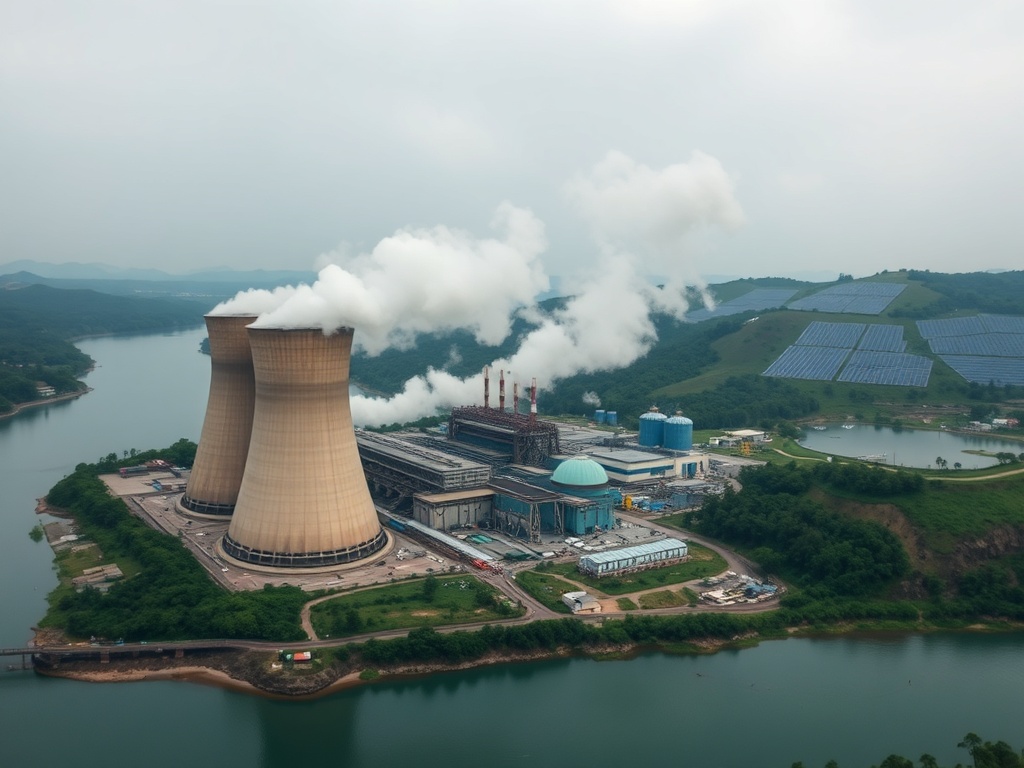
Why the Big Energy Transition Deals in Southeast Asia Are Failing to Take Off
In November 2021, in Glasgow, G7 governments and the European Union unveiled what they described as a new architecture for climate finance: the Just Energy Transition Partnerships. The idea was ambitious in its design. Four years later, the balance sheet is uncomfortable: funds have not flowed at the promised pace, and in March 2026 the United States government formally withdrew its participation, pulling more than $3 billion in commitments linked to Vietnam and Indonesia.
Elena Costa9 min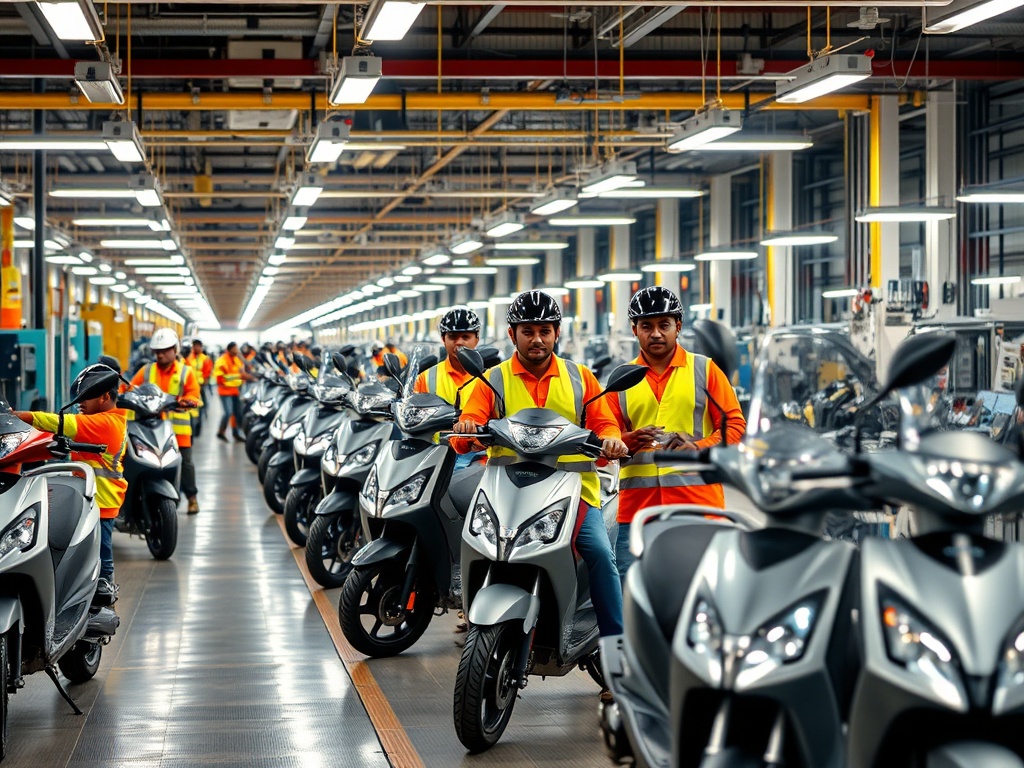
Ola Electric Rises 93% from Lows, But the Real Question Is What's Sustaining the Recovery
The stock market forgave Ola Electric in a matter of weeks. From its all-time low of 22.25 rupees per share, recorded in March 2026, the Indian electric scooter manufacturer accumulated a 93% recovery in just two months, reaching 42.88 rupees on the National Stock Exchange of India by late May. But there is an inconvenient gap that no stock market rebound can hide: Ola Electric's all-time high was 157.40 rupees per share.
 Francisco Torres9 min
SBA Loans Reach $10 Million and Reveal Which Small Businesses Have Real Scale Potential
Starting July 4, 2026, the U.S. Small Business Administration (SBA) doubles the combined guaranteed financing limit a single borrower can receive: from $5 million to $10 million. It's the highest cap in the agency's history. And while the news may seem like a simple ceiling adjustment, what lies beneath the surface is something more uncomfortable for many small business owners: a line that separates those who can grow through the federal financing system from those who simply aren't in that game.
 Camila Rojas8 min
Spotify Bets on Charging More, Not Growing More
There comes a moment in the life of every digital platform when the game changes completely. You stop obsessing over how many users you have and start asking how much money you can extract from the ones already there. Spotify just announced it has reached that moment, and Bank of America is cheering from the front row.
Clara Montes8 min
Two Companies With No Employees, No Office, and Valued at Over Half a Million Euros Each
There is one figure that explains almost everything: €585,000 collected in the first business, valued at €900,000, without a single client meeting and without hiring anyone. The second business followed the same pattern. By 2022, its valuation reached €560,000 with €90,000 raised.
Diego Salazar7 min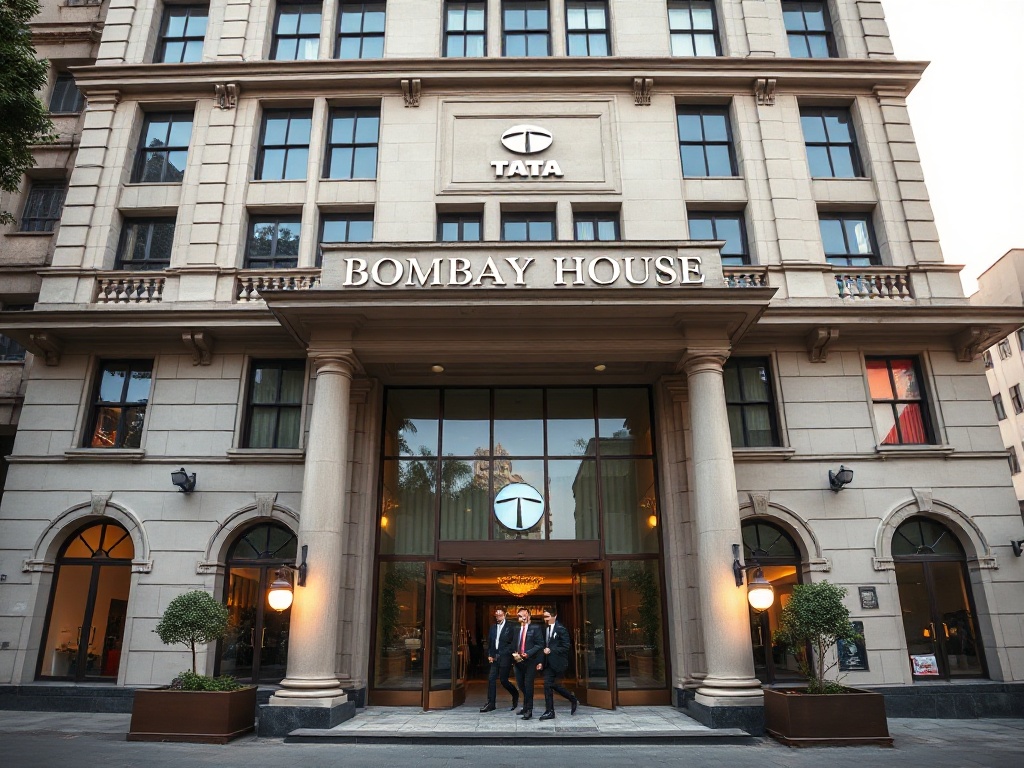
Tata Sons Bets ₹29 Billion Without Proving Market Demand
On May 26, 2026, at Bombay House, the neoclassical building in Mumbai where the Tata Group has made its most important decisions for over a century, the six members of Tata Sons' board of directors met for approximately six hours. There were no public statements upon leaving. What is documented is this: the unlisted companies of the Tata Group accumulated losses of ₹10,905 crore in fiscal year 2025, and internal estimates suggest that figure could climb to ₹29,000 crore as investment accelerates in aviation, digital, and electronics.
Tomás Rivera9 min
KBank Bets on SME Lending as the Rest of Thailand's Banking System Keeps Contracting
In the first quarter of 2026, Kasikornbank expanded its small and medium-sized enterprise loan portfolio by 0.5% compared to the end of the previous year. That number may not impress by its magnitude. What impresses is the context in which it occurs: the bank's total loans contracted 1.1% in the same period, and SME credit across the Thai banking system as a whole fell 4%, marking fifteen consecutive quarters of decline.
 Javier Ocaña9 min
CDP Raises Its Stake in Nexi and Redefines Who Controls Italian Digital Payments
The Italian state did not privatize Nexi only to forget about it. What CDP Equity S.p.A., the investment arm of Cassa Depositi e Prestiti, has just done is a clear signal that Rome has a very defined stance on who controls the country's payments infrastructure — and it is prepared to defend that stance with capital. The board of CDP Equity approved in late May 2026 the possibility of increasing its stake in Nexi S.p.A. to a maximum of 29.9 percent.
Francisco Torres8 min
Extracting Lithium Without Destroying the Desert Now Has a Technical Architecture
The promise of electric mobility rests on a mineral that, to extract it, demands flooding the desert with water that desert does not have. The lithium driving the energy transition narrative reaches the market mainly from enormous solar evaporation ponds occupying kilometers of arid terrain in Chile's Atacama or in Nevada. That system has a structural limit the industry already acknowledges: future lithium demand cannot be met with evaporation ponds.
 Lucía Navarro8 min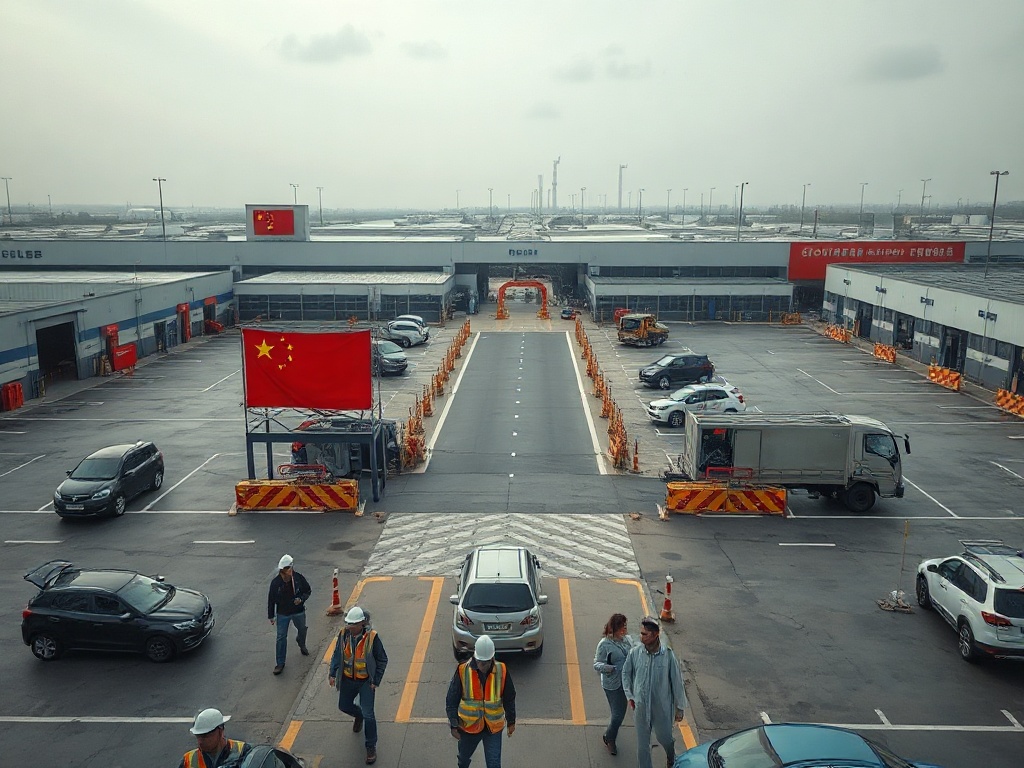
When European Factories Become China's Cheapest Asset
There is a pattern that repeats itself when an industry enters forced transition: the assets that once defined the strength of a sector end up being acquired by those who arrived later, with less history and structurally different costs. The European automotive industry is living through that sequence now, not as a metaphor, but as a concrete movement of capital and productive capacity. What The Telegraph headline captures — China taking control of Europe's decaying factories — does not describe just a one-off transaction.
 Martín Soler7 min