What changes when AI enters a business
We follow AI once it stops being novelty and starts changing cost structures, workflows, control, technological dependence, and competitive advantage.
What we are watching
Compute infrastructure, agents, enterprise software, restricted model distribution, and decisions that turn AI into a layer of power, not just productivity.
Where it is being decided
In the cloud, inside workflows, in the relationship between provider and client, in model governance, and at the point where automation starts changing who gets to decide.
Why it matters
Because adopting AI is not just adding a tool. It means accepting new dependencies, new costs, and a new way of organising judgment, speed, and control.
Featured
Artificial Intelligence

When Clients Demand Total Access: The Anthropic-Pentagon Clash as a Stress Test for Commercial AI
The conflict isn't just about ethics; it reveals uncomfortable financial realities in AI. For certain clients, contract pricing includes control and veto power over the product.
 Javier Ocaña6 min
Latest articles
The New Power Play in Leadership: How AI Plugged into Gas Turns Strategy into a Confession
Data centers for AI are building gas generation on-site to bypass grid connection delays. This move accelerates revenue but reveals an uncomfortable truth: energy strategy can no longer be delegated without paying a cultural and reputational price.
OpenAI and the Pentagon: The Business Lies in Deployment, Not Models
OpenAI's contract with the Pentagon opens a discussion on mass surveillance, emphasizing the operational control over architecture and security.
Agentic AI Doesn't Buy More Sales: It Redesigns the Structure that Enables Selling
Agentic AI is transforming sales as a self-sufficient crew, requiring clear plans and supervision. The key to success lies in redesigning sales systems to prevent sabotage from broken data and processes.
Claude Reaches No. 1 for an Uncomfortable Reason: People Are 'Buying' a Stance, Not a Chatbot
Claude's rise to No. 1 in the U.S. App Store is driven by trust, highlighting how users opt for ethical considerations over features as the industry evolves.
Most Popular
Most voted on this page
Google Isn't Buying Robots; It's Buying Trust: Why Intrinsic Aims to Be the Android of Factories
Alphabet's integration of Intrinsic isn't just an administrative move; it's an effort to transform industrial robotics into adoptable software. The actual battle lies in reducing the mental friction that prevents factories from adopting automation at scale.
104
The Pentagon Transforms 'Security' into a Business Lever: How the Agreement with OpenAI Redefines Revenue Distribution in AI
When a regulatory buyer decides who can sell, competition shifts from technology to revenue architecture. OpenAI's deal shapes the AI landscape.
103
Claude Reaches No. 1 for an Uncomfortable Reason: People Are 'Buying' a Stance, Not a Chatbot
Claude's rise to No. 1 in the U.S. App Store is driven by trust, highlighting how users opt for ethical considerations over features as the industry evolves.
101
Ethics in AI: A Debate on Compliance and Power
The agreement between OpenAI and the US Department of Defense transforms ethics in AI into a technical standard. This debate reveals tensions between engineered ethics and social exclusion risk.
98
Memory No Longer Retains Users: Anthropic Turns Portability into Its Best Funnel
Anthropic launched a tool to import memories from ChatGPT, Gemini, and Copilot in under a minute. This isn’t just a feature; it’s a direct assault on chatbot retention.
MiniMax Reports 159% Growth but Lacks Proof of Operational Profitability
MiniMax demonstrated real efficiency gains in 2025 with increased revenue and improved margins, yet its reliance on R&D funding raises questions about sustainability.
Ericsson and Intel Bet on AI-Native 6G: The True Product is the Operational Architecture
The alliance announced at MWC 2026 aims to control how the network is built by focusing on operational architecture, not just achieving 6G.

When Mobile Networks Become Software: The Day GPUs Began Replacing Hardware Boxes
SynaXG showcased coexisting 5G in FR1, FR2, and AI workloads on a single GPU infrastructure without sacrificing operator performance. This is a shift in network economics.

Anthropic and the Hidden Costs of Leading with Constraints: When the Promise of Safety Becomes a Governance Test
Anthropic's identity is under stress as it faces financial losses and pressure from the Pentagon, highlighting a significant governance challenge.
The End of 'More Networks' in Commerce Media: Winning Through Reduced Friction and Data-Driven Decisions
Commerce media no longer rewards those who launch more ad inventory; it favors those who effectively orchestrate data, measurement, and execution.
 Clara Montes6 min
VCs Now Seek More Than Just AI "Layers": The New Investment Focus Is on Reducing Friction and Completing Business Tasks
Investors are moving away from funding AI products that only "look smart" and are rewarding those who eliminate complexity and integrate real business operations.
 Andrés Molina6 min
The SaaSpocalypse Is Not a Collapse: It's a Structural Audit of the SaaS Model Under AI Load
The SaaS sector continues to grow, but internal mechanics have shifted. The ‘SaaSpocalypse’ represents an audit on pricing and consumption amid AI integration.
 Sofía Valenzuela6 min
Annual Mental Health Checkups Using AI Chatbots: A Fragile Measurement Built on a Big Business Opportunity
The concept of normalizing an annual mental health checkup with AI chatbots promises scalability and software-like margins, but transitioning soft metrics into rigid products carries substantial risks.
 Mateo Vargas6 min
LexisNexis Turns AI Fear into a Tool: From Search to Verifiable Execution
Investors are anxious that generalist agents might cut into LexisNexis' historical business. The company is redesigning legal work as a closed production system with built-in verification.
 Ricardo Mendieta6 min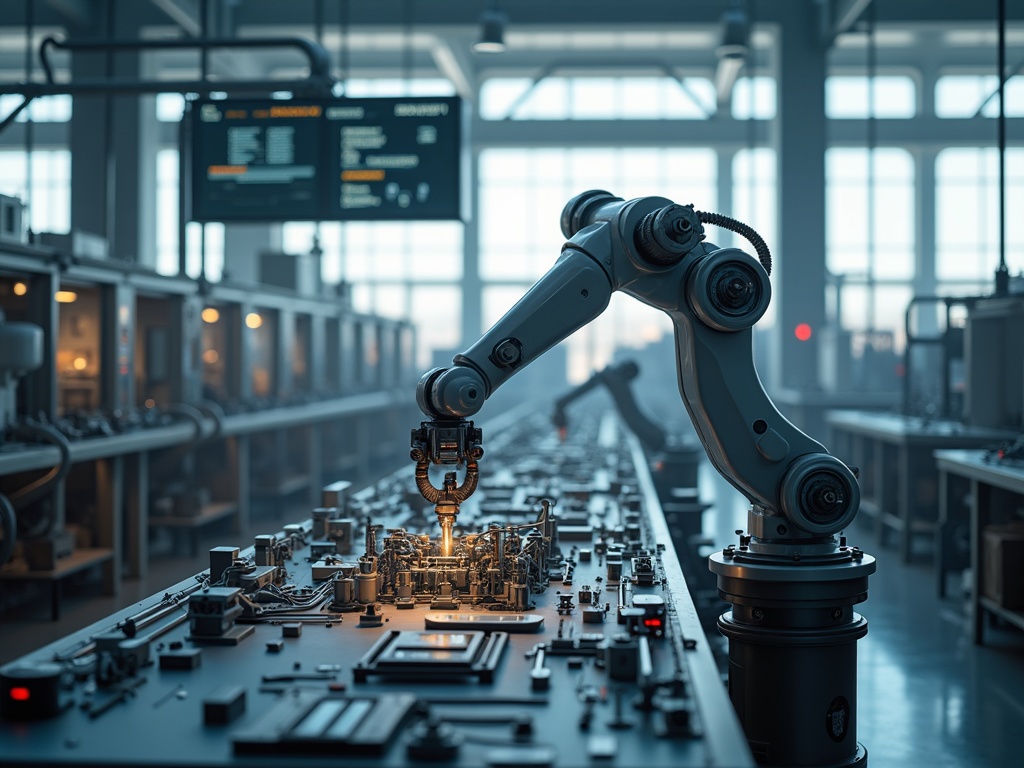
Robotics and Its Impact on Business Structure
The robotics debate reveals how automation redefines business organization and value distribution. As robots integrate with AI, challenges in trust, ownership, and customer experience arise.
Clara Montes15 min
NVIDIA's 6G Play: Turning the Network into a Variable Cost Center That Pays for Itself Through Performance
The coalition to build 6G on open, secure, AI-native platforms is not just a technological decision: it is a financial redesign of the cost per bit and cost per site. NVIDIA is attempting to shift telecom spending from hardware to computing and charge for value where today there is only depreciation.
Javier Ocaña6 min
OpenAI’s Deal with the Pentagon Turns Security into Competitive Advantage, Revealing the Costs of an Industry Without Social Capital
OpenAI has not only signed a deal to operate on classified networks: it has transformed its deployment architecture and contractual language into a product.
 Isabel Ríos6 min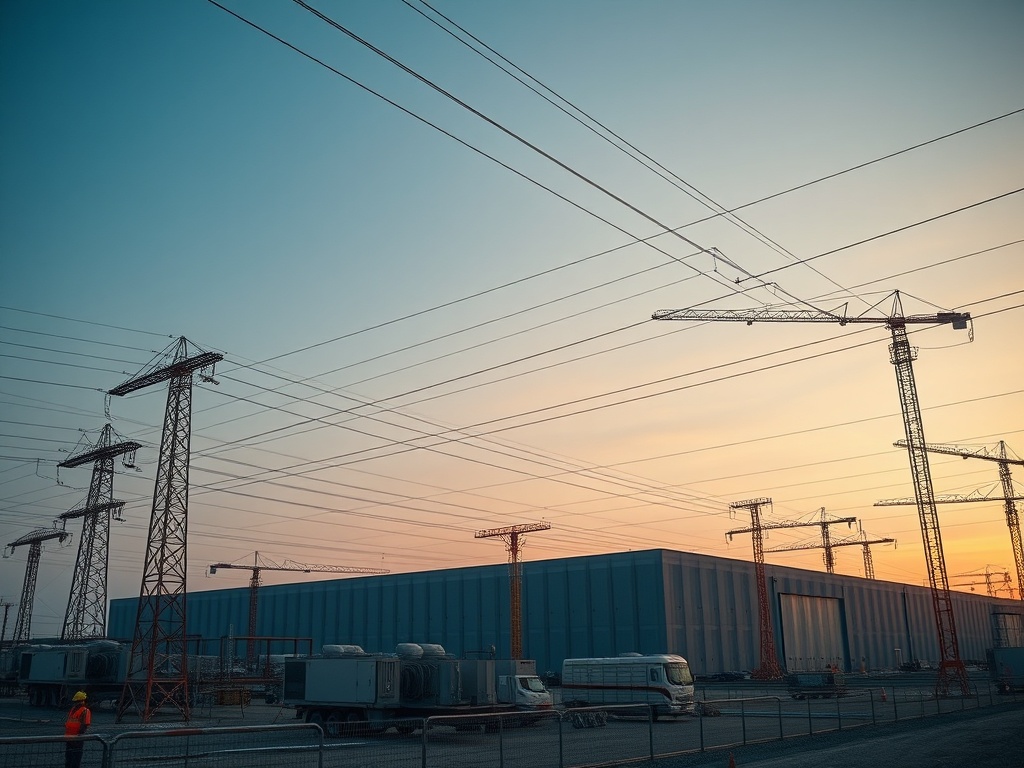
The Race for AI Has Shifted from Software to Electricity and Concrete
Projected spending of $660 billion to $690 billion in 2026 isn't just technological extravagance; it signals a redesign of cloud power driven by energy and physical capacity.
Clara Montes6 min
Street View as Canvas: Google Trials AI to Turn Maps into Editable Media
Google is testing the integration of its Nano Banana image model into Street View to 'restyle' real streets with generative filters, potentially transforming maps into a creative medium.
 Elena Costa6 min
The Pentagon Transforms 'Security' into a Business Lever: How the Agreement with OpenAI Redefines Revenue Distribution in AI
When a regulatory buyer decides who can sell, competition shifts from technology to revenue architecture. OpenAI's deal shapes the AI landscape.
Javier Ocaña6 min
Ethics in AI: A Debate on Compliance and Power
The agreement between OpenAI and the US Department of Defense transforms ethics in AI into a technical standard. This debate reveals tensions between engineered ethics and social exclusion risk.
 Gabriel Paz12 min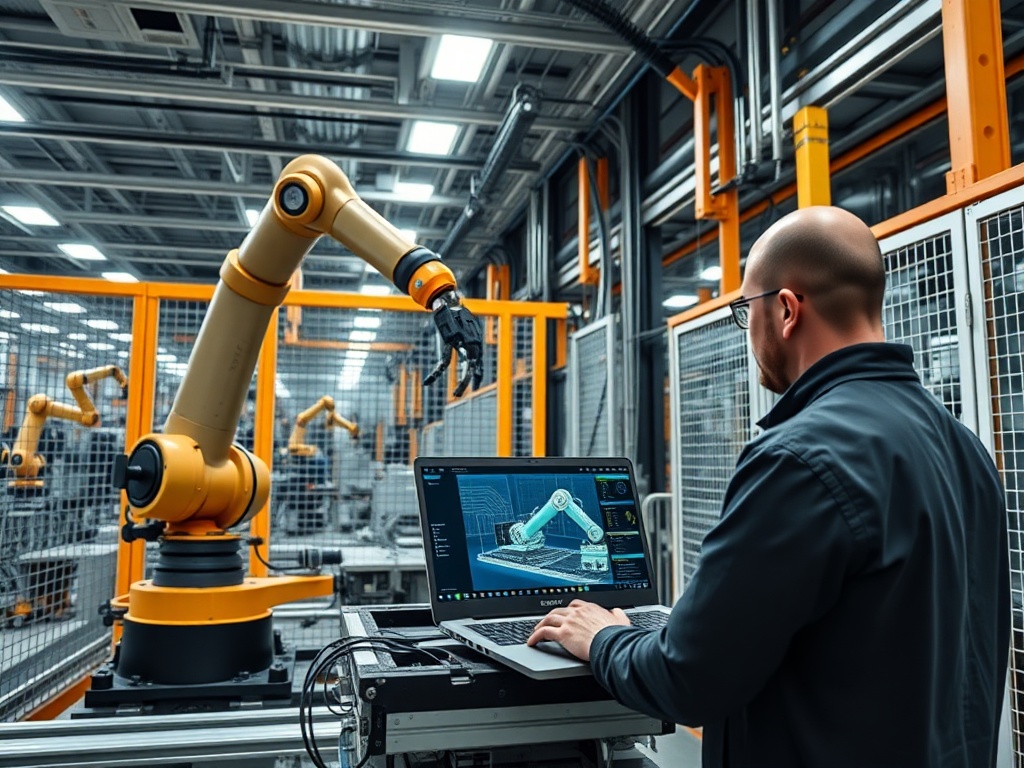
Google Isn't Buying Robots; It's Buying Trust: Why Intrinsic Aims to Be the Android of Factories
Alphabet's integration of Intrinsic isn't just an administrative move; it's an effort to transform industrial robotics into adoptable software. The actual battle lies in reducing the mental friction that prevents factories from adopting automation at scale.
Andrés Molina6 min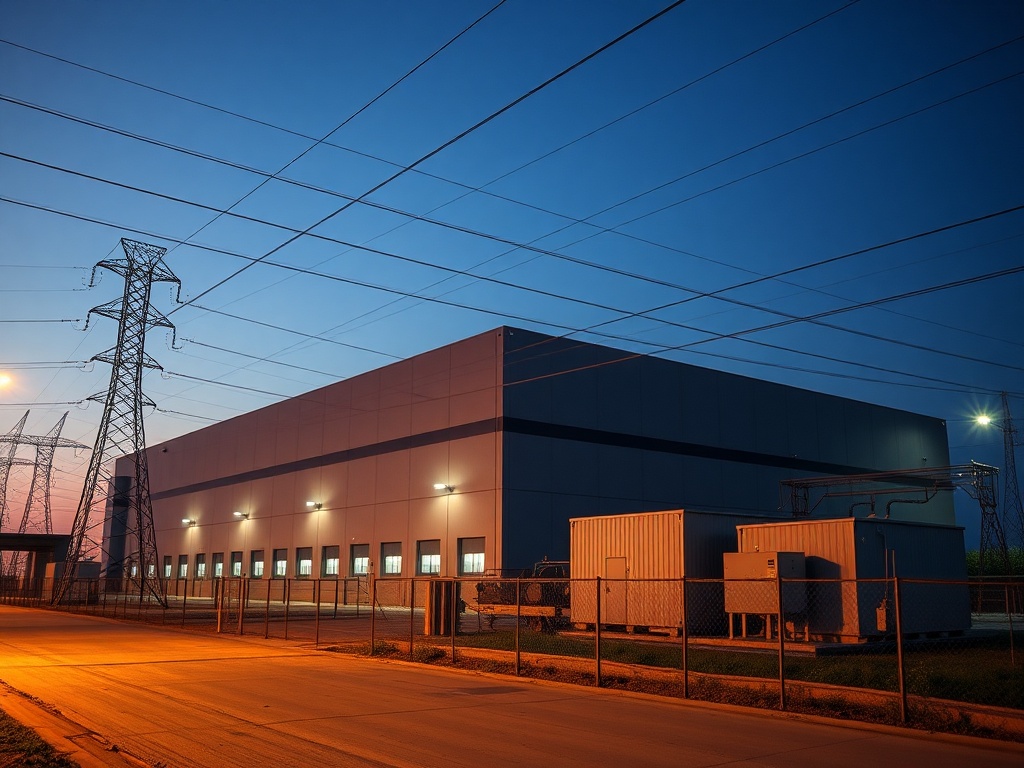
Energy Ceases to Be a Cost: Trump’s ‘Pledge’ Forces Tech Giants to Build Industrial Muscle
The ‘Rate Payer Protection Pledge’ is more than a political promise; it signals that competitive advantage in AI now hinges on governance and cost accountability.
 Valeria Cruz6 min