
The First Wi-Fi 7 Stadium in MLS: A Real-Time Revenue Machine
For years, connectivity in stadiums was viewed as a defensive expense: a means to avoid public complaints, ensure mobile ticketing reliability, and prevent payment failures. This mindset produces results that often reflect its intentions: networks designed merely to "meet basic requirements" rather than to create value.
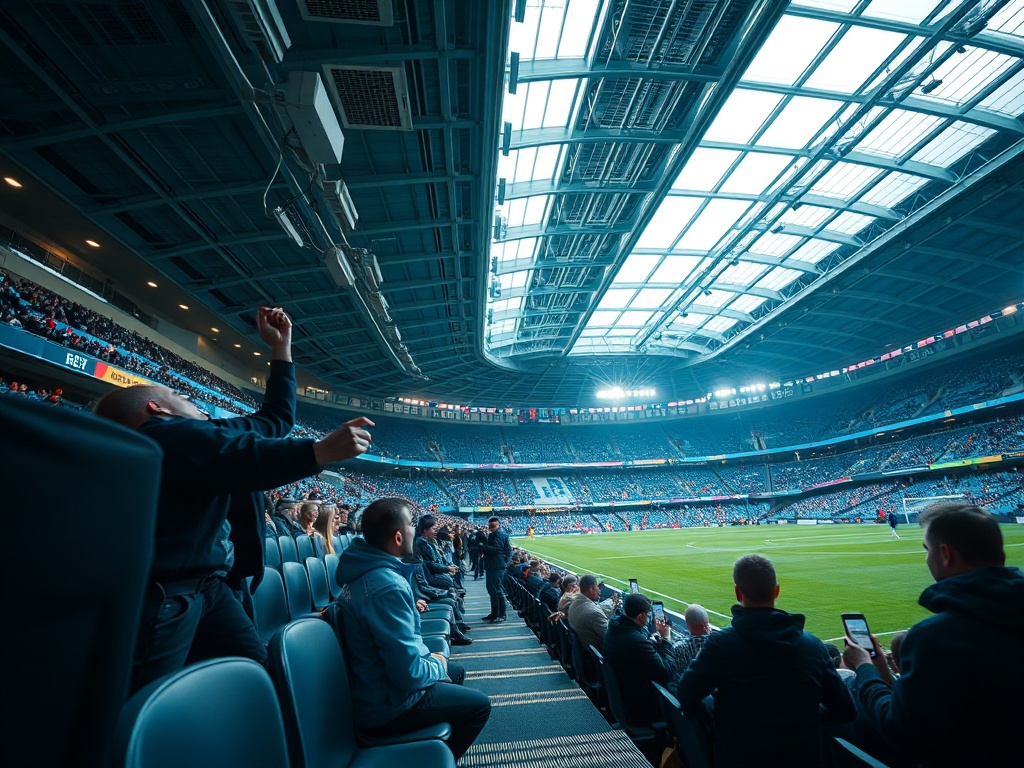
In March 2026, the Los Angeles Football Club (LAFC) launched the first Wi-Fi 7 network within Major League Soccer at BMO Stadium, in collaboration with RUCKUS Networks. The stadium accommodates around 22,000 attendees per event, making it a challenging environment where density and simultaneity put any wireless architecture to the test. According to the parties involved, the installation combines Wi-Fi 7 access points (including the T670 model for under-seat coverage and the T670SN with hyper-directional antennas for specific areas) and is managed using an AI platform for analytics, dynamic optimization, and predictive incident resolution.
What should concern any CIO is not that this is the "first" of its kind but rather how, when executed effectively, this type of deployment graduates from being merely a "network" to becoming an operational and commercial engine. The infrastructure behaves like a product: observable, adjustable, and monetizable.
Wi-Fi 7 as a Density Platform: When the Network Becomes More Than a Commodity
The typical connectivity narrative focuses too much on theoretical maxima. The more useful conversation here involves real congestion, interference, mobility, sudden spikes in traffic, and heightened human expectations during brief time windows. A stadium does not forgive lapses. Attendees arrive, often simultaneously, scanning tickets, sharing videos, ordering food at halftime, then demanding bandwidth again during key moments of the game. The network endures a brutal choreography.
Wi-Fi 7 is designed precisely for such scenarios. Two game-changing capabilities emerge in high-density environments: Multi-Link Operation, which distributes traffic across various bands, and a shift to channels of up to 320 MHz, enabling sustained multigigabit performance even when thousands of devices are competing. In a stadium, value lies not in peak speed for a single device but in maintaining quality service for many users simultaneously, with controlled latency.
Now, the strategic twist: when connectivity becomes reliable and manageable, the stadium no longer serves just as a “venue for games” but transforms into a digital behavior platform. Every interaction, once frictional—entering, locating seats, purchasing, accessing benefits—turns into a flow that can be designed, measured, and optimized. This enables a different economy: more transactions, perceived value, and improved operations.
Thus, LAFC’s milestone matters not only for sports enterprises. The density of a stadium more closely resembles that of a convention center, a vast corporate campus, a synchronized plant, or a hospital at peak times than many would admit. What changes is the internal narrative: stopping the purchase of mere “coverage” and starting to build operational capacity under congestion.
The Real Move: AI in Network Operations to Minimize Chaos Costs
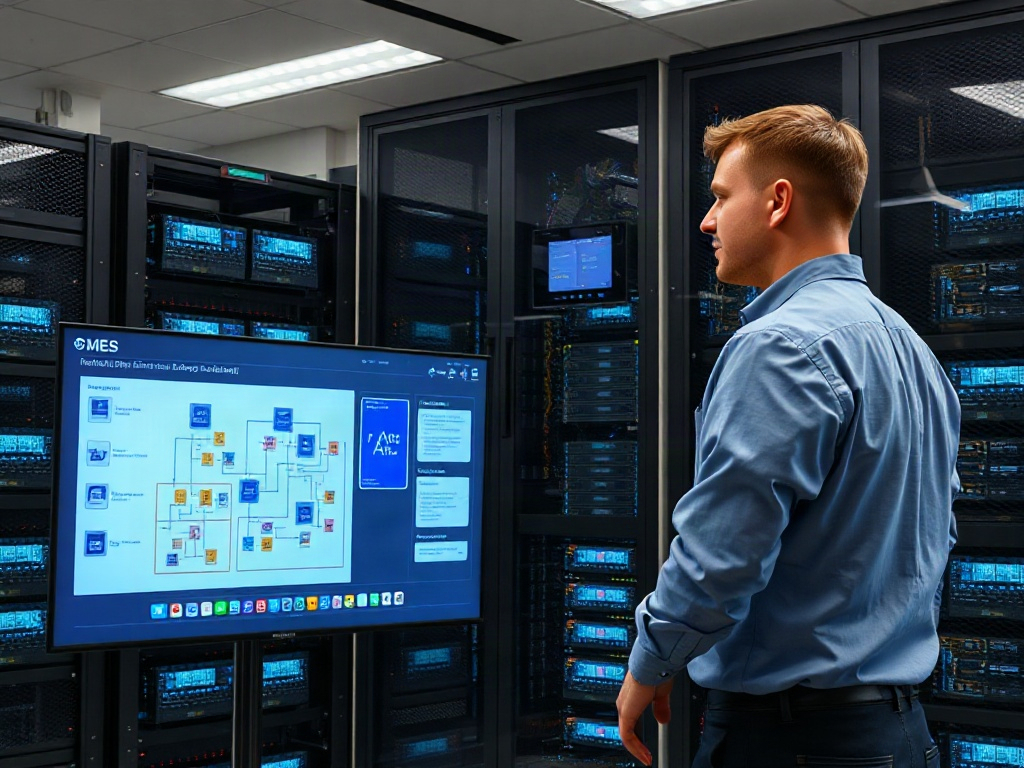
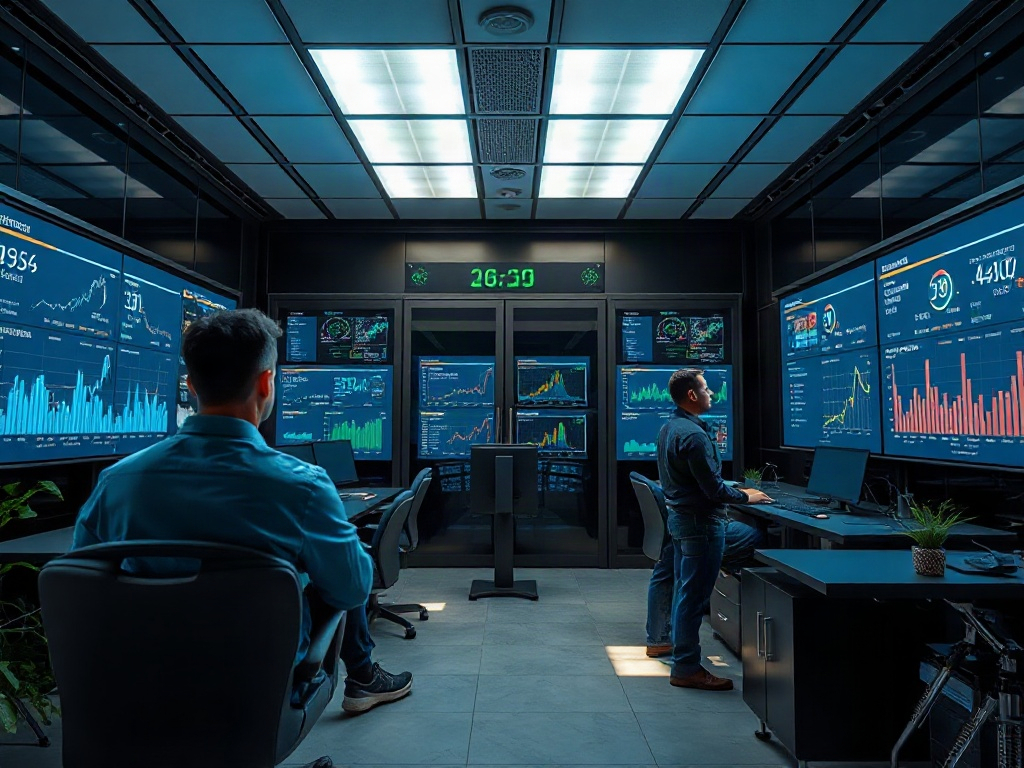
The biggest misconception in the enterprise market is that complexity is addressed by adding more people. In high-density networks, that approach merely inflates the cost of chaos. What’s fascinating about the deployment at BMO Stadium is that it is positioned not just as an upgrade of wireless standards, but as a system autonomously managed by RUCKUS’s AI platform, incorporating real-time analytics, dynamic optimization, and predictive resolution.
This nuance reveals a shift in operational models. A stadium has no allowance for saying, “we’ll check the logs later.” With 22,000 people present, an incident is not merely technical; it is reputational and commercial. AI applied to observability and assurance reduces downtime and uncertainty but, most importantly, minimizes the need to overstaff human resources on event days. This is finance, not technology: fewer reaction times, less improvisation, and reduced dependency on operational heroes.
Additionally, this case illustrates another point that many C-level executives underestimate until they feel the financial strain: integration with existing systems. RUCKUS Professional Services orchestrated “frictionless” integration with the stadium's previous network, according to available material. This detail separates the PowerPoint presentations from reality. Value emerges when mobile ticketing, concessions, access control, and digital experiences function as a continuum rather than isolated islands.
In my experience, typical failures stem not from a lack of technology but from over-ambition poorly sequenced: there’s a desire to sell immersive experiences before stabilizing the basics, to implement personalization before ensuring identity and connectivity, to pursue “innovation” without operational discipline. A stadium with AI-managed Wi-Fi 7 is powerful precisely because it allows for the opposite: to stabilize the core and then scale capabilities without turning each game into a risk-laden experiment.
Where Money is Made: New Layers of Experience and Frictionless Monetization
In public statements referenced in original coverage, Christian Lau, CTO of LAFC, frames the deployment as enabling “seamless” experiences from mobile ticketing and concessions to immersive engagement for 22,000 guests. Bart Giordano, president of RUCKUS Networks, suggests it as a digital “enterprise” foundation to drive new applications and revenue opportunities.
Here, the mechanism is what matters, not the tagline. A robust network in high density enables three elements that can shift the economic curve of the venue.
First, reduction of transactional friction. If ticketing and payments function without unforeseen latency, conversion rates increase at critical moments. A stadium operates on tight timelines. An extra minute spent waiting in line during halftime is a minute that kills sales.
Second, ability to design services per segment. A stadium is not a homogeneous mass: there are premium zones, suites, press areas, operations, security, and corporate guests. The architecture mentioned — under-seat coverage with T670 and hyper-directional targeting with T670SN in concourses and clubs — indicates that granular thinking is involved, not the notion of “one network for all”. This granularity allows the promise of distinct experiences with consistency.
Third, enabling latency-sensitive applications. The original coverage mentions augmented reality overlays and real-time experiences as potential outcomes due to more deterministic latency. The strategic point here is to avoid the allure of the “cool” app. Business emerges when digital experiences shift behavior: they drive flows, increase consumption, enable measurable sponsorships, or elevate the value of a seat through associated services.
Most organizations chase additional income by replicating the visible: larger screens, more function-rich apps, generic loyalty programs. This is a quick route to spending more for equivalent results. A stadium that converts connectivity into a platform adopts a different logic: eliminate unnecessary friction and services, reduce operational improvisation, enhance reliability and segmentation, and create new layers of digital products that were previously unviable due to instability.
The Lesson for CIOs and CEOs: Stop “Buying Networks” and Begin Designing Demand
The fact that LAFC has partnered with RUCKUS since 2018 is significant for a practical reason: such deployments succeed through operational continuity, not marketing hype. The leap to Wi-Fi 7 in March 2026 appears as a strategic decision to maintain leadership “on and off the field,” in words attributed to the CTO. That phrase, translated into P&L language, signifies that the club is treating connectivity as a competitive edge rather than as a cost center.
For an enterprise C-level executive, the parallel is direct. In mature sectors, competition can devolve into a race of features and CAPEX that amortizes slowly. This gives rise to the trap: copying what the neighbor invests in to avoid “falling behind”. Wi-Fi 7 in a stadium presents another option: to build a digital foundation that allows for better operations under stress and, from there, invent demand that the market is not yet seeking because it is unaware it can exist.
The risk, of course, is to confuse enabler with result. Available information lacks cost details, returns, or comparative metrics against previous infrastructure. This necessitates rigor: success is not declared based on technology standards but is validated through operational and commercial indicators. If LAFC and RUCKUS continue to “optimize and explore upgrades,” as reported, they understand that this initiative doesn’t end with the launch; it begins.
The C-level edict is uncomfortable but clear: real leadership does not consist of burning capital to vie for crumbs in a saturated market but rather in having the audacity to eliminate what doesn’t matter to create one’s own demand and validate it on the ground with real behavior and sales in every event.