What changes when AI enters a business
We follow AI once it stops being novelty and starts changing cost structures, workflows, control, technological dependence, and competitive advantage.
What we are watching
Compute infrastructure, agents, enterprise software, restricted model distribution, and decisions that turn AI into a layer of power, not just productivity.
Where it is being decided
In the cloud, inside workflows, in the relationship between provider and client, in model governance, and at the point where automation starts changing who gets to decide.
Why it matters
Because adopting AI is not just adding a tool. It means accepting new dependencies, new costs, and a new way of organising judgment, speed, and control.
Featured
Artificial Intelligence

VCs Now Seek More Than Just AI "Layers": The New Investment Focus Is on Reducing Friction and Completing Business Tasks
Investors are moving away from funding AI products that only "look smart" and are rewarding those who eliminate complexity and integrate real business operations.
 Andrés Molina6 min
Latest articles
The SaaSpocalypse Is Not a Collapse: It's a Structural Audit of the SaaS Model Under AI Load
The SaaS sector continues to grow, but internal mechanics have shifted. The ‘SaaSpocalypse’ represents an audit on pricing and consumption amid AI integration.
Annual Mental Health Checkups Using AI Chatbots: A Fragile Measurement Built on a Big Business Opportunity
The concept of normalizing an annual mental health checkup with AI chatbots promises scalability and software-like margins, but transitioning soft metrics into rigid products carries substantial risks.
LexisNexis Turns AI Fear into a Tool: From Search to Verifiable Execution
Investors are anxious that generalist agents might cut into LexisNexis' historical business. The company is redesigning legal work as a closed production system with built-in verification.
Robotics and Its Impact on Business Structure
The robotics debate reveals how automation redefines business organization and value distribution. As robots integrate with AI, challenges in trust, ownership, and customer experience arise.
Most Popular
Most voted on this page
Google Isn't Buying Robots; It's Buying Trust: Why Intrinsic Aims to Be the Android of Factories
Alphabet's integration of Intrinsic isn't just an administrative move; it's an effort to transform industrial robotics into adoptable software. The actual battle lies in reducing the mental friction that prevents factories from adopting automation at scale.
104
The Pentagon Transforms 'Security' into a Business Lever: How the Agreement with OpenAI Redefines Revenue Distribution in AI
When a regulatory buyer decides who can sell, competition shifts from technology to revenue architecture. OpenAI's deal shapes the AI landscape.
103
Alibaba Is Not Selling Cheap AI; It's Acquiring Software Distribution Channels
With its AI subscription starting at just $1, Alibaba Cloud is not seeking immediate profits but aims to integrate AI into developers' daily workflow.
103
The Defense as Anchor Client: OpenAI Turns Security into Business Precondition
Following the clash between Anthropic and the Pentagon over the removal of safeguards, OpenAI negotiates access to classified networks on one key condition: retaining its own layer of security.
102

NVIDIA's 6G Play: Turning the Network into a Variable Cost Center That Pays for Itself Through Performance
The coalition to build 6G on open, secure, AI-native platforms is not just a technological decision: it is a financial redesign of the cost per bit and cost per site. NVIDIA is attempting to shift telecom spending from hardware to computing and charge for value where today there is only depreciation.

OpenAI’s Deal with the Pentagon Turns Security into Competitive Advantage, Revealing the Costs of an Industry Without Social Capital
OpenAI has not only signed a deal to operate on classified networks: it has transformed its deployment architecture and contractual language into a product.

The Race for AI Has Shifted from Software to Electricity and Concrete
Projected spending of $660 billion to $690 billion in 2026 isn't just technological extravagance; it signals a redesign of cloud power driven by energy and physical capacity.

Street View as Canvas: Google Trials AI to Turn Maps into Editable Media
Google is testing the integration of its Nano Banana image model into Street View to 'restyle' real streets with generative filters, potentially transforming maps into a creative medium.

The Pentagon Transforms 'Security' into a Business Lever: How the Agreement with OpenAI Redefines Revenue Distribution in AI
When a regulatory buyer decides who can sell, competition shifts from technology to revenue architecture. OpenAI's deal shapes the AI landscape.

Ethics in AI: A Debate on Compliance and Power
The agreement between OpenAI and the US Department of Defense transforms ethics in AI into a technical standard. This debate reveals tensions between engineered ethics and social exclusion risk.
 Gabriel Paz12 min
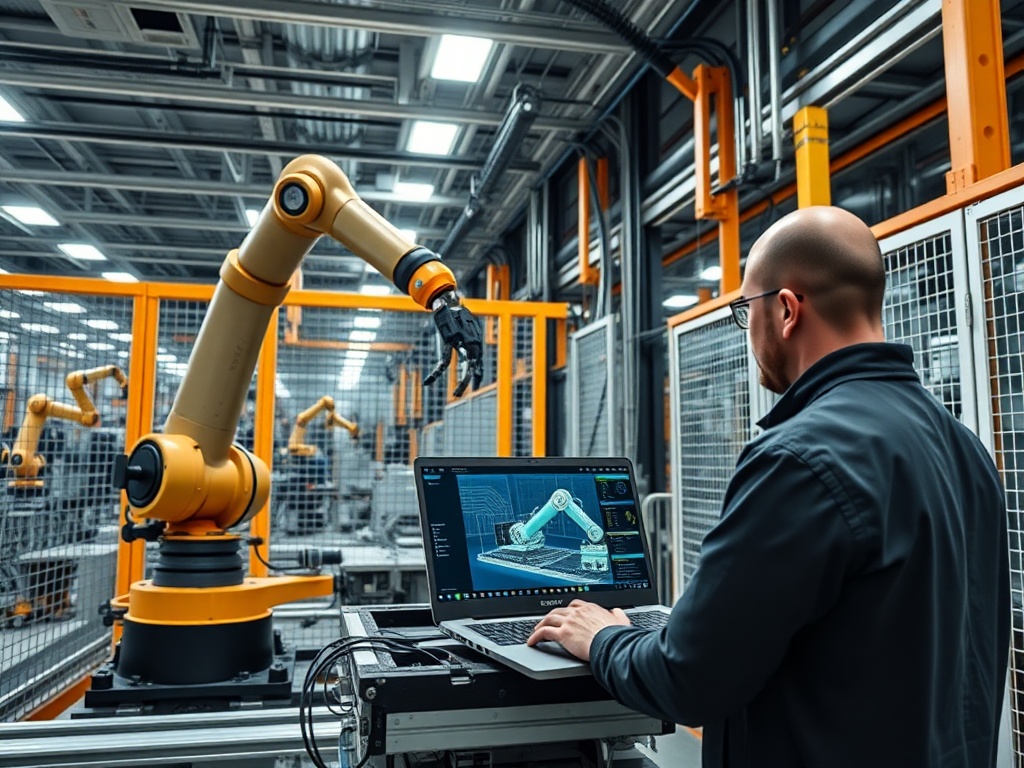
Google Isn't Buying Robots; It's Buying Trust: Why Intrinsic Aims to Be the Android of Factories
Alphabet's integration of Intrinsic isn't just an administrative move; it's an effort to transform industrial robotics into adoptable software. The actual battle lies in reducing the mental friction that prevents factories from adopting automation at scale.
Andrés Molina6 min
Energy Ceases to Be a Cost: Trump’s ‘Pledge’ Forces Tech Giants to Build Industrial Muscle
The ‘Rate Payer Protection Pledge’ is more than a political promise; it signals that competitive advantage in AI now hinges on governance and cost accountability.
 Valeria Cruz6 min

The Evolution of Employment in the Era of AI
This dialogue discusses the impact of AI on employment, focusing on the creation of new roles and value redistribution. Experts analyze organizational transitions and business challenges.
 Elena Costa20 min
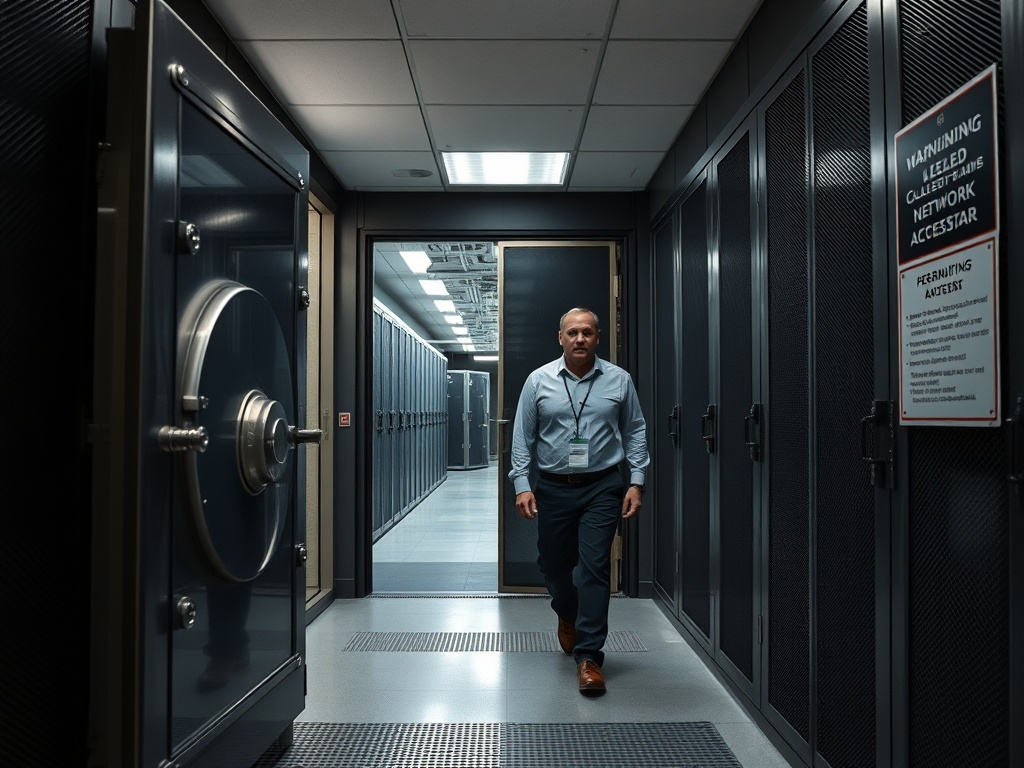
The Pentagon Converts Ethics into a Technical Clause as OpenAI Secures the Contract
When the world's most demanding client requests 'any lawful purpose', the edge lies in creating operational barriers rather than proclaiming principles.
 Tomás Rivera6 min
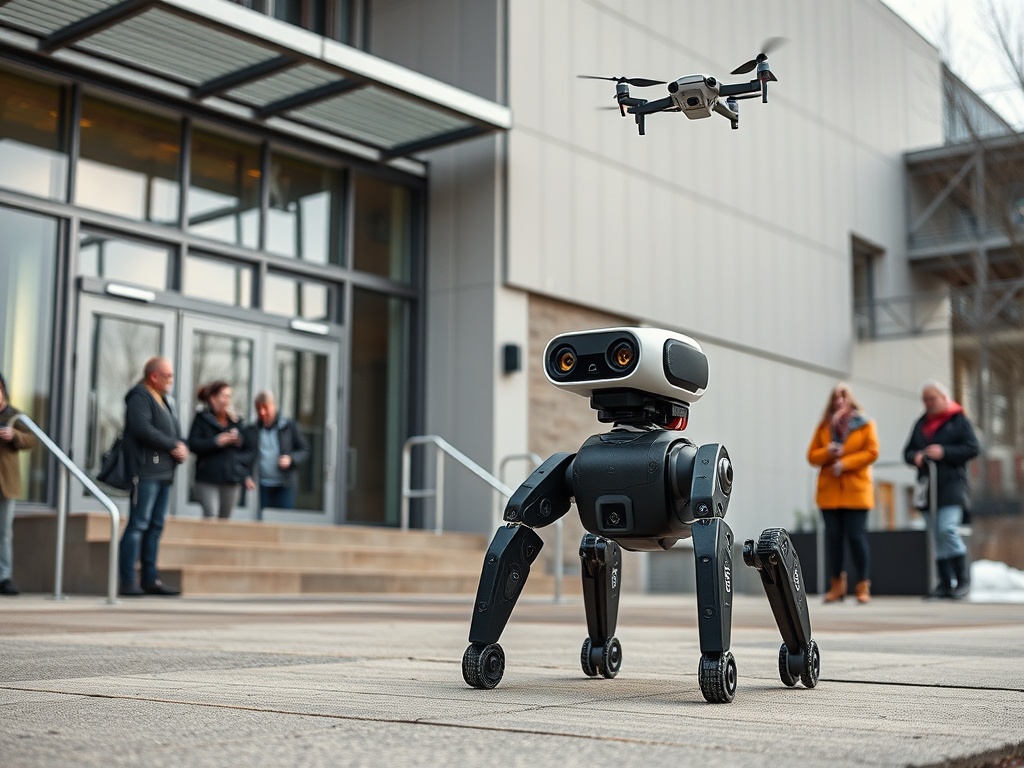
From Laboratory to Factory: The $100 Million Center Transforming Robotics into a Production Line
Pittsburgh is setting up a machine to shorten the timeline from research paper to deployed robot, shifting the governance of innovation.
 Ignacio Silva6 min
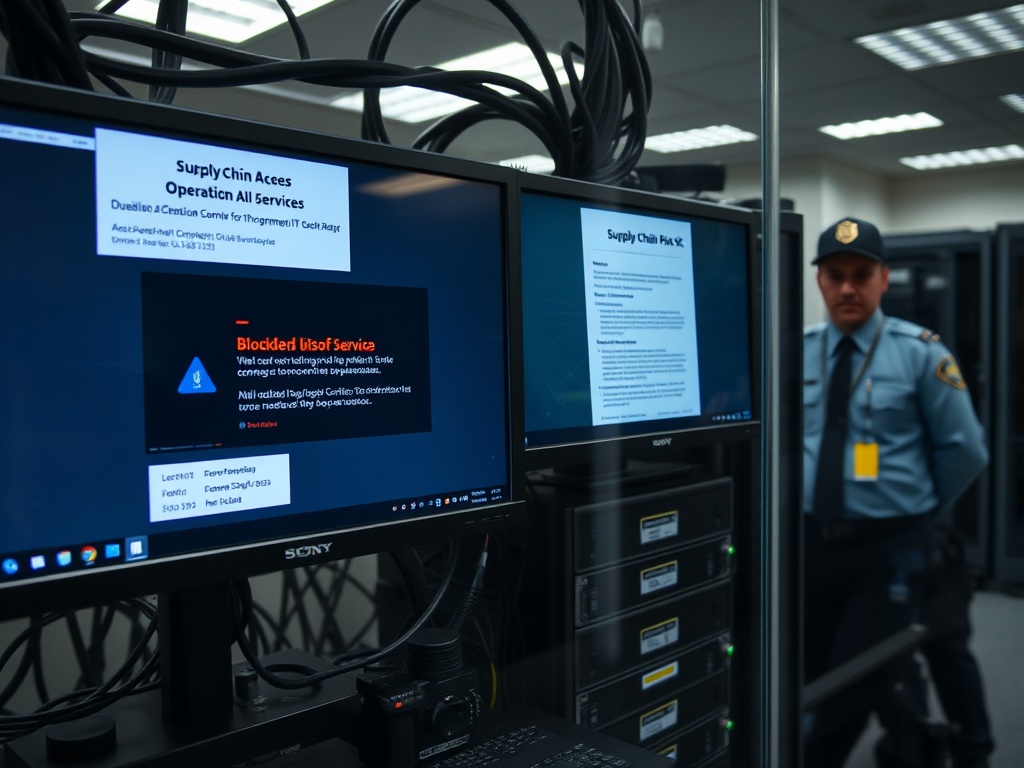
When the Customer Demands Master Keys: The Clash Between AI Security and Federal Procurement
Trump's order to halt Anthropic's AI use signifies a power struggle over technology control over technical negotiations.
 Clara Montes6 min

The Defense as Anchor Client: OpenAI Turns Security into Business Precondition
Following the clash between Anthropic and the Pentagon over the removal of safeguards, OpenAI negotiates access to classified networks on one key condition: retaining its own layer of security.
 Javier Ocaña6 min

OpenAI's Mega Investment Finances Power, Not Just Models
OpenAI's $110 billion investment signals a shift from software to critical infrastructure, highlighting the new competitive advantages in AI.
 Lucía Navarro6 min
Perplexity Computer and the New Corporate Luxury of Delegating Without Understanding
Perplexity launched a digital worker in the cloud coordinating 19 models and 400 integrations for $200/month. The real innovation isn’t technical; it’s management’s temptation to buy execution without addressing tough internal conversations.
 Simón Arce6 min

Reporting Threats in AI: Transitioning from Ethical Gesture to Risk Infrastructure
OpenAI's commitment to report threats highlights operational fragility in AI governance. Threat management is now essential to AI products in the face of regulatory pressures.
 Isabel Ríos6 min

Alibaba Is Not Selling Cheap AI; It's Acquiring Software Distribution Channels
With its AI subscription starting at just $1, Alibaba Cloud is not seeking immediate profits but aims to integrate AI into developers' daily workflow.
Tomás Rivera6 min
When National Defense Demands "No Limits": The Tension Driving AI Startups to Professionalize Governance
The clash between the Pentagon and Anthropic reveals the fragility of the AI sector due to the lack of governance structure.
Valeria Cruz6 min
When "Legal Use" Collides with Security: The Fight for Governance Over Military AI
The Pentagon insists that Claude be used for all legal purposes in classified settings, while Anthropic resists removing safeguards against mass surveillance and autonomous weapons.
Elena Costa6 min