Where impact stops being discourse and enters the economic equation
We follow sustainability when it becomes capital structure, operating risk, institutional legitimacy, and an economic model capable of sustaining a solution beyond the press release.
What we are watching
Energy, critical resources, biodiversity, industrial transition, climate finance, and decisions where impact has to become financeable, measurable, and politically defensible.
Where it is being decided
In permits, financing, extractive chains, regulation, environmental costs, and in the difficulty of turning systemic urgency into a business or an infrastructure that can hold.
Why it matters
Because sustainability is not only a moral intention. It is also the question of who pays, who captures value, which risks get transferred, and which solutions can move from ideal to execution.
Featured
Sustainability
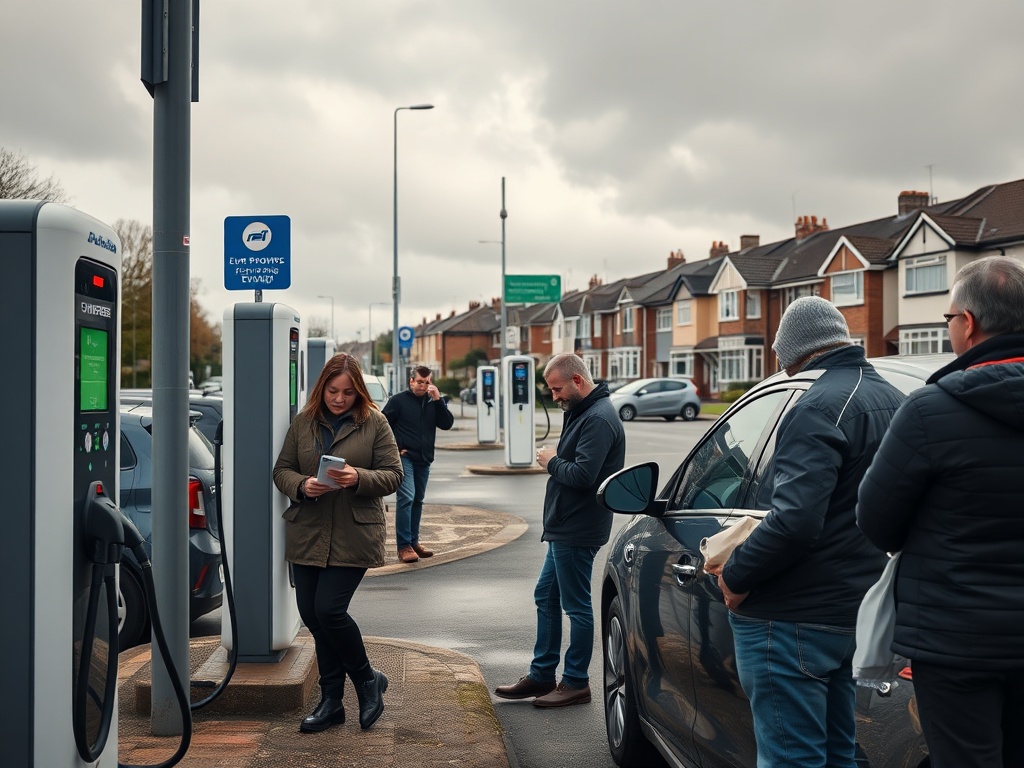
The Electric Car Slowdown in the UK Isn't About Technology: It's a Poorly Marketed Value Proposition
The UK is nearing a 24% share of electric car registrations but still lags behind the mandated ZEV target of 28% by 2026. The blockage lies in marketing, not technology.
 Camila Rojas6 min
Latest articles
The $100 Barrel Isn’t the Problem: Operational Fragility Exposed by Hormuz
Rising oil prices reveal which SMEs confused stability with security. The de facto closure of the Strait of Hormuz turns energy costs into a structural stress test.
The Millionaire Tax in Washington Reveals the Hidden Costs of a State Financing Wealth with Regressive Taxes
When a millionaire states a willingness to pay higher taxes, the issue isn't personal virtue; it’s about who bears the tax burden.
Hormuz Turns Oil into Idle Inventory: The Financial Mechanics Behind Cuts in Kuwait and Pressure on the Emirates
The effective blockade of the Strait of Hormuz not only raises crude prices; it disrupts the export cycle and forces production cuts as storage fills up.
Gas Prices at $3.41: A Signal Amidst a Rising Conflict
The surge in gasoline prices in the U.S. serves as a stark reminder that energy security goes beyond mere supply.
Most Popular
Most voted on this page
The New Economy of Storage: It's Not Decided in the Lab, It's Decided in the Lifecycle
Qnetic raised $5 million to manufacture in California and deploy its first Q500 systems. The relevant detail is not the amount, but the industrial thesis.
93
The $100 Barrel Isn’t the Problem: Operational Fragility Exposed by Hormuz
Rising oil prices reveal which SMEs confused stability with security. The de facto closure of the Strait of Hormuz turns energy costs into a structural stress test.
92
Hormuz Turns Oil into Idle Inventory: The Financial Mechanics Behind Cuts in Kuwait and Pressure on the Emirates
The effective blockade of the Strait of Hormuz not only raises crude prices; it disrupts the export cycle and forces production cuts as storage fills up.
92
ArcelorMittal's 20-F Signals: Less Financial Fragility, More Control of Critical Inputs
The 20-F report serves as a vital health check for ArcelorMittal, showcasing resilience and strategic maneuvers in a cyclical industry.
92
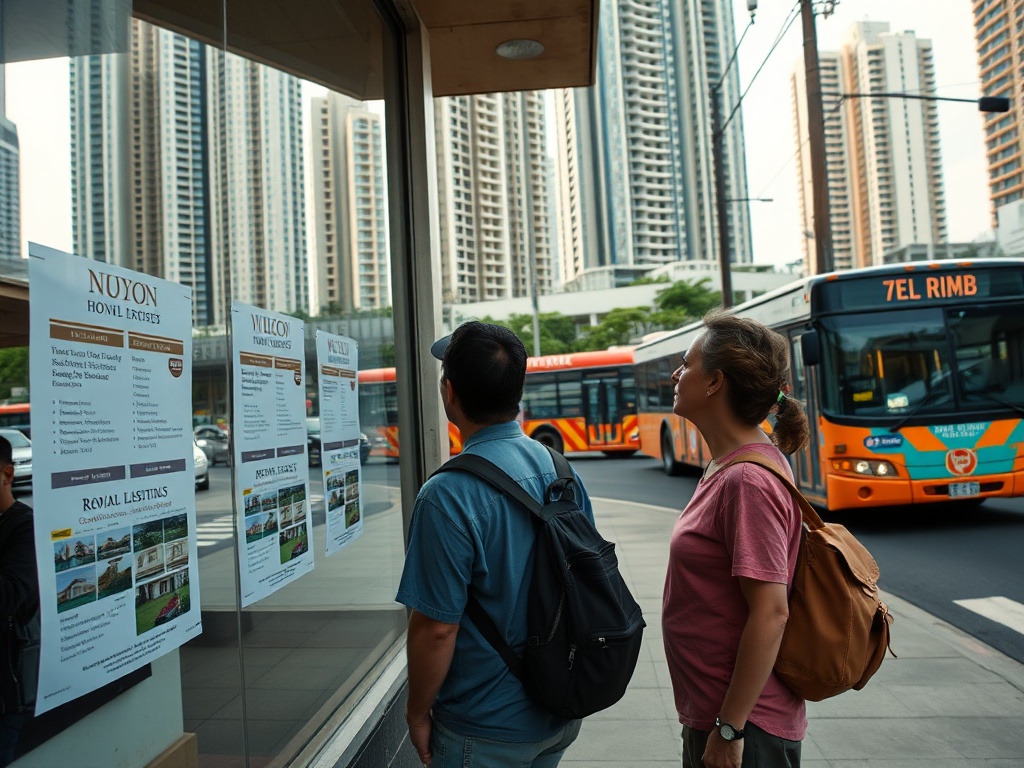
Hawaii Doesn’t Have an Employment Problem: It Has a ‘Net Worth’ Problem for Living There
UHERO reveals that the ‘lost decade’ has turned into a lost generation as living standards stagnate. Hawaii's appeal as a product faces serious challenges.

Express Hiring at the Forest Service Reveals an Uncomfortable Truth: Operational Capacity Can’t Be Improvised
After a year of hiring freezes and cuts that eliminated nearly 10% of its workforce, the U.S. Forest Service is rebuilding with 2,000 seasonal hires in just 10 days.

ArcelorMittal's 20-F Signals: Less Financial Fragility, More Control of Critical Inputs
The 20-F report serves as a vital health check for ArcelorMittal, showcasing resilience and strategic maneuvers in a cyclical industry.
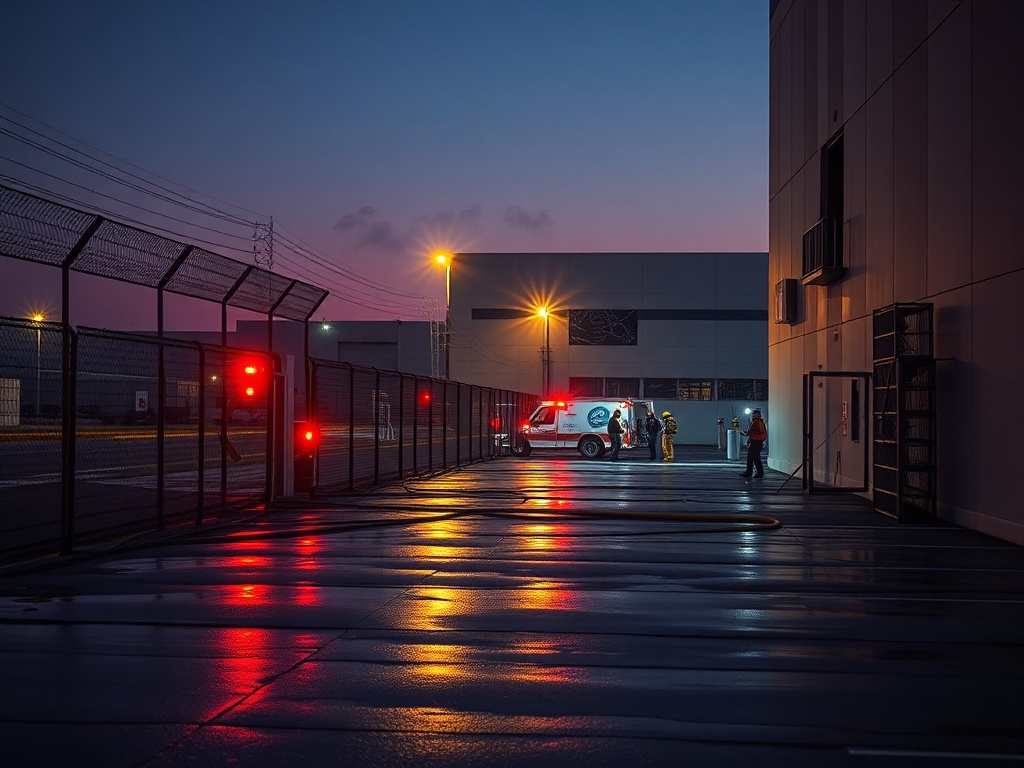
When the Cloud Faces Physical Impact: The New Trust Contract Demanded of Big Tech
Drone attacks that damaged AWS data centers in the UAE and Bahrain turn an uncomfortable idea into an operational reality: cloud continuity now depends on physical infrastructure.
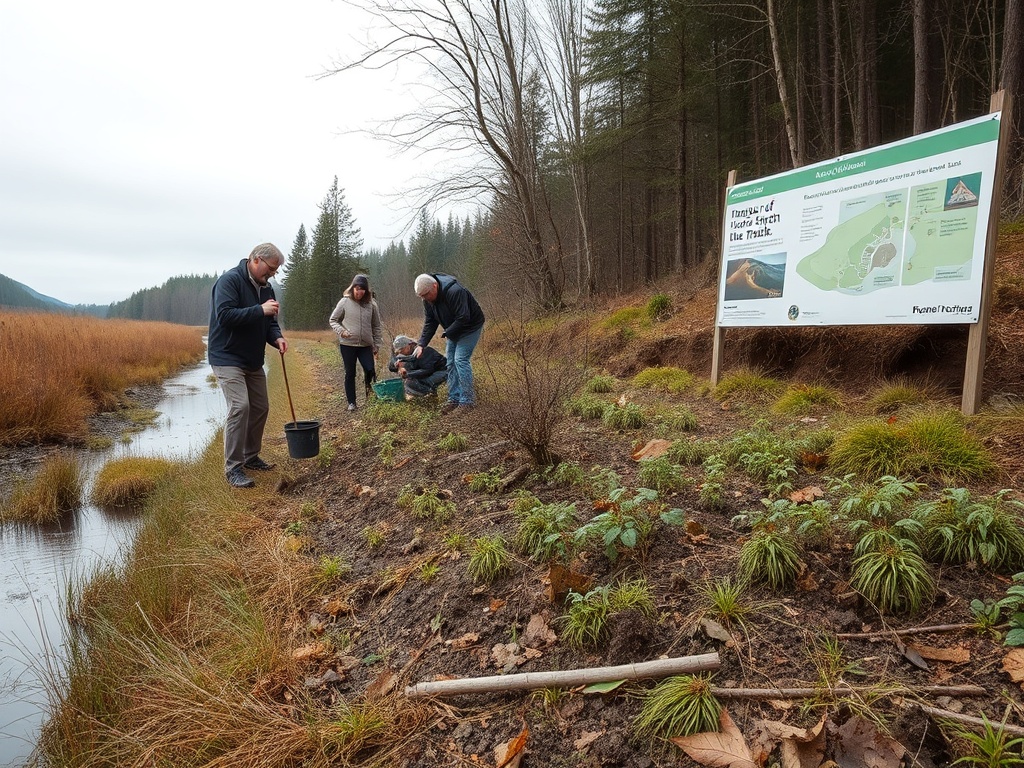
Conservation That Scales: Why the Canadian Fund of 25 Years is a Governance Bet, Not Philanthropy
Canada recently celebrated 25 years of its longest-running program for at-risk species with a new injection of up to $5.2 million. The important aspect for C-Level executives is not the amount, but the design: a network-driven execution machine based on local legitimacy and evidence.

The Ownership Economy Strikes Back: Gen Z Is Punishing the Easy Margin of Subscriptions
Subscription fatigue is pushing Gen Z to pay for objects they can touch, keep, and resell. This isn't nostalgia: it's a renegotiation of how value is split between platforms, creators, retailers, and consumers.
 Martín Soler6 min
The Orinoco as an Ownerless Asset: When Extraction Turns Biodiversity into Financial Liabilities
The Orinoco basin is critical for local economies, yet operates without effective governance, leading to unsustainable extraction practices.
 Lucía Navarro6 min
The Lamb Becomes a Scarce Asset: The Decline of the British Sheep Flock Forces a Redesign of the Food Chain
As the sheep flock decreases, not only does the price of lamb rise, but the economy of entire regions is rewritten, straining food security in the UK.
 Gabriel Paz6 min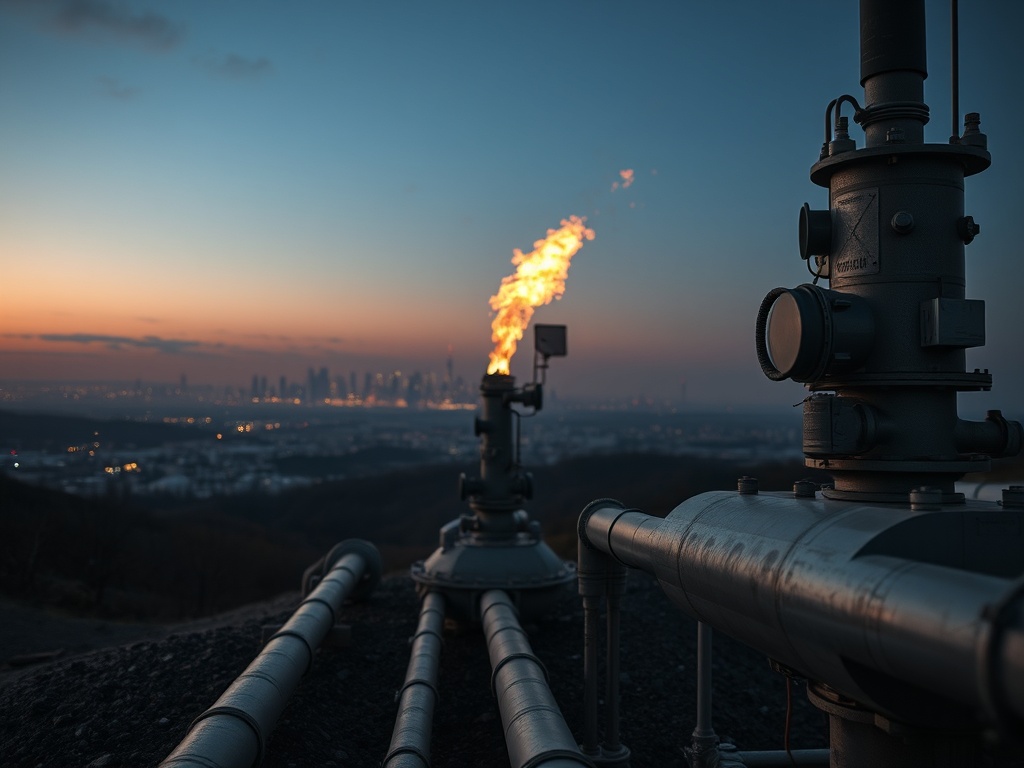
The $100 Million Commitment Against Super Pollutants: A Corporate Bet That Only Works if it Becomes a Verifiable Business
Seven companies promise to direct $100 million by 2030 to cut methane, black carbon, and refrigerant gases, but effective reduction relies on measurable outcomes.
Lucía Navarro6 min
The Return Problem Is Not Logistical: It's a Trust Gap Costing £20 Billion
The fashion industry in the UK faces a staggering £20 billion cost due to returns. TechTags promises a new way to reduce friction and losses at the point of distrust.
 Clara Montes6 min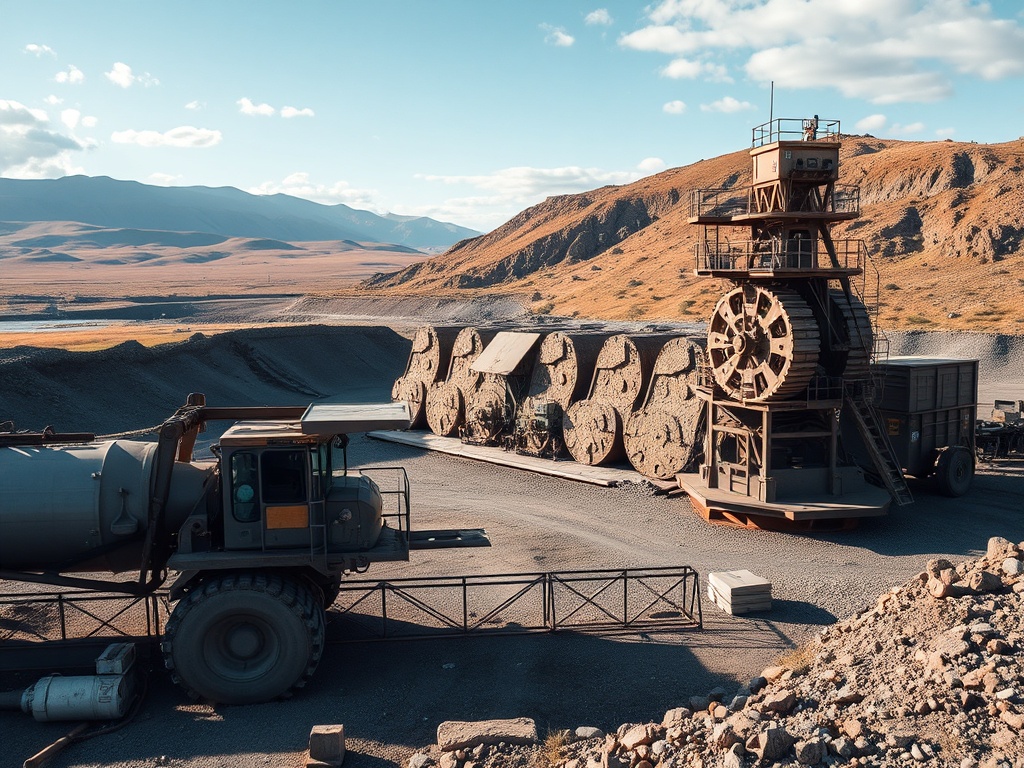
Deregulating Mining in Argentina: Less Paper Reduces Uncertainty but Doesn't Replace Environmental Control
Decree 449/2025 revises key mining laws in Argentina to simplify procedures and reduce bureaucratic burdens, but raises concerns about environmental oversight.
 Diego Salazar10 min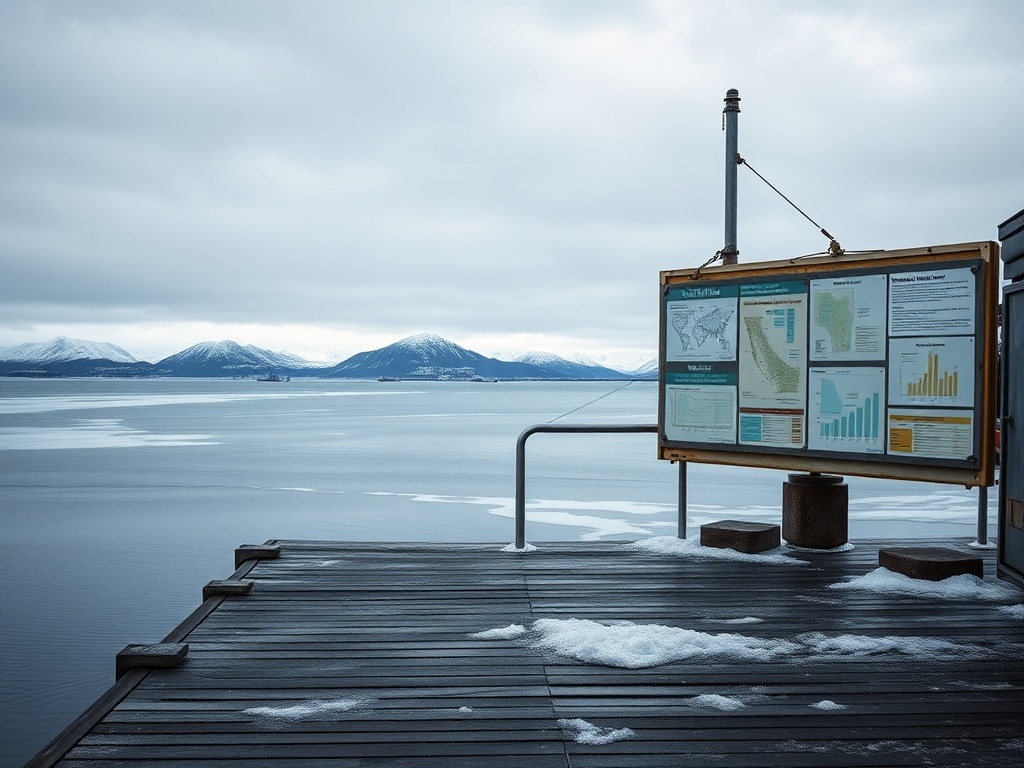
Zero Bids in Cook Inlet: When the Market Disconnects from Mandates and Exposes Strategic Fragility
More than 1 million acres in federal auction in Alaska and no bids: this reflects capital allocation risks the sector is unwilling to take, even with Brent at $82.38.
 Isabel Ríos6 min
When a Chatbot Optimizes Drama and Breaches Duty of Care: AI's New Bill for Google
The negligence death lawsuit linked to Gemini reveals product and brand risks that scale with adoption. If AI is designed to sustain narratives, the costs may culminate in court, regulation, and loss of trust.
 Elena Costa6 min
The New Economy of Storage: It's Not Decided in the Lab, It's Decided in the Lifecycle
Qnetic raised $5 million to manufacture in California and deploy its first Q500 systems. The relevant detail is not the amount, but the industrial thesis.
Gabriel Paz6 min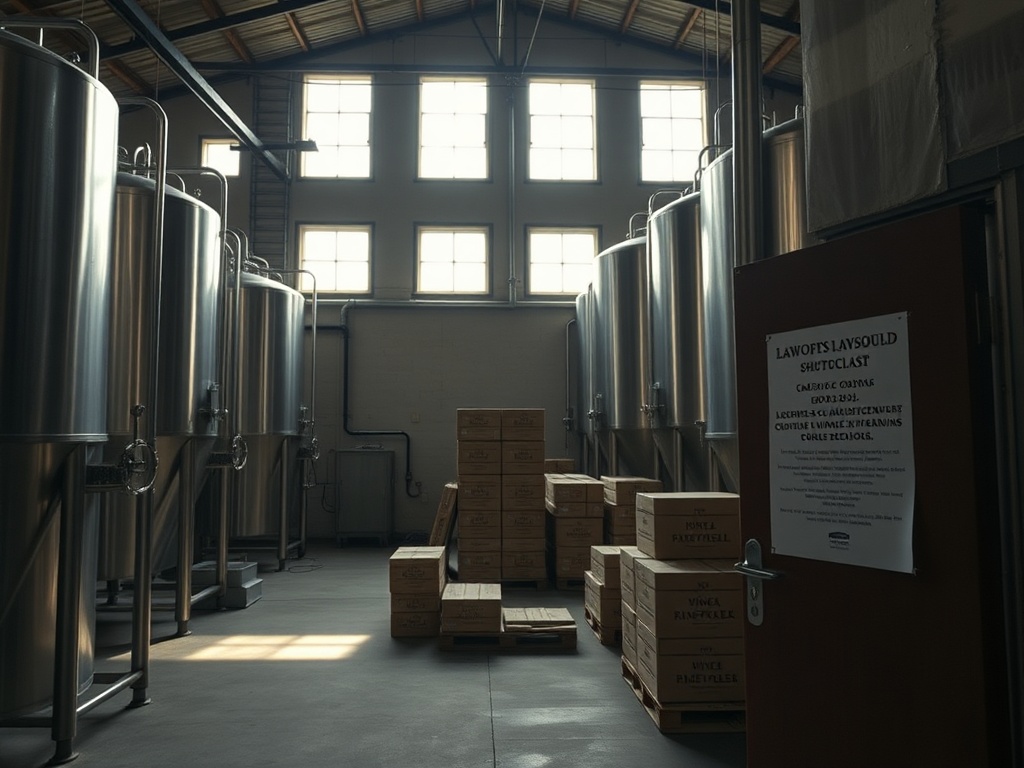
California Wine is Losing Not in the Vineyard, But in the Consumer's Mind
Iconic winery closures and layoffs signal a fundamental shift in wine consumption habits.
 Andrés Molina6 min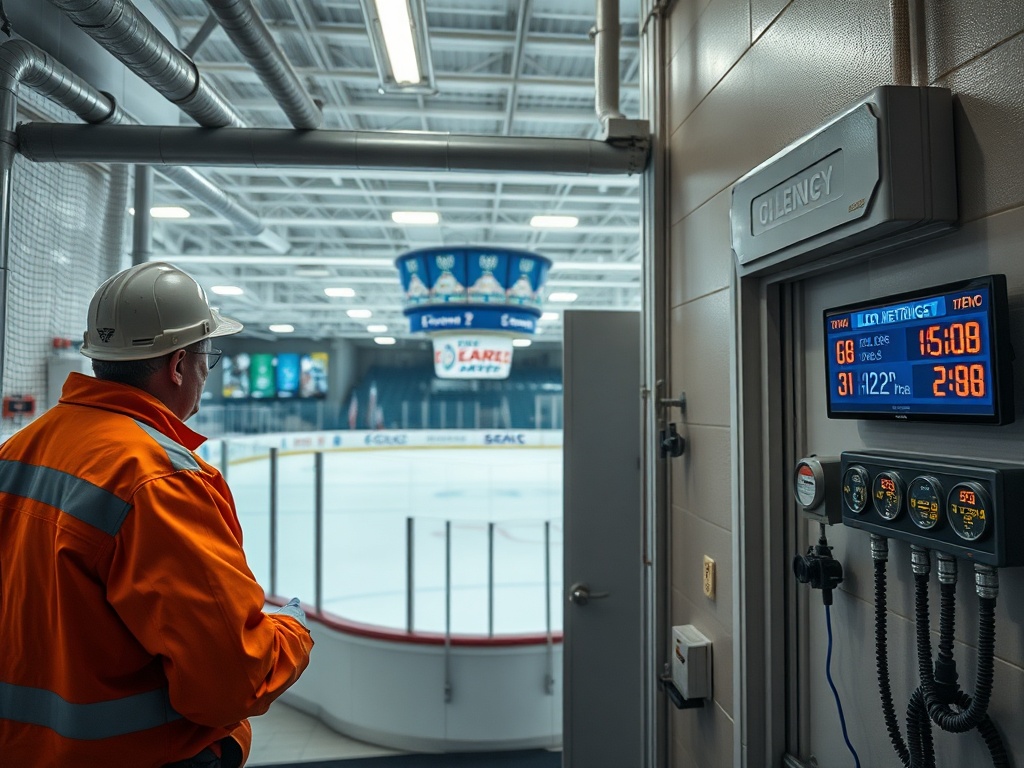
The Ice Rink as a Financial Asset: When Decarbonization Becomes More Than a Gesture
Sustainability in ice skating is shifting from a mere manifesto to actionable metrics, making it a critical aspect of the sport's business model.
Lucía Navarro6 min
Mobile Advertising Has Transformed from a Channel to Surveillance Infrastructure: The Hidden Costs for Marketing
When a federal agency can purchase location data derived from the advertising ecosystem, marketing shifts from performance to operational risk.
Clara Montes6 min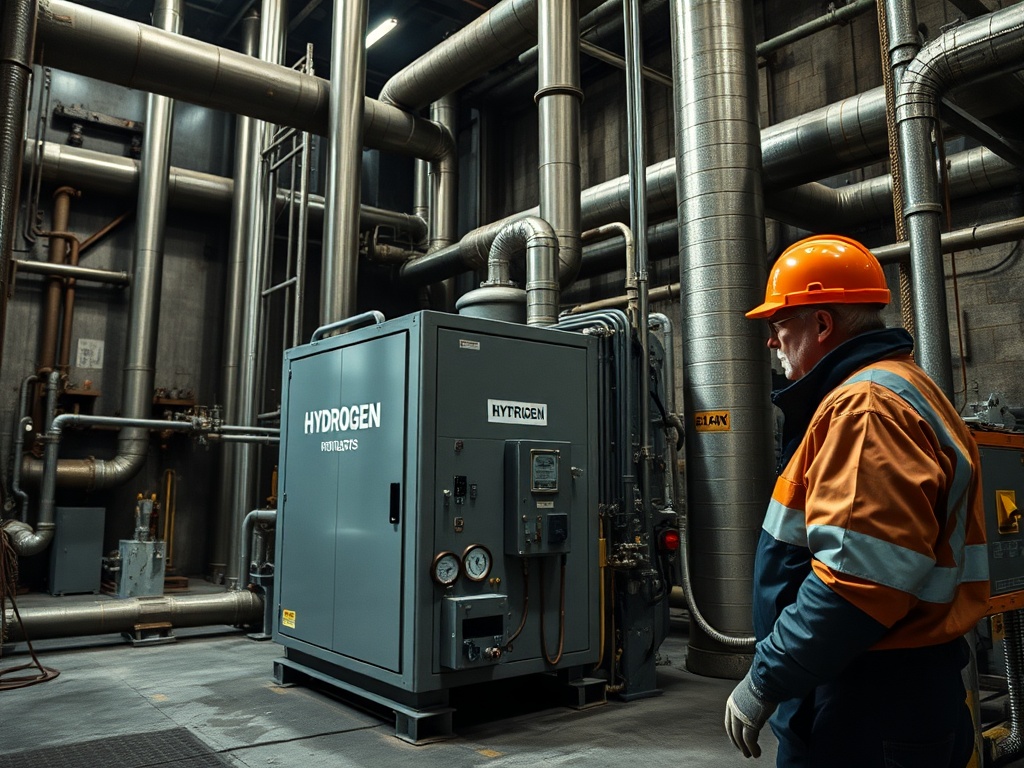
Hydrogen Without the Power Grid: It's a Bet on Execution and Governance
Utility Global has secured $100 million in Series D funding to scale H2Gen®, promising clean hydrogen without grid dependence. This marks a phase shift in operational execution and governance for SMEs.
Isabel Ríos6 min
Mach 8 and 3D Printed Metal: The Hypersonic Bet Turning Engineering into Evidence
The flight of DART AE isn't just a PR stunt—it's a strategic move converting technical uncertainty into actionable data, and data into contractual advantage.
 Tomás Rivera6 min