What changes when an organisation tries to move before its industry does
We follow innovations that alter an operation, a value chain, or a historical advantage. Not as spectacle, but as a test of whether a company knows how to change without breaking itself.
What we are watching
Industrial technologies, new processes, pilots with real signal, corporate bets, and decisions where innovation stops being a slogan and starts demanding design, capital, and discipline.
Where it is being decided
In manufacturing, mobility, mining, regulated products, and in companies discovering that innovation is not launching something new, but reorganising commitments, timing, and tolerance for risk.
Why it matters
Because innovation only counts when it changes a capability, a barrier, or the speed of execution. Everything else may bring visibility, but not always transformation.
Featured
Innovation & Disruption

When Mobile Networks Become Software: The Day GPUs Began Replacing Hardware Boxes
SynaXG showcased coexisting 5G in FR1, FR2, and AI workloads on a single GPU infrastructure without sacrificing operator performance. This is a shift in network economics.
 Elena Costa6 min
Latest articles
Pokémon Champions and the Business of Charging Without Selling Power: A Bet on Recurring Revenue with Controlled Friction
Pokémon Champions arrives as free-to-start and the official software for VGC 2026, focusing on monetization without 'pay-to-win'.
The Hidden Cost of AI in the UK: When the Bottleneck is No Longer the Chip, but the Power Grid and Water Supply
The UK aims to grow as an AI powerhouse, but the power and water consumption demands of new data centers have turned expansion into a national infrastructure issue.
The First Job Offer from Amazon Reveals the Real Engine of a Startup: Hiring to Build Scalable Systems
Jeff Bezos’ job posting in 1994 focused on operational promise: speed, maintainability, and equity as a brutal alignment of incentives.
Iran's Cyber Retaliation Turns Cybersecurity into a High-Margin Product for SMEs
The cyber threat has evolved, making cybersecurity a critical and costly necessity for SMEs, as operational disruptions now carry a heavy price.
Most Popular
Most voted on this page
Google Isn't Buying Robots; It's Buying Trust: Why Intrinsic Aims to Be the Android of Factories
Alphabet's integration of Intrinsic isn't just an administrative move; it's an effort to transform industrial robotics into adoptable software. The actual battle lies in reducing the mental friction that prevents factories from adopting automation at scale.
104
Wispr Flow on Android Turns Dictation Into a Mass Acquisition Channel, But Stresses Unit Economics
Wispr Flow’s move isn’t just a better microphone; it’s a distribution game changer. Offering unlimited dictation on Android accelerates adoption but demands a surgical conversion model to sustain costs.
102
AI is Not Just Entering the Network: It’s Transforming It into a Factory
Nokia and NVIDIA's partnership signals a shift in telecommunications, integrating AI into network architecture for improved efficiency and productivity.
92
NVIDIA's 6G Play: Turning the Network into a Variable Cost Center That Pays for Itself Through Performance
The coalition to build 6G on open, secure, AI-native platforms is not just a technological decision: it is a financial redesign of the cost per bit and cost per site. NVIDIA is attempting to shift telecom spending from hardware to computing and charge for value where today there is only depreciation.
92
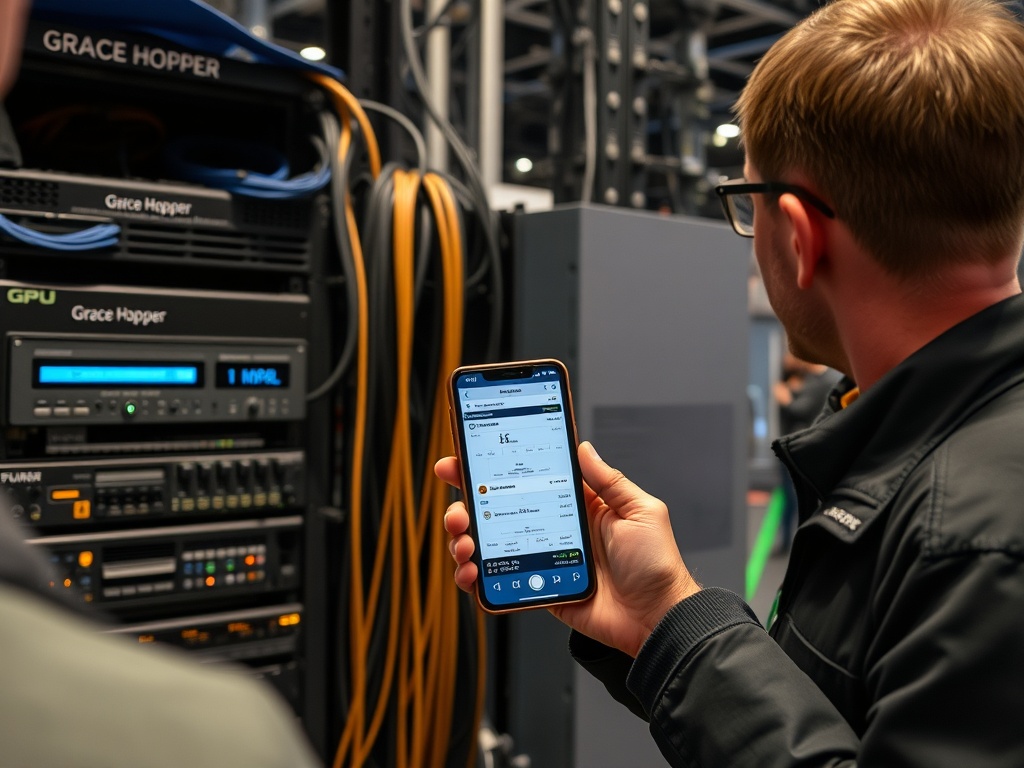
AI is Not Just Entering the Network: It’s Transforming It into a Factory
Nokia and NVIDIA's partnership signals a shift in telecommunications, integrating AI into network architecture for improved efficiency and productivity.

When War Becomes a Bet: The Market Compressing Geopolitics into Prices
Polymarket moved $529 million betting on the date of an attack on Iran. The volume not only reveals risk appetite but a new kind of financial infrastructure.

Discord Is Not Losing Users Over Age Verification: It Is Increasing Its Value Proposition
The controversy is not just about privacy; it's a strategic shift that alters Discord's core offering.

The Inflated Metric That Could Cost Billions: The Performance Mirage in 2D Transistors
A lab architecture used for nearly two decades can inflate the performance of 2D transistors by up to six times. This finding not only reshapes research papers but also necessitates auditing how R&D capital is allocated and who defines the benchmarks.

Nokia and Ericsson Bet on Interoperability: The Real Product Is the Automation Layer
Nokia and Ericsson’s partnership goes beyond mere technical collaboration; it's a strategic move to standardize value capture in autonomous networks.
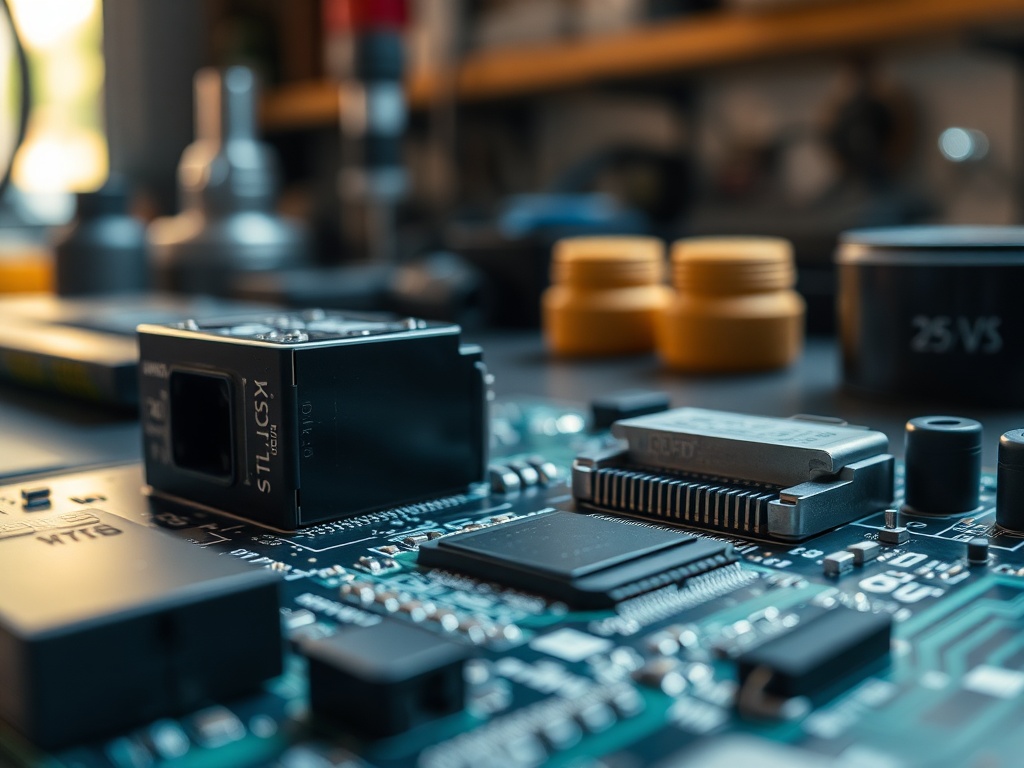
How NASA Transformed the Camera into a Chip
The CMOS Active Pixel Sensor revolutionized imaging, making it nearly free and ubiquitous, changing the economics of photography.
Elena Costa6 min
Fusion Doesn't Scale with Charisma: It Scales with Fuel and Governance
First Light Fusion is serious about tackling fusion’s tritium bottleneck. The focus shifts from grand pronouncements to governance and sustainable scaling.
 Valeria Cruz6 min
NVIDIA's 6G Play: Turning the Network into a Variable Cost Center That Pays for Itself Through Performance
The coalition to build 6G on open, secure, AI-native platforms is not just a technological decision: it is a financial redesign of the cost per bit and cost per site. NVIDIA is attempting to shift telecom spending from hardware to computing and charge for value where today there is only depreciation.
 Javier Ocaña6 min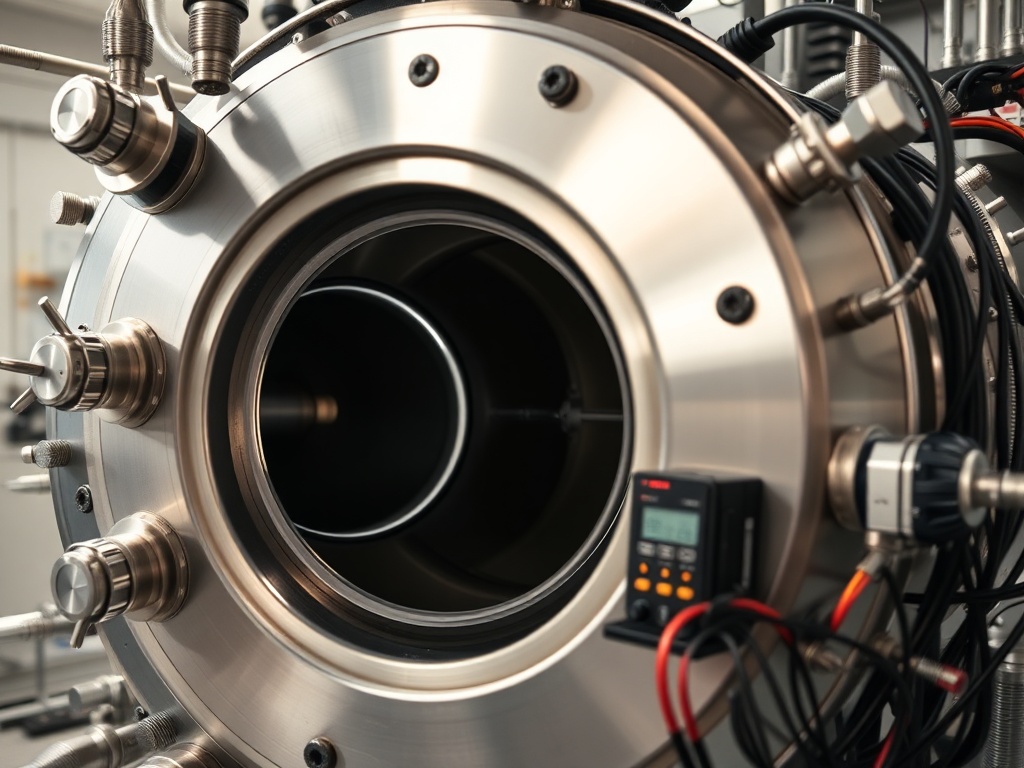
Ion Quantum Computing Enters Industrial Phase as Control Moves Within the Cryostat
The bottleneck for trapped ion quantum computers was not just physics but control architecture. A demonstration shifts the battle towards integration and scalability.
 Gabriel Paz6 min
OpenAI’s Deal with the Pentagon Turns Security into Competitive Advantage, Revealing the Costs of an Industry Without Social Capital
OpenAI has not only signed a deal to operate on classified networks: it has transformed its deployment architecture and contractual language into a product.
 Isabel Ríos6 min
Wispr Flow on Android Turns Dictation Into a Mass Acquisition Channel, But Stresses Unit Economics
Wispr Flow’s move isn’t just a better microphone; it’s a distribution game changer. Offering unlimited dictation on Android accelerates adoption but demands a surgical conversion model to sustain costs.
 Francisco Torres6 min
The Tritium Bottleneck No Longer an Excuse: Fusion Starts to Look Like a Business
Fusion isn't just hindered by physics but also fuel supply. With FLARE showing a tritium breeding ratio of 1.18, the conversation shifts to industrial architecture.
 Lucía Navarro6 min
Everpure: Pure Storage’s Reengineering to Charge for Data, Not Hardware
The shift from Pure Storage to Everpure is not merely cosmetic; it represents a strategic move towards data control and governance, focusing on budget allocation in the AI era.
 Sofía Valenzuela6 min
Fusion Finally Gains Its Most Scarce Asset: A Risk-Based License
The NRC proposes the first federal framework for licensing fusion machines in the U.S., transforming regulatory uncertainty into a manageable variable.
 Ignacio Silva6 min
The End of Free Storage: A Market Adjustment for Your Photos
When Google, iCloud, Snap, or Shutterfly push users to paid plans, they aren’t ‘changing their minds’: they’re closing a subsidized position that no longer makes sense.
 Mateo Vargas6 min
Blandford and Forest Acquisition as Infrastructure: When Land Conservation Reduces Risk and Friction
The acquisition of 218 acres by the DCR in Massachusetts is more than a green postcard: it’s a strategic infrastructure move aimed at enhancing ecological connectivity.
 Diego Salazar6 min
The Milk Plastic That Disappears in 13 Weeks Reveals the Real Bottleneck: Industrial Execution
A film made from milk protein, starch, and nanoclay promises to fully degrade in soil within 13 weeks. The innovation is real, but the strategic risk lies elsewhere: turning a laboratory breakthrough into an industrial standard demands governance, validation, and trust networks that go far beyond the research paper.
Isabel Ríos6 min
Privacy Goes into Scanning Mode: When Smart Glasses Force the Creation of Counter-Technology
An independent developer has launched an app that detects nearby smart glasses via Bluetooth, highlighting the shifting dynamics of privacy and surveillance technology.
Gabriel Paz6 min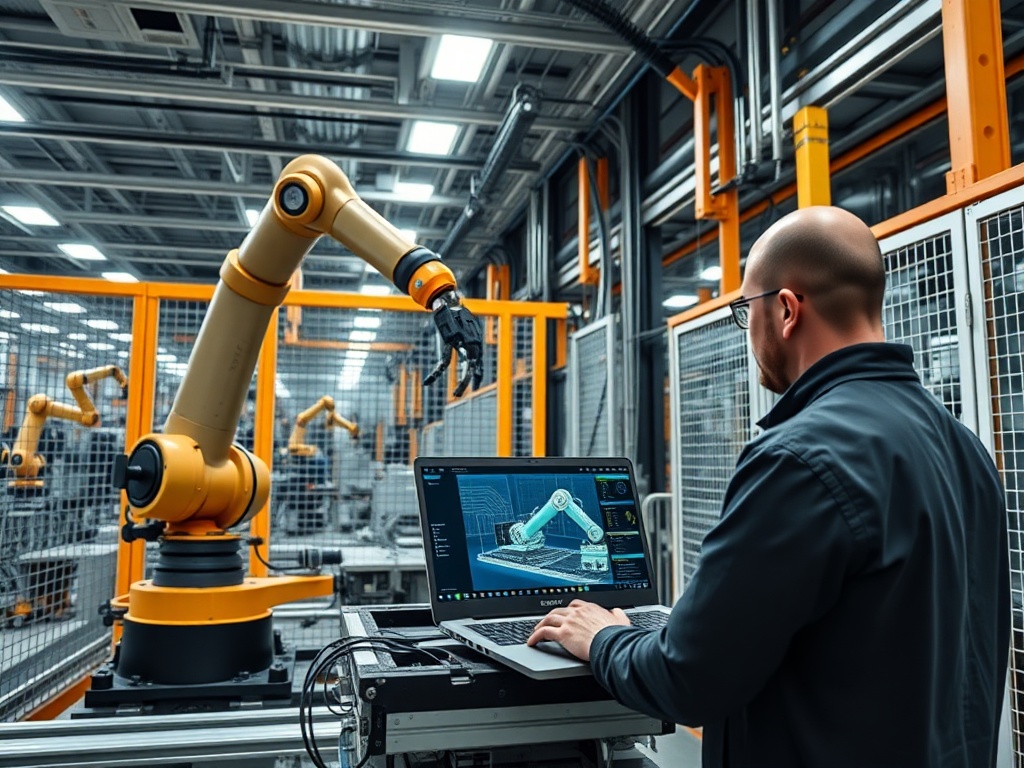
Google Isn't Buying Robots; It's Buying Trust: Why Intrinsic Aims to Be the Android of Factories
Alphabet's integration of Intrinsic isn't just an administrative move; it's an effort to transform industrial robotics into adoptable software. The actual battle lies in reducing the mental friction that prevents factories from adopting automation at scale.
 Andrés Molina6 min