What changes when an organisation tries to move before its industry does
We follow innovations that alter an operation, a value chain, or a historical advantage. Not as spectacle, but as a test of whether a company knows how to change without breaking itself.
What we are watching
Industrial technologies, new processes, pilots with real signal, corporate bets, and decisions where innovation stops being a slogan and starts demanding design, capital, and discipline.
Where it is being decided
In manufacturing, mobility, mining, regulated products, and in companies discovering that innovation is not launching something new, but reorganising commitments, timing, and tolerance for risk.
Why it matters
Because innovation only counts when it changes a capability, a barrier, or the speed of execution. Everything else may bring visibility, but not always transformation.
Featured
Innovation & Disruption
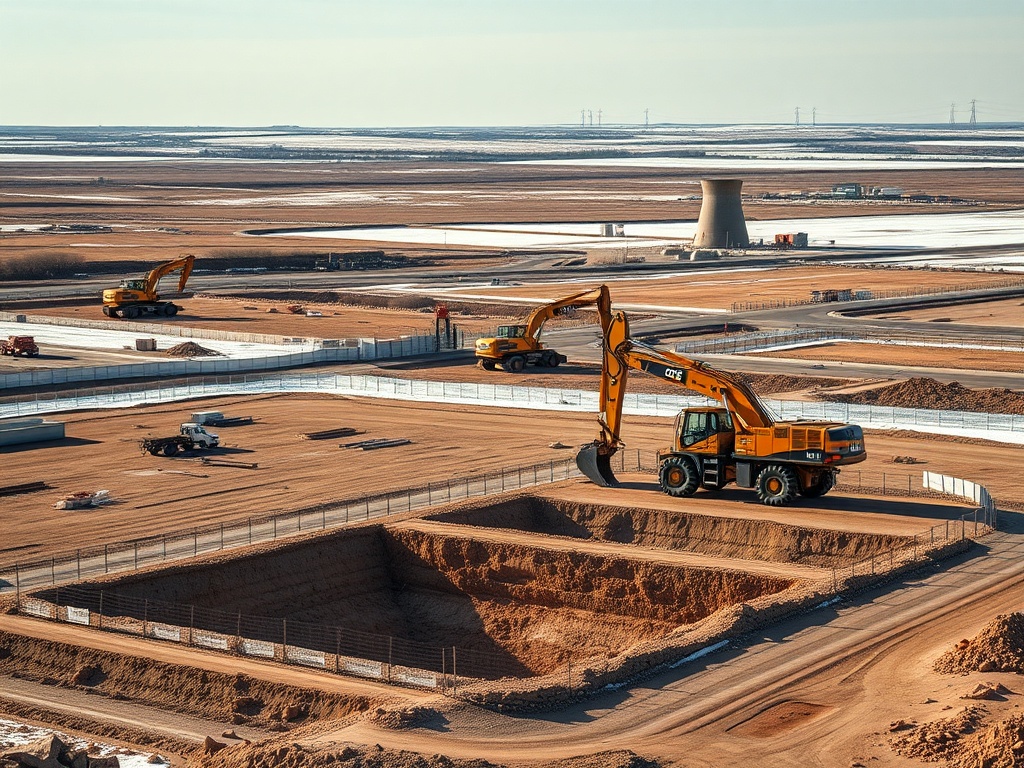
TerraPower and the Permit that Transforms Regulation into Competitive Advantage
The achievement is not only technical but economic. The construction permit for Natrium redefines who captures value in the upcoming nuclear wave in the U.S.
 Martín Soler6 min
Latest articles
Luma Agents and the End of Tool Assembly: When Creativity Becomes an Industrial Operation
Luma introduced a new operational layer that transforms creativity into an integrated industrial process, enhancing speed, control, and compliance.
Google Makes Productivity ‘Chargeable’ with Agents: The New Toll for Gmail, Drive, and Docs
Google's move to make Gmail, Drive, and Docs agent-ready signifies a shift from human interaction to automated workflows, transforming the value proposition for businesses.
The $100 Million Commitment Against Super Pollutants: A Corporate Bet That Only Works if it Becomes a Verifiable Business
Seven companies promise to direct $100 million by 2030 to cut methane, black carbon, and refrigerant gases, but effective reduction relies on measurable outcomes.
Ford and GM in F1: Renting a Marketing Lab Under Real Pressure
Ford and General Motors entering Formula 1 in 2026 is less about brand prestige and more about transforming hybrid innovation into measurable global narratives.
Most Popular
Most voted on this page
The New Economy of Storage: It's Not Decided in the Lab, It's Decided in the Lifecycle
Qnetic raised $5 million to manufacture in California and deploy its first Q500 systems. The relevant detail is not the amount, but the industrial thesis.
93
Intel Foundry and the 2027 Arithmetic: Breakeven Depends on Utilization, Not Heroics
Intel aims for operational breakeven in its foundry by 2027, focusing on efficient utilization rather than aggressive market capture.
92
Mach 8 and 3D Printed Metal: The Hypersonic Bet Turning Engineering into Evidence
The flight of DART AE isn't just a PR stunt—it's a strategic move converting technical uncertainty into actionable data, and data into contractual advantage.
92
The Google-Epic Agreement Redefines Android's Toll: Lower Commissions, More Operational Control
The return of Fortnite to Google Play isn't the headline; the real story is the new commission and distribution architecture seeking to open Android while maintaining security.
91

The First Wi-Fi 7 Stadium in MLS: A Real-Time Revenue Machine
LAFC has unveiled Wi-Fi 7 at BMO Stadium, transforming high-density connectivity into a measurable platform for operational efficiency and revenue generation.

The Google-Epic Agreement Redefines Android's Toll: Lower Commissions, More Operational Control
The return of Fortnite to Google Play isn't the headline; the real story is the new commission and distribution architecture seeking to open Android while maintaining security.
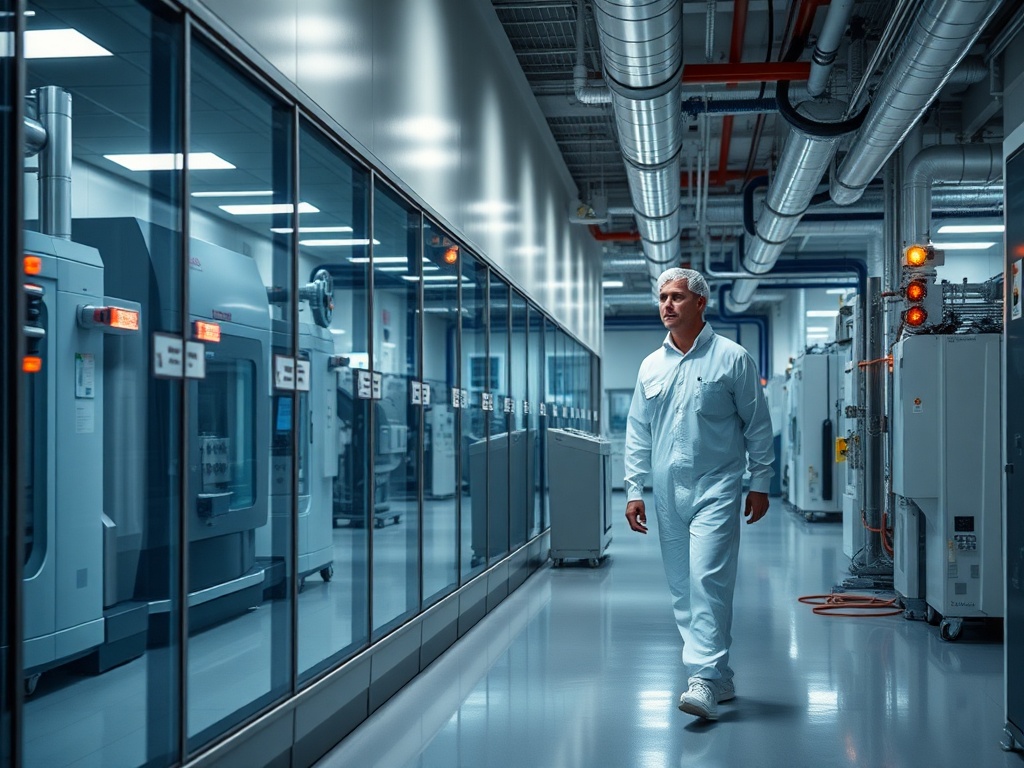
Intel Foundry and the 2027 Arithmetic: Breakeven Depends on Utilization, Not Heroics
Intel aims for operational breakeven in its foundry by 2027, focusing on efficient utilization rather than aggressive market capture.

The Fall of Claude Was Not a Technical Failure: It Was a Public Audit of Operational Dependence on AI
Claude's blackout revealed an uncomfortable truth: many organizations have turned an AI co-pilot into critical infrastructure without a continuity plan.
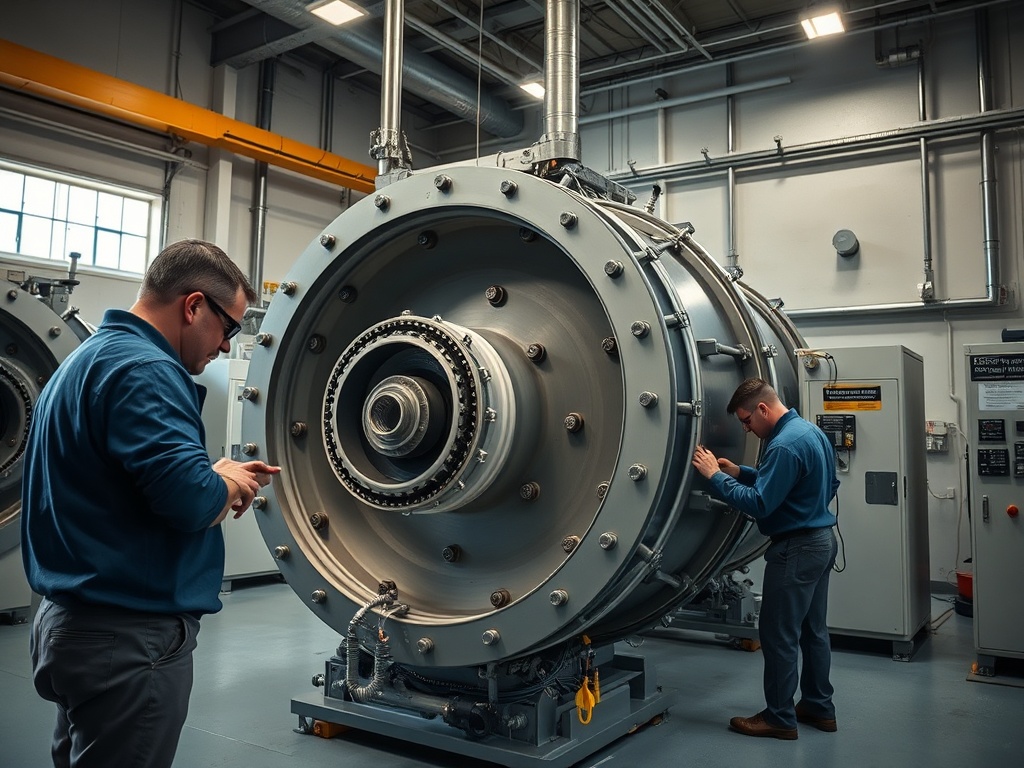
The New Economy of Storage: It's Not Decided in the Lab, It's Decided in the Lifecycle
Qnetic raised $5 million to manufacture in California and deploy its first Q500 systems. The relevant detail is not the amount, but the industrial thesis.
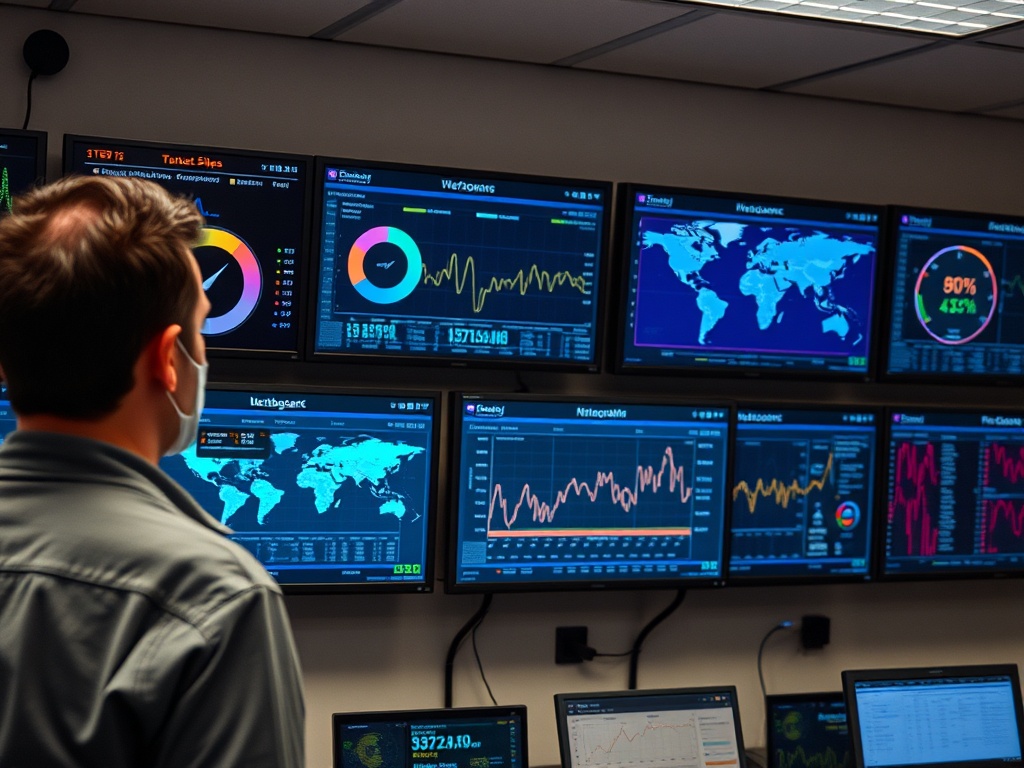
Accenture Acquires Ookla: When the Network Transforms from Infrastructure to Management Tool
Accenture will pay $1.2 billion for Ookla and its assets to transform vast measurements into a sellable business service. This move signifies operational control over networks that underpin business.
 Sofía Valenzuela6 min

TikTok and Oracle: When Data Sovereignty is Gained but Resilience is Lost
A recent infrastructure issue linked to Oracle highlights the tension between regulatory compliance and operational risks. TikTok faces challenges in user experience and monetization.
 Ignacio Silva6 min

The Ice Rink as a Financial Asset: When Decarbonization Becomes More Than a Gesture
Sustainability in ice skating is shifting from a mere manifesto to actionable metrics, making it a critical aspect of the sport's business model.
 Lucía Navarro6 min
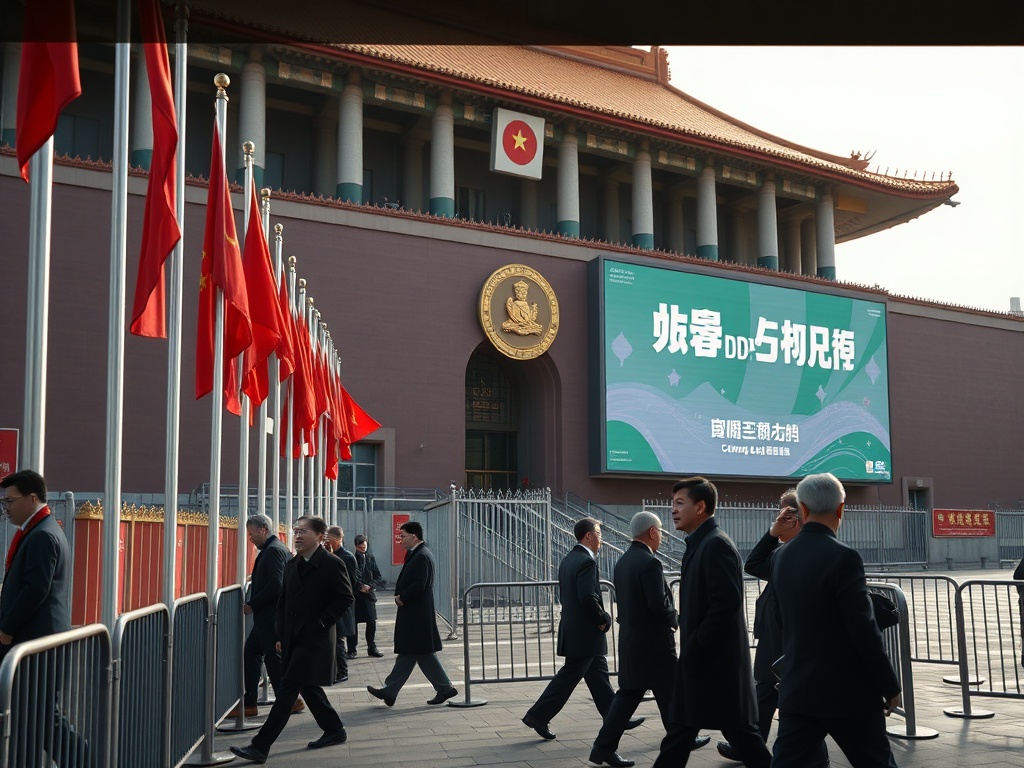
China is Changing Its Growth Engine: The Cost of Mistakes Will Rise
China’s recent economic strategy shift moves from growth by volume to precision, redefining its approach amid a fragile internal demand.
 Tomás Rivera6 min
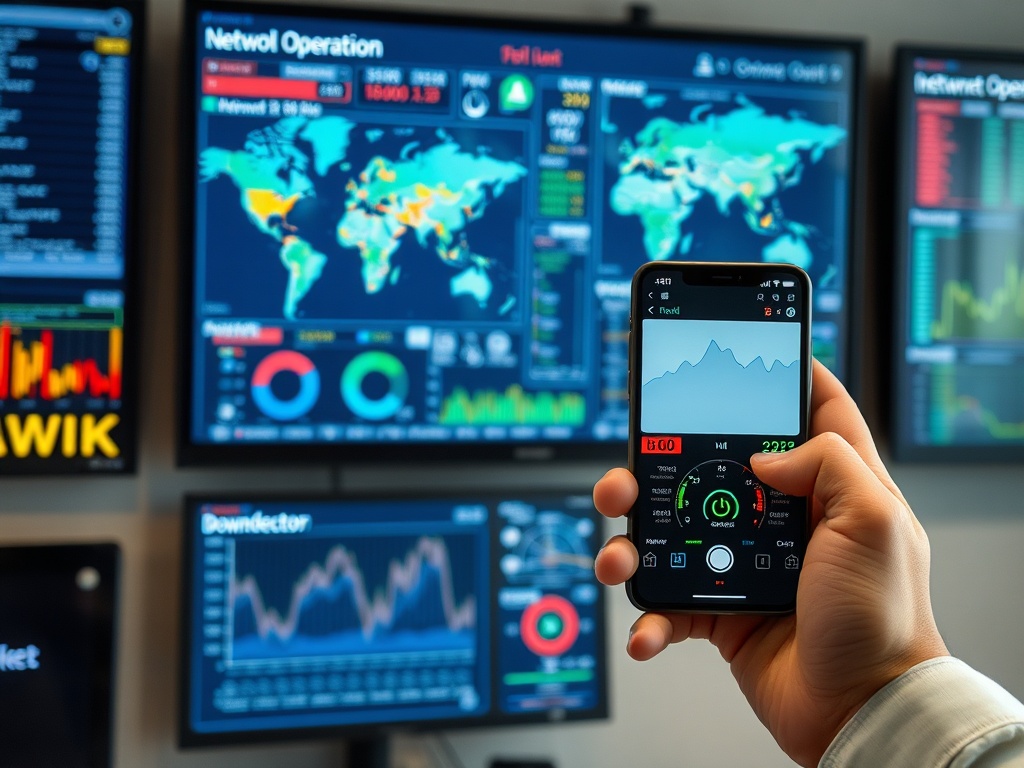
Accenture Acquires 'Truth Test' of the Internet: Why Speedtest and Downdetector Are Worth $1.2 Billion
Accenture's $1.2 billion deal isn't about two famous brands, but about a reliable measurement standard transforming connectivity into a sales asset.
 Diego Salazar6 min
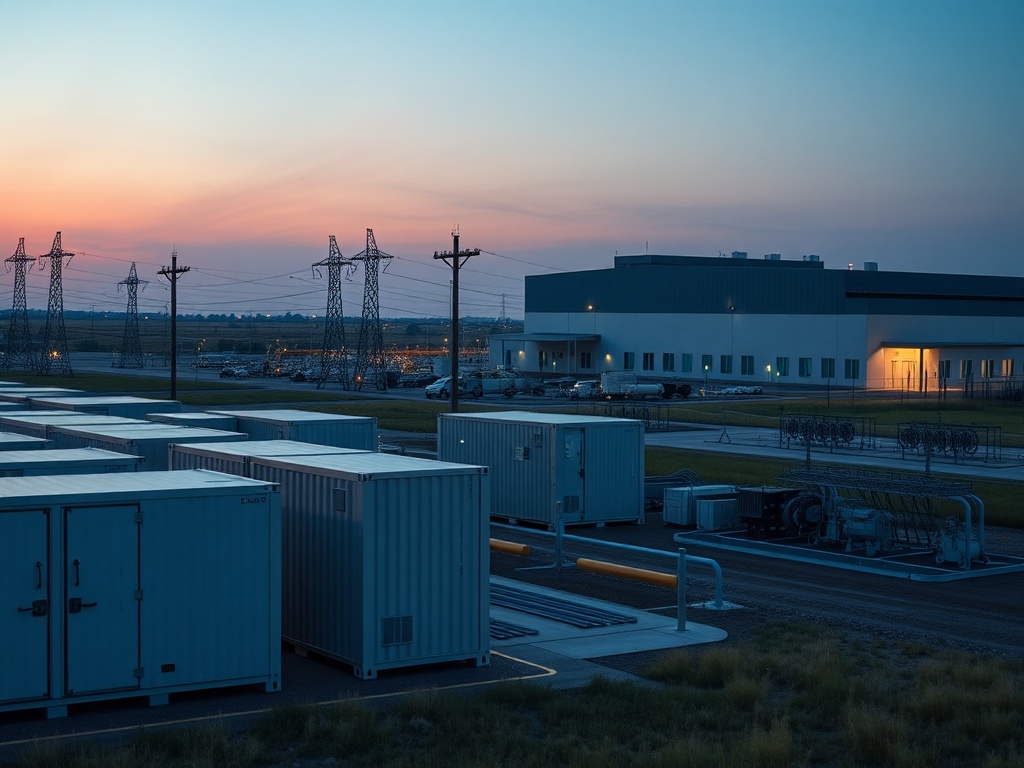
The New Power Play in Leadership: How AI Plugged into Gas Turns Strategy into a Confession
Data centers for AI are building gas generation on-site to bypass grid connection delays. This move accelerates revenue but reveals an uncomfortable truth: energy strategy can no longer be delegated without paying a cultural and reputational price.
 Simón Arce6 min
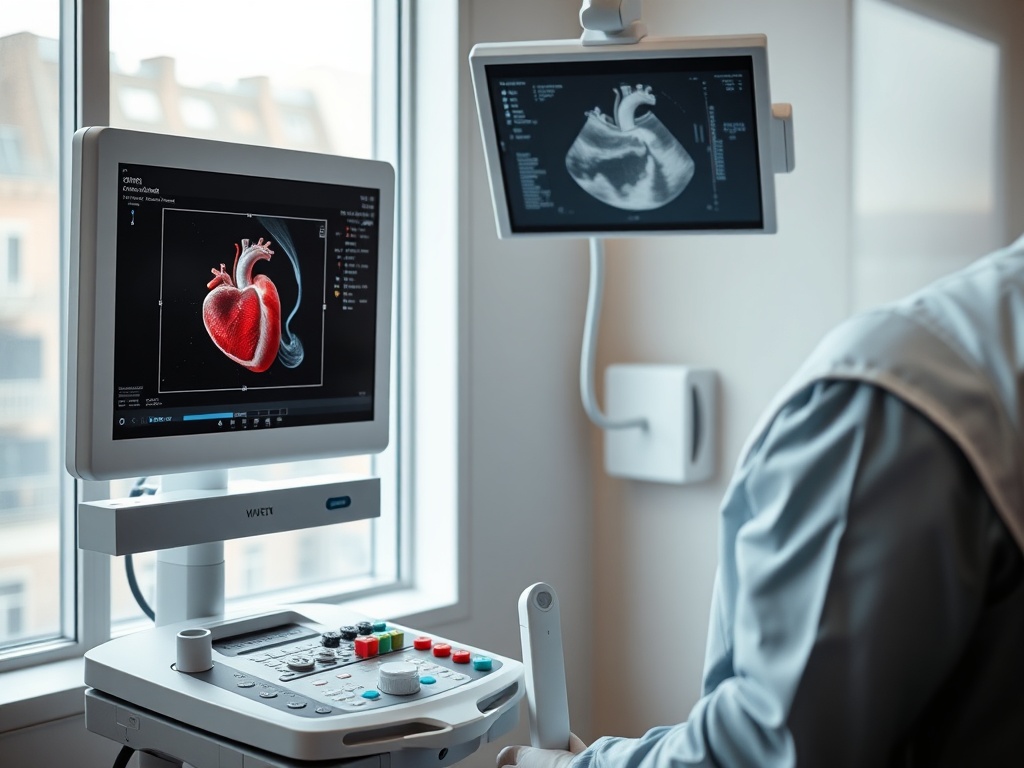
The Adoption of AI in Cardiology: Winning with Economic Evidence, Not Just Accuracy
Hospitals are not purchasing 'AI'; they are securing operational clarity and a defensible path to better outcomes with less budget friction.
 Andrés Molina6 min

Setapp Breaks Its Flat Rate: MacPaw's Move to Charge Better Without Killing the Bundle
Setapp was born as a "Netflix for apps" for Mac. By enabling purchases and subscriptions per app, MacPaw transforms its distribution strategy without sacrificing the bundle model.
Ignacio Silva6 min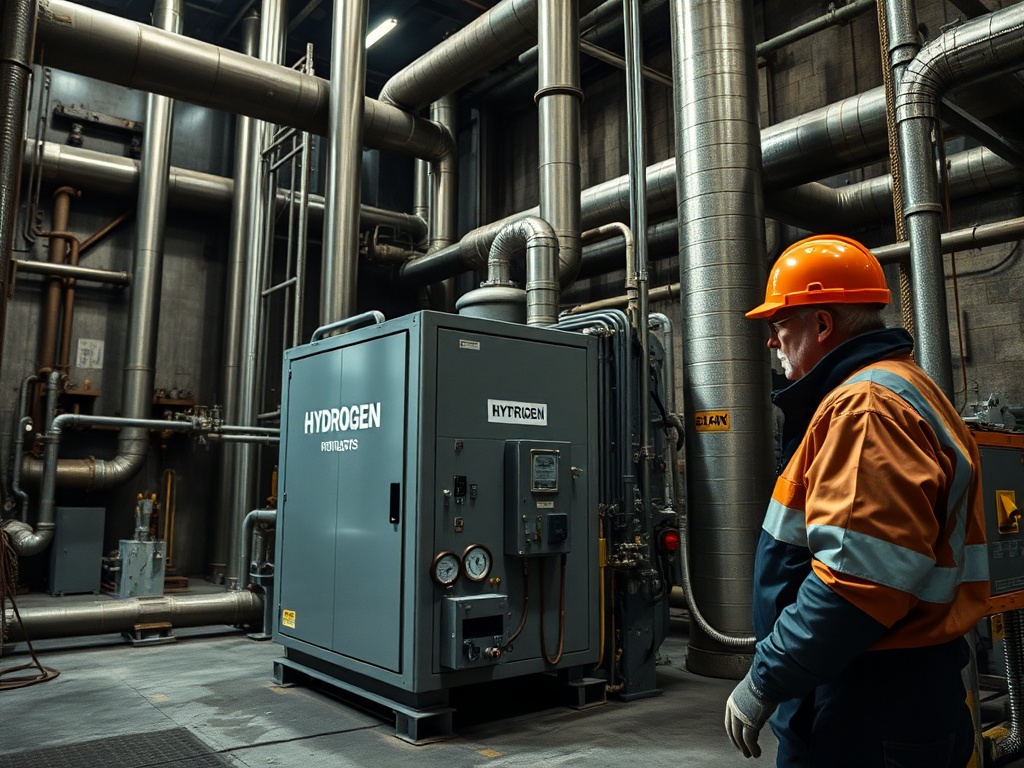
Hydrogen Without the Power Grid: It's a Bet on Execution and Governance
Utility Global has secured $100 million in Series D funding to scale H2Gen®, promising clean hydrogen without grid dependence. This marks a phase shift in operational execution and governance for SMEs.
 Isabel Ríos6 min

Starbucks' Shift Towards the 'Coffeehouse' Model: $150,000 Per Store to Counter Mobile Erosion
Starbucks is launching 1,000 renovations in North America, closing mobile-only stores in a bid to correct transaction declines without sacrificing speed.
Martín Soler6 min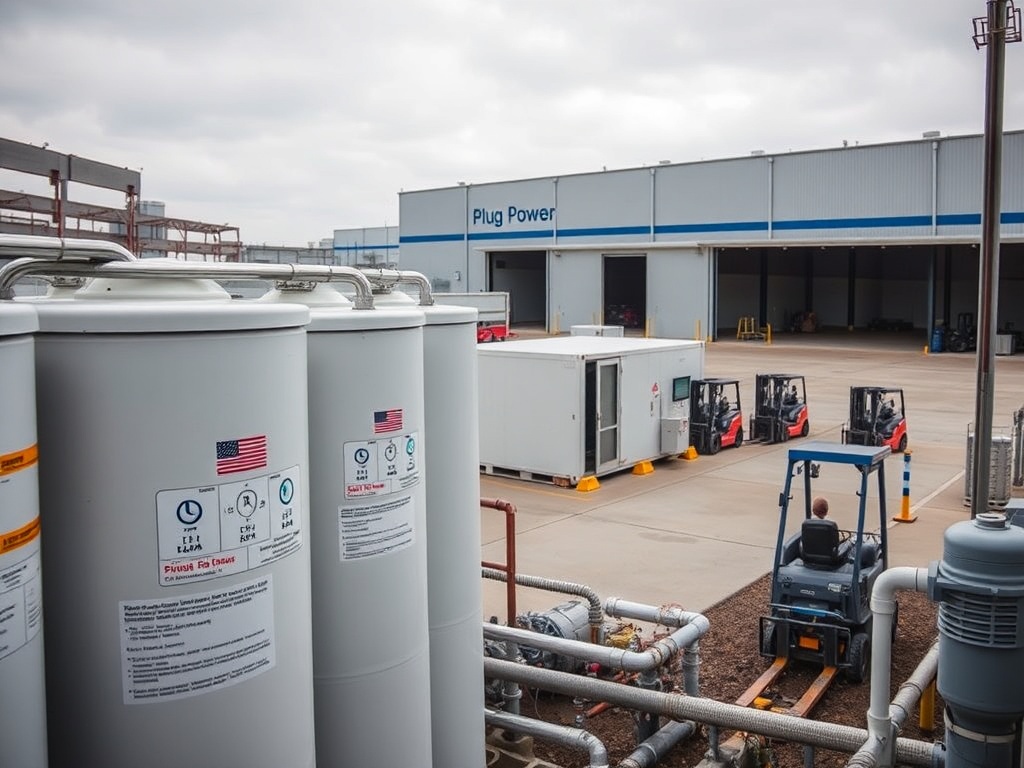
Plug Power Changes CEO to Shift from Promises to Profits
The appointment of Jose Luis Crespo as Plug Power's CEO signals a shift towards financial performance after a phase of mere business promises.
 Ricardo Mendieta6 min

The Mayor's Call as a Sales Strategy: Pittsburgh's Real Product is Its Operational Speed
When a mayor cold calls 150 CEOs, he's not doing PR; he’s buying market attention. Pittsburgh seeks to transform bureaucracy into a measurable business proposition.
Lucía Navarro6 min
Mach 8 and 3D Printed Metal: The Hypersonic Bet Turning Engineering into Evidence
The flight of DART AE isn't just a PR stunt—it's a strategic move converting technical uncertainty into actionable data, and data into contractual advantage.
Tomás Rivera6 min
Starlink in Iran Exposes New Asymmetry: Connectivity as a Dual-Use Weapon
When the state shuts down the internet, low-orbit connectivity becomes critical infrastructure. The Handala case shows resilient connectivity not only liberates civil society but also reconfigures corporate and geopolitical risk.
 Elena Costa6 min