Where impact stops being discourse and enters the economic equation
We follow sustainability when it becomes capital structure, operating risk, institutional legitimacy, and an economic model capable of sustaining a solution beyond the press release.
What we are watching
Energy, critical resources, biodiversity, industrial transition, climate finance, and decisions where impact has to become financeable, measurable, and politically defensible.
Where it is being decided
In permits, financing, extractive chains, regulation, environmental costs, and in the difficulty of turning systemic urgency into a business or an infrastructure that can hold.
Why it matters
Because sustainability is not only a moral intention. It is also the question of who pays, who captures value, which risks get transferred, and which solutions can move from ideal to execution.
Featured
Sustainability

When the Strait of Hormuz Closes, Damages Endure Beyond the Crisis
A temporary closure of the Strait of Hormuz doesn’t lead to a transient crisis; it forces a permanent realignment in global energy and goods movement.
 Mateo Vargas7 min
Latest articles
Scottish Whisky Waste Funding the Green Economy
When a distillery treats its waste as raw material, it’s rewriting the financial logic of the energy industry. What Celtic Renewables and Rosebank Distillery are building in Scotland deserves more attention.
BlackRock and the NHS: When Private Capital Acquires State Infrastructure
A $10 trillion asset management company partners with a pension fund to invest £1 billion in UK public health properties. The headline sounds technical; the financial mechanics are much more interesting.
Mining Near Joshua Tree Reveals Who Calls the Shots in Energy Transition
A mining company announces drilling near one of America's most iconic national parks. This environmental concern unveils deeper governance issues in decision-making.
When the Extinction of a Species Becomes an Administrative Decision
A committee in Washington could authorize oil and gas companies to operate in critical habitats for the endangered bowhead whale. This decision reflects the broader implications of extractive economies on biological systems.
Most Popular
Most voted on this page
Reducing Emissions Does Not Transform an Energy System
Four European countries have measurable climate progress, but none have achieved the structural transformation required for carbon neutrality.
93
No Turning Back: Why Renewables Have Already Won the Economic War
Jesper Brodin speaks not of climate ideals but of industrial arithmetic, which already has a winner.
93
Capturing CO₂ from Wastewater: An Indicator of Leadership
Northern Lights has successfully stored its first CO₂ captured from wastewater beneath the North Sea floor. This achievement raises questions about the governance architecture behind such an endeavor.
93
When Sustainability Drives Stock Prices
Sika AG’s recent shareholder meeting showcased how integrating environmental metrics into executive compensation yields measurable returns, warranting deeper examination.
93
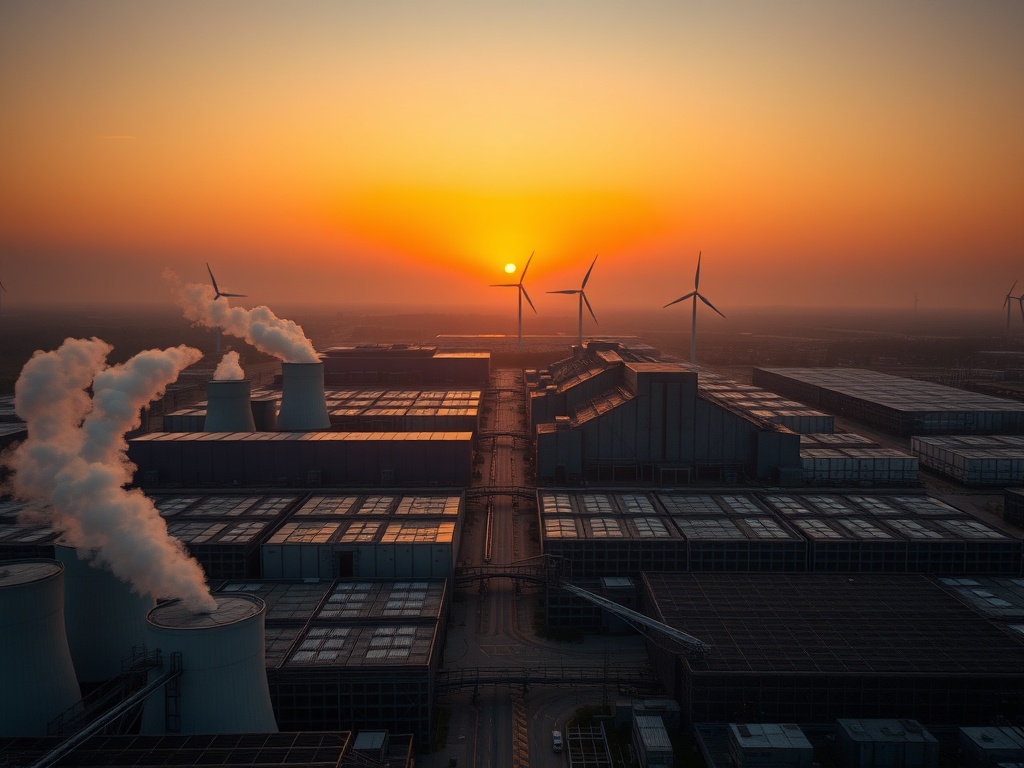
Big Tech's Climate Promises Are Crumbling Before Our Eyes
Tech giants built a narrative of climate leadership that is now unraveling under the weight of their own energy demands. A lack of alternatives looms large.

When the Jury Condemns the Algorithm You Created for Children
Recent verdicts against Meta and YouTube highlight the accountability of tech giants for the harm their products cause to minors, reshaping corporate risk.

Suspending the Gas Tax Does Not Solve Structural Issues
When governments ease fuel prices with fiscal patches, companies cheer in the short term and pay the real costs years later. The underlying leadership logic is the same that destroys companies.
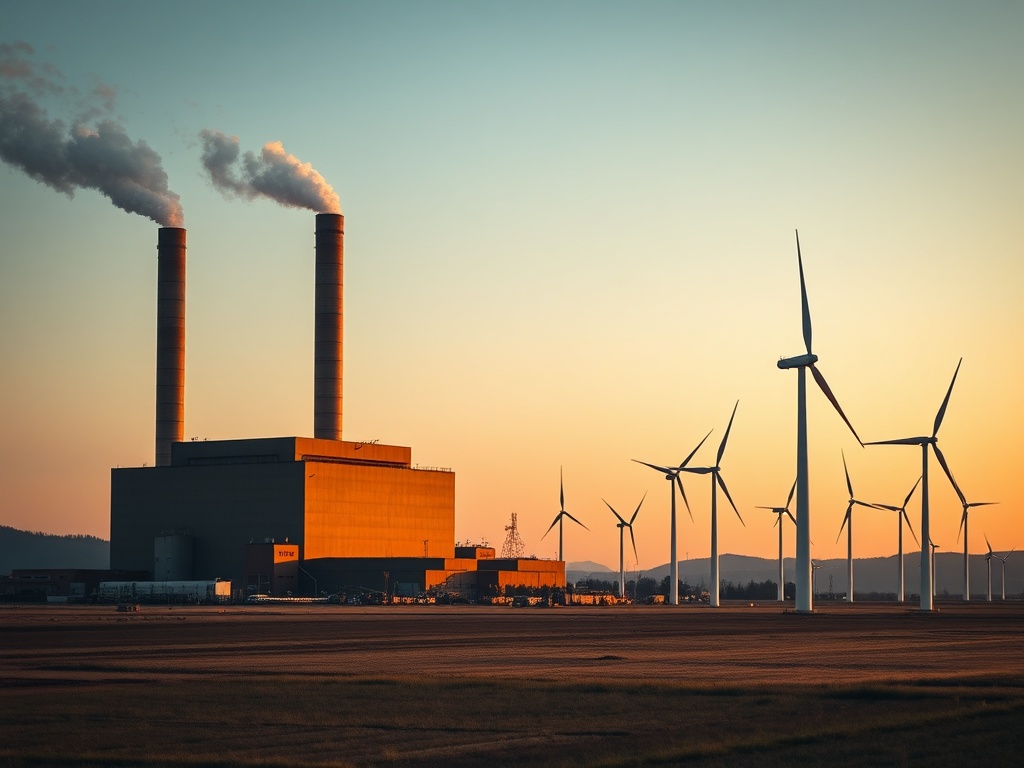
Reducing Emissions Does Not Transform an Energy System
Four European countries have measurable climate progress, but none have achieved the structural transformation required for carbon neutrality.
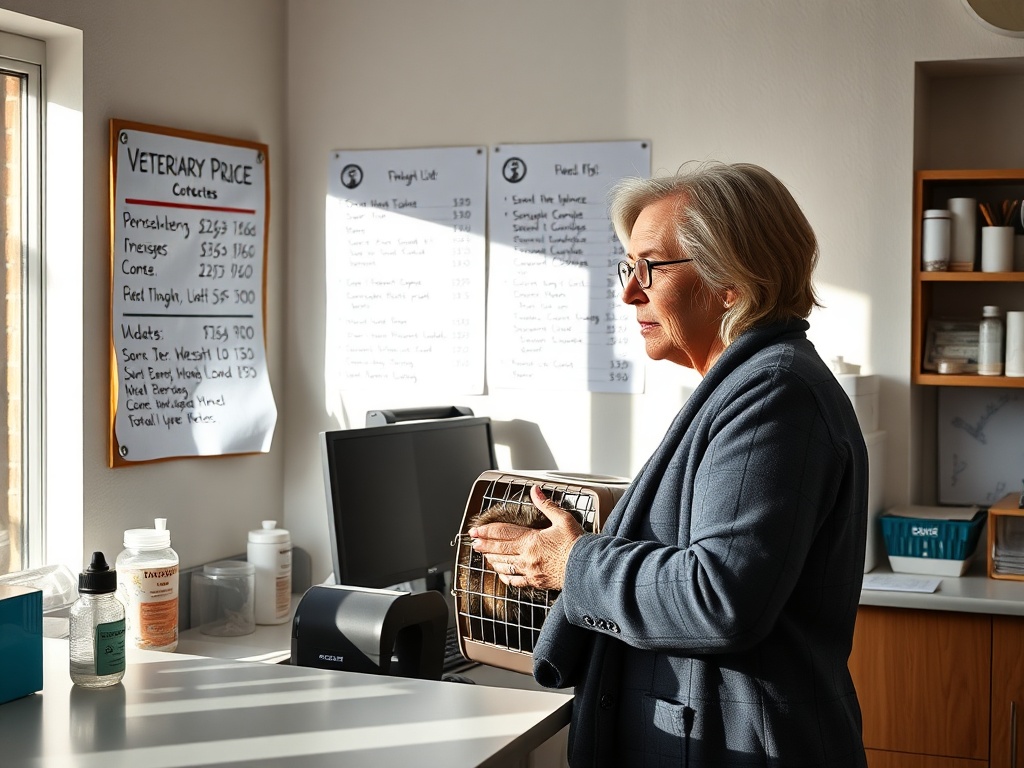
When the Regulator Sets Prices That the Market Could Not Alone
The UK Competition Authority has mandated veterinary clinics to publish fees, revealing the unseen dynamics of consumer trust in the sector.

The Invisible Green Cable and the Talent Behind It
The global market for sustainable cables will hit USD 70.53 billion by 2032. Yet, a more uncomfortable question lurks: who decides how this infrastructure is built and for whom?
 Isabel Ríos7 min

When the Company Survives the Chaos Its Own Board Could Not Control
Hofseth BioCare ended 2025 with a capital increase of 158 million Norwegian crowns that remains incomplete. The delay reveals a governance maturity issue.
 Valeria Cruz7 min

Hydrogen Jet Closer to Flight, but Far from Sales
Beyond Aero is on the verge of certifying the first hydrogen-powered business jet. Yet, future buyers remain hesitant each time they step into the aircraft.
 Andrés Molina7 min
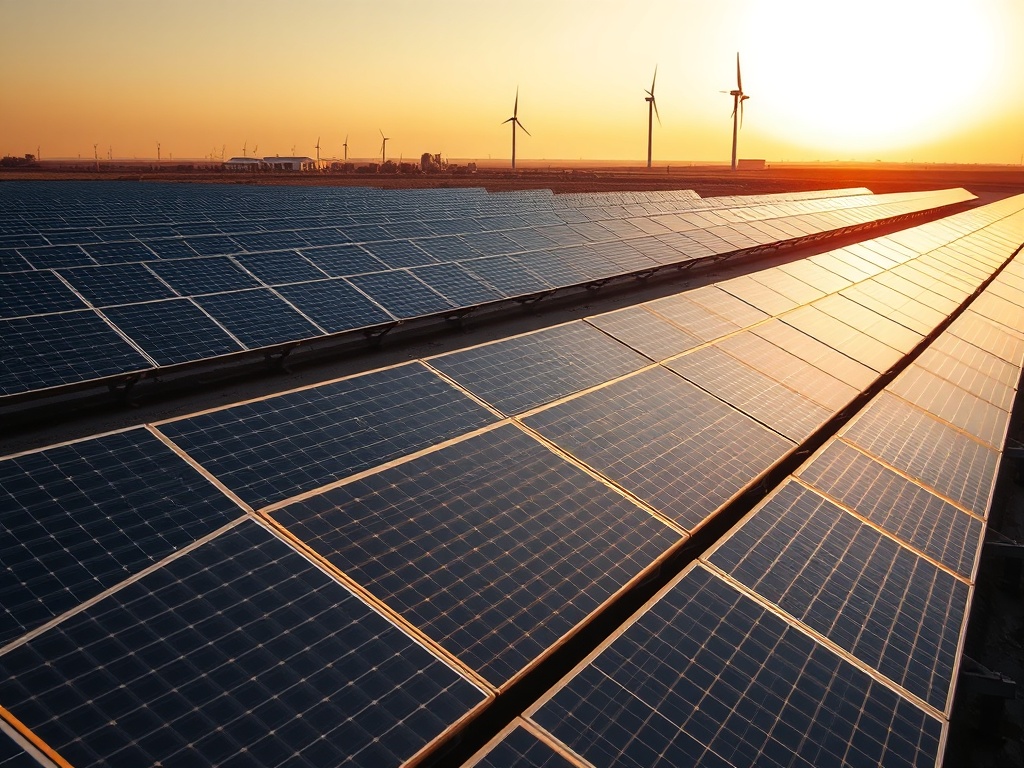
No Turning Back: Why Renewables Have Already Won the Economic War
Jesper Brodin speaks not of climate ideals but of industrial arithmetic, which already has a winner.
 Gabriel Paz6 min

Avocado and Agave Leather: When Agricultural Waste Becomes Automotive Luxury
Pangea is transforming the cost structure of luxury leather by utilizing agricultural waste, redefining the economics of the automotive supply chain.
 Diego Salazar7 min

Evernote Increased Prices by 900% and Lost Its Best Customers
Evernote's drastic 900% price increase to cover losses led to a massive user migration to Notion, highlighting financial mismanagement.
 Javier Ocaña6 min

Capturing CO₂ from Wastewater: An Indicator of Leadership
Northern Lights has successfully stored its first CO₂ captured from wastewater beneath the North Sea floor. This achievement raises questions about the governance architecture behind such an endeavor.
Valeria Cruz7 min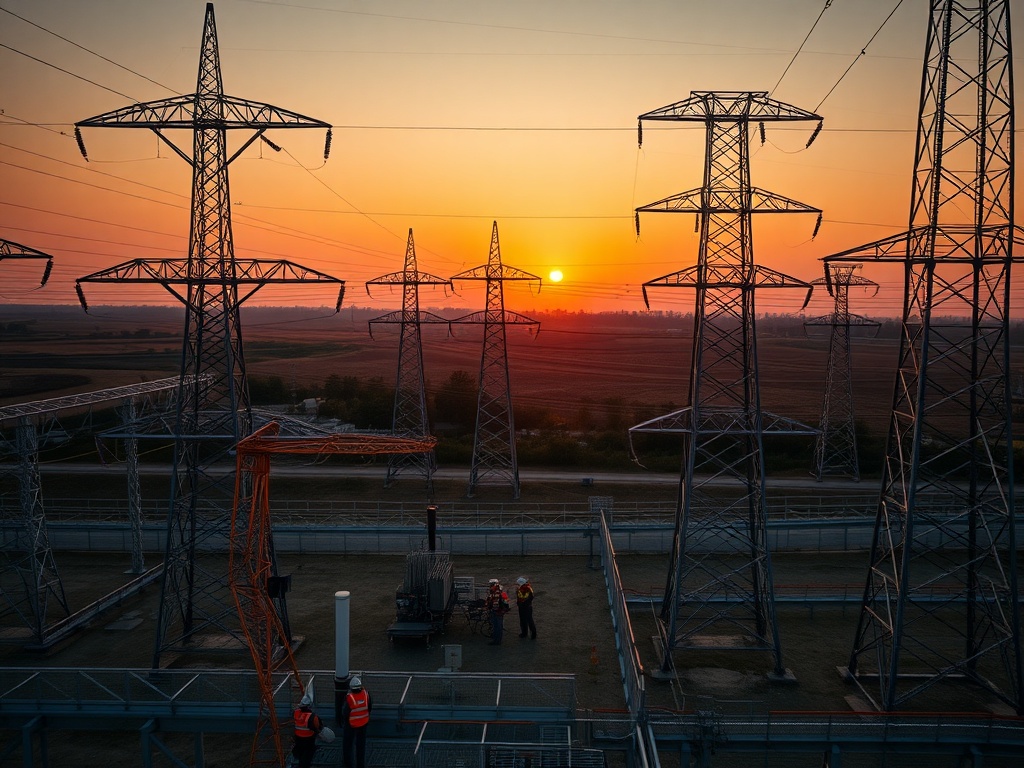
Why Private Capital is Betting on the Nervous System of the Energy Transition
Clearlake Capital's acquisition of Qualus signals that electrical infrastructure is now a strategic asset for the next decade as capital managers lead ahead of regulators.
Gabriel Paz7 min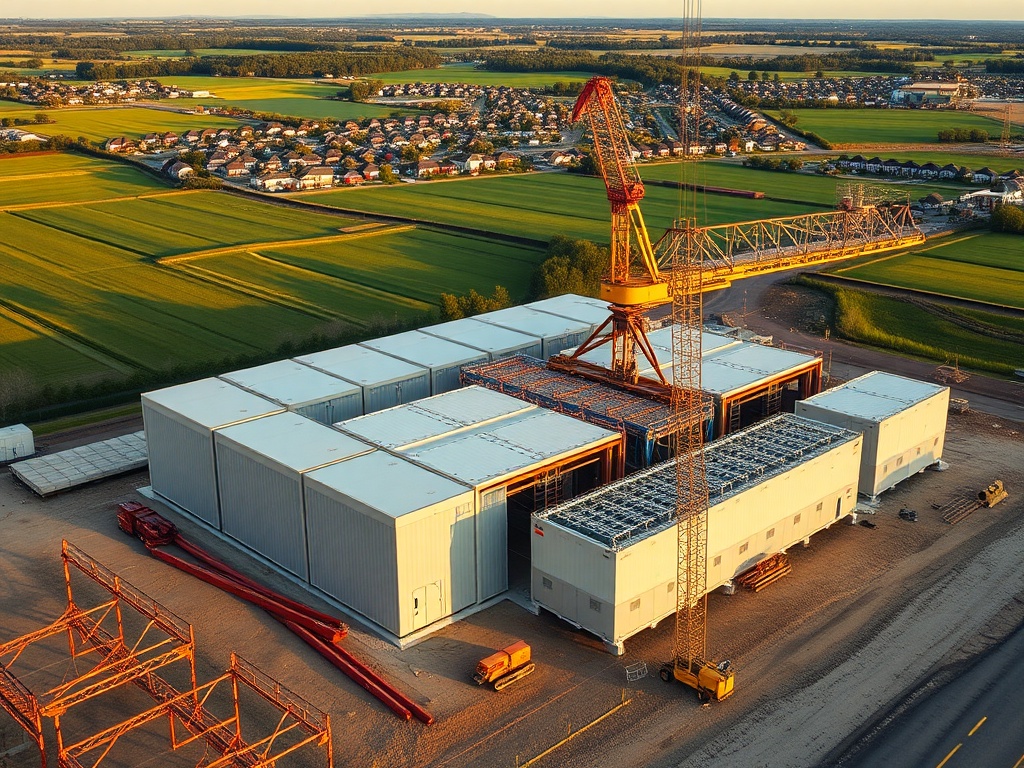
The AI Race is Won on the Ground, Not in the Cloud
Compass Datacenters aims to be the 'century-long neighbor' of every community it serves. Behind this philosophy lies a portfolio thesis that few in the industry are willing to support.
 Ignacio Silva7 min

Private Credit Has Reached the Size of a Systemic Problem
The private credit market has surged from $500 billion to $1.3 trillion in five years, raising serious concerns about liquidity risks.
 Francisco Torres7 min

When Sustainability Drives Stock Prices
Sika AG’s recent shareholder meeting showcased how integrating environmental metrics into executive compensation yields measurable returns, warranting deeper examination.
 Elena Costa7 min

Battery Passports: A Test of Executive Maturity rather than Technology
The digital battery passport market for electric vehicles is set to reach USD 3 billion by 2036, but regulatory compliance hinges on company governance, not just technology.
Valeria Cruz7 min
Eurozone Services Sector Loses Momentum, Opens Door for ECB
The Eurozone services PMI fell to 50.1 in March, below expectations of 51.1, signaling a slowdown in the European recovery engine.
 Clara Montes7 min

Drilling Under Parks Is Not Energy: It's Creative Accounting with Public Land
The federal government is proposing to open over a million acres of protected land in California to oil and gas exploitation. Before discussing environmental impacts, we must examine the mechanics of value extraction that make it possible.
 Lucía Navarro7 min