
A $70 Billion Market That No One Sees Coming
When MarkNtel Advisors reports that the global market for sustainable cables and wires will grow from USD 24.22 billion in 2025 to USD 70.53 billion by 2032, with a compound annual growth rate of nearly 16.5%, the typical corporate reaction is to file the report in a competitive intelligence folder and move on. This is a top-tier management mistake.
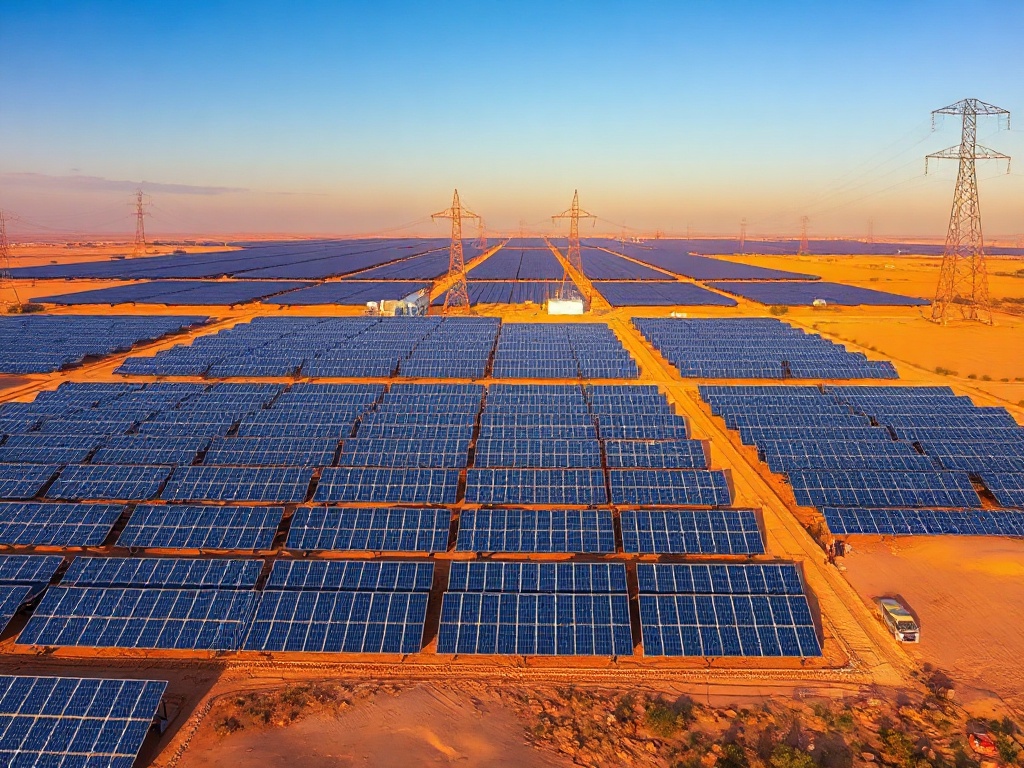
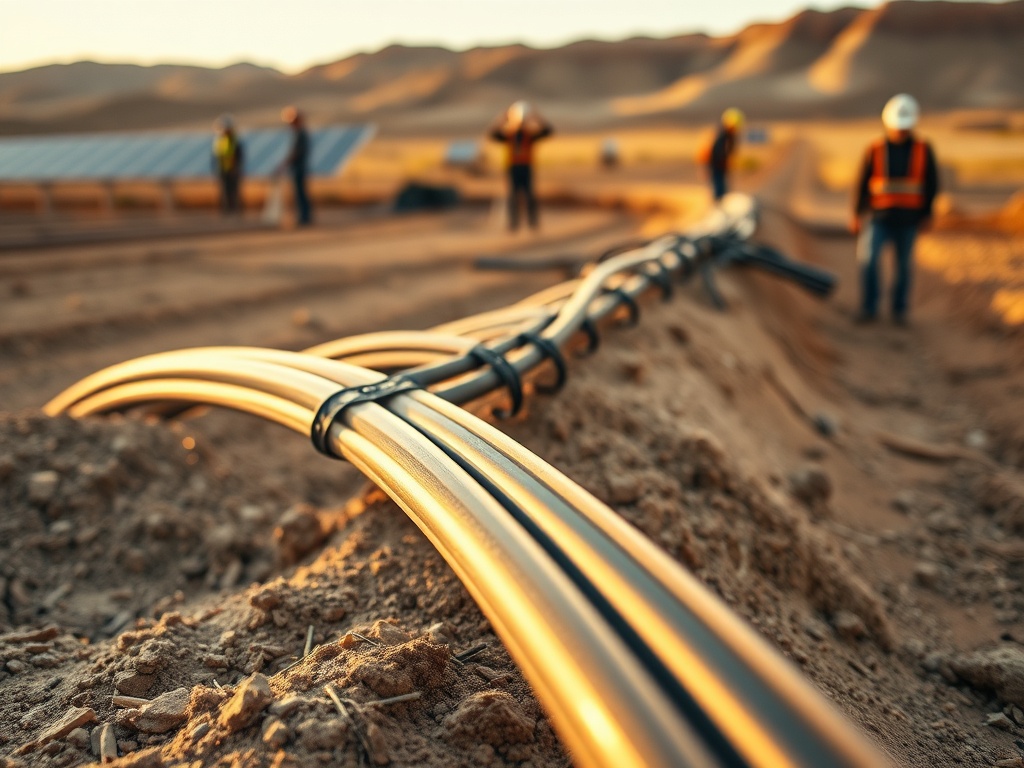
This market is not a niche in materials. It is the physical backbone of the energy transition: the cables that connect solar parks to the grid, the wires that power electric vehicle charging stations, the recycled polymers that replace conventional PVC in industrial installations. Asia-Pacific already controls 42% of this market, driven by China, India, and Japan—three regions investing structurally in energy transmission and distribution at an unprecedented scale. Those who think this is a slow-moving trend are preparing to be late to a race that has already begun.
What I’m interested in analyzing is not just the size of the pie. I want to know who is in the kitchen, with what ingredients and what mental maps. Because sustainable energy infrastructure is not just an engineering or materials challenge; it is an organizational intelligence challenge. And that's where most companies competing in this market exhibit a vulnerability that no market report measures.
The Invisible Bias in the Design Chain
Manufacturing sustainable cables appears, from the outside, as a technical and objective industry. Bio-based polymers, recycled plastics, low-carbon extrusion processes. The narrative is laboratory-based: resistances are measured, standards are certified, and energy transmission coefficients are optimized. But beneath that technical layer are design decisions that are deeply human and deeply biased.
What communities are considered as the final destination for this infrastructure? Under which climatic, load, and maintenance conditions is the product tested? Who validates that the transmission solutions for a rural network in southern India have the same requirements as an urban distribution network in Germany? These are not philosophical questions. They are engineering specifications that determine whether the product fails or succeeds in the field and have direct financial consequences: recalls, contract renegotiations, loss of bids.
Homogeneous management teams make design decisions from a singular worldview. They share the same load models, the same assumptions about existing infrastructure, the same references for what constitutes a "standard" installation environment. When that team presents its product to a market operating under radically different conditions, it's not just facing a sales problem. It faces a relevance problem. And the difference is that the former can be resolved with marketing; the latter requires redesign.
The power cables segment, expected to represent 28% of the market in 2026, is being driven by the expansion of renewable energy projects in emerging economies. These economies do not have the same supporting infrastructure, demand profiles, or maintenance models as the markets where most of today's solutions were designed. A company entering those markets with a product designed exclusively from Munich or Boston has a high likelihood of needing a costly second iteration. A company that has built its development team with voices from those geographies from the start enters with a product already validated in a real-use context.
The Social Capital That Decides Who Wins Bids
This industry largely operates through public tenders and long-term infrastructure contracts. In this model, price and technical certification are necessary but not sufficient conditions. What often decides who wins a tender in emerging markets is the accumulated trust: relationships with local regulators, understanding of approval processes, presence in decentralized networks of decision-makers who do not appear on any official organogram.
The market intelligence that lives on the periphery is the most undervalued asset in this industry. A local engineer who understands the seasonal variations of the power grid in a specific region, a mid-level official who knows how approval times flow in a given province, a materials supplier with decades of relationships with solar park operators in development—none of these actors appear in investment presentations, but all determine whether a contract closes.
Companies building genuine social capital in these markets—networks of trust based on providing value before extracting it—are accumulating an advantage that cannot be replicated with a sales budget. It is replicated with time, presence, and the willingness to include local perspectives in decisions beyond the commercial area. Operationally, this implies that the tables where technical specifications, transfer prices, and market entry strategies are decided need voices that understand those markets from the inside, not from a regional analysis PowerPoint.
The electric generation and distribution segment, which will concentrate 30% of the market by 2026, is in the hands of long-term contract holders with high switching costs. But that is not a permanent protection; it is a window of time. Companies that use that window to diversify their development teams and local intelligence networks will exit the current cycle with stronger contracts. Those that use it only to defend margins will discover that their organizational blind spots are exactly the size of the markets they failed to read.
Diversity Is Not the Sustainability Plan B
There is considerable irony in an industry that self-defines as sustainable continuing to replicate organizational models that concentrate knowledge and decision-making power in highly similar profiles. Sustainability, as a business category, has credibility when it permeates the entire organization’s architecture, not just the product portfolio.
A cable made from recycled polymers but designed by a team that lacks perspectives from the markets where it will be installed is sustainable in its materials yet unsustainable in its business logic. The fragility does not lie in the chemical composition of the insulation; it lies in the human composition of the team that made the design decisions. That fragility has a cost: redesign time, lost contracts, late entry into markets where competitors have already built trust.
The projected growth of 16.5% annually is not evenly distributed among all competitors. It will concentrate on those who arrive first with the right product to the right markets. And getting there first with the right product requires understanding what that market needs before anyone else. That understanding does not come from desktop analyses. It comes from having people in the room who bring that knowledge natively.
The next time the board of a company in this industry reviews its market entry strategy for Asia-Pacific or Sub-Saharan Africa, the most valuable exercise it can do is not to hire a consultancy to explain the market. It's to look around the table and assess whether anyone there has real operational experience in those geographies. If everyone present shares the same background, the same training, and the same frame of reference, the strategy that emerges from that meeting will already arrive with factory defects. Not due to a lack of individual intelligence, but rather due to an excess of collective similarity. That is the only class of fragility that a USD 70 billion market report cannot compensate for.