Technologies that stop being promise and start moving industries
We follow technologies that change costs, push barriers aside, and alter who controls an infrastructure, a value chain, or a critical capability.
What we are watching
Quantum computing, orbital connectivity, advanced energy, robotics, biotechnology, and systems moving from the lab into the economy with a new relationship between cost and capability.
Where it is being decided
In infrastructure ownership, memory efficiency, spectrum access, available energy, and the point where a technical improvement changes the economics of the whole problem.
Why it matters
Because when a technology changes the cost of doing something or the speed of deploying it, it also changes who gets to compete, who is left out, and where new dependence appears.
Featured
Exponential Technologies

Bacteria with Philanthropic Funding and 150 Million Children at Risk
Kanvas Biosciences is not a laboratory story. It is a story about incentives. When the Bill & Melinda Gates Foundation decides to fund a synthetic microbiome company to combat environmental enteric dysfunction—an intestinal disease affecting around 150 million children in areas with poor sanitation that blocks nutrient absorption—it is not doing conventional philanthropy. It is betting on an intervention model that the private market cannot yet sustain alone.
 Martín Soler9 min
Latest articles
The Robot That Wants to Be Your Companion, Not Your Employee
There is a specific moment in the history of domestic robotics where the industry decided that value lay in solving tasks. Vacuuming. Mopping. Monitoring. The logic was flawless: if the robot does something useful, the consumer pays. Colin Angle proved it better than anyone when he launched the Roomba in 2002 and turned a disc on wheels into the first mass-adoption domestic robot.
Robots That Listen But Don't Understand Where They Are
The most honest challenge in robotics today is not technical. It is psychological, and not in the sense usually used to talk about humans who fear machines, but the other way around: the most sophisticated robotic systems on the planet keep failing at something a three-year-old child does effortlessly. They hear an instruction, they see the space, and yet they do not know how to connect both things to move with purpose.
Chicago Bets $500 Million on Quantum Computing and South Side Residents Will Be the First to Benefit
On April 29, 2026, the Governor of Illinois announced at Olive Harvey College something that on paper sounds like a routine political act: an expansion of the partnership with IBM. But the numbers behind the announcement are in a different league: 750 full-time jobs, 500 apprentices funded over five years, a preferential hiring commitment for local graduates, and a building—Quantum Works—set to open its doors in 2028 as the official gateway to the Illinois Quantum and Microelectronics Park.
The Quantum AI That Predicts Chaos and Changes Who Controls Scientific Computing
Predicting fluid turbulence with sustained accuracy over time is one of the most costly problems in computational physics. On April 17, 2026, researchers at University College London published in Science Advances a result worth reading carefully: an AI model trained on data preprocessed by a 20-qubit quantum computer achieved 20% greater accuracy in predicting chaotic systems and required hundreds of times less memory than equivalent classical approaches.
Most Popular
Most voted on this page
The Satellite That Thinks for Itself and What It Tells Its Sales Team
Planet Labs has processed intelligence images in orbit without transmitting raw data to the ground. The technical feat is impressive, but the behavioral insight is even more valuable.
92
Alibaba Bets $290 Million on the Future of AI Beyond Text
Alibaba Cloud invests heavily to build a general world model for AI, focusing on physical interactions instead of just text processing.
91
Crewless Sonars and the New Geometry of Naval Power
Kraken Robotics recently demonstrated a high-resolution sonar operating from an unmanned ship. This marks a significant shift in the maritime defense value chain.
91
The Lock That Lives Inside the Cell
Synthetic biology is projected to create an $8 trillion market by 2035, and protection relies on physical security. Georgia Tech is changing that from within.
89

Amazon Acquires the Sky and Ignoring It Isn't an Option
An acquisition of $11.57 billion doesn't just buy satellites; it buys the right to define who controls planet connectivity when fiber ends. The orbital monopoly is running out of time.
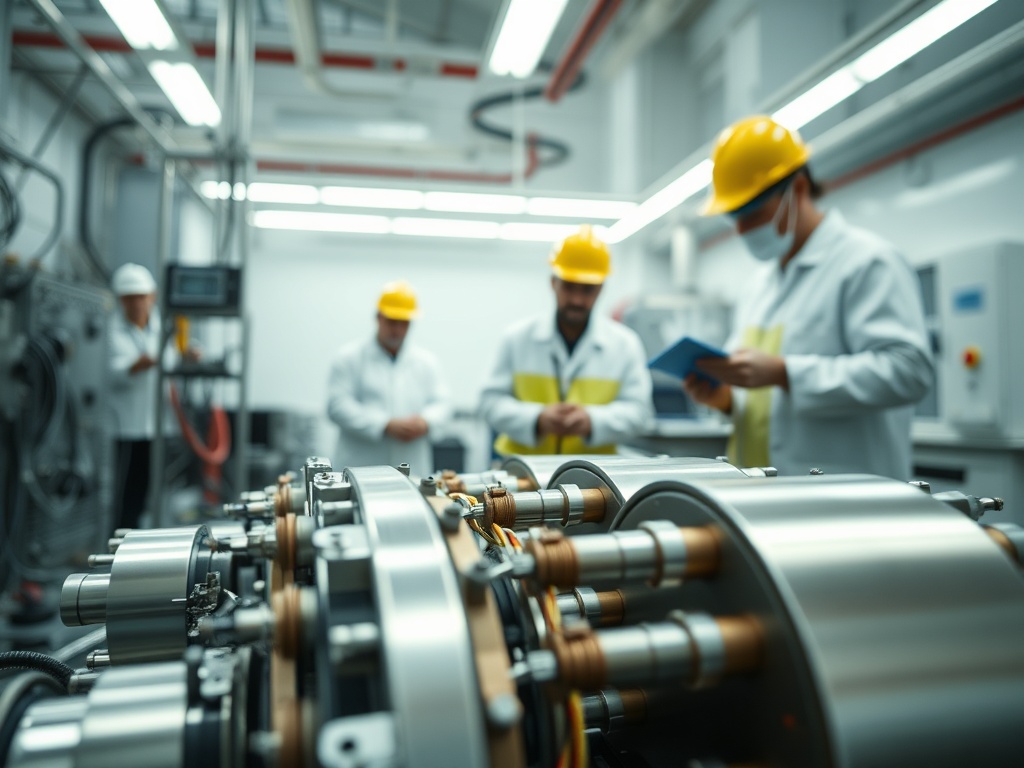
Nuclear Energy Goes to Space While Fear Remains on Earth
NASA and the Department of Energy invest $3 billion in a lunar reactor. The real challenge is not engineering, but the psychology of those who must adopt it.

MIT Puts a Price on Ocean Acidification, and It’s Not Small
A MIT project aimed at removing CO2 from the ocean without chemical waste is not just climate science; it’s an honest audit of a $60 billion value chain.

The Antibody Administered Only Four Times a Year Threatens Monthly Biological Business
Spyre Therapeutics is not competing in the inflammatory bowel disease market. It is redesigning dosing frequency as a structural competitive advantage, transforming the entire sector.

Porsche's Self-Appearance Stripes Reveal What Engineers Overlook
Porsche patented racing stripes that emerge in Sport mode. The technology works, but there's a strategic error behind it.

Geely Bets on Methanol as Electric Vehicles Get Heavier
Li Shufu, chairman of Geely, argues that methanol offers ten times the energy density of lithium batteries, signaling a shift in heavy transport's value chain.
Martín Soler7 min
The Lock That Lives Inside the Cell
Synthetic biology is projected to create an $8 trillion market by 2035, and protection relies on physical security. Georgia Tech is changing that from within.
 Elena Costa7 min
The Solar-Storing Molecule Faces Its Biggest Challenge: Consumer Mindset
A California lab has surpassed lithium batteries in energy density using DNA-inspired chemistry. The challenge isn't physics; it's psychology.
 Andrés Molina7 min
Alibaba Builds Its Own Sky: 10,000 Chips and a Bet on Complete Integration
Alibaba not only launched a data center with its own chips, but designed an economic architecture where the supplier, customer, and state share the same staying incentive.
Martín Soler7 min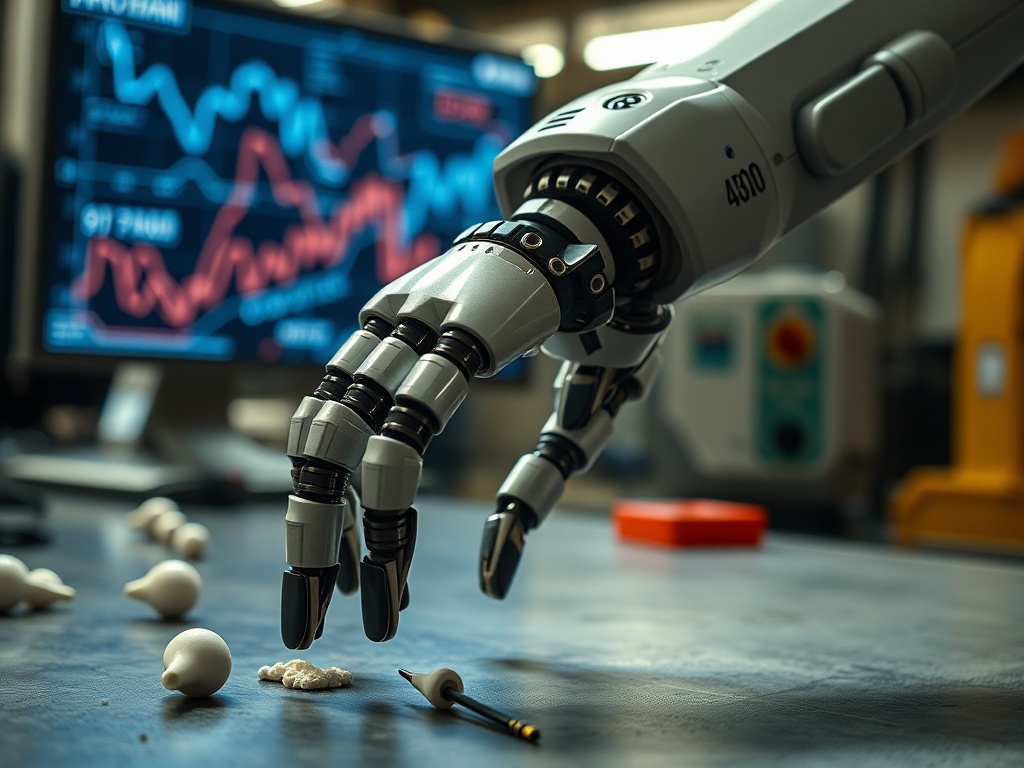
Alibaba Bets $290 Million on the Future of AI Beyond Text
Alibaba Cloud invests heavily to build a general world model for AI, focusing on physical interactions instead of just text processing.
Elena Costa7 min
The Smallest Chip in Space History Could Redefine Healthcare Sales
NASA sends human cells to lunar orbit to study radiation effects. But what about the patient's mind when medicine becomes personalized?
Andrés Molina7 min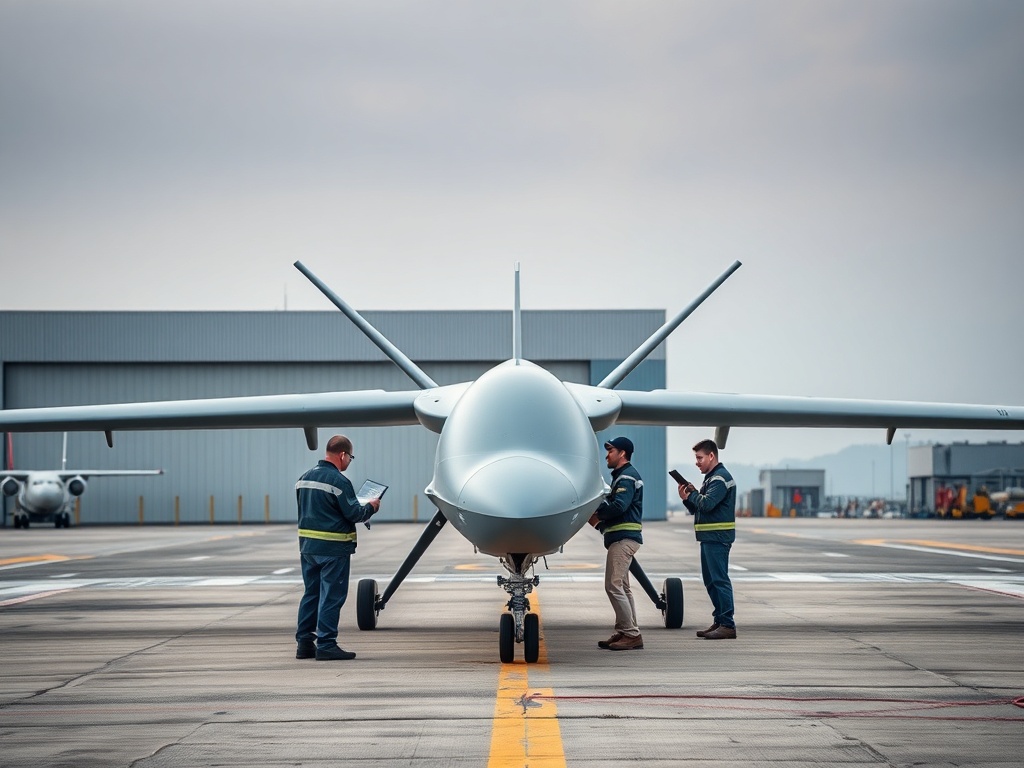
South Korea Builds Its Own Eye in the Sky, Changing Defense Market Rules
When a country with 90% domestic production unveils its first strategic reconnaissance drone, it reshapes its defense market and industrial value distribution.
Martín Soler7 min
When Your AI Agent Loses Money by Hallucinating
AI agents are now managing real money, and hallucinating 41% of the time isn't just a minor technical flaw; it's a ticking time bomb on the balance sheet.
Elena Costa7 min
The Satellite That Thinks for Itself and What It Tells Its Sales Team
Planet Labs has processed intelligence images in orbit without transmitting raw data to the ground. The technical feat is impressive, but the behavioral insight is even more valuable.
Andrés Molina7 min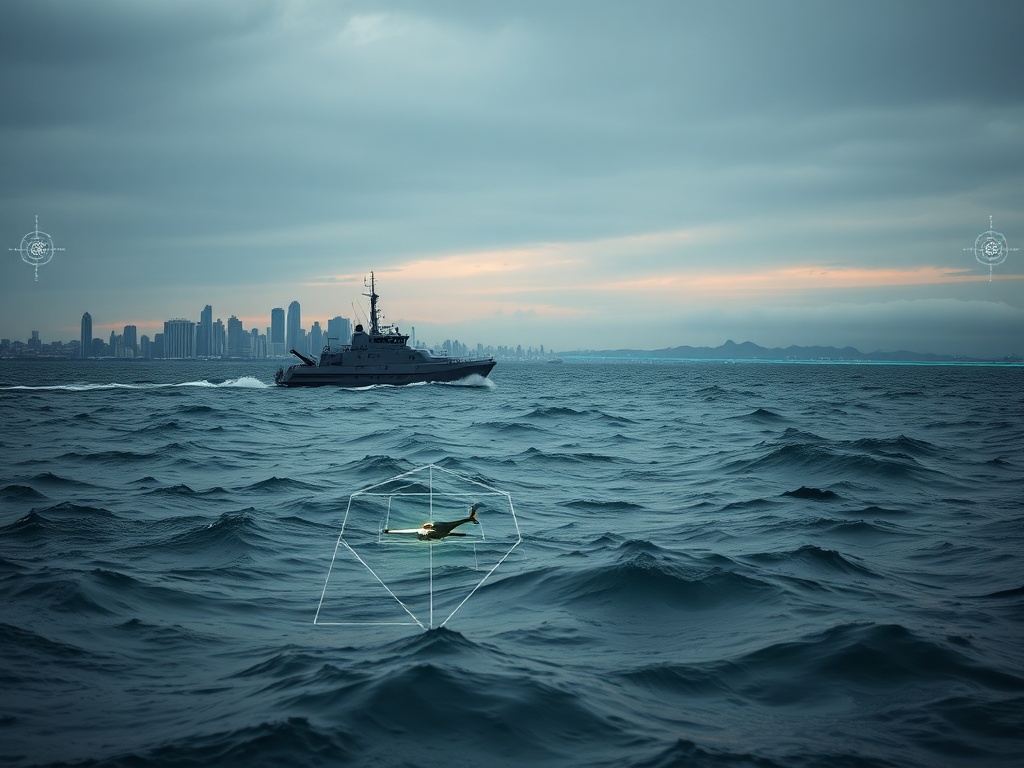
Crewless Sonars and the New Geometry of Naval Power
Kraken Robotics recently demonstrated a high-resolution sonar operating from an unmanned ship. This marks a significant shift in the maritime defense value chain.
Martín Soler7 min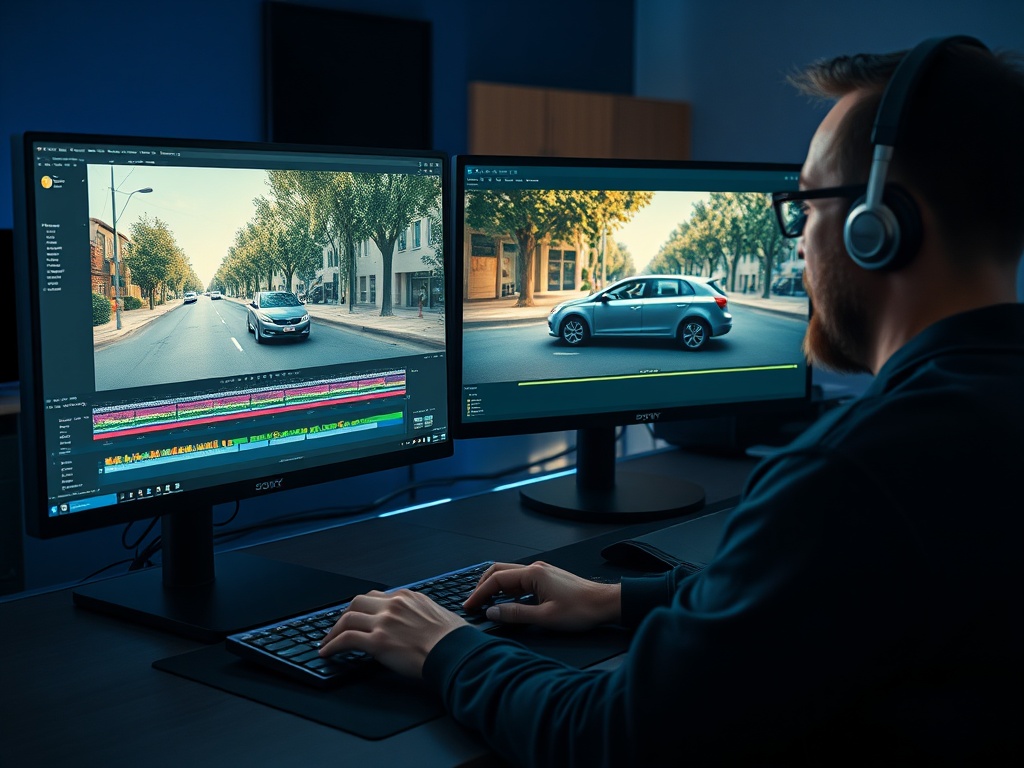
Netflix Releases Cutting-Edge Post-Production Tool for Free, But Is Anyone Discussing the Implications?
Netflix has unveiled a free tool that could drastically change post-production in the film industry. But who really loses when a competitive edge becomes public infrastructure?
Elena Costa7 min
When the FDA Cancels a Meeting and a Biotech Disappears
Kezar Life Sciences didn't fail due to faulty science or lack of market; it failed because its survival model was reliant on a single line of institutional trust that was abruptly severed. That's not bad luck: it's a structural failure.
 Isabel Ríos7 min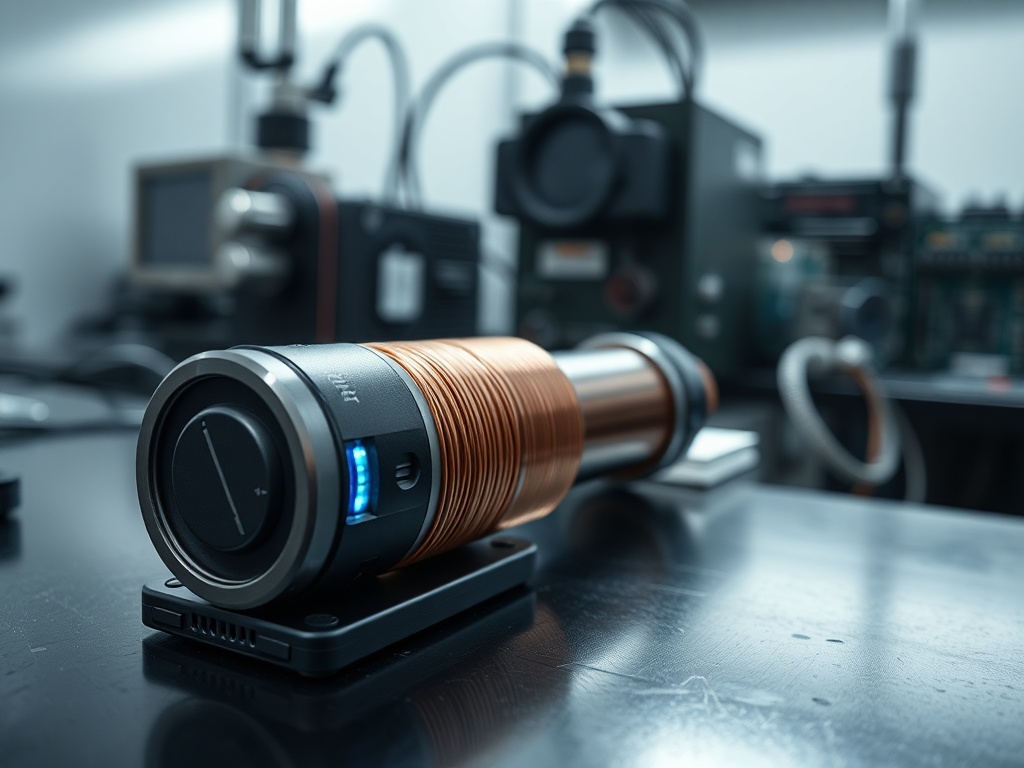
The Chinese Electromagnetic Pistol that Fires Faster than an AK-47 Without Gunpowder
China has unveiled a handheld weapon that surpasses the AK-47's firing rate without a single grain of gunpowder—a technological lesson for Western arms manufacturers.
 Clara Montes7 min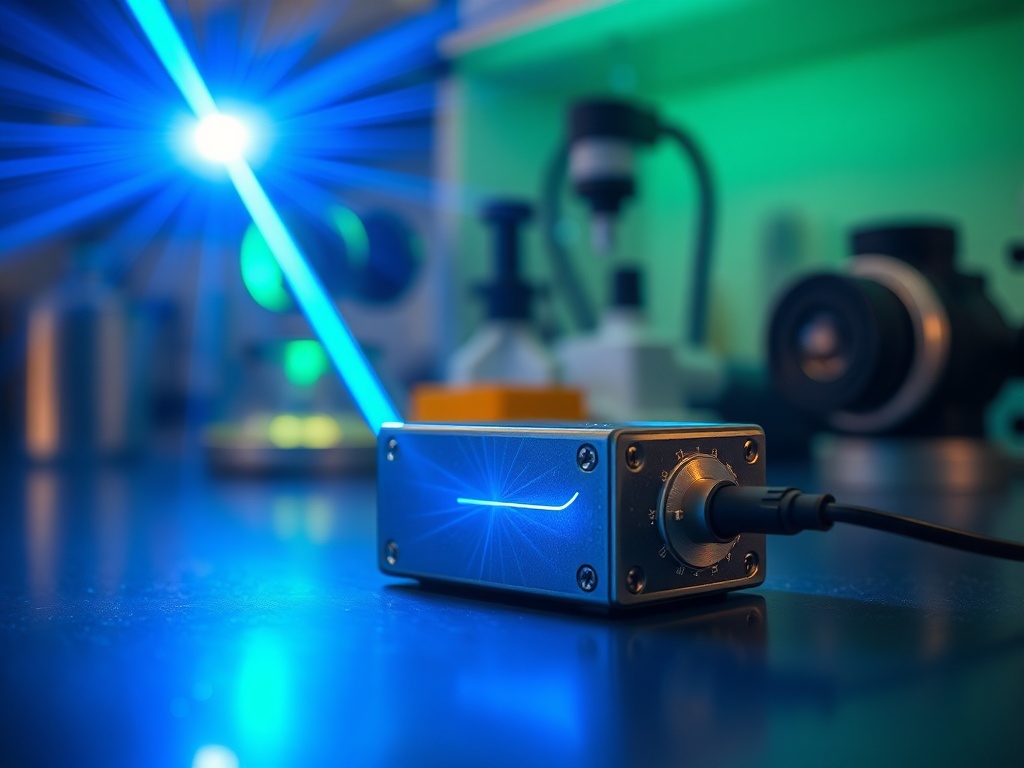
The Quantum Battery Breaks the Logic of Everything We Know About Energy
A prototype of a quantum battery has demonstrated that 20th-century physics no longer dictates the rules of energy storage. What comes next redefines entire industries' cost architecture.
 Gabriel Paz7 min