Technologies that stop being promise and start moving industries
We follow technologies that change costs, push barriers aside, and alter who controls an infrastructure, a value chain, or a critical capability.
What we are watching
Quantum computing, orbital connectivity, advanced energy, robotics, biotechnology, and systems moving from the lab into the economy with a new relationship between cost and capability.
Where it is being decided
In infrastructure ownership, memory efficiency, spectrum access, available energy, and the point where a technical improvement changes the economics of the whole problem.
Why it matters
Because when a technology changes the cost of doing something or the speed of deploying it, it also changes who gets to compete, who is left out, and where new dependence appears.
Featured
Exponential Technologies

Cybersecurity: From Insurance to Operational Cost in an Armed Internet
Cloudflare's 2026 report reveals a drastic shift in the realm of digital threats, underlining that cyberattacks are no longer isolated events but an ongoing industrial flow. With 94% of login attempts stemming from bots, security is now a fundamental aspect of business design.
 Clara Montes6 min
Latest articles
The Battle for Mobile Inference is Won with Less I/O and a Better-Distributed Value Chain
PowerInfer-2 promises up to 29.2x acceleration and 11.68 tokens/s on a Mixtral-47B on smartphones, redefining the economics of mobile AI.
The Adoption of AI in Cardiology: Winning with Economic Evidence, Not Just Accuracy
Hospitals are not purchasing 'AI'; they are securing operational clarity and a defensible path to better outcomes with less budget friction.
Starlink in Iran Exposes New Asymmetry: Connectivity as a Dual-Use Weapon
When the state shuts down the internet, low-orbit connectivity becomes critical infrastructure. The Handala case shows resilient connectivity not only liberates civil society but also reconfigures corporate and geopolitical risk.
The 950°C Reactor Redefining the Industrial Heat Economy in the U.S.
A high-temperature modular reactor is not just competing against other nuclear technologies; it competes against gas as a thermal input. The ZettaJoule-Texas A&M alliance promises to transform extreme heat into a replicable and financeable asset.
Most Popular
Most voted on this page
Google Isn't Buying Robots; It's Buying Trust: Why Intrinsic Aims to Be the Android of Factories
Alphabet's integration of Intrinsic isn't just an administrative move; it's an effort to transform industrial robotics into adoptable software. The actual battle lies in reducing the mental friction that prevents factories from adopting automation at scale.
104
The Lithium Coating that Transforms a Chemical Improvement into a Measurable Industrial Advantage
Reducing first-cycle loss by 75% is not a lab trick; it's a shift in value distribution among manufacturers, clients, and suppliers.
102
The 950°C Reactor Redefining the Industrial Heat Economy in the U.S.
A high-temperature modular reactor is not just competing against other nuclear technologies; it competes against gas as a thermal input. The ZettaJoule-Texas A&M alliance promises to transform extreme heat into a replicable and financeable asset.
92
The Adoption of AI in Cardiology: Winning with Economic Evidence, Not Just Accuracy
Hospitals are not purchasing 'AI'; they are securing operational clarity and a defensible path to better outcomes with less budget friction.
91
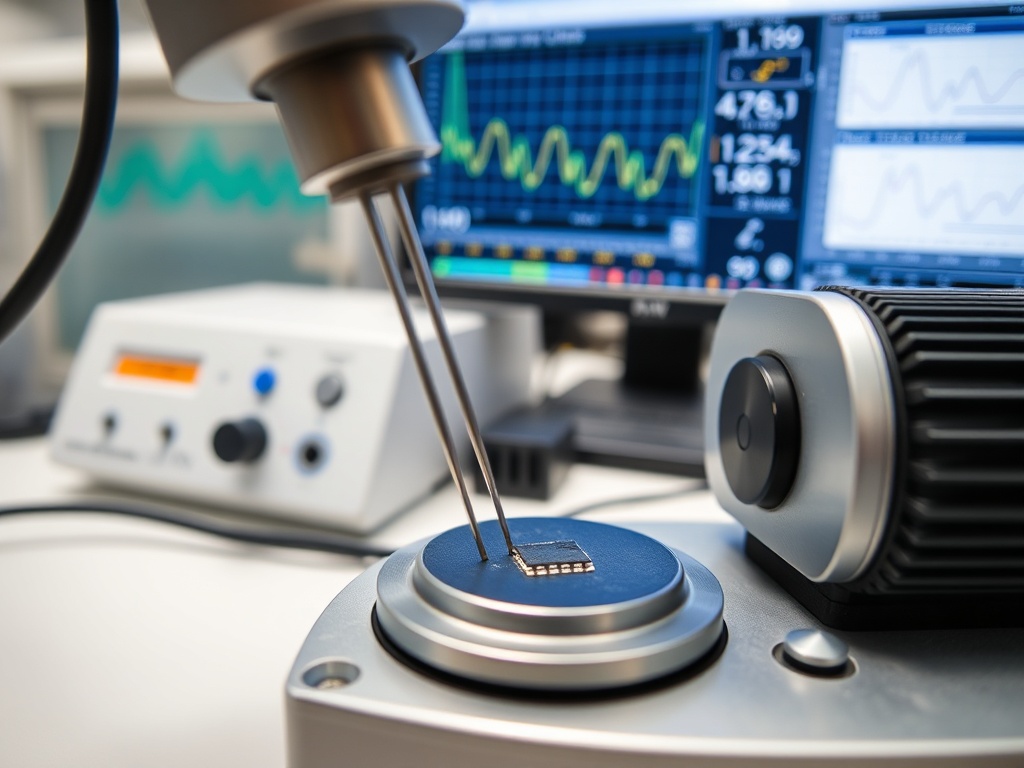
The Inflated Metric That Could Cost Billions: The Performance Mirage in 2D Transistors
A lab architecture used for nearly two decades can inflate the performance of 2D transistors by up to six times. This finding not only reshapes research papers but also necessitates auditing how R&D capital is allocated and who defines the benchmarks.
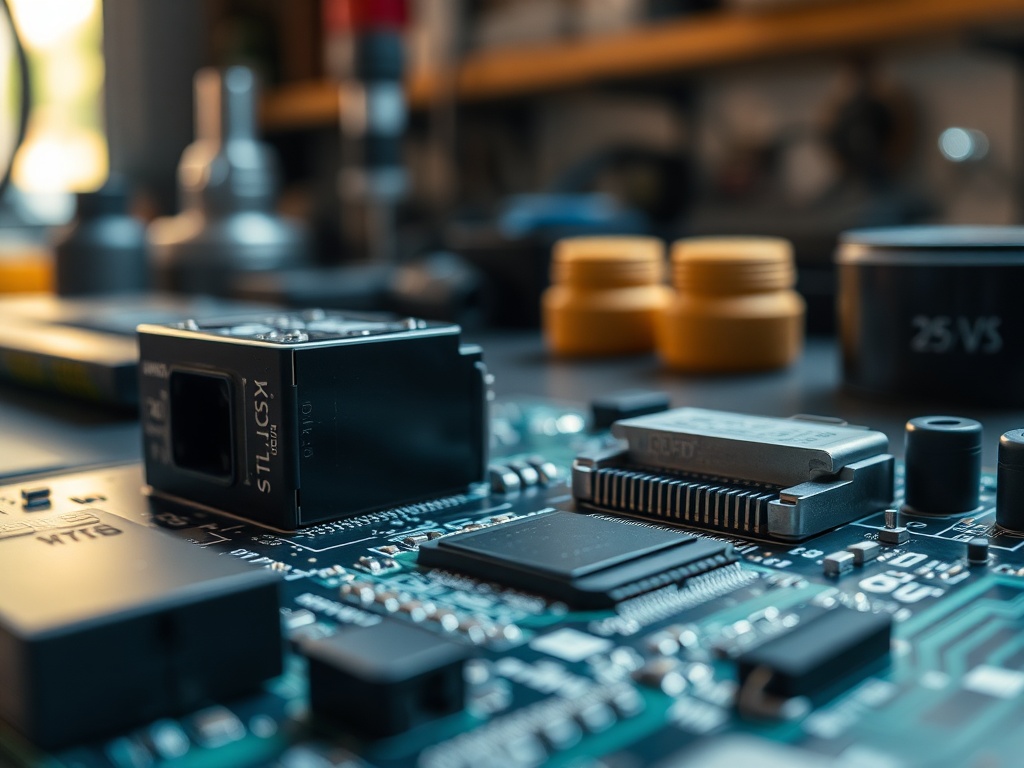
How NASA Transformed the Camera into a Chip
The CMOS Active Pixel Sensor revolutionized imaging, making it nearly free and ubiquitous, changing the economics of photography.
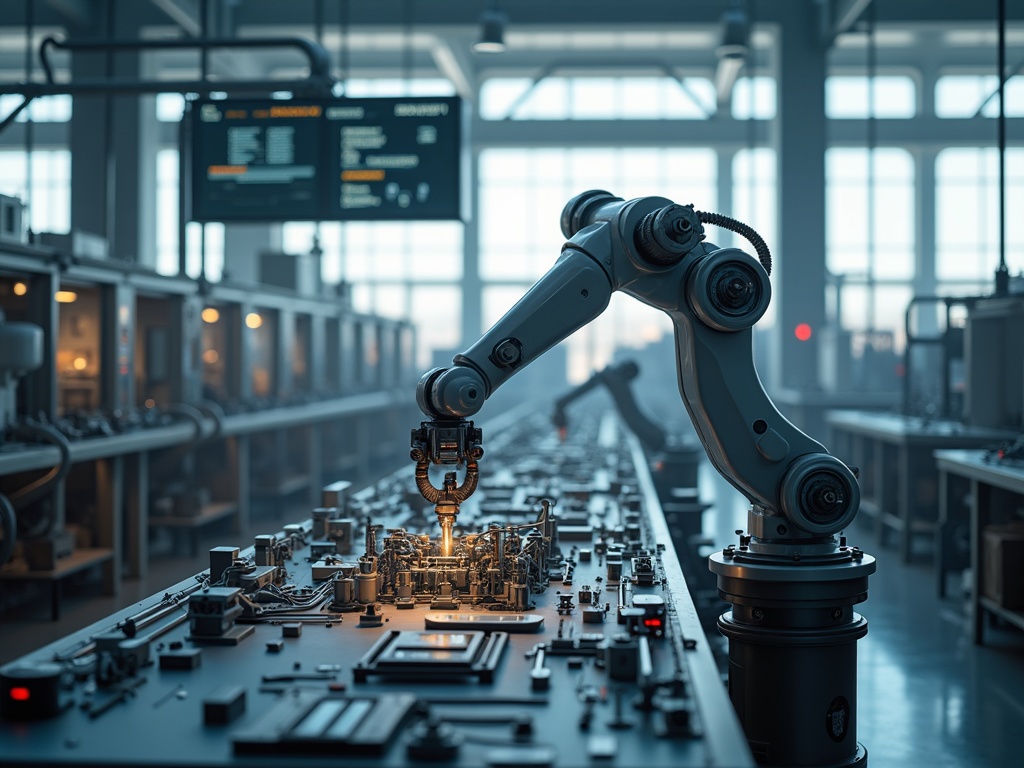
Robotics and Its Impact on Business Structure
The robotics debate reveals how automation redefines business organization and value distribution. As robots integrate with AI, challenges in trust, ownership, and customer experience arise.
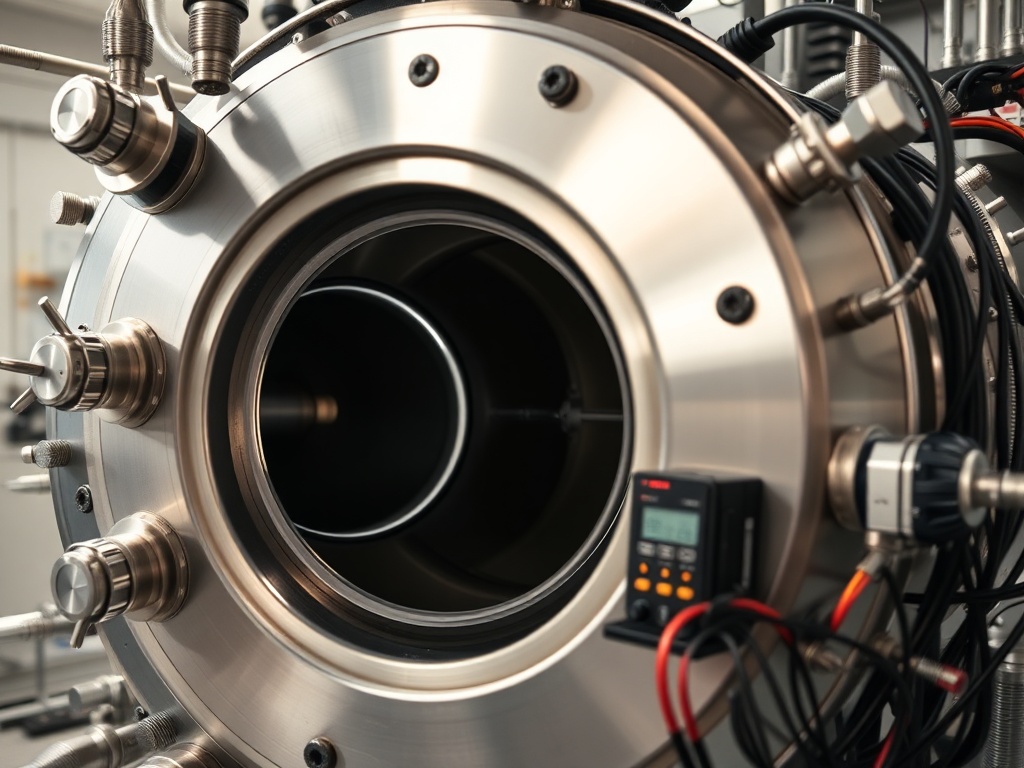
Ion Quantum Computing Enters Industrial Phase as Control Moves Within the Cryostat
The bottleneck for trapped ion quantum computers was not just physics but control architecture. A demonstration shifts the battle towards integration and scalability.

Street View as Canvas: Google Trials AI to Turn Maps into Editable Media
Google is testing the integration of its Nano Banana image model into Street View to 'restyle' real streets with generative filters, potentially transforming maps into a creative medium.

Privacy Goes into Scanning Mode: When Smart Glasses Force the Creation of Counter-Technology
An independent developer has launched an app that detects nearby smart glasses via Bluetooth, highlighting the shifting dynamics of privacy and surveillance technology.
 Gabriel Paz6 min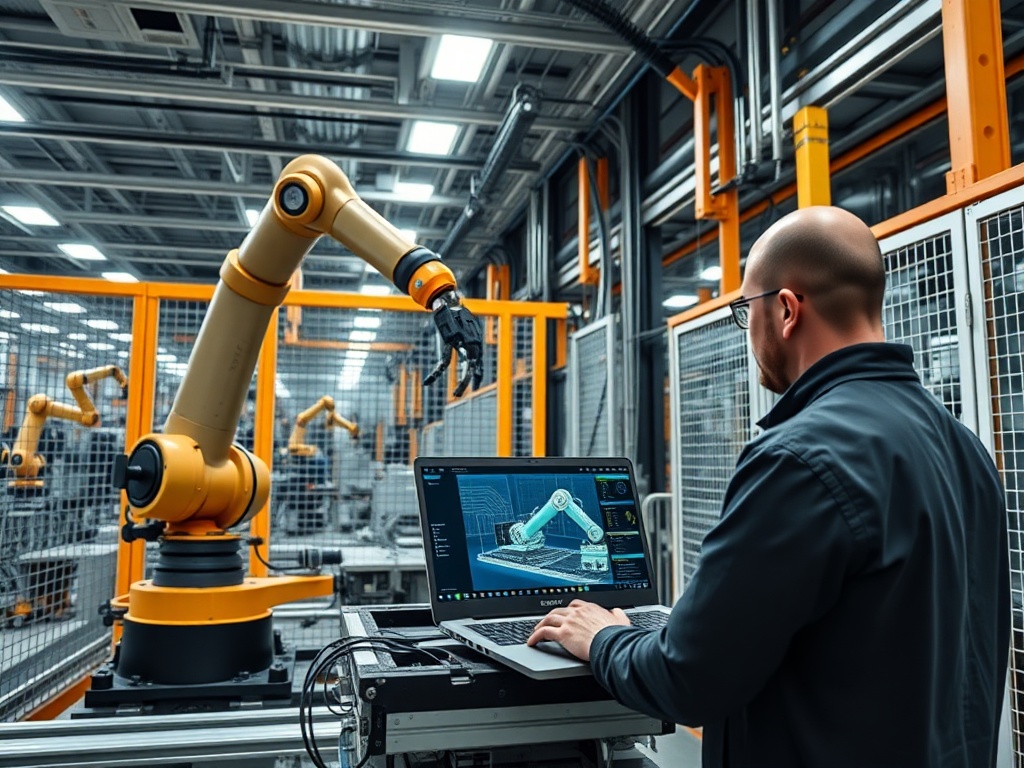
Google Isn't Buying Robots; It's Buying Trust: Why Intrinsic Aims to Be the Android of Factories
Alphabet's integration of Intrinsic isn't just an administrative move; it's an effort to transform industrial robotics into adoptable software. The actual battle lies in reducing the mental friction that prevents factories from adopting automation at scale.
 Andrés Molina6 min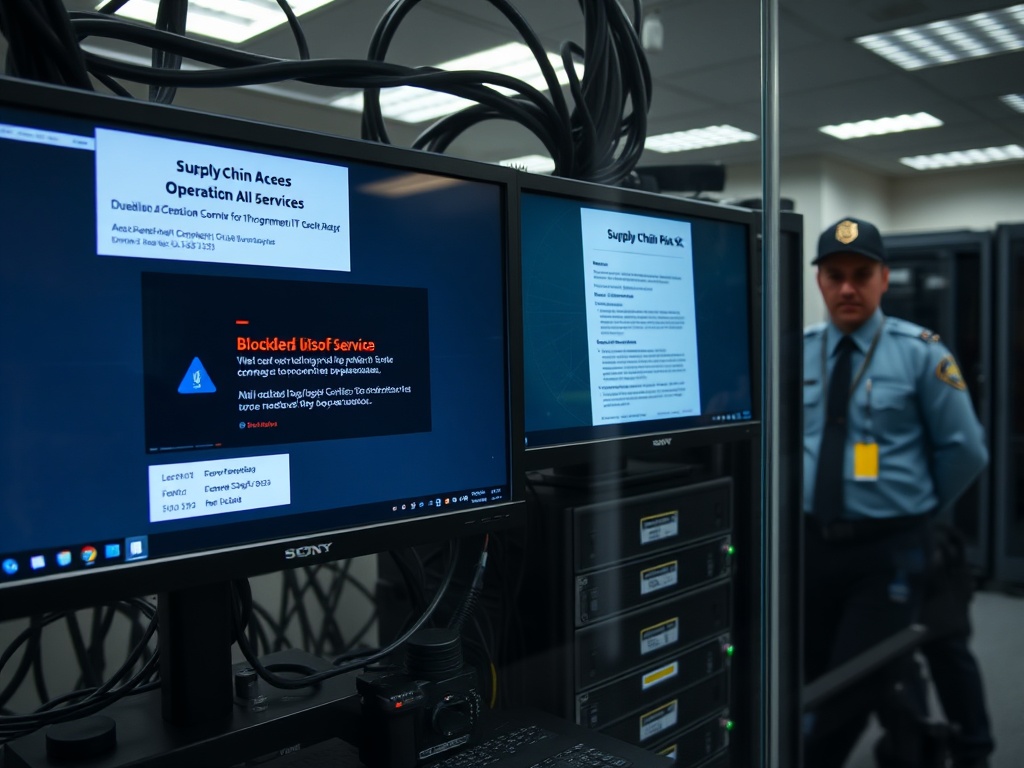
When the Customer Demands Master Keys: The Clash Between AI Security and Federal Procurement
Trump's order to halt Anthropic's AI use signifies a power struggle over technology control over technical negotiations.
Clara Montes6 min
The New Space Capital Doesn't Fund Rockets: It Funds Control of Critical Infrastructure
Investment in space tech has become a strategic imperative, focusing on critical infrastructure rather than just rockets.
 Elena Costa6 min
The Lithium Coating that Transforms a Chemical Improvement into a Measurable Industrial Advantage
Reducing first-cycle loss by 75% is not a lab trick; it's a shift in value distribution among manufacturers, clients, and suppliers.
 Martín Soler6 min
Nuclear a Mile Underground: When True Innovation Is Selling Certainty, Not Electrons
Deep Fission and Urenco are revolutionizing nuclear energy, promising operational certainty through innovative design and reduced costs.
Clara Montes6 min
Nvidia Is Not Inflating a Bubble: It's Pricing the New Digital Work
Nvidia’s latest fiscal results suggest a dynamic shift in the digital labor landscape, setting the price for what’s increasingly seen as computable work.
Elena Costa6 min