
The 950°C Reactor Redefining the Industrial Heat Economy in the U.S.
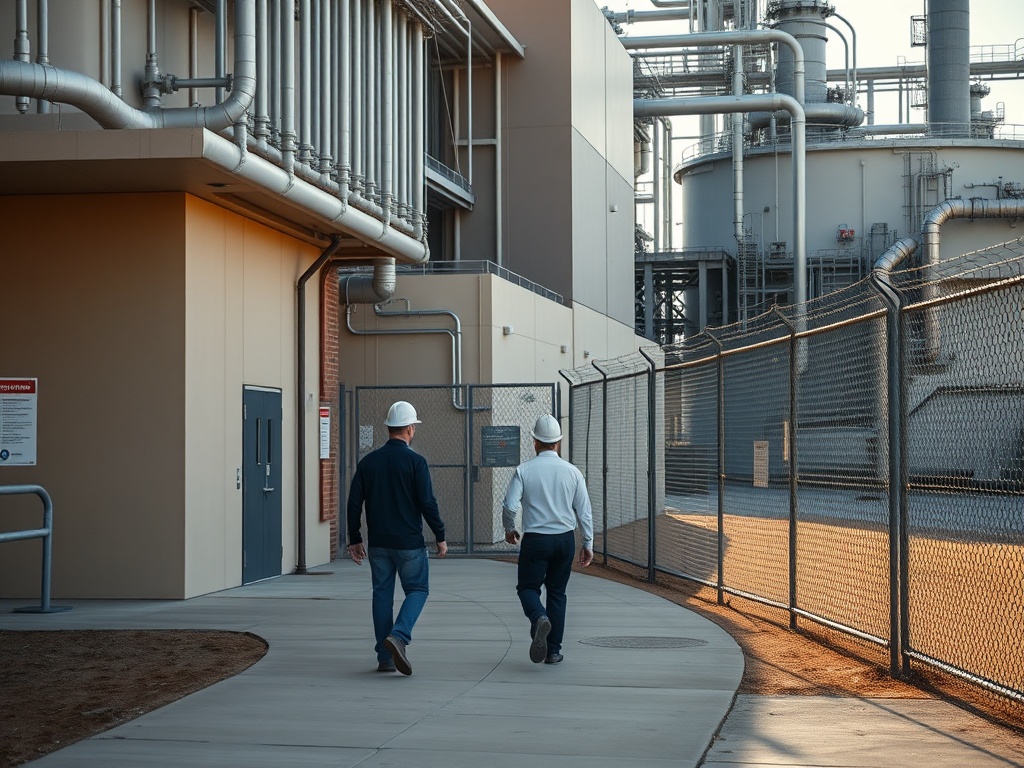
Decarbonizing industry often gets stuck on one uncomfortable detail: electricity does not easily replace heat. A significant portion of the heat driving the real economy is not mild but extreme. This is where ZettaJoule and Texas A&M Engineering Experiment Station (TEES) come into play with their recent Memorandum of Understanding (MOU) to explore the construction of the ZJ0, a 30 MW thermal research reactor capable of delivering process heat of up to 950°C, to be installed alongside the Nuclear Engineering & Science Center at Texas A&M in College Station.
The number that shifts the conversation is not the megawatts, but the degrees. According to available information, those 950°C are approximately 600°C higher than what a water-cooled reactor typically offers, which operates around 350°C. This difference is not a technical nuance; it marks the threshold between marginal uses and core industrial applications. With 350°C, certain processes can be fed; with 950°C, the menu opens to hard-to-abate sectors currently dominated by gas and coal: steel, chemicals, synthetic fuels, hydrogen, mining, among others.
TEES already operates two research reactors, and if realized, the ZJ0 would be built adjacent to this infrastructure. A relevant detail for the project's economic governance is that ZettaJoule will develop and build the reactor, transferring ownership to TEES upon completion. The agreement also relies on decades of safe operation from Japan's High Temperature Engineering Test Reactor (HTTR), serving as a technical precedent for this family of reactors.
A Research Reactor as a Trustworthy "Factory," Not Just Electrons
The ZJ0 is presented as a research reactor, but the real ambition is to commercialize a platform. ZettaJoule describes its line of reactors as aimed at industrial applications: oil and gas, chemicals, steel, data centers, hydrogen, desalination, and synthetic fuels. This enumeration is not generic marketing; it is a client list that buys two things: operational continuity and reliable heat.
From a value perspective, a high-temperature reactor is not justified merely by being “nuclear,” but by displacing a structural cost: that of fossil fuel as thermal input and the associated volatility risk. In heat-intensive industries, the cost is not just the price of gas, but also the risk of interruption, logistical complexity, permits, and increasingly, the reputational and regulatory costs of emissions.
Here, the choice of a research reactor is strategic: before selling a fleet, an asset is needed that translates promises into operational evidence, data, and routines. The alliance with a university experimental station allows packaging that process as applied research, with a narrative compatible with federal funds, industrial collaboration, and technical validation. World Nuclear News and Interesting Engineering report that the project could catalyze up to $1 billion in research collaborations, industrial alliances, and federal funding over the next decade, positioning Texas A&M as a national hub for innovation in high-temperature gas reactors.
In other words, the ZJ0 isn't marketed as a final product: it is sold as a mechanism to reduce market uncertainty. In nuclear, the cost of capital depends more on uncertainty than on steel.
The Real Market is Heat: Where 950°C Turns Entire Sectors into Potential Customers
The 350°C limit of many water reactors leaves out industrial processes requiring higher temperatures. The promise of 950°C repositions the reactor as an alternative to furnaces, boilers, and fossil thermal systems in ranges where direct electrification tends to be costly or complex.
When a supplier offers process heat at 950°C, the product stops being “energy” and becomes “process capacity.” In a chemical plant, in steel, or in synthetic fuels, the value of heat is linked to throughput: tons processed per hour, process stability, final product quality. In that terrain, the competitor is not another power plant, but natural gas as a production tool.
This nuance redefines the type of commercial conversation. Instead of simply discussing cost per kilowatt-hour, total process cost is examined: thermal efficiency, integration with the plant, control, reliability 24/7, and environmental restrictions. For this reason, the list of applications mentioned in the sources also includes data centers. Even though a data center does not “need” 950°C, it does require always-available energy; and if the technological platform allows pairing generation with auxiliary thermal uses or with nearby industrial systems, the asset enhances its utilization and resilience narrative.
Now, 30 MW thermal is not a number designed to move an entire region; it suggests modularity and specific deployments. Economic value, then, depends on how repeatable the design is and how standardized permits, construction, and operations are. If each unit ends up being a bespoke project, capital costs will skyrocket, and the promise of industry will dilute. The ZJ0, as a reference, seeks the opposite: to ensure that learning is accumulable and transferable.
The Distribution of Value: Who Captures the Upside and Who Assumes Risk
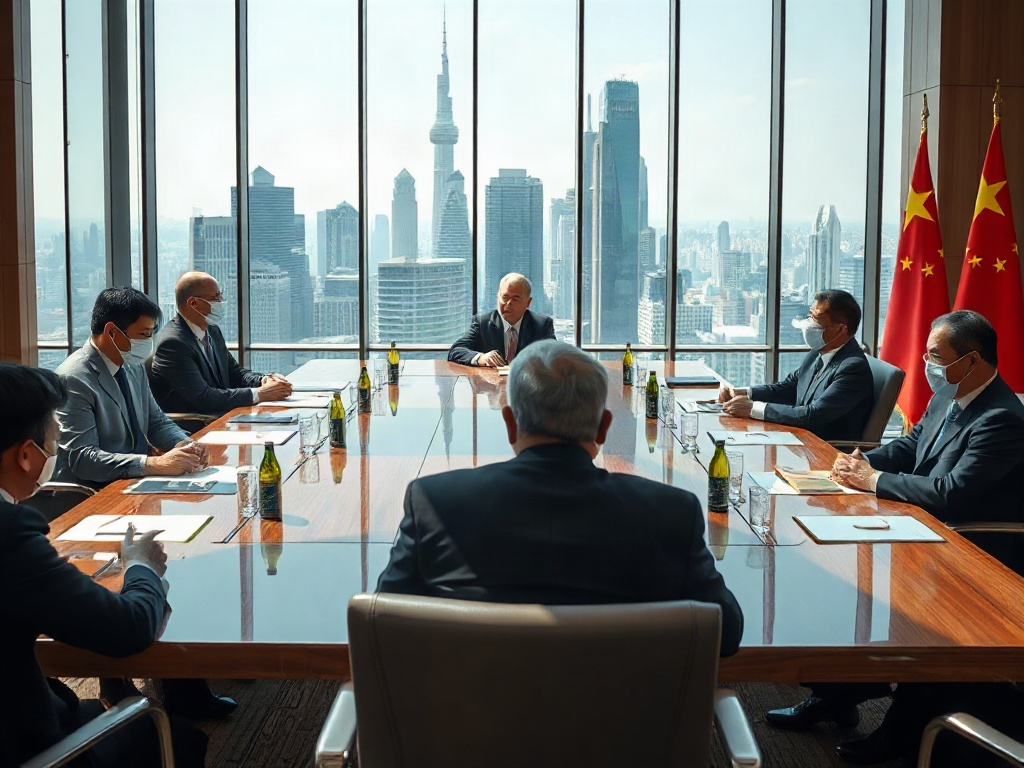
The most interesting point of the MOU is not technological; it is the architecture of incentives. According to available information, ZettaJoule builds and then transfers ownership to TEES. This suggests a separation between the validation objective and the future revenue capture goal.
For TEES, the gain is clear: cutting-edge infrastructure, prestige, the ability to attract talent, and, above all, the ability to attract budget. Robert H. Bishop, Dean and Vice Chancellor of Engineering at Texas A&M, framed the agreement as support for researchers and industrial collaborators in next-generation energy systems. If the projection of up to $1 billion in collaborative activity materializes, TEES becomes a magnet for contracts, projects, and partnerships.
For ZettaJoule, the bet is more delicate. By transferring ownership, ZettaJoule sacrifices direct value capture from the physical asset but may be buying something more valuable: operational credibility, access to networks, speed of iteration, and a demonstration platform that lowers the cost of selling future commercial units. In advanced nuclear, that credibility is an asset amortized into every licensing conversation and funding round.
A third key actor also appears: Aramco Services Company, which issued a letter of support to the U.S. Department of Energy and the Department of Commerce, backing federal assistance. The quoted phrase in the sources is relevant for its precision: support “would signal to the nuclear industry and the investor community that the company's advanced SMR technology merits accelerated commercial development.” Translated into political economy: the letter does not buy the reactor but aims to reduce the risk discount applied by regulators, industries, and investors.
This doesn’t entail guarantees. A project like this often concentrates risks in early phases: licensing, supply integration, scheduling, public acceptance, and especially, funding consistency. The news explicitly states that a construction or completion timeline has not been detailed. In the absence of dates, the responsible interpretation is that the agreement organizes intentions and enables funding searches, not that the project is imminent.
AI, Digital Twins, and Operational Risk as an Economic Variable
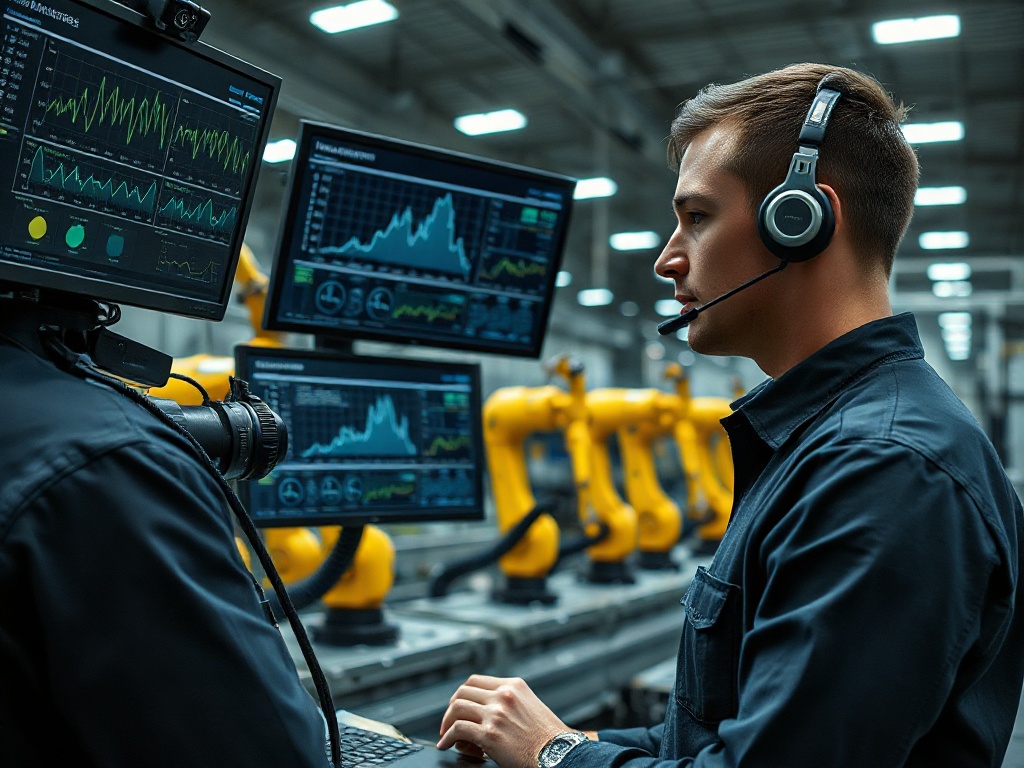
ZettaJoule proposes integrating AI-based digital twins and intelligent systems to streamline operations, reduce costs, and minimize human error. In the nuclear context, these promises are best interpreted when grounded in the factor that defines profitability: operational and regulatory risk.
A reactor does not operate like just another turbine. The risk premium is expressed in compliance costs, redundancies, training, procedures, and shutdowns. If a digital twin can foresee failures, optimize maintenance, and improve the quality of operational evidence, it can reduce uncertainty and thus the cost of capital. The benefit lies not in automating for automation's sake, but in making operations more predictable for regulators and more controllable for operators.
However, there is tension here as well. In highly regulated technologies, the introduction of AI-based systems may open a new layer of validation and auditing. If AI is presented as a black box, it can raise friction. If it presents itself as explainable instrumentation, traceable and safety-oriented, it can accelerate learning. Success will depend on translating the technological promise into documentation, data, and procedures acceptable to authorities and daily operating teams.
The technical precedent of Japan's HTTR lends design legitimacy but does not replace the economic test on U.S. soil. In this sense, the ZJ0 becomes a negotiation piece with all relevant actors: the regulator, the funder, and the industrial client. Each uses a different language, but they all buy the same thing: reduction of uncertainty.
The Real Bet: Turning Extreme Heat into Replicable and Financeable Infrastructure
The MOU between ZettaJoule and TEES outlines a strong thesis: the next wave of advanced nuclear in the U.S. may gain relevance not by competing on cheap electricity, but by competing in process heat where fossil fuels are still dominant. The 950°C are, in practice, a key to entering industrial processes where decarbonization stalls due to physical limits, not due to a lack of will.
The known risk is significant: if the initiative remains a singular project without a timeline, without a clear licensing route, and without standardization, the market will treat it as an expensive experiment. The opportunity is also concrete: if the reference reactor successfully translates into replicable specifications, operational procedures, and industrial agreements that provide anchor demand, then the most valuable asset will not be the ZJ0, but the systematic decrease in the cost of deploying the next one.
The distribution of value, as outlined, favors TEES in assets and institutional centrality; favors ZettaJoule if it can convert that centrality into future sales; and favors the industrial sector only if the project reduces its total process cost without transferring nuclear risk as a “hidden cost.” In this decision, real value is gained by those who convert a thermal promise into transferable operational trust, and lost by those who attempt to capture margins without sharing certainty, because the only competitive advantage that does not deplete is to get all actors to prefer remaining within the same system of incentives.