Young companies still deciding what they are going to become
We follow startups once the problem is no longer just raising capital, but finding a model, a position, and a growth architecture that does not depend on borrowed excitement.
What we are watching
Distribution, infrastructure, marketplace dynamics, scale, platform dependence, growth pressure, and decisions where a startup stops looking like promise and starts looking like a company.
Where it is being decided
In adoption, customer acquisition cost, available capital, learning speed, model quality, and the moment when the market starts asking for more than narrative.
Why it matters
Because a startup does not fail only when it runs out of money. It also fails when it cannot tell how much of its growth is demand, how much is subsidy, and how much still has no form.
Featured
Startups

Google Pays $32 Billion for Wiz to Secure Cloud Space
Google's acquisition of Wiz for $32 billion is more than a security purchase; it's a strategic move to accelerate cloud capabilities amid rising cyber threats.
 Mateo Vargas6 min
Latest articles
The Disposable Satellite Faces Its First Serious Commercial Rival
Lux Aeterna aims to redefine the lifecycle of satellites by focusing on reusable platforms rather than disposable ones, appealing to SMEs and defense sectors.
AMI Labs and the Cost of Teaching Physics to Artificial Intelligence
AMI Labs' $1.03 billion funding is a clear sign that the market values AI capable of planning and acting in the physical world, rather than just conversing.
The End of the Singaporean Wash for Chinese Startups
Moving headquarters to Singapore is no longer enough when control, data, and supply chains remain anchored in China. The simultaneous pressure from Washington and Beijing is turning that ambiguity into a rising financial cost.
ModRetro's Unicorn Ambition: The Risk of Founder Dependence
The funding ModRetro sought in March 2026 poses a test of execution and governance. A valuation target is not a completed round, and the founder's reputation does not demonstrate the ability to scale.
Most Popular
Most voted on this page
Business Opportunities in 2026: A Discussion on AI, CleanTech, and More
The debate focuses on winning industries for 2026, highlighting the importance of AI, cybersecurity, and CleanTech.
99
The Future of the Startup Ecosystem in Latin America
By 2026, Latin America is facing a larger yet more sober startup ecosystem. With growing venture capital funding, the focus shifts toward maturity and validation.
94
When the CEO Becomes Operational Risk: The Hayden AI Lawsuit and the Cost of Idolizing the Founder
Hayden AI’s lawsuit against its former CEO highlights the repercussions of poor governance and the risks involved when a charismatic founder turns into a liability.
92
The Disposable Satellite Faces Its First Serious Commercial Rival
Lux Aeterna aims to redefine the lifecycle of satellites by focusing on reusable platforms rather than disposable ones, appealing to SMEs and defense sectors.
91

When Security Collides with Supply Chain: The Pentagon's Move Redefining the Military AI Market
The Pentagon labels the US startup Anthropic a supply chain risk, indicating that AI governance is becoming a tool for purchase and control.

Venture Capital Enters Fashion with AI and Uncovers the True Bottleneck: Governance
The Fashion AI Expo in Paris showcased how AI is transforming fashion, revealing that the real risk for fashion tech startups lies in governance, not models.
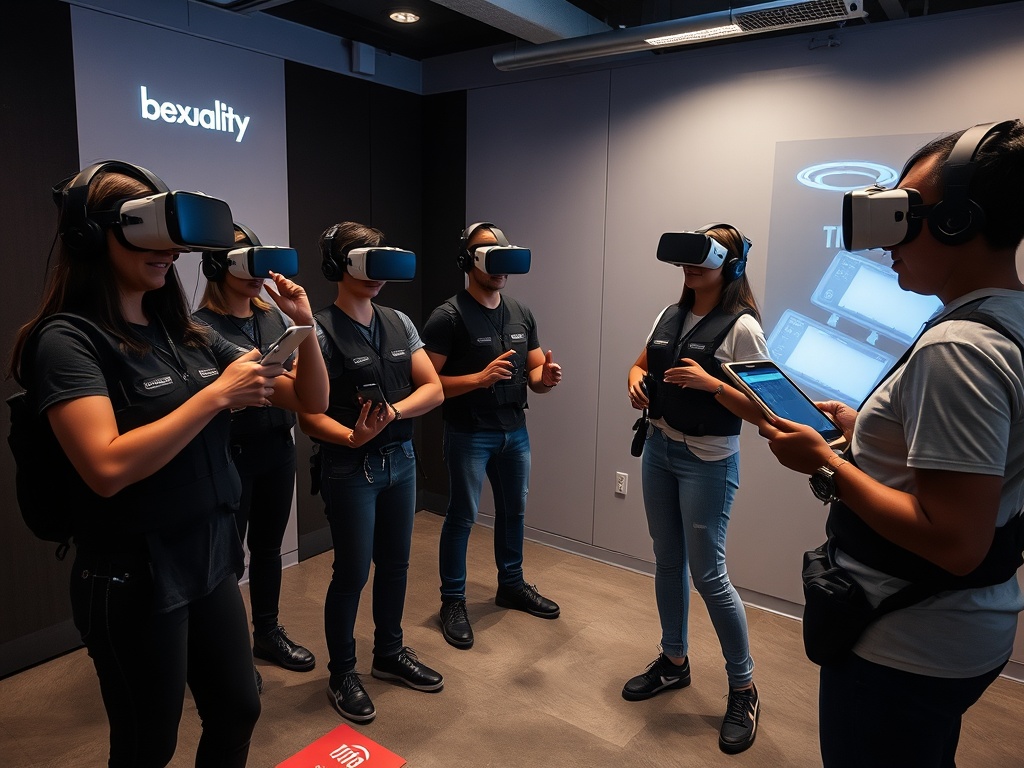
Sandbox VR and the Uncomfortable Truth of Growth: Scaling Experiences Without Breaking the Promise
Sandbox VR surpassed 5 million players and over 80 locations as 'out-of-home' VR gains traction once again. The real challenge is sustaining operational promise in a rapidly expanding franchise network.

Robinhood's Private Capital Misstep Reveals the True Cost of 'Democratizing' Startups
Robinhood's weak debut with its Ventures Fund I reveals structural friction between illiquid assets and retail liquidity expectations, emphasizing the need for product engineering over mere narrative in private equity.
When the CEO Becomes Operational Risk: The Hayden AI Lawsuit and the Cost of Idolizing the Founder
Hayden AI’s lawsuit against its former CEO highlights the repercussions of poor governance and the risks involved when a charismatic founder turns into a liability.
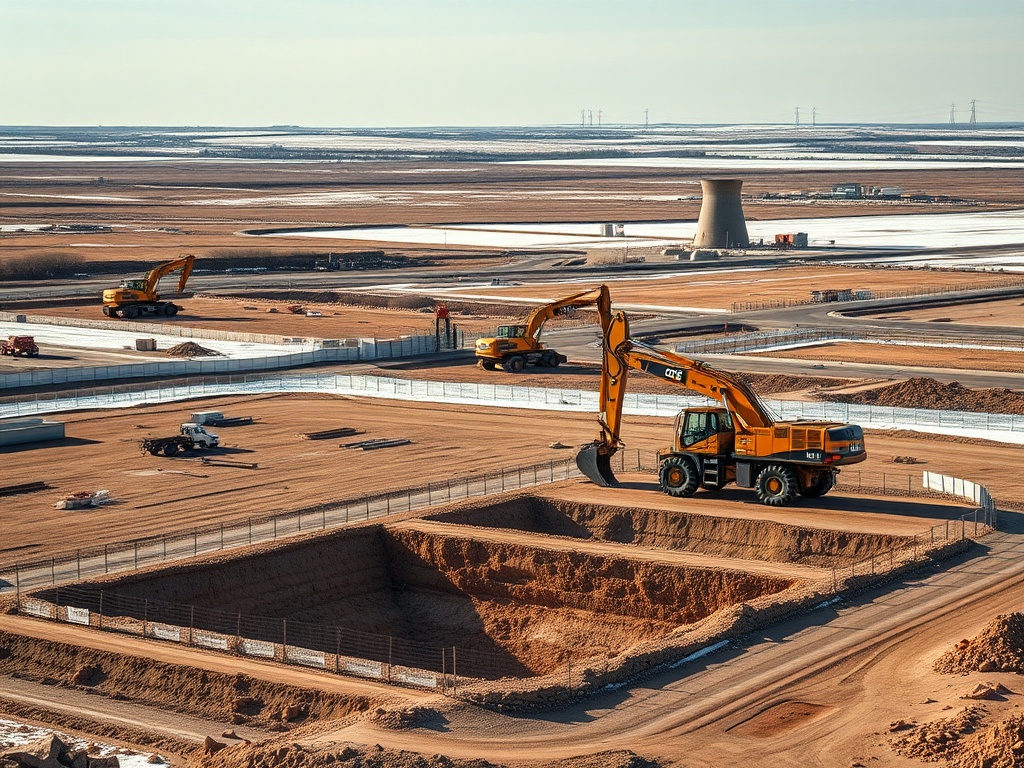
TerraPower and the Permit that Transforms Regulation into Competitive Advantage
The achievement is not only technical but economic. The construction permit for Natrium redefines who captures value in the upcoming nuclear wave in the U.S.
 Martín Soler6 min
Kalshi and the Operational Limits of Prediction Markets: When the Product Becomes Regulation
The controversy surrounding contracts related to Iranian leadership revealed an uncomfortable truth: in prediction markets, legal text is now part of the product itself.
 Elena Costa6 min
The New Size of Crypto Money: Why a16z Lowers Its Fund to $2 Billion and Raises the Demands for Real Products
Andreessen Horowitz aims to raise around $2 billion for its fifth crypto fund amidst a market correction, signaling a shift towards utility-driven products.
 Lucía Navarro6 min
The Office-less Hedge Fund: When Outsourcing Everything Becomes a Test of Character
The new wave of 'lean' launches in hedge funds isn't just about technology; it’s about governance, shifting operational risks to external functions.
 Simón Arce6 min
ARQ and the New Race for the ‘Digital Dollar’ in LatAm: When Exchange Rates Become a Product
Sequoia Capital and Founders Fund leading a $70 million round signals a shift in currency exchange from banking privilege to software solutions.
Elena Costa6 min
The Mayor's Call as a Sales Strategy: Pittsburgh's Real Product is Its Operational Speed
When a mayor cold calls 150 CEOs, he's not doing PR; he’s buying market attention. Pittsburgh seeks to transform bureaucracy into a measurable business proposition.
Lucía Navarro6 min
Devotion Aims to Turn Creator Marketing into an Operable Machine, Not a Spreadsheet
Cami Tellez's return with Devotion is not just about influencer marketing; it focuses on building infrastructure to scale marketing efforts efficiently.
 Sofía Valenzuela6 min
The First Job Offer from Amazon Reveals the Real Engine of a Startup: Hiring to Build Scalable Systems
Jeff Bezos’ job posting in 1994 focused on operational promise: speed, maintainability, and equity as a brutal alignment of incentives.
 Tomás Rivera6 min
VCs Now Seek More Than Just AI "Layers": The New Investment Focus Is on Reducing Friction and Completing Business Tasks
Investors are moving away from funding AI products that only "look smart" and are rewarding those who eliminate complexity and integrate real business operations.
 Andrés Molina6 min
Sprint in Birmingham: A Bold Investment in Bus Lanes that Only Works if Managed as a Product
Birmingham is redesigning key arteries to prioritize buses with smart infrastructure and a new electric fleet. The difference between an effective corridor and a public works monument lies in treating the service like a product.
Tomás Rivera6 min
Business Opportunities in 2026: A Discussion on AI, CleanTech, and More
The debate focuses on winning industries for 2026, highlighting the importance of AI, cybersecurity, and CleanTech.
 Francisco Torres12 min
The Future of the Startup Ecosystem in Latin America
By 2026, Latin America is facing a larger yet more sober startup ecosystem. With growing venture capital funding, the focus shifts toward maturity and validation.
Elena Costa12 min
The Pentagon Converts Ethics into a Technical Clause as OpenAI Secures the Contract
When the world's most demanding client requests 'any lawful purpose', the edge lies in creating operational barriers rather than proclaiming principles.
Tomás Rivera6 min
OpenAI's Mega Investment Finances Power, Not Just Models
OpenAI's $110 billion investment signals a shift from software to critical infrastructure, highlighting the new competitive advantages in AI.
Lucía Navarro6 min