Decisions that change the direction of a company
We read moves that alter position, margin, control, and competitive advantage. Not just what a company is doing, but what it is trying to win, defend, or avoid.
What we are watching
Portfolio bets, price wars, infrastructure control, shareholder pressure, and redesigns that change who gets to capture value.
Where it is being decided
Competition, corporate governance, pricing, expansion, vertical integration, and decisions that look tactical until they start redefining a position.
Why it matters
Because strategy is not measured by intention, but by consequences: who gains margin, who loses control, and what hidden costs each move leaves behind.
Featured
Strategy

Why European Wealth Management Can No Longer Sell Returns as Its Core Argument
There is one data point in the McKinsey survey published in June 2026 that deserves a pause before moving on: among high-net-worth clients in Europe, the proportion who self-describe as risk-takers fell from 40 to 31 percent in just two years. This is not a cyclical swing. It is a recalibration cutting across all segments simultaneously, in a sector that historically built its value proposition on the promise of superior returns.
 Francisco Torres9 min
Latest articles
Xbox's Core Problem Is Neither the Catalog Nor the Subscription
There comes a moment in the analysis of any business model when secondary variables stop explaining anything on their own and everything converges on a single structural piece that holds, or should hold, everything else together. For Xbox, that moment arrived in 2026, and that piece is hardware. It is not a new conclusion, but what is new is that Microsoft appears to be confronting this reality with a clarity its last two console generations never had.
Business Credit Cards and the Benefit Trap Nobody Uses
There's a figure that rarely appears in business credit card rankings: most cardholders never redeem even 40% of the theoretical value the issuer advertises on its product page. Not because they're careless. But because the product was designed to impress in comparisons, not to fit how a real small business actually operates.
Samba TV Bets on Autonomous Advertising and Reveals a Fragility the Industry Is Ignoring
Samba TV's acquisition of Bestever AI, announced on June 22, 2026, is not an ad tech news story. It is a statement about what kind of asset matters when artificial intelligence models become indistinguishable from one another. Samba knows this, which is why the move is not about the algorithm it bought, but the data it already had.
Why Asia's Light Calendar Reveals a Deep Shift in How the World's Largest Central Bank Operates
On Monday, June 22, 2026, Asian financial markets opened the week with a virtually empty agenda. The only notable event on the calendar was the monthly publication of the People's Bank of China's Loan Prime Rates, known as the LPR. And yet, currency, debt, and equity traders barely blinked.
Most Popular
Most voted on this page
India Discovered It Doesn't Control the Switch to Its Own Digital Economy
Late Friday afternoon. An Anthropic press release landed in the inboxes of its global partners with the neutral, contained tone of a system maintenance notification. The text announced that the Fable 5 and Mythos 5 models were being suspended for all foreign nationals, including the company's own employees who did not hold US citizenship. India, which both Anthropic and OpenAI describe as their second-largest market after the United States, had just discovered something its founders, investors and officials preferred to keep in the realm of abstraction: access to the tools underpinning a large part of its technological bet can be shut down with a call from Washington, with no prior hearing and no defined restoration timeline.
91
David Cordani Built Cigna for 17 Years and Now Measures His Success by How Forgotten He Becomes
There is a category of success that few organizations know how to manufacture: the kind that becomes invisible. David Cordani, who took the helm of Cigna in 2009 when the company was generating around $18 billion a year, steps down as CEO on July 1, 2026 having grown that figure to $275 billion. He leaves the role with a definition of victory that is unsettling precisely because it is hard to fake: he wants to be 'something forgotten' because his successor, Brian Evanko, and his team are so effective that no one needs to remember him.
90
Accenture Dropped 18% in a Day and the Number That Explains It Is Not Earnings
Accenture delivered a third quarter that, under any other reading, would have been cause for satisfaction. Revenue of $18.7 billion, expanding operating margins, $2.2 billion returned to shareholders in a single quarter, and a CEO who went on camera to talk about 104 contracts worth over one hundred million dollars signed so far this fiscal year. The execution numbers did not fail. What failed were the numbers about the future.
89
The Only SaaS Metric That Survives When the Market Gets Tough
There comes a moment in the lifecycle of any subscription software company when the metrics dashboard starts to look like a symptom rather than a tool. Daily active users, feature open rates, session time, module adoption, quarterly NPS. Everything is measured. Everything shows green. And yet, contracts are not being renewed.
89

AI System Amnesia Is Not a Model Problem, It's an Infrastructure Problem
There's a scene that AI product teams know all too well. A user spends twenty minutes building context with an assistant: budget, dietary restrictions, dates that can't move, family preferences. Then, three turns later, the system acts as if that conversation never happened.

The Fastest AI Is Not the Smartest
There is a pattern that repeats itself in enterprise artificial intelligence projects and rarely appears in tracking dashboards: users start double-checking what they previously accepted without hesitation. Not because the system failed. But because the system moved forward before they could keep up.

Why India's Energy Transition Is Fracturing Along Its Own Supply Chain
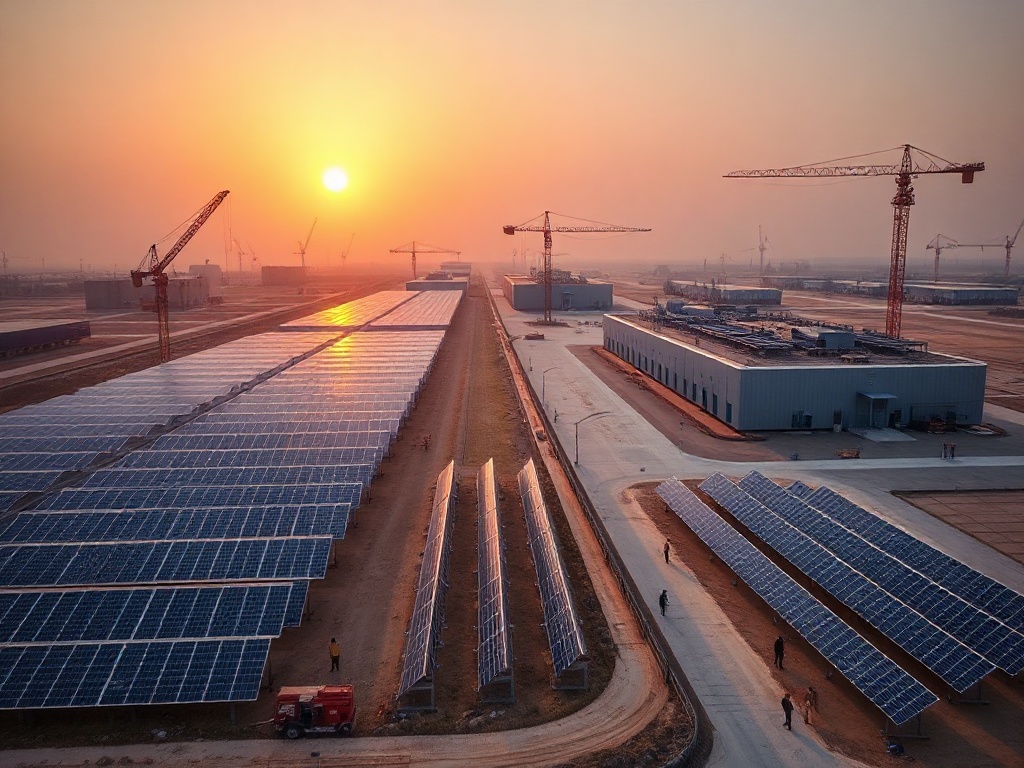
India has spent more than a decade building the narrative of a great energy transformation. Installed renewable capacity figures advanced so quickly that the country reached its target of 50% non-fossil capacity five years ahead of schedule. But there is a crack those headlines never covered: non-fossil electricity generation remains stuck at around 25% of the total, and the industrial sector that manufactures the materials used to build that renewable infrastructure remains one of the country's most polluting engines.
The Private Sector Took the Wheel of Investment in India and Chose Two Destinations
There is a number in the Bank of Baroda report that deserves a pause: ₹191 lakh crore in new investment announcements during the four years after Covid. An average of ₹48 lakh crore per year. What that figure contains, however, is not homogeneous: two sectors—electricity and information technology—absorb a disproportionate share of the flow, and the first 75 days of the current fiscal year show an even greater concentration: 85% of all proposed investments are focused on these two segments.

Boards No Longer Expect the CEO to Learn on the Job
There is an operational fiction that governed executive transitions for decades: the new CEO has one hundred days to listen, orient themselves, and earn trust before acting. That fiction has collapsed. It was not a gradual change or a silent evolution of corporate criteria, but a rupture in expectations that completely reorganized what it means to arrive in the role prepared.

When Creators Reach the Family TV Without Asking Permission
Fawesome and HappyKids, the free streaming channels operated by Future Today, have spent years building a scale that many underestimated. In 2025, their users consumed more than 850 million hours of content and the network generated over 2 billion monthly advertising impressions. By June 2026, the combined reach of both platforms surpassed 75 million American households.
 Andrés Molina9 min
Accenture Dropped 18% in a Day and the Number That Explains It Is Not Earnings
Accenture delivered a third quarter that, under any other reading, would have been cause for satisfaction. Revenue of $18.7 billion, expanding operating margins, $2.2 billion returned to shareholders in a single quarter, and a CEO who went on camera to talk about 104 contracts worth over one hundred million dollars signed so far this fiscal year. The execution numbers did not fail. What failed were the numbers about the future.
Francisco Torres9 min
Databricks Bets on Ontology and Reveals Who Controls the Brain of Enterprise AI Agents
The history of enterprise artificial intelligence can be measured in layers. First came vector databases, which enabled semantic similarity searches across large volumes of text. Now Databricks is betting that architecture is no longer enough.
 Lucía Navarro9 min
When Autonomy Needs Guardians, Something About the Promise Doesn't Add Up
There is a specific moment when corporate language becomes self-incriminating. It happens when the same company that announces its artificial intelligence agents can work alone, in parallel, without supervision, and deliver results before anyone asks for them, presents at the same event a battery of tools whose sole function is to monitor those agents, correct them, and undo what they did wrong. That is exactly what happened at the AWS Summit in New York in June 2026.
 Simón Arce9 min
The Only SaaS Metric That Survives When the Market Gets Tough
There comes a moment in the lifecycle of any subscription software company when the metrics dashboard starts to look like a symptom rather than a tool. Daily active users, feature open rates, session time, module adoption, quarterly NPS. Everything is measured. Everything shows green. And yet, contracts are not being renewed.
 Camila Rojas9 min
Polycab Rose 30% and Jefferies Just Asked for More: What the Cables Reveal About the India That's Coming
There are moments in the trajectory of certain companies where market narrative and operational numbers finally align. For Polycab India, that moment appears to have arrived with force in 2026, and Jefferies' decision to raise its price target to ₹10,920 per share — after a 30% rally year-to-date — is not a case of late broker enthusiasm. It is a signal that the analyst is looking at something structural, not cyclical.
 Tomás Rivera8 min
David Cordani Built Cigna for 17 Years and Now Measures His Success by How Forgotten He Becomes
There is a category of success that few organizations know how to manufacture: the kind that becomes invisible. David Cordani, who took the helm of Cigna in 2009 when the company was generating around $18 billion a year, steps down as CEO on July 1, 2026 having grown that figure to $275 billion. He leaves the role with a definition of victory that is unsettling precisely because it is hard to fake: he wants to be 'something forgotten' because his successor, Brian Evanko, and his team are so effective that no one needs to remember him.
 Valeria Cruz8 min
Malaysian SMEs Are Measuring Sentiment with the Wrong Thermometer
An index falls to its historic low. Businesses keep selling, hiring and expanding. That contradiction is not statistical noise: it is the most honest case study the small and medium-sized enterprise sector in Malaysia has produced in recent years.
 Diego Salazar9 min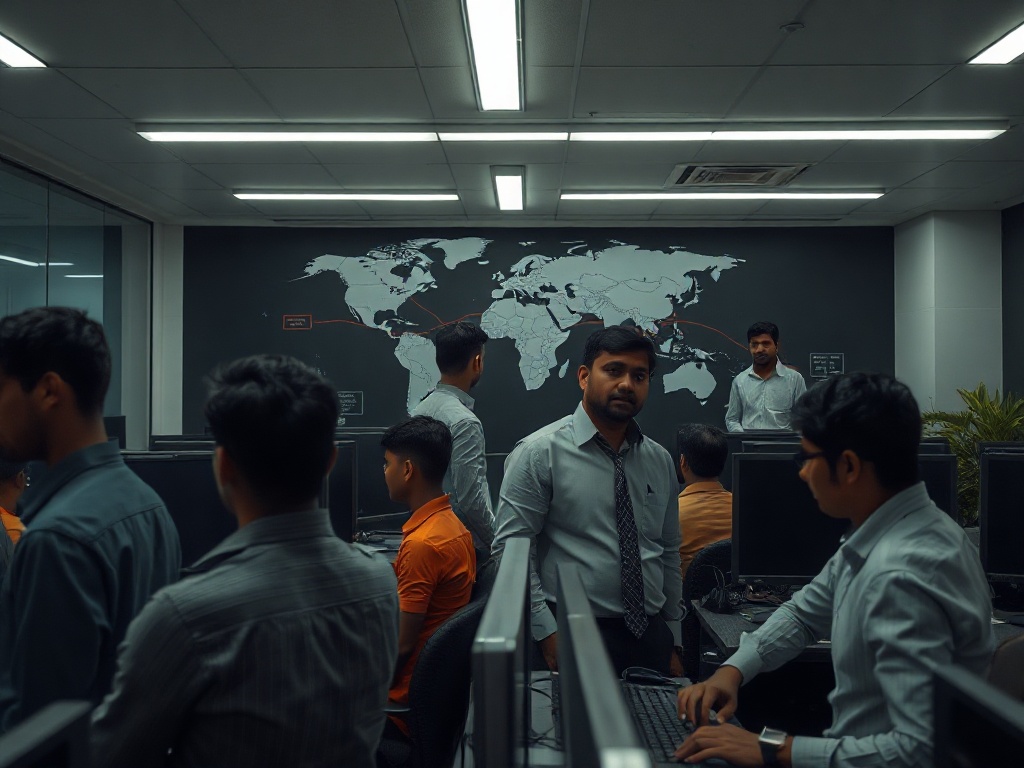
India Discovered It Doesn't Control the Switch to Its Own Digital Economy
Late Friday afternoon. An Anthropic press release landed in the inboxes of its global partners with the neutral, contained tone of a system maintenance notification. The text announced that the Fable 5 and Mythos 5 models were being suspended for all foreign nationals, including the company's own employees who did not hold US citizenship. India, which both Anthropic and OpenAI describe as their second-largest market after the United States, had just discovered something its founders, investors and officials preferred to keep in the realm of abstraction: access to the tools underpinning a large part of its technological bet can be shut down with a call from Washington, with no prior hearing and no defined restoration timeline.
 Ignacio Silva12 min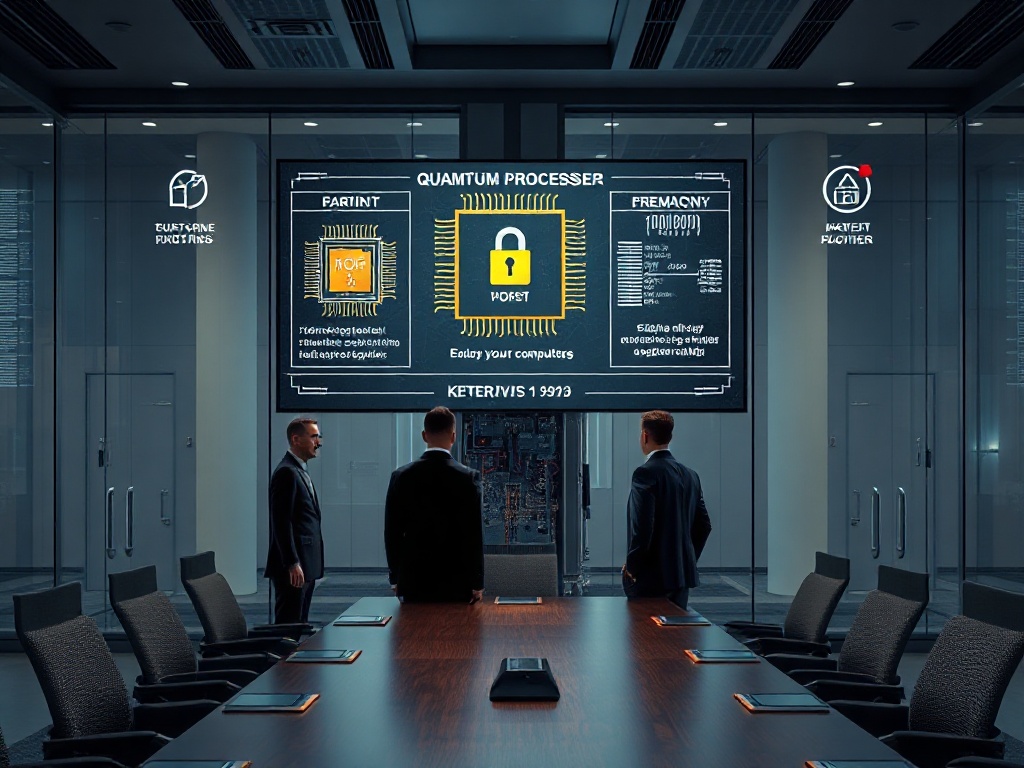
Why Quantum Computing Is No Longer Just a Promise and Nobody Is Ready Yet
There is an enormous gap between knowing that something will change everything and actually moving as if that were true. Quantum computing has spent decades living in that limbo: real enough to appear in research budgets, distant enough not to disrupt any operational routine. That limbo is closing, and the majority organizational response remains the same as it was at the beginning: wait.
Andrés Molina9 min
Adobe Loses Its CFO and Analysts Jump Ship at the Same Time
When a tech company of Adobe's scale reports record quarterly revenue of $6.6 billion and its stock still drops more than 6% in pre-market trading, the signal is clear: the market has stopped reading the income statement and started reading something else. Two simultaneous departures at the executive level, a growth promise paid for with less revenue now, and three Wall Street analyst firms that, within hours, shift their stance from buy to hold. That's not noise. It's a thesis reset.
 Javier Ocaña8 min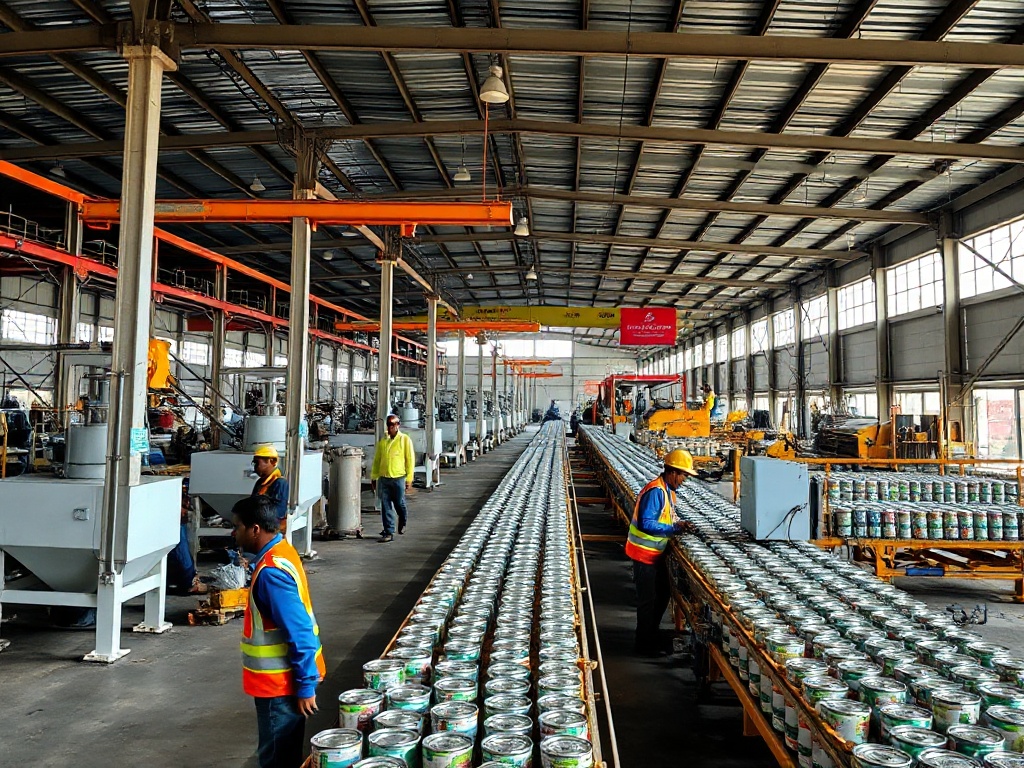
Nippon Paint Bets on Bengal and Reveals the Real Mechanics of Its India Expansion
When a multinational announces plans to grow from seven to fifteen factories in three years, the relevant question isn't whether it has the capital to do so. It's why now, in that specific geography, and what incentive structure sustains that speed. Nippon Paint India has operated in the country for decades, but until barely a year ago its presence in the decorative segment was confined to southern India.
 Martín Soler8 min
When Destroying What Works Is Not Strategy But a Sign of Something Deeper
There is a moment in any organizational change where the messenger becomes the message. At CBS News, that moment arrived when Scott Pelley—a veteran of decades on America's most-watched news program—was fired days after publicly questioning whether the new executive producer of 60 Minutes had sufficient credentials to lead the show. The incident was not merely a clash of personalities: it was the kind of rupture that clearly reveals the power architecture behind a transformation and, more importantly, its real costs.
Francisco Torres8 min
Why FIFA Turned a Hydration Break Into Guaranteed Advertising Inventory
The most profitable decision in world football in 2026 didn't come in the form of a new broadcast rights deal or an expansion of sponsors. It arrived disguised as concern for player health: three minutes of mandatory break in each half of the 104 matches of the World Cup, regardless of whether the stadium has a roof, air conditioning, or a temperature of 18 degrees Celsius. FIFA announced it last December. Three months later, it confirmed that broadcasters could sell advertising during those breaks.
 Sofía Valenzuela8 min