What the numbers say before the market admits it
We read balance sheets, multiples, credit, and capital allocation to spot where the public narrative no longer matches the financial structure carrying a company or a sector.
What we are watching
Quarterly results, debt, private credit, turnarounds, stretched valuations, and corporate moves where the relevant fact is rarely the most repeated headline.
Where it is being decided
In liquidity, exposure, concentration of profits, the ability to finance a recovery, and the distance between a seductive story and the patience capital is actually willing to show.
Why it matters
Because finance does not just describe the past. It also shows how much room a company still has to keep promising, correcting, or holding the line before the market demands something else.
Featured
Finance
ICE-OKX Move: Not Buying Crypto, but Distributing Regulated Market Access 24/7
ICE is not entering crypto as a trend; it's acquiring access to 120 million screens and converting spot prices into a regulated product.
 Tomás Rivera6 min
Latest articles
Kalshi and the Operational Limits of Prediction Markets: When the Product Becomes Regulation
The controversy surrounding contracts related to Iranian leadership revealed an uncomfortable truth: in prediction markets, legal text is now part of the product itself.
The IEEPA Tariff Refund is Not Just a Technicality: It's a Shift in Commercial Risk Management
When a court orders Customs to calculate refunds with interest for millions of shipments, the message goes beyond accounting; it shifts the commercial risk landscape.
Zero Bids in Cook Inlet: When the Market Disconnects from Mandates and Exposes Strategic Fragility
More than 1 million acres in federal auction in Alaska and no bids: this reflects capital allocation risks the sector is unwilling to take, even with Brent at $82.38.
China Lowers Growth Target to Shield Its Economy: The Real Cost of Prioritizing Security
The 15th Five-Year Plan heralds a China less obsessed with maximizing GDP and more focused on weathering external shocks. The issue isn't the shift; it's who bears the cost during this transition while markets question the fiscal promise.
Most Popular
Most voted on this page
The IEEPA Tariff Refund is Not Just a Technicality: It's a Shift in Commercial Risk Management
When a court orders Customs to calculate refunds with interest for millions of shipments, the message goes beyond accounting; it shifts the commercial risk landscape.
94
Intel Foundry and the 2027 Arithmetic: Breakeven Depends on Utilization, Not Heroics
Intel aims for operational breakeven in its foundry by 2027, focusing on efficient utilization rather than aggressive market capture.
92
The Acquisition of Saxo: A Technological Scale Play Funded by Customers
J. Safra Sarasin acquired 71% of Saxo Bank, pushing combined assets above USD 460 billion. The real asset is the ability to leverage technology across a large customer base.
92
The Twitter Trial Exposes Financial Risks of Speaking as if the Market Doesn't Exist
Elon Musk's upcoming testimony in a federal trial raises critical questions about market credibility and the cost of communications in finance.
91
The New Size of Crypto Money: Why a16z Lowers Its Fund to $2 Billion and Raises the Demands for Real Products
Andreessen Horowitz aims to raise around $2 billion for its fifth crypto fund amidst a market correction, signaling a shift towards utility-driven products.
Ooma Ends the Year with Cash and Margin: A Signal Many SMEs Underestimate When Choosing Cloud Communications
Ooma exceeded expectations with an EPS of $0.34 and $74.6M in revenue for its Q4 2026. The key takeaway for SMEs is its record EBITDA margin and cash flow.

Intel Foundry and the 2027 Arithmetic: Breakeven Depends on Utilization, Not Heroics
Intel aims for operational breakeven in its foundry by 2027, focusing on efficient utilization rather than aggressive market capture.
Vistry Separates Power to Survive Shift to Social Housing
The departure of Greg Fitzgerald is not a personal drama but a governance overhaul as Vistry pivots towards social housing, betting on volume and cash flow.
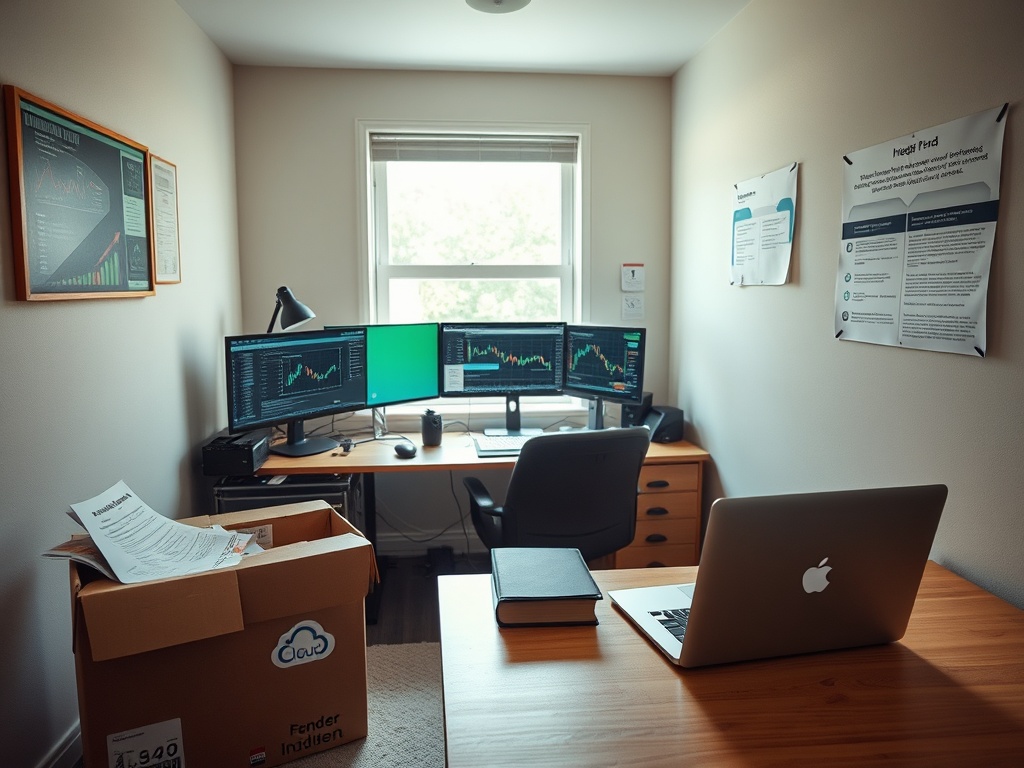
The Office-less Hedge Fund: When Outsourcing Everything Becomes a Test of Character
The new wave of 'lean' launches in hedge funds isn't just about technology; it’s about governance, shifting operational risks to external functions.
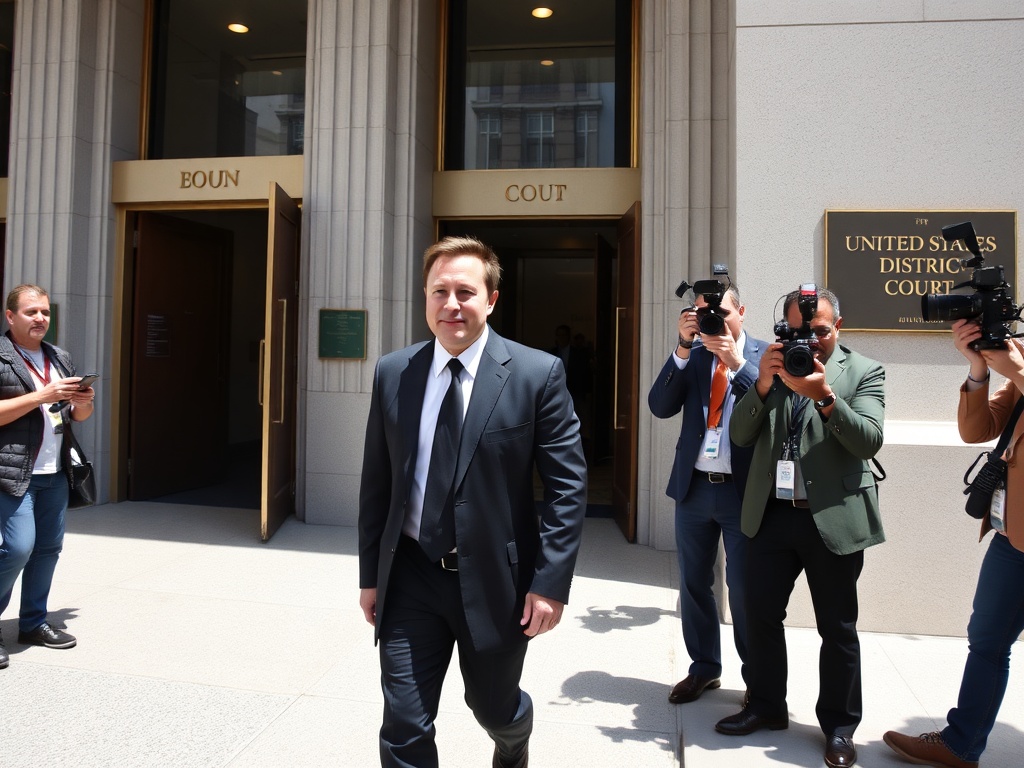
The Twitter Trial Exposes Financial Risks of Speaking as if the Market Doesn't Exist
Elon Musk's upcoming testimony in a federal trial raises critical questions about market credibility and the cost of communications in finance.
 Francisco Torres6 min
ARQ and the New Race for the ‘Digital Dollar’ in LatAm: When Exchange Rates Become a Product
Sequoia Capital and Founders Fund leading a $70 million round signals a shift in currency exchange from banking privilege to software solutions.
 Elena Costa6 min
Hasbro's Refund Demand Reveals the Silent Financial Fragility of Thousands of Importers
Hasbro's legal battle over tariffs illustrates the precarious financial state of thousands of SMEs through forced liquidity transfers and operational dependencies.
 Camila Rojas6 min
Hormuz as Structural Risk Premium: The Day Markets Reevaluated Energy Fragility
The closure of the Strait of Hormuz didn't just spike oil prices; it forced markets to reprice the global supply chain as perpetually threatened.
 Gabriel Paz6 min
Deepfake as an Operational Cost: How SMEs Lose Financial Control When the CEO's Voice Is No Longer Proof
Deepfake fraud can turn a seemingly legitimate instruction into a real loss. For an SME, defending against it requires reviewing how payments are authorized, separating duties, and demanding evidence independent of the voice or image of the person issuing the order.
 Javier Ocaña6 min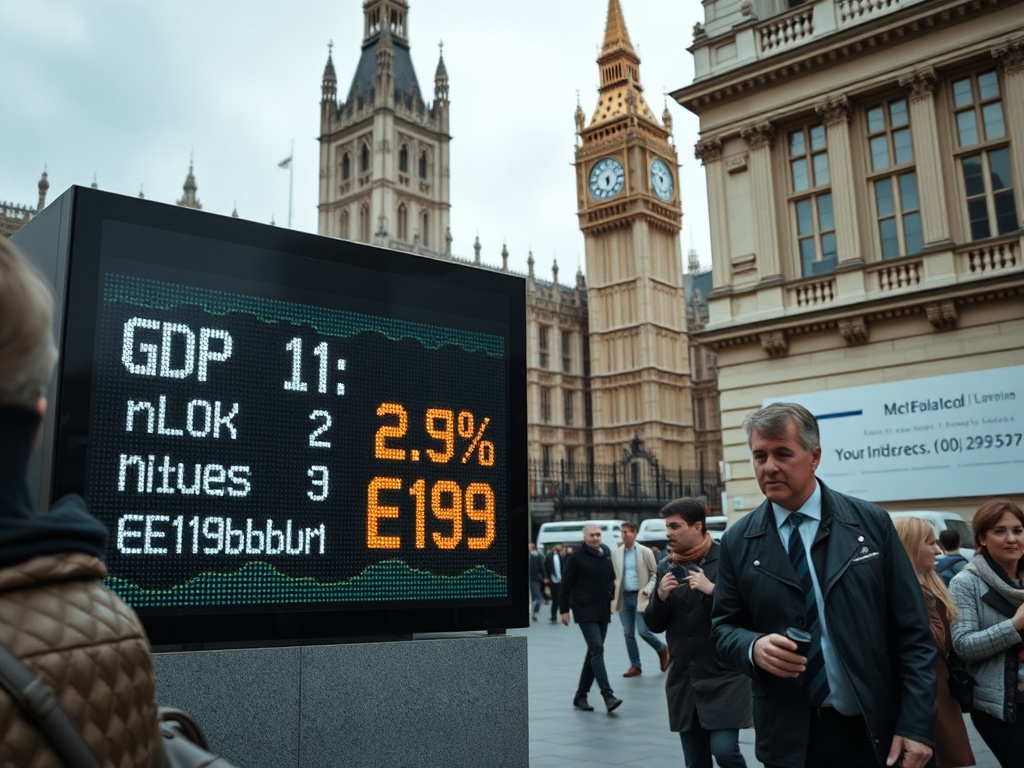
UK Spring Statement Confirms 'Budget on Airplane Mode' Strategy: Stability for Markets, Silent Pressure for Businesses
The UK utilized the Spring Statement to update forecasts and avoid loud announcements. The message for CFOs and investors is clear: fewer fiscal surprises, low growth, and rising debt costs.
 Mateo Vargas6 min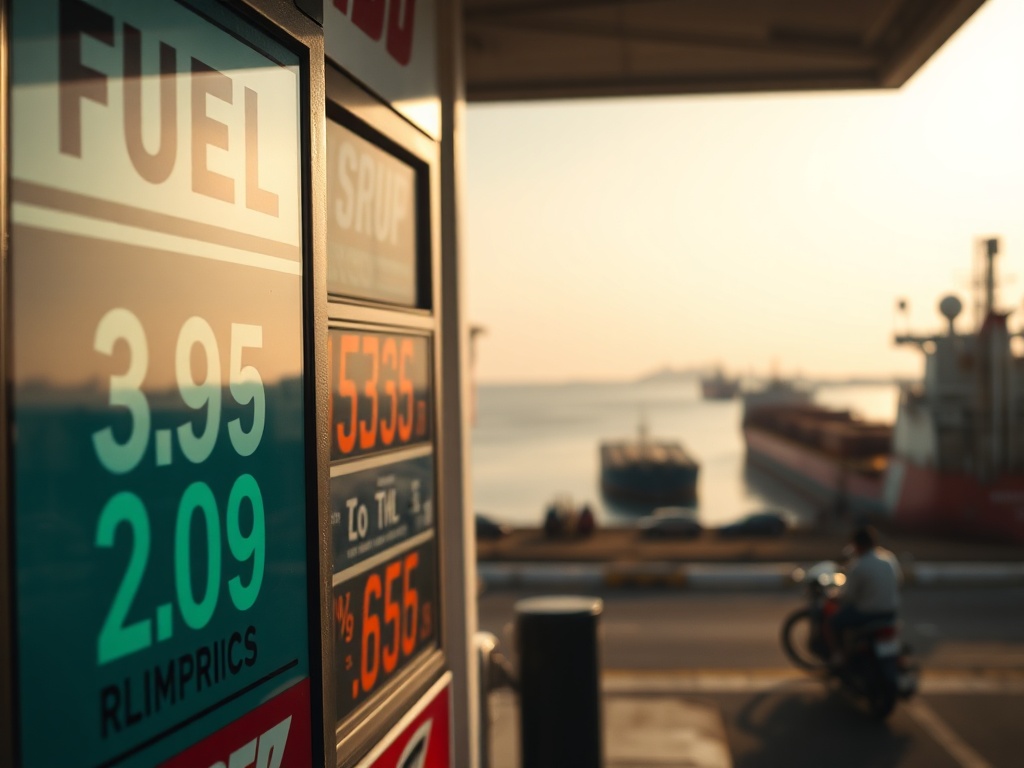
The Strait of Hormuz: The Hidden Cost of Fuel and Geopolitical Risk Management
A conflict between the U.S. and Iran would not only shift oil prices; it would also revalue energy resilience as a financial asset.
Gabriel Paz6 min
The Acquisition of Saxo: A Technological Scale Play Funded by Customers
J. Safra Sarasin acquired 71% of Saxo Bank, pushing combined assets above USD 460 billion. The real asset is the ability to leverage technology across a large customer base.
Javier Ocaña6 min
MiniMax Reports 159% Growth but Lacks Proof of Operational Profitability
MiniMax demonstrated real efficiency gains in 2025 with increased revenue and improved margins, yet its reliance on R&D funding raises questions about sustainability.
Francisco Torres6 min
Dubai Uncovers the Hidden Cost of Being a "Haven": When Security Becomes Part of the Business Model
The recent missile attacks on Dubai have exposed a crucial vulnerability: trust. As the city markets itself as a global refuge, geopolitical risk now becomes a significant concern.
 Ricardo Mendieta6 min
When War Becomes a Bet: The Market Compressing Geopolitics into Prices
Polymarket moved $529 million betting on the date of an attack on Iran. The volume not only reveals risk appetite but a new kind of financial infrastructure.
Gabriel Paz6 min
The Real Business Behind Solar Grants in the UK: Who Captures Value When the State Pays for Roofs
In 2026, the debate on solar panels in the UK revolves around incentive design more than technology. ECO4 and the Warm Homes Plan shift who pays, decides, and monetizes energy savings.
 Martín Soler7 min
India's GST Confirms Real Fiscal Momentum: More Trade, Increased Returns, and a Redefined Revenue Ceiling
A 7.9% rise in GST revenue for February reveals much about trade growth and operational maturity within India’s tax system, despite increasing returns.
Francisco Torres6 min
Not Releasing Strategic Reserves Amid Tensions with Iran: A Gamble on Costs
With the Strait of Hormuz as a bottleneck and OPEC+'s idle capacity concentrated in a few nations, the U.S. decision to not tap into the Strategic Petroleum Reserve shifts risk onto consumers and supply chains.
Martín Soler6 min