
Varaha and the Agricultural Carbon Market: Where the Money Is and Where the Friction Lies
When a startup founded in 2022 already operates in five countries, generates revenues exceeding 100 million rupees, and sells carbon credits to Google, Microsoft, and Nestlé, the first thing an analyst does is separate the narrative from the mechanism. The story of Varaha, winner of the ET Startup Award 2026 in the Social Enterprise category, has the ingredients of a clean case study: measurable impact, top-tier clients, accelerated revenue growth. But it also has the architecture of a business where product integrity depends on variables that never appear in the deck.
The voluntary carbon market has had a decade of promises and half a decade of scandal. Discredited REDD+ projects, forest offset credits that turned out to offset nothing, measurement methodologies that no one could independently audit. In that context, what Varaha is building is not just a network of farmers: it is a trust argument for corporates that need to demonstrate progress on their climate commitments and cannot afford another headline about greenwashing. That is the product they are really buying.
The Implicit Price of Certainty
Varaha generated ₹105.2 crore in revenue in fiscal year 2026, nearly double the ₹51.7 crore of the previous year. Net profit rose from ₹1.1 crore to ₹1.8 crore. These are figures that show modest but growing operating leverage, in a business where the costs of measuring, verifying, and registering credits are structurally high. The company has raised more than ₹700 crore in funding and is valued at ₹2,085 crore. Its target for fiscal year 2027 is to more than double revenues to ₹224 crore, supported by long-term sales agreements already signed.
What that financial picture reveals, more than nominal growth, is the nature of the product being sold. A carbon credit has no fixed price. Its value depends almost entirely on the methodology with which it was measured, the standard under which it was registered, and the credibility of the developer that backs it. Varaha works with Puro.earth, Isometric, Verra, Gold Standard, and Carbon Standards International, which diversifies the risk of methodological concentration. But the operational question that matters most to the corporate buyer is more granular: can you demonstrate that the carbon you sold yesterday is still being captured today?
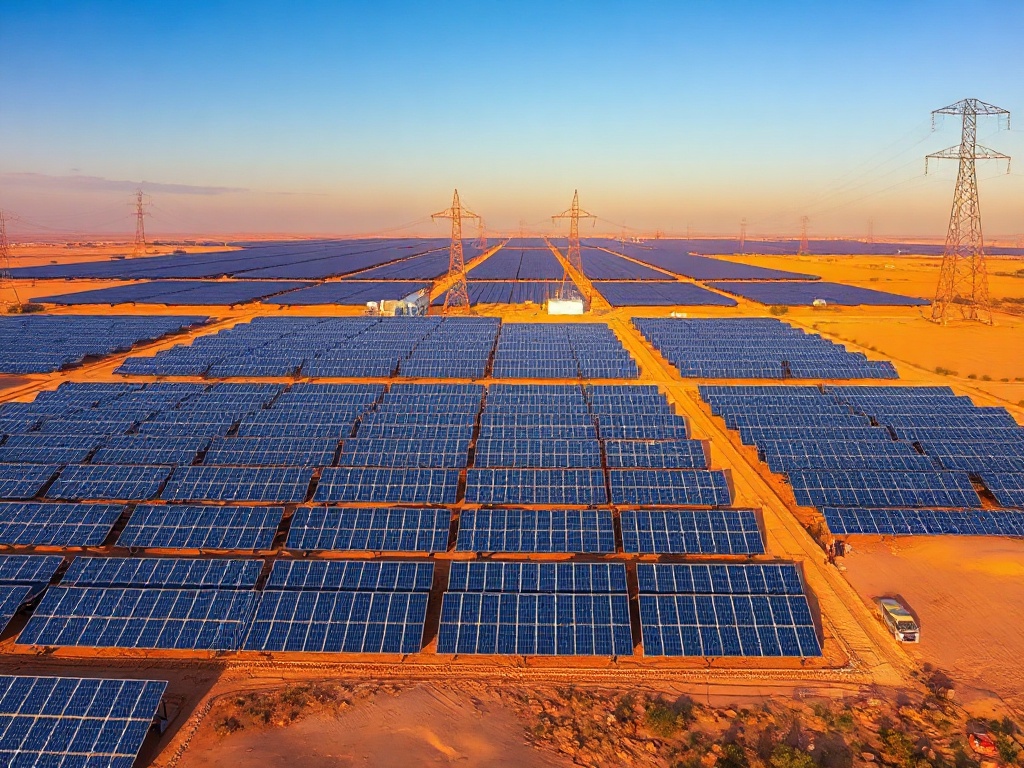
That is where the AI-based measurement technology and satellite data that the company uses to monitor millions of fragmented plots comes in. That technological layer is not just internal infrastructure: it is the certainty argument that transforms Varaha into something different from an aggregator of rural promises. And it is, at the same time, the most difficult component to audit from the outside. In the voluntary carbon market, MRV — measurement, reporting, and verification — is both the product and the bottleneck. If that technology works at the scale the company claims, the margin for expansion is enormous. If it has methodological flaws that have not yet surfaced, the reputational risk for its corporate clients is proportional to the size of their commitments.
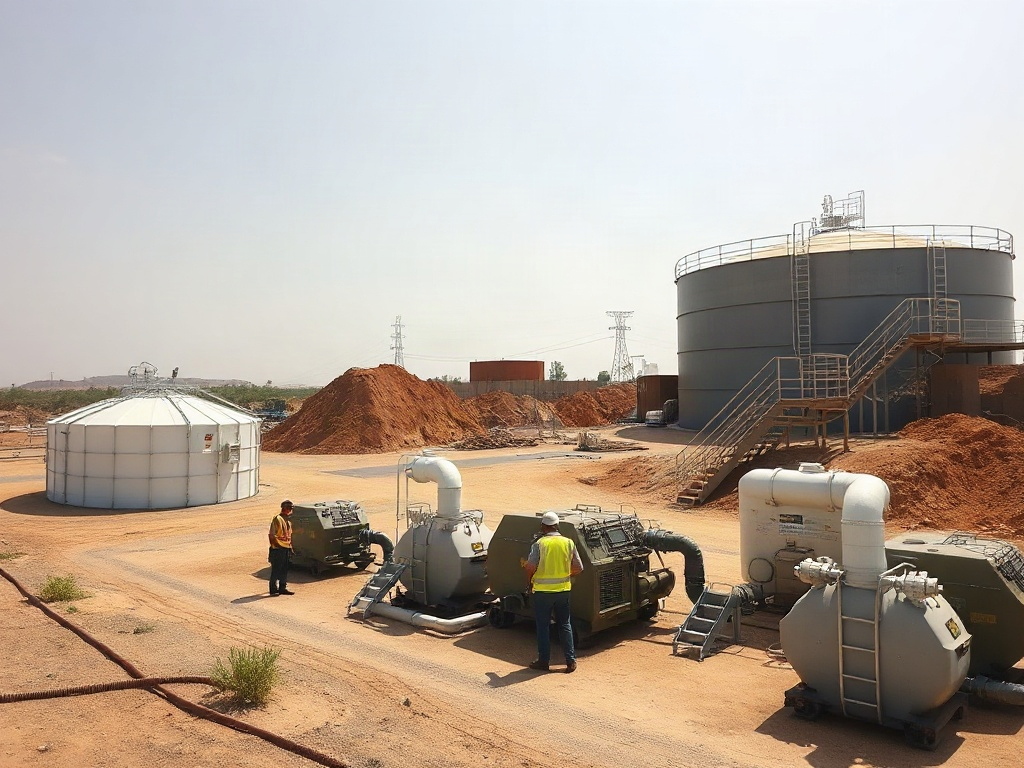
Microsoft signed an agreement with Varaha to acquire more than 100,000 tonnes of CO₂ removal credits over three years, focused on biochar from cotton waste in Maharashtra, involving tens of thousands of smallholder farmers. This is not a trivial bet for either party. For Microsoft, it means placing that volume of credits into its public climate accounting. For Varaha, it means consistent delivery of verifiable product under real field conditions, with farmers who depend on the income but operate in a volatile agroclimatic environment.
The Incentive Asymmetry the Model Resolves and the One It Has Not Yet
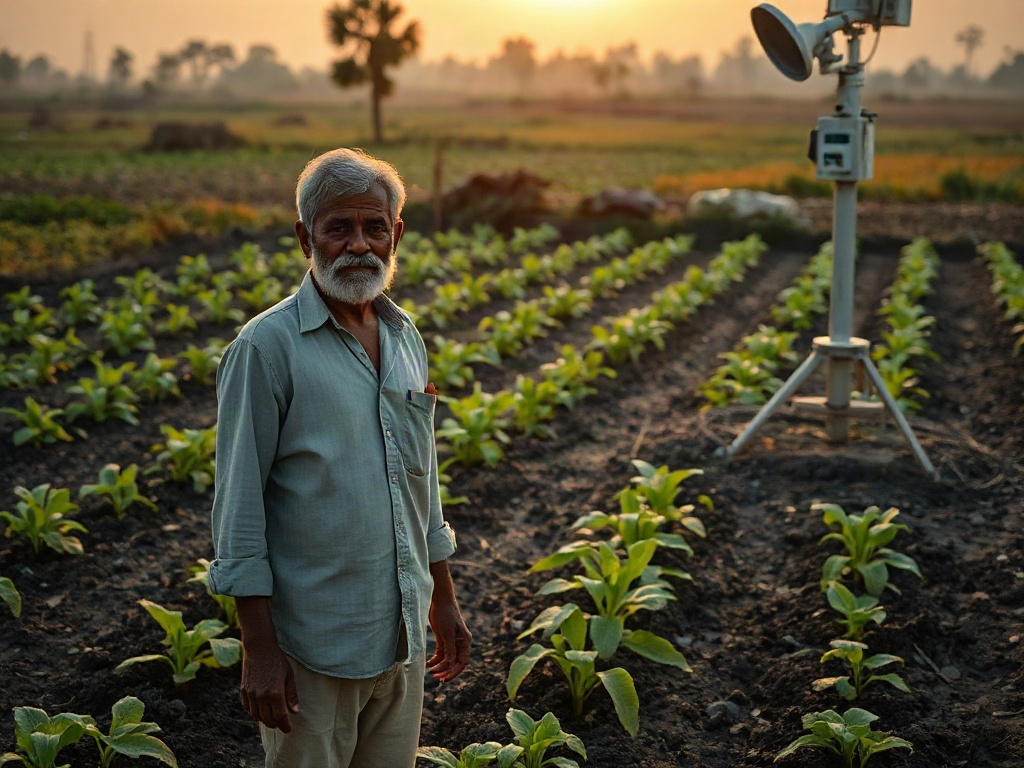
The Varaha case has an incentive architecture that, on paper, is better designed than the majority of agricultural carbon projects that existed ten years ago. According to independent analyses of the model, approximately 60 to 65 percent of carbon credit revenue in agricultural projects goes directly to the farmers. Varaha retains between 20 and 25 percent, and the rest goes to local partners. That resolves the historic structural problem of the rural carbon market: that farmers bore the costs of adopting new practices without receiving a proportional share of the value generated.
The artisanal biochar projects have already distributed more than four million dollars to farmers and generated more than 2,600 ancillary jobs. Those numbers are concrete and traceable. The conservation of 2.4 million litres of water and the sequestration of more than two million tonnes of CO₂ equivalent are more difficult to verify from the outside, but they are the data that corporate buyers are paying to have verified.
The asymmetry that the model has not yet clearly resolved is that of permanence risk. Biochar has high durability. Regenerative agriculture and afforestation, much less so. If a farmer adopts soil carbon capture practices and then, due to a poor season or a change in input prices, reverts to conventional practices, the committed carbon may not be permanent. The market has buffer mechanisms — credit reserves that absorb reversals — but the scale of 200,000 farmers across five countries, many operating in contexts of high climatic and economic vulnerability, means that reversal risk is not theoretical.
The geography of the portfolio amplifies this issue. India, Nepal, Bangladesh, Kenya, and Côte d'Ivoire have radically different risk profiles in terms of political stability, agronomic data infrastructure, and local oversight capacity. The claim that the company operates profitably in all these markets simultaneously, with satellite technology as the backbone, is something the market is buying today. The track record of credits issued versus credits invalidated or challenged over the next two or three years will be the evidence that determines whether that price of certainty was well calibrated.
What the Recognition Does Not Measure and the Market Does
The ET Startup Award is a signal of institutional validation, not a commercial audit. It has value for positioning and for the capital-raising process, but it does not resolve the questions that a long-term credit buyer or a Series C investor needs to answer before committing volume.
The first is that of revenue recurrence. Varaha projects more than doubling its billing in fiscal year 2027, supported by long-term sales agreements. That implies higher revenue visibility than is typical for a carbon project developer selling credits on the spot market. If those contracts have fixed-price and verified-delivery clauses, the financial predictability is substantial. If they are framework agreements with volume flexibility, the execution risk falls on Varaha's capacity to maintain the pace of issuance of verified credits at the rate the contracts require.
The second is that of customer concentration. Microsoft, Google, Nestlé, and JPMorgan in the same buyer portfolio is a signal of market access, but it also implies that Varaha's reputation is tied to that of its buyers and vice versa. Regulatory scrutiny of carbon credits used by any of those clients — a growing trend in Europe and in the ESG reporting market in the United States — can generate pressure on the methodology used by the supplier, even if that methodology is sound.
The third, and most silent, is that of the transition cost borne by farmers. Adopting regenerative practices or biochar has real transition costs: time, knowledge, different inputs, perceived risk. Varaha intermediates that cost with carbon revenues, but the sustainability of the model depends on those revenues being sufficiently consistent and timely so that the farmer does not abandon the practices before the project matures. With ₹700 crore raised and modest but positive profitability, the company has capital to absorb operational volatility in the short term. The question is whether that capital is sufficient to scale from 200,000 to several million farmers without the per-unit onboarding and verification costs beginning to erode the margin structure the model currently shows.
The Variable the Carbon Market Has Not Yet Resolved
The true strategic asset of Varaha is not the network of farmers nor the contracts with top-tier corporates. It is the data layer. Four years of satellite measurement and AI modelling across millions of fragmented hectares in Asia and Africa generate a knowledge asset about soils, practices, and carbon cycles that has no established market price yet, but that has an evident differential value compared to competitors attempting to scale the same model from scratch.
The problem is that this asset is also the least transparent part of the business from the outside. Carbon credit verification standards are improving, and entities like Isometric are pushing towards more rigorous and auditable methodologies. If Varaha can align its data infrastructure with the emerging higher-demand standards, it converts that technological layer into a barrier to entry. If the standards evolve in a direction that its current model cannot follow without significant investment in recalibration, that advantage becomes a risk of methodological obsolescence.
The voluntary carbon market is at an inflection point between the first era — cheap credits, weak methodologies, undemanding buyers — and a second era where corporate climate commitments are subject to real regulatory scrutiny and credits need to withstand rigorous external audits. Varaha is building for that second era, and its revenue model with smallholder farmers in the Global South is exactly the type of project that the international climate narrative needs to work.
What makes this case commercially interesting, beyond the recognition, is that the company is already profitable with positive margins in a market that has historically burned capital without reaching that line. That does not guarantee that the model will scale without friction, but it does indicate that the revenue architecture has its own internal logic beyond external funding. The growth from ₹51.7 crore to ₹105.2 crore in a single year, sustained by real contracts with real buyers who need the credits for binding public reports, is the most sober and most solid commercial signal the case has to offer. The rest is execution at scale, and that is always the part that awards cannot measure.