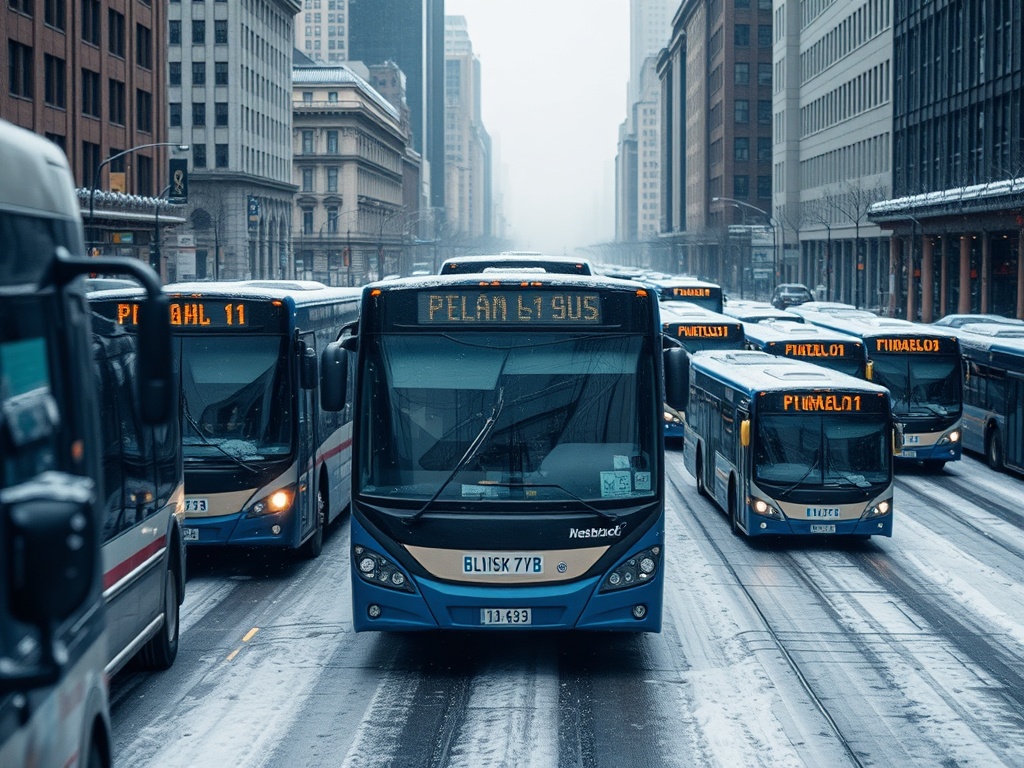

In a context of increasing pressure to adopt sustainable technologies, the recent failure of a fleet of electric buses in a state considered a progressive stronghold in the U.S. raises a critical question: are we truly prepared to face the operational challenges of green innovations, or are we pushing these transitions prematurely? This story goes beyond the sensational headlines and delves into the essence of how we must rethink sustainable implementation for the future.
The report highlights that a costly $8 million investment in an electric bus fleet proved inadequate against harsh winter conditions, freezing operations and transforming what should have been an ecological triumph into a public embarrassment. While the push for sustainable transportation is commendable, this situation calls into question the Value Equation that underpins its sale: the perceived certainty of achieving the desired outcome versus the effort required to get there.
Certainty and Preparation: Where Did We Go Wrong?
The first capital sin here may be the perceived certainty that sustainable solutions are prepared for any challenge. This case delivers a crucial lesson for entrepreneurs and leaders: any product or solution that aims to revolutionize an industry must be exhaustively validated in the environment it will face. When we promise radical changes, it is essential that the tests are equally radical. Are we testing these technologies in the most extreme possible conditions, or are we merely trusting ideal scenarios?
Going back to the fundamentals of designing high-value offerings, successful sales must guarantee flawless performance without additional effort from the customer. The promise of green transportation crumbles if it literally freezes on the road.
Sustainability Also Means Economics
True sustainability transcends mere ecological symbolism. It must be a robust economic strategy that supports not only immediate margins but also future ones. Electric buses, while saving on fuel, require advanced technology and specialized maintenance that can inflate costs if not managed properly.
Here, the strategic question is: how do we integrate all stakeholders into this transition? A project of this magnitude needs a support infrastructure that includes everything from design to community integration.
Lessons and Reflections for the Future
As we approach sustainability, we must learn to balance the technical with the practical, ensuring that solutions are not only innovative but also effectively functional and economically viable in all possible operational scenarios. This incident is a wake-up call for any business embarking on a green transformation: the responsibility rests on anticipating challenges before making multimillion-dollar decisions.
Finally, a rhetorical question that every C-Level executive should ask themselves is: Is your offering so well-designed that it inspires absolute confidence even in the coldest climates, or does it succumb to the first cold front it encounters?