
Made By Us Studios Bets on a Creator Economy That No Longer Admits Intermediaries
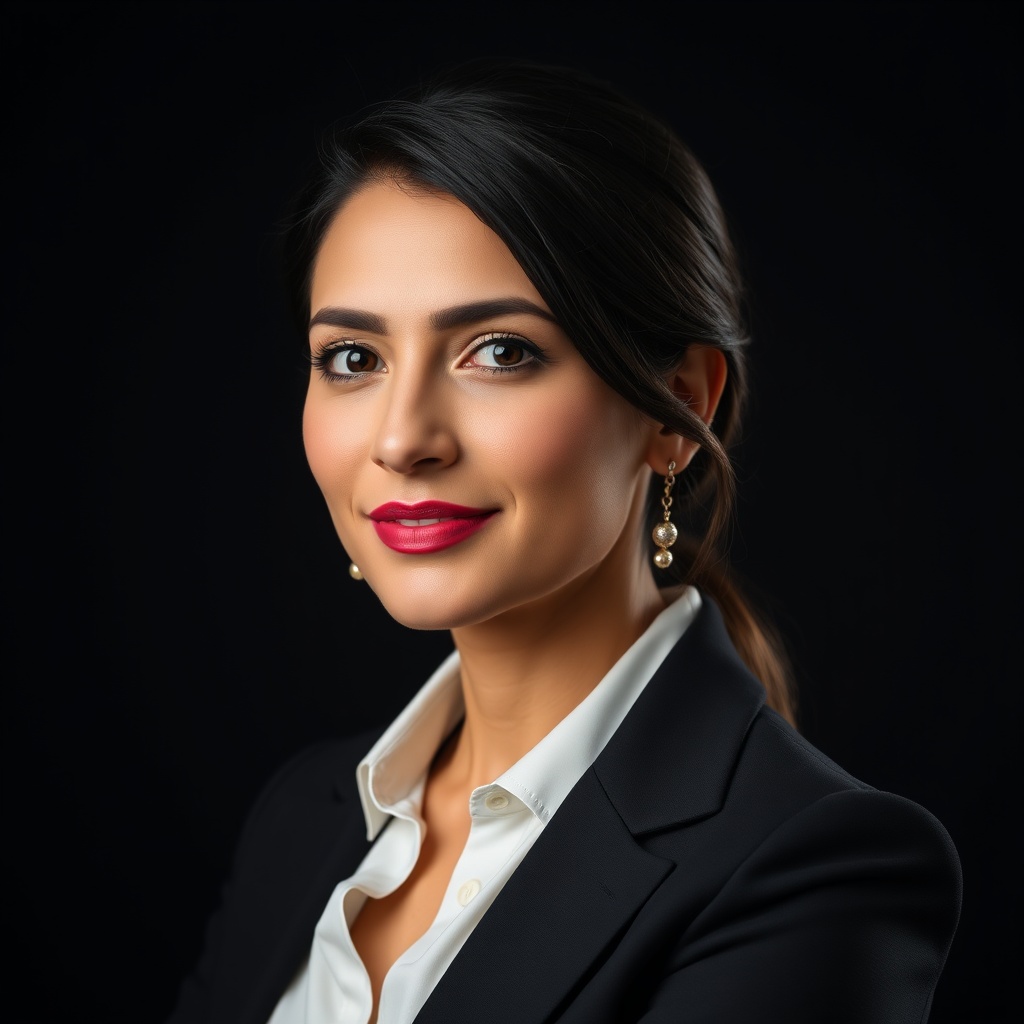
Last week, Made By All — a digital management firm with access to a network of creators that together account for more than 1.5 billion combined followers — announced the launch of Made By Us Studios, a production studio designed to operate within the creator economy with Hollywood-level infrastructure. It named Tanya Cohen as co-CEO, a former partner at Range Media Partners and former agent at WME, where she was the youngest partner in the agency's history. The move is not simply a corporate name change. It is a statement about how the next ten years of entertainment are going to be organized, and the adoption psychology underlying that statement deserves far more scrutiny than it receives in press releases.
The studio's central proposition is this: creators are no longer talent available for others to shape. They are, simultaneously, the studio, the distribution, the audience, and the IP. Made By Us Studios wants to be the structure that allows them to operate as what they already are, rather than asking them to adapt to models designed for a different era.
The Friction That Nobody Named in the Announcement
The corporate press releases surrounding this launch share a predictable pattern: they talk about the change that is taking place, about the scale of the market — $250 billion in the global creator economy — about the talent joining the structure. What they do not name is the real friction that this model has to resolve in order to function.
Leanne Perice, co-CEO, articulated the thesis with clarity: "Creators are the studios, the distribution, the audience, and the next movie stars." The phrase is precise as a description of market power. But as a description of behavior, it omits something. A creator who has accumulated millions of followers on TikTok or YouTube did not build that position by thinking like a studio. They built that reach by operating within cycles of immediate feedback: publish, measure, adjust, repeat. The production cadence of long-form content made to Hollywood standards is radically different: pre-production, financing, waiting periods, editing, deferred distribution. That leap is not merely operational. It is cognitive.
The question that Made By Us Studios' model has to answer is not whether creators can make television or film. Some already do. The question is whether the majority of them can tolerate the time interval between production and feedback that this format implies. The cognitive habits that built their audiences — speed, short cycles, direct audience response — are precisely the ones that the Hollywood format interrupts. And the entertainment industry has accumulated decades of evidence about how many extraordinary talents in their native media fail to sustain that transition.
This does not invalidate the model. What it does is signal that the most valuable asset of Made By Us Studios is not its network or its infrastructure. It is its capacity to manage that friction without creators perceiving it as a loss of control, because the moment they do, resistance will operate silently before anyone has named it.
Why Cohen Matters Beyond the Résumé
The appointment of Tanya Cohen has a logic that goes beyond the press profile. Cohen built her career at WME and Range Media Partners working on what she herself describes as "integrated models across representation, production, and ownership." That phrase describes precisely the problem that Made By Us Studios has to solve: creators have historically surrendered ownership in exchange for access to infrastructure. Cohen arrives with experience in structuring deals that invert that logic.
The most serious friction point in the adoption of production models by creators is not technical or financial. It is about identity. A creator who has operated with total autonomy — publishing what they want, when they want, without answering to a development committee — will evaluate any association with a studio from a question they rarely voice out loud: "Will I still be the one who decides." The answer to that question, more than the contractual terms, determines whether the deal closes or whether the creator signs but begins quietly sabotaging the process from the very first pre-production meeting.
Cohen has the credentials to handle that conversation because she comes from the representation side, not the studio development side. She knows what it means to advocate for talent in the face of institutional structure. That gives her a form of trust capital that can hardly be imported from a traditional development executive. Made By All's decision to place her at the front of the studio is not only about industry relationships. It is about reducing the psychological distance that creators perceive between their own interests and those of the studio representing them.
The statement by Rich Cook, founding partner of Range Media Partners, on her departure is also informative: "She has been a tremendous partner for five years, helping us build and scale our Film and TV division." This is not the departure of someone dispensable. It is the departure of someone who built something of value, and who decides that the next cycle of value lies elsewhere. That also sends a signal to the market about where top-tier executive talent is moving within the industry.
The Model That Challenges the Economics of Distribution
What makes Made By Us Studios structurally distinct — if it executes what it announces — is its position with respect to distribution. The traditional studio model assumes that distribution is the bottleneck: you have to convince a platform or network to bet on your content before it ever reaches an audience. That generates all the power dynamics that creators know well and have historically rejected: a single executive's "no" can bury two years of work.
Made By All arrives with something that traditional studios cannot purchase: a network of creators with more than 1.5 billion followers that constitute, in themselves, a distribution channel. That inverts the sequence entirely. Content does not search for an audience; the audience already exists before the content is produced. And that radically changes the economics of risk for any given project.
In a traditional studio, the question that organizes the entire development process is "who is going to watch this." In Made By Us Studios, that question has an answer before production even begins. This should reduce the cost of capital for each project because distribution risk — historically one of the most expensive components in entertainment — is mitigated from the outset.
The real risk is not in distribution. It lies in whether the type of content that works within that network of pre-existing audiences is compatible with the production standards that justify calling the model "Hollywood-grade." That tension — between what those audiences expect to consume and what a premium production studio wants to produce — is the most delicate point in the model, and there is no way to resolve it in an announcement. It can only be resolved through the first projects.
The Signal This Move Sends to Traditional Representatives
There is something else in this announcement that deserves analysis and that does not appear in the headline: the kind of move Cohen is making reveals something about how high-level representation executives are reading the future of their own business.
An agency or management firm earns by skimming value that others create. Its model depends on creators needing intermediation to access infrastructure — studio, financing, distribution — that they cannot obtain on their own. But as creators accumulate audiences that function as their own distribution, and as platforms like YouTube or TikTok give them direct access to revenue without an intermediary, the value proposition of traditional representation grows thinner.
Cohen did not leave Range to go to another representation firm. She left to build the model that makes traditional representation less necessary. That is what makes her move more relevant as an industry signal than as a personal career decision. Not many executives in her position would have made that choice, and the fact that she did says something about where the real incentives lie within the next phase of the creator economy.
What Made By Us Studios is building — if execution matches design — is a structure where creators do not need to surrender ownership to access production infrastructure, where distribution is integrated into the network from the very beginning, and where representation and production coexist within the same model rather than operating as separate forces negotiating against each other. That is not a variation on the existing model. It is the substitution of several links in the value chain with a single structure that absorbs them all.
The habit that structure has to overcome is not the habit of the market or of technology. It is the cognitive habit of the creators themselves, who for years learned to distrust any structure that promised to give them more while asking them to sign something. Breaking that habit requires less rhetoric about the future of entertainment and more evidence, project by project, that the promised ownership holds up when the incentives of the studio and those of the creator begin to diverge. That moment always comes. The solidity of the model is measured there — not in the launch announcement.