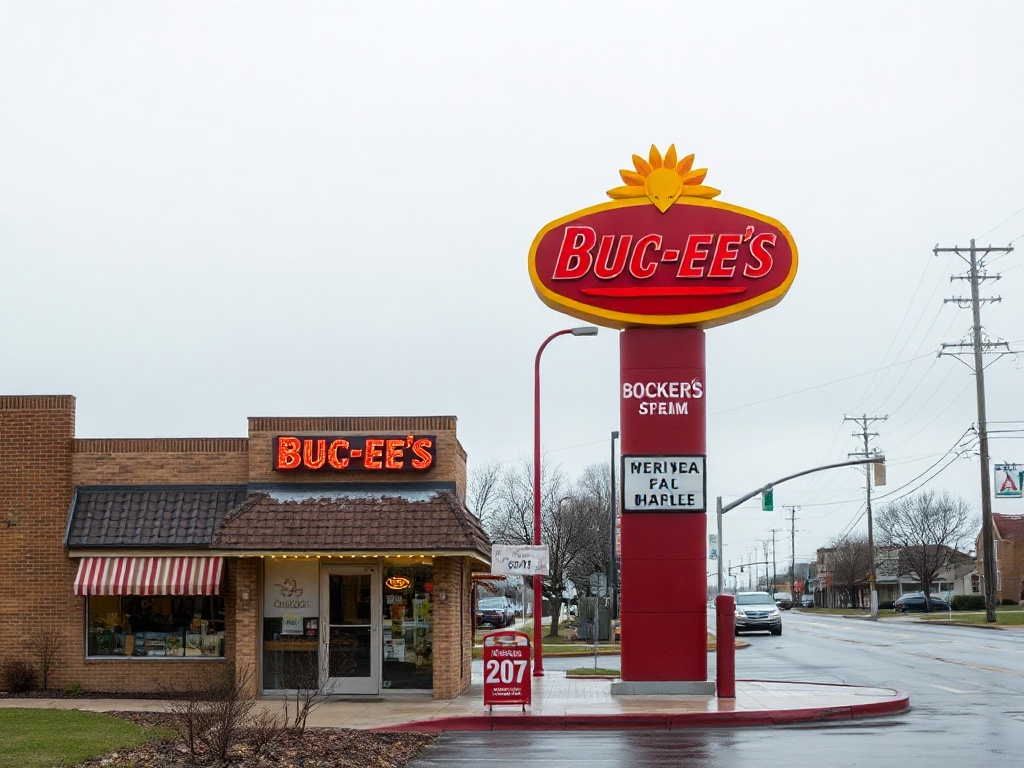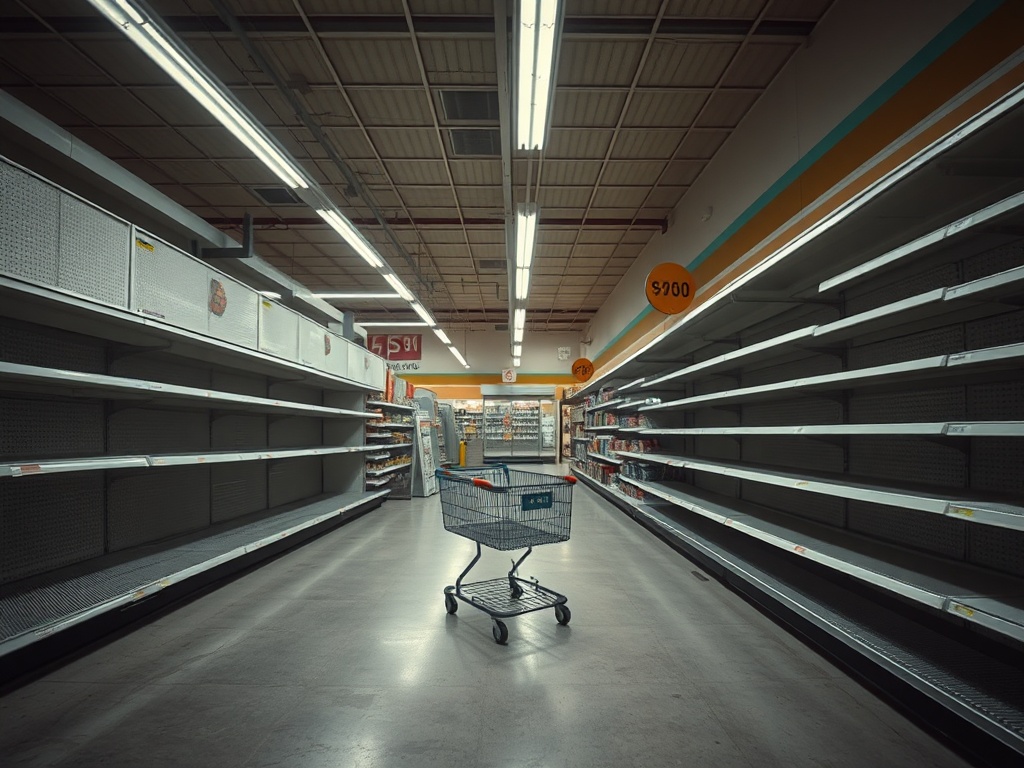

A Century of History Cannot Halt the Closure of Winn-Dixie
There’s something that companies with a century of existence often share: an extraordinary ability to survive crises, wars, recessions, and pandemics, alongside a notable difficulty in overcoming their own strategic inertia. Winn-Dixie, the supermarket chain operating in the U.S. for over a hundred years and historically present in the Southeast, is closing yet another store. This isn't the first of such closures, and given the trajectory it's following, it’s unlikely to be the last.
What’s happening with Winn-Dixie isn’t just a retail anecdote or a simple portfolio adjustment. It’s a visible symptom of a structural problem affecting dozens of traditional supermarket operators: the inability to build an offer that justifies the consumer's choice.
The Trap of Low-Margin Volume
The conventional supermarket business historically operates with net margins between 1% and 3%. This means that every dollar of profit requires moving a substantial volume of merchandise. While that model worked, it was due to physical supermarkets being the only available channel and competition limited to other operators with the same geographical restrictions.
That context has vanished. Today, consumers in Southeast Florida—the natural market for Winn-Dixie—have access to Walmart with its industrial scale pricing, Publix with a notably superior shopping experience, Aldi with an unmatched price-efficiency proposition, and delivery platforms that eliminate the friction of physical movement. When all competitors solve the basic problem of “supplying me,” the battle shifts to who reduces perceived effort more and who delivers greater certainty of outcome.
Winn-Dixie hasn’t won that battle. The store closures are the arithmetic consequence of that defeat, not the cause.
What’s revealing about the pattern followed by the chain is that it's not reinventing stores: it's closing them. That distinction matters. Closing without replacing with a differentiated format is a sign that management still lacks a commercially validated response to the underlying problem. They are reducing exposure to risk but not building the asset that would eventually justify a return to growth.
When Legacy Becomes a Fixed Cost
A hundred years of operation generates two types of assets that exist in permanent tension. On one hand, brand recognition, supplier relationships, and accumulated supply chain knowledge. On the other, heavy physical infrastructure, long-term lease contracts, established labor structures, and above all, an organizational culture that tends to optimize what already exists rather than build what the market demands.
The problem isn’t that Winn-Dixie has history. The problem is that history comes with fixed costs that current cash flow cannot support. Every store operating below the profitability threshold consumes the margin generated by other locations. When this dynamic persists for too long, closure ceases to be a strategic option and becomes an accounting obligation.
This pattern is known and has destroyed value in chains with decades of history across multiple geographies. Sears experienced it on a monumental scale. RadioShack did too. The difference with Winn-Dixie is that the grocery sector has structurally stable demand: people do not stop eating. That means there is room to survive and even thrive, but only if the offer stops competing on the territory where larger operators have an undeniable advantage—the price per volume—and builds differentiation in dimensions where giants are inherently clumsy: proximity, curation of local products, in-store experience, and the certainty that customers will find exactly what they need.
None of these dimensions require being the largest chain. All require the discipline to not attempt to be one.
A Warning Signal for Mid-Size Operators
The case of Winn-Dixie has implications that reach far beyond Florida. For any mid-sized operator in the fast-moving consumer goods sector— including regional chains in Latin America facing the expansion of large retailers and digital platforms—the pattern developing here is a concrete operational warning.
The modern consumer does not penalize high prices by themselves. What they penalize is high prices without certainty of outcome. If I enter a store and don’t find what I’m looking for, if the aisles are poorly organized, if the payment process creates friction, if the experience offers no reason to return other than habit, then any price is too high. And when the corner supermarket competes against an app that delivers in forty minutes without me moving from my sofa, habitual retention as an argument has a very short shelf life.
What mid-sized operators urgently need to build is not a more aggressive pricing strategy. They need an offer architecture that makes the customer feel that choosing them is the obvious decision, not just the fallback option. This entails surgically pinpointing the specific dimension in which they can deliver a result that competitors cannot easily replicate, and then disproportionately investing in that dimension. Not in everything. In that.
Winn-Dixie has a century of customer data, relationships with local producers in the Southeast, and brand recognition that many new operators would pay a fortune to have. The asset exists. The question that management must answer in the coming quarters is whether they are willing to use it to build a truly distinct proposition or whether they will continue to manage the decline with successive closures until the footprint is so small that the decision to exit becomes the only one left on the table.
Size Doesn’t Save Anyone
The structural lesson from this episode is straightforward: the longevity of a company is not evidence that its business model is viable moving forward. It’s evidence that it was viable in the past. These are two completely distinct assertions, and confusing them is one of the costliest mistakes company management can make.
Sustained commercial success is not built on the weight of the past or on the inertia of scale. It is built by minimizing the friction that customers face at every contact point, delivering a certainty of outcome so high that price becomes a non-dominant factor in the purchasing decision, and structuring a proposition where the effort required from the customer is always less than the value they perceive in return. This math knows no exceptions for age.