
Cookies and Social Capital: The Bankruptcy Nobody Saw Coming
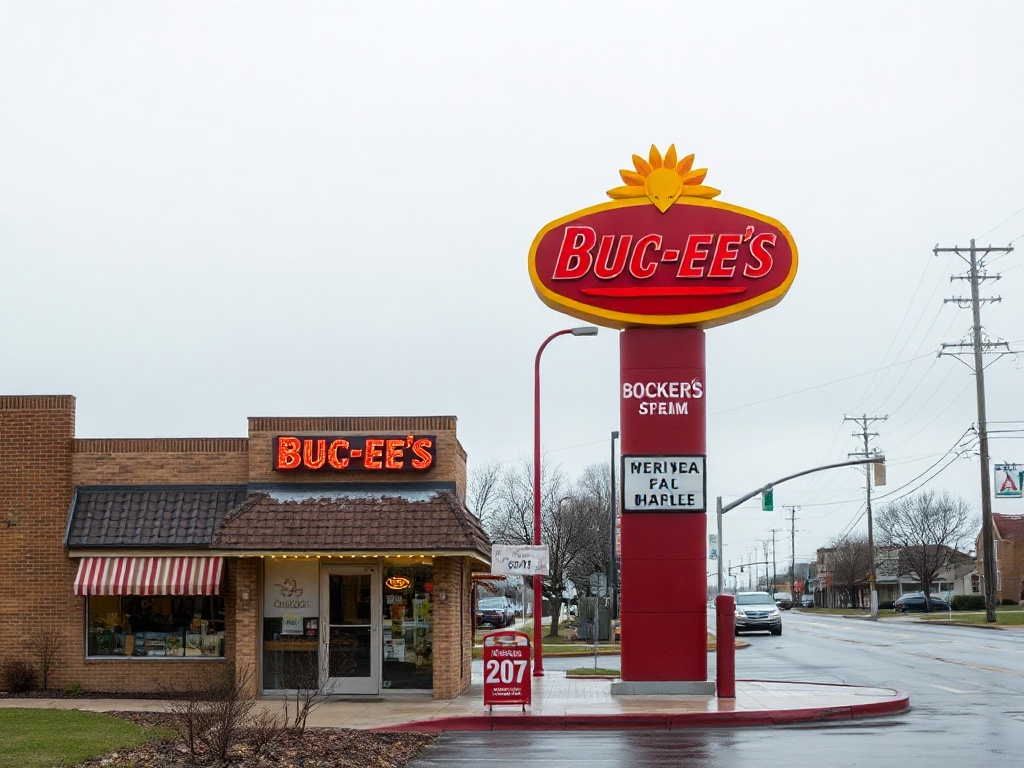
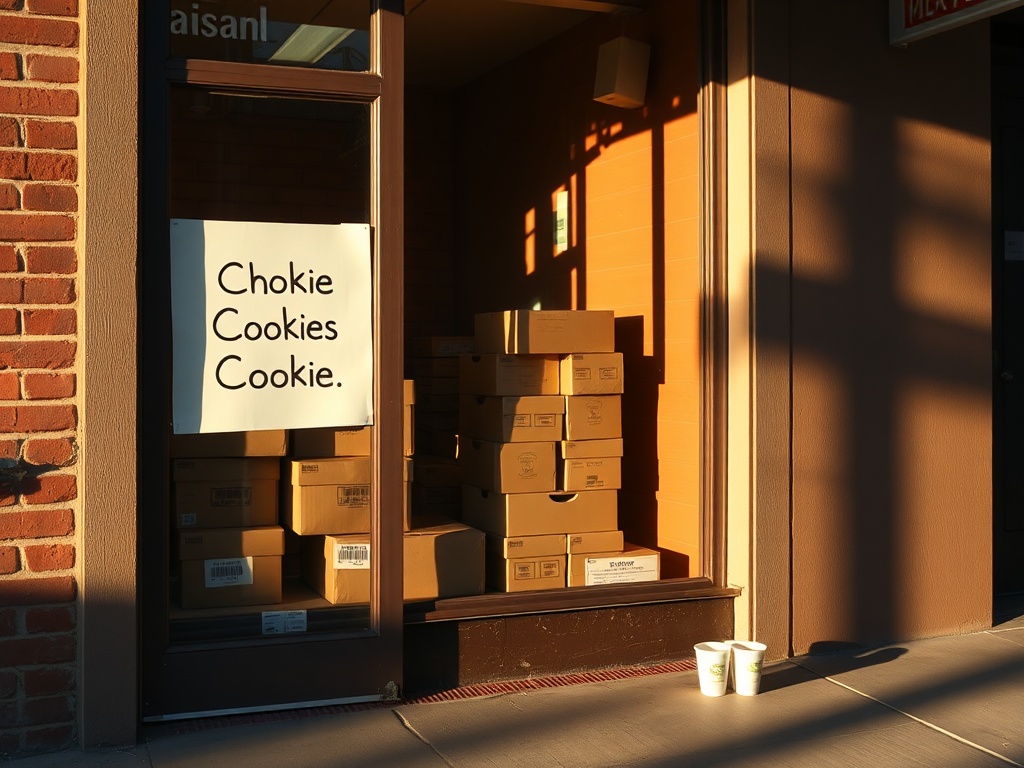
Taylor Chip, the artisanal cookie chain that generated long lines at its locations and genuine loyalty among its customers, has closed all its stores after declaring bankruptcy. The company announced it will continue limited operations through nationwide shipping during its final days, but the physical model—the one that gave it identity and traction—has ceased to exist. For mainstream media, this is a story about pastries and nostalgia. For me, it’s a case study on the fragility that arises when an organization grows without diversifying its collective intelligence.
The news interests me not because of the cookies, but because of the pattern. Each year, dozens of consumer brands with devoted communities and beloved products end up at the same destination. They don’t fail due to a lack of demand. They fail because their internal architecture wasn’t designed to endure the operational complexity they themselves created as they grew.
When the Product Works but the Model Can't Bear the Weight
A brand that gets its customers to queue has solved one of the most difficult challenges in retail: preference. Taylor Chip had achieved this. The problem is that consumer preference doesn’t pay rent for multiple locations, doesn’t absorb payroll costs during a low season, and doesn’t negotiate with suppliers. That task falls to the financial architecture of the business, and this is where most consumer brands with artisanal soul silently falter before the market notices.
The model of multiple physical stores turns each square foot into a fixed cost that bleeds the same in January as it does in December. When an artisanal brand scales under this logic without turning part of that structure into variable revenue—franchises, licenses, distribution channels with different margins—it is constructing a risk exposure that grows more rapidly than its sales. The nationwide shipping channel that Taylor Chip maintains active at its closure is not an elegant exit strategy: it’s evidence that this channel existed as a complement when it should have been, long before, a structural pillar to cushion reliance on foot traffic.
This is not a judgment on the specific management of any individual. It is a diagnosis of how small and medium-sized enterprises (SMEs) that scale rapidly tend to replicate their initial structure without questioning it, because the team that made decisions at the origin remains the same team making decisions at scale. And therein lies the most costly blind spot of all.
Homogeneous Leadership as an Undeclared Risk Factor
SMEs with a strong brand identity often emerge from a highly concentrated vision: one or two individuals with a product they love, a coherent aesthetic, and a responsive community. That concentration is an advantage in the zero stage. It becomes a structural fragility when the organization needs to read signals that are beyond the visual field of its founders.
A homogeneous leadership team—in experience, background, network of contacts, and risk processing—inevitably shares the same blind spots. Not because they are incompetent, but because no group of people with similar backgrounds can anticipate the pressure vectors coming from experiences none of them have lived. Someone who has managed the bankruptcy of a retail business in another industry reads inventory numbers differently. Someone from a regional supply chain understands before anyone else when a supplier is about to break conditions. Someone with experience in low- and middle-income customer communities detects early on when the price of a premium product starts eroding their base.
That intelligence cannot be hired from an external consultant who arrives once a quarter. It is built by incorporating those perspectives into the table where decisions are made on a regular basis. Diversity of thought and background is not a nice-to-have for sustainability reports: it is the mechanism by which an organization can observe what its founders cannot see from within.
The social capital of a company is not measured solely by its followers on social media or the length of its lines. It is measured by the quality and diversity of the networks its leaders can activate when the business enters turbulent waters. A network built solely on similar contacts—same sector, same socioeconomic level, same business vision—is a network that reaffirms existing biases rather than challenging them. When the crisis comes, that network will not provide solutions that the team hasn’t already considered.
What the Shipping Channel Reveals About the Strategy That Wasn’t
The most revealing detail of this case is not the closure. It is that the company maintains its nationwide shipping channel as a last resort. That channel represents exactly what the physical model could not be: potentially variable revenue, without dependence on a geographical location, capable of reaching customers who were never close to any store.
If that channel existed, the strategic question is not why the company went bankrupt. It is why that channel was not scaled much earlier as a deliberate counterbalance to the risks of physical stores. The most likely answer has nothing to do with a lack of technical resources to do so. It has to do with organizations tending to invest in what they already know and what gave them identity. The stores were Taylor Chip’s identity. The shipments were a complement. That hierarchy, taken as an immutable truth by a team that built its identity around physical space, is precisely the type of bias that an external perspective would have questioned with data before the debt forced the issue negatively.
The closure of Taylor Chip is not a tragedy of consumption. It is a manual of what occurs when an organization scales its operation without scaling the diversity of its internal intelligence. The C-Level leaders who read this case from the comfort of their own certainties would do well to look at their own boardroom during the next meeting: if everyone has similar backgrounds, reads the same media, comes from the same sectors, and processes risk under the same historical conditions, they are already constructing their next blind spot. Disruption does not warn. It arrives exactly from the angle that no one in the room was observing.