
The Transformation of McKinney: A Financial Analysis of Avelo Airlines' Expansion
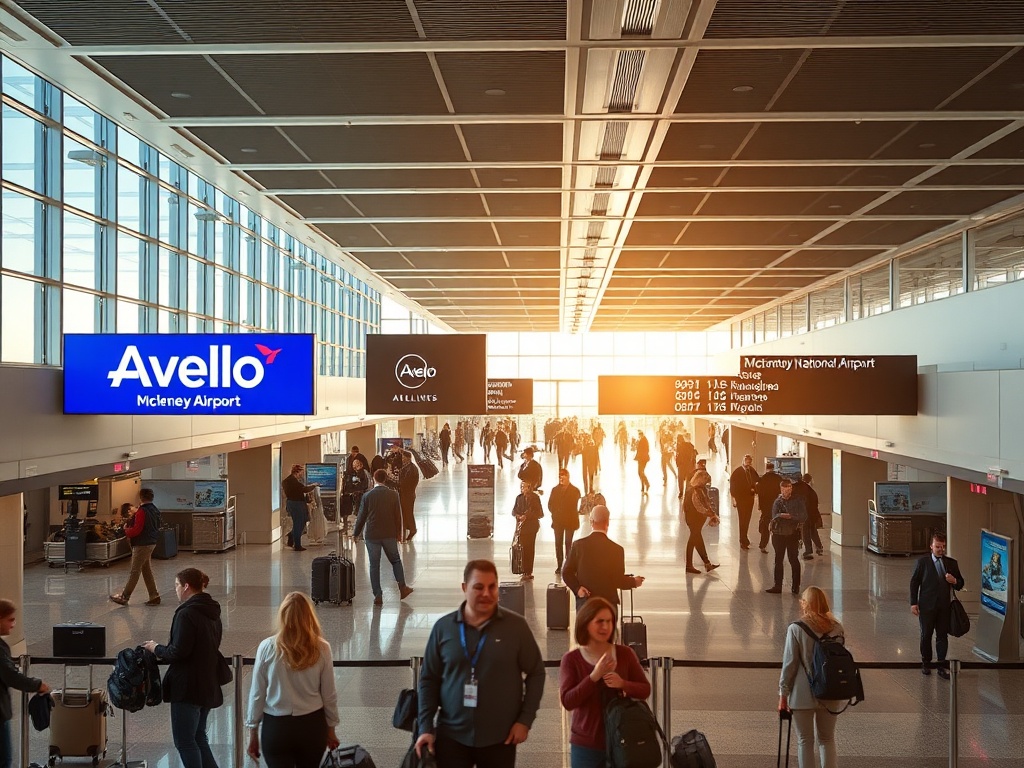
Avelo Airlines has announced the launch of commercial flights from McKinney National Airport in the fall of 2026. This move will transform the airport from a private and corporate center to a commercial hub, opening a new gateway for air travel in the region. However, beyond the initial excitement, it's crucial to evaluate the financial implications of this expansion and its impact on local small and medium-sized enterprises (SMEs).
The Airport's Paradigm Shift
The transition of McKinney from a private airport to a commercial one is significant. This transformation not only involves an operational restructuring but also a redefinition of costs and revenue structures. A commercial airport requires additional infrastructure, staffing, and services that increase fixed costs. The key here is how these costs will translate into sustainable revenue.
In terms of unit economics, Avelo's ability to maintain competitive fares while covering these costs is essential. While market entry may create initial passenger flow, the true test will be the capability to maintain healthy margins without relying on external subsidies or venture capital.
Impact on Local SMEs
The arrival of commercial flights could revitalize McKinney's local economy, offering new opportunities for SMEs. However, the real challenge lies in how these businesses can capitalize on the increase in passenger traffic. The key will be the ability of these SMEs to adapt quickly and offer products and services that attract new visitors.
From a competitive strategy perspective, SMEs must evaluate their business models to ensure alignment with the new market dynamics. This includes considering partnerships with Avelo or other entities that could benefit from the uptick in air traffic.
Avelo Airlines' Financial Architecture
From a financial viewpoint, it is crucial to analyze how Avelo plans to finance this expansion. A model based on cash flow generated by customers, rather than relying on investment rounds, will be vital for long-term sustainability. History has shown that growth driven by what is termed "cash burn" is unsustainable.
Avelo needs to demonstrate that its business model can generate sufficient revenue to cover operational costs without resorting to cash burning. This will ensure not only the airline's financial stability but also strengthen its market position.
Customer Validation as a Pillar of Success
Ultimately, Avelo's expansion in McKinney will be validated by its ability to attract and retain customers. Success will not be measured solely in terms of the number of flights or passengers but also in customer satisfaction and the company's ability to generate solid, recurring revenue.
For any business, customer dollars serve as the only validation that ensures survival and control. Avelo must focus on delivering an exceptional experience that justifies passengers' choice of its services.
The transformation of McKinney National Airport represents a significant opportunity for both Avelo Airlines and the local economy. However, success will depend on solid financial execution and a strategy centered on customer satisfaction and sustainable value.