
The Number Behind the Headline No One Wants to Read
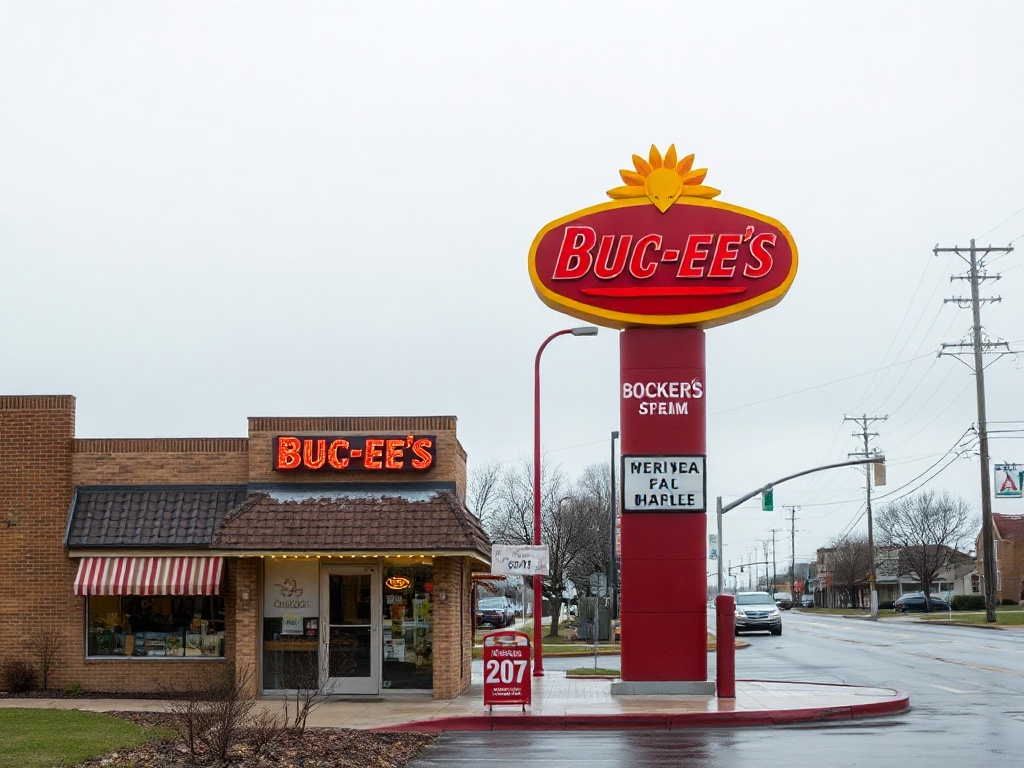
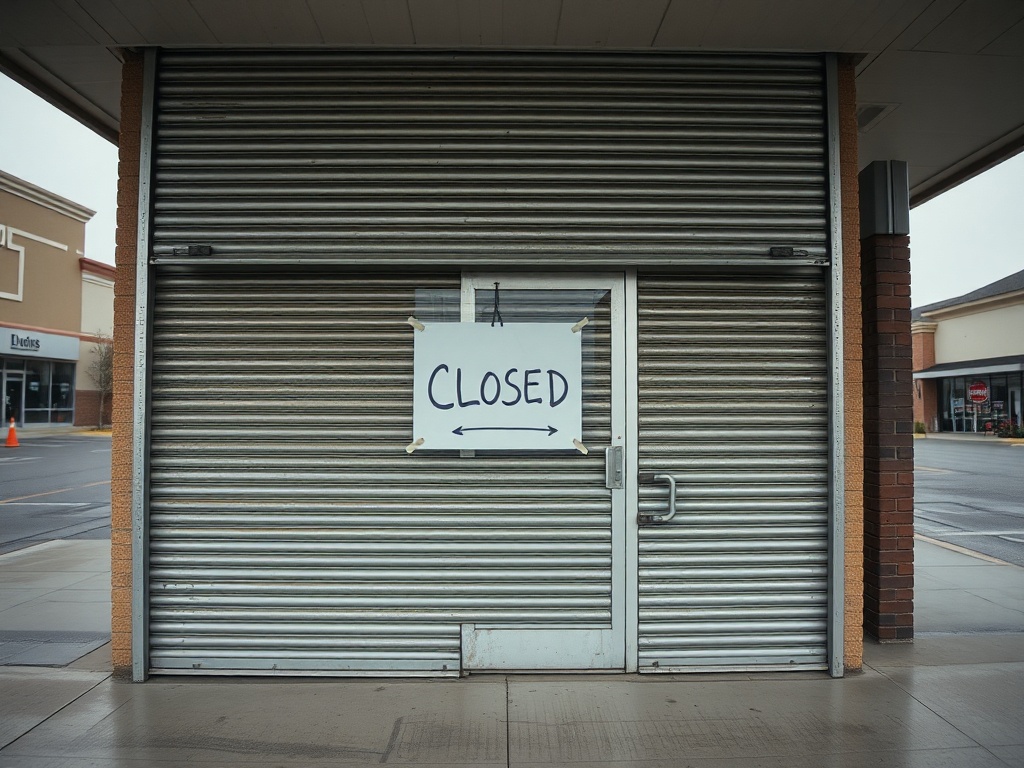
More than 1,400 stores in the United States are set to close their doors before the end of 2026. Among the names leading the list are Kroger, Walgreens, Macy's, Francesca's, Carter's, Pizza Hut, and Wendy's. These are not minor brands or companies without financial clout; we're talking about chains with decades of history, millions of square feet in operation, and entire teams dedicated to consumer research. And yet, here we are, facing closures.
The instinctive reaction is to blame e-commerce. It's the most comfortable narrative and avoids discomfort for management teams. However, when closures simultaneously impact supermarkets, pharmacies, department stores, fast-food franchises, and baby clothing stores, the common cause cannot be just one distribution channel. What is failing is something deeper: the implicit contract between the store and the customer has broken down, and in many cases, it was the company that broke it first.
For small and medium-sized enterprises (SMEs) operating in the same markets where these chains are retreating, understanding this phenomenon can make the difference between capturing an unattended space or repeating the same mistakes on a smaller scale.
When the Chain Becomes Too Big to Listen
There’s a pattern that repeats with surgical precision in the history of these closures. Large chains based their models on their most profitable customers, accumulating layers of complexity that increased their operational costs and alienated entire market segments.
Take the case of Walgreens. For years, the chain invested in expanding its health services, enhancing its clinical pharmacy format, and increasing the average ticket per customer. These decisions seemed reasonable on paper. The problem is that while they executed that strategy, the customer who simply needed to buy ibuprofen at 10 PM without standing in line started finding simpler alternatives: a 30-minute delivery app, a local independent pharmacy, the supermarket that opened an aisle for over-the-counter medicines. Walgreens over-designed itself for one customer profile and unintentionally abandoned another that sustained a good portion of its traffic.
Macy's tells a similar story from the department store perspective. The model of large departments, with salespeople per section and a premium brand proposition, worked when consumers needed a single destination to compare products physically. Today, that job can be done by a screen in 90 seconds. The physical space should now serve a different purpose—something that the screen cannot provide: the tactile experience, real advice, the surprise of discovery. Macy's failed to redesign this contract in time, and the cost is the closure of locations that have become purposeless assets.
What SMEs Can See That Chains Overlooked
This is where the analysis becomes operationally useful for a medium-sized business or independent store. The retreat of these chains does not empty markets: it frees them. And it frees them in a very specific way.
When Kroger closes a supermarket in a neighborhood, the need for food doesn’t disappear. What disappears is a particular way of meeting that need, generally the most expensive, the most generic, and the least knowledgeable about the local customer. The vacant space does not require an identical replacement. It demands something that can effectively resolve the task that Kroger stopped doing well: reliable sourcing, fresh products with local identity, frictionless service.
SMEs gaining ground in these markets are not doing so because they are cheaper or have better technology. They are succeeding because they first resolved what specific advance the customer was seeking before designing their offer. The neighborhood butcher who launched a weekly subscription didn’t compete with the supermarket on price per kilogram: he eliminated the repetitive decision of what to buy each week. The independent pharmacy that offers custom preparations and knows its customers’ histories doesn’t compete with Walgreens on product variety: it competes on trust and speed of resolution.
This is the margin that the chains’ contraction opens. It’s not a margin of price or square footage. It’s a margin of attention and specificity that large structures cannot sustain profitably.
Physical Retail Isn’t Dying; It’s Shedding Its Skin
The figure of 1,400 projected closures for 2026 generates apocalyptic headlines, but the fact that doesn’t appear in those headlines is equally relevant: during the same period, hundreds of radically different physical retail formats are opening. Pop-up stores without inventory. Subscription-based shops. Curated experience pickup points. Hybrid spaces where the physical product is a pretext, and the community is the product.
The problem never was physical space. It was the equation that sustained it: maximum variety, minimal interaction, volume margin. That equation was profitable for decades as long as the consumer had no alternatives for information or comparison. The moment the phone resolved searching, comparing, and buying in seconds, the large format that failed to redesign its value proposition was left competing on the only ground where it will always lose against a screen.
SMEs accurately reading this signal do not ask how to imitate what these chains created. They build from the opposite question: what can a physical store solve today that no algorithm can replicate? The answer is often a combination of accumulated trust, editorial judgment over the offering, and the ability to create a context where the purchase has meaning beyond the transaction.
The massive closures of 2026 are not the end of proximity commerce. They are the bill that arrives when a company, no matter how large, stops understanding precisely what job the customer is asking it to do. The chains that fail did not do so due to a lack of capital or technology. They failed because the job consumers were hiring them for was never to access more products under one roof: it was to reduce friction in supplying their daily lives, and when formats emerged that did that better, faster, and with less effort, the square footage stopped being justified.