
Location Is More Than Just a Logistics Detail
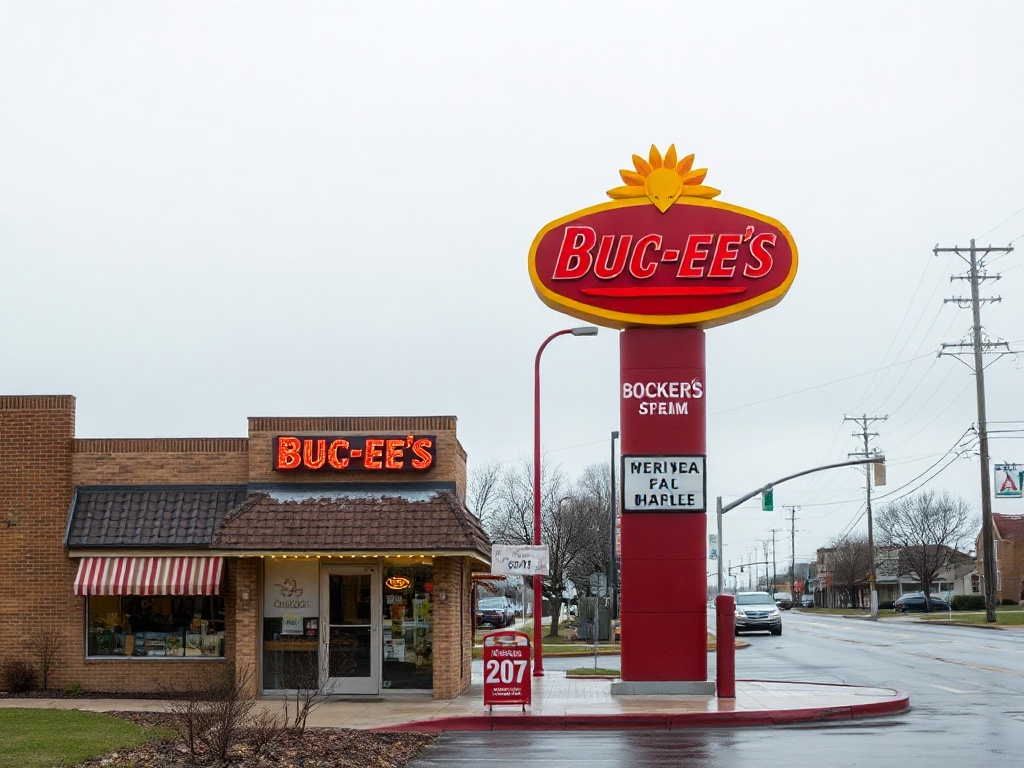
This summer, the space that once housed the Wooden City Tavern, facing Seattle's Green Lake Park, will come alive again. The owner of a local brewery has decided to set up shop there, transforming the vacant establishment into his second operation. To the outside observer, this appears to be the obvious next step for someone enjoying business success: you have a thriving establishment, find an available space, and sign the lease.
However, this is precisely what makes this type of expansion more challenging than it appears, and more telling than any headline suggests.
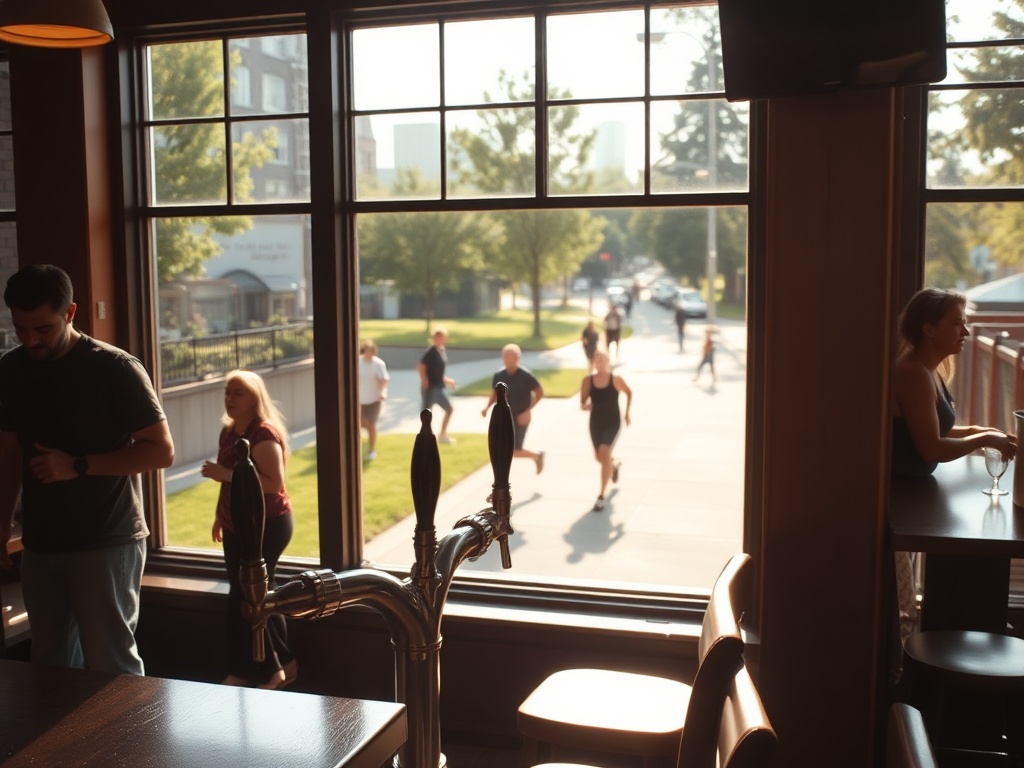
Green Lake Park isn’t just any corner of Seattle. It’s one of the city’s most frequented public spaces, a gathering spot where runners, families, and local residents engage in active leisure week after week. Opening a brewery across from that park isn’t only about occupying an empty space; it’s about situating oneself within an already established urban ritual. Customers don’t need to change their behavior to find you; they’re already there. You just need to reach them.
This dramatically alters the logic of customer acquisition, one of the most underrated costs in the expansion of an SME in hospitality. In a conventional second location, a significant portion of the initial budget goes towards building brand awareness from scratch in a neighborhood that isn’t familiar with you. Here, the park passively performs that task. Visibility is secured through geography, not advertising campaigns.
What Distinguishes Smart Expansion from a Costly Gamble
Most SMEs that fail in their second opening do not do so due to a lack of product quality. Instead, they replicate the model of their first location without acknowledging that the context that made it succeed isn't automatically transferable.
The first location of any successful business accumulates something that doesn’t appear on the balance sheet: a network of regular customers built over time, friction, and the constant physical presence of the owner. That network takes years to develop. When opening a second location, that network won’t duplicate itself. If the owner divides their attention between two operations, the first can suffer just as the second is still struggling to generate cash flow.
The intriguing aspect of the move in Green Lake is that it seems aware of this pitfall. Utilizing a space with historical commercial significance—the former Wooden City Tavern already had a neighborhood clientele—reduces the adoption time. It’s not a location within a new building devoid of context. It’s a space that the neighborhood already recognizes as a socializing spot. The new operator inherits, at least partially, that mental positioning.
This provides a concrete economic value that, while difficult to measure, shortens the initial loss period, which in hospitality often extends from six months to a full year before cash flow stabilizes. For an SME without institutional capital backing, this period represents the highest risk of closure. Reducing it, even by two or three months, could mean the difference between surviving the curve or not.
The Silent Architecture of Fixed Costs
Another angle rarely analyzed when an SME announces its second opening is what happens with the fixed cost structure of the original business.
A brewery operating a single location has concentrated fixed costs: rent, base staff, licenses, equipment. When opening a second, some of those costs can be shared—administrative management, shared suppliers, logistics of supplies—but others must double without remedy. The rent for the new location, the minimum staff needed to cover it, additional licenses. If the second location takes time to generate sufficient revenue, these new fixed costs get absorbed by the cash flow of the first.
Therefore, space selection is truly a financial decision disguised as a marketing decision. A location across from Green Lake Park, with organic foot traffic and prior neighborhood recognition, reduces the time window where the second location relies financially on the first. This protects the original operation and provides the owner with breathing room to adjust without extreme cash pressure.
What this type of expansion also reveals is a specific understanding of the customer that goes beyond the simple appreciation of craft beer. The consumer surrounding an urban park on a summer afternoon isn't seeking a sophisticated dining experience. They want a space to pause naturally, where the decision to enter doesn’t require much effort or spending. The brewery that comprehends this doesn’t compete against neighborhood restaurants; it occupies a space of lower friction that they cannot fill.
Territory as an Unreplicable Advantage
A pattern emerges in successful long-term SME expansions that is seldom accurately named: territory choice acts as a structural advantage that competitors cannot replicate immediately.
A large chain brewery can outpace an independent operator in production capacity, marketing, and pricing. However, it cannot set up shop across from Green Lake Park if that space is already occupied. The scarcity of locations with that level of organic traffic and cultural context is real. Once an operator captures such a space, they establish a position that competitors, regardless of size, cannot remedy.
This is especially relevant for SMEs in hospitality operating in cities with neighborhoods featuring strong identities. The advantage comes not from the product—craft beers are relatively easy to imitate—but from a physical anchoring in the daily lives of a specific community. The establishment that becomes part of the weekend ritual of a neighborhood builds loyalty that doesn’t hinge on campaigns or algorithms.
What this movement in Seattle clearly illustrates is that the value consumers seek in a neighborhood brewery isn't merely accessing quality beer: it's finding a space where the day’s pause makes sense, where public and private spaces connect seamlessly, and where the decision to enter requires zero mental effort. The operator who first understands this, choosing their location based on that need rather than just space availability, holds an advantage no marketing budget can buy later on.